
Choosing a master’s degree is an important decision that can shape your academic growth and future career direction. For Indian students, the UK offers a wide range of postgraduate programmes designed to build specialised knowledge, develop advanced skills and support professional progression across diverse fields.

Finding the right course requires more than selecting a popular subject. Students should consider their academic background, interests, preferred learning style and long-term career goals before making a decision. Whether you want to continue in your undergraduate discipline, explore a related field or gain research experience, understanding the available options can help you choose a programme that aligns with your ambitions.
Let’s explore the best master’s courses in the UK for Indian students, including the benefits of postgraduate study, different types of master’s programmes and popular MS subjects. This guide provides a clear starting point for students planning to begin a master’s degree after graduation or take the next step in their professional journey.
Why Study a Master’s Degree in the UK as an Indian Student?
Globally Recognised Universities: The UK is home to internationally respected universities known for academic quality, strong reputations, student experience and graduate employability, helping students build a recognised academic profile.
World-Class Higher Education: UK master’s programmes combine advanced subject knowledge with academic and practical learning while supporting the development of critical thinking, research, communication, problem-solving and independent learning skills.
Wide Range of Master’s Courses: Students can choose from postgraduate programmes in business, finance, economics, engineering, law, healthcare and science, as well as specialised fields such as artificial intelligence, data analytics, sustainable development, digital humanities and space engineering.
Flexible Academic Pathways: Students can select a programme that extends their undergraduate studies, develops complementary expertise or supports a related career direction.
One-Year Master’s Degrees: Many UK master’s programmes can be completed within one year, allowing students to gain an advanced qualification and progress towards professional opportunities in a shorter study period.
Focused and Intensive Learning: The accelerated structure of many programmes combines lectures, coursework, projects, examinations, independent study and research within a concentrated academic schedule.
Strong Research Excellence: UK universities contribute to research across science, technology, healthcare, engineering, sustainability and social sciences, creating opportunities for students to explore specialised subjects.
Guidance from Academic Experts: Research students may receive support from academic supervisors while developing advanced research knowledge and investigating specific areas of interest.
International Recognition and Career Value: A UK master’s qualification demonstrates advanced subject knowledge and the ability to complete complex academic work, which may support career opportunities across international employment markets.
Graduate Visa Opportunities: Eligible international graduates may apply for the UK Graduate visa, which can allow them to remain in the country for two years after completing their studies.
Professional Experience After Graduation: The Graduate route may provide opportunities to explore employment, gain professional experience, develop industry connections and understand career pathways in the UK.
Career Opportunities Across Diverse Industries: A UK master’s degree can support professional pathways in areas such as business and management, healthcare, law, mathematical sciences, performing arts, forensic sciences and sustainability.
Career-Focused Skill Development: Selecting a programme that develops relevant knowledge and transferable skills can help students prepare for multiple professional pathways and long-term career progression.
Diverse International Student Community: The UK’s multicultural academic environment allows students to learn and collaborate with peers from different countries and cultural backgrounds.
Global Networking Opportunities: Academic, cultural and student-led activities can help learners build international relationships and professional networks that may remain valuable beyond graduation.
Exposure to International Learning Methods: Indian students can experience different teaching approaches and gain a broader academic perspective while preparing for careers that involve international collaboration.
Types of Master’s Programmes in the UK
Before selecting a master’s course in the UK, it is important to understand how postgraduate programmes are structured. Master’s degrees can differ in their learning approach, curriculum, teaching style and assessment methods. The two main categories are taught master’s programmes and research master’s programmes.
The right option depends on your academic interests and future plans. Taught programmes are generally suitable for students seeking structured learning and career-focused knowledge, while research programmes are better aligned with advanced research, doctoral study and academic careers.
Taught Master’s Programmes in the UK
Taught master’s degrees follow an organised learning structure and are delivered through lectures, seminars, class-based learning and independent study. Students may be assessed through coursework, examinations, practical projects and a final dissertation.
These programmes help students develop advanced subject knowledge while improving practical, analytical and professional skills. Common types of taught master’s degrees include:
Master of Arts (MA): An MA focuses on subjects within the humanities, social sciences and fine arts. Students may explore advanced theories, concepts and research through lectures, coursework, projects and a dissertation. Popular areas include language, social sciences, digital humanities, film and related disciplines.
Master of Business Administration (MBA): An MBA is designed to strengthen business knowledge, management expertise and leadership capabilities. It can help students understand professional challenges, improve decision-making abilities and develop skills relevant to organisational leadership. The programme may be suitable for professionals seeking career progression or broader knowledge of business functions.
Master of Engineering (MEng): An MEng builds on the technical knowledge gained through an undergraduate degree in a relevant engineering discipline. Students can develop advanced engineering expertise and explore specialised areas such as mechanical engineering and space engineering. The degree may support students preparing for advanced professional roles in the engineering sector.
Master of Science (MSc): A taught MSc is commonly offered in science, mathematics, medicine and healthcare-related fields. The programme may include lectures, practical learning, projects, assessments and a dissertation. It helps students gain specialised knowledge while strengthening analytical and research abilities. Popular MSc subjects include artificial intelligence, data analytics, chemistry, neuroscience, public health, computational mathematics and healthcare.
Research Master’s Programmes in the UK
Research master’s programmes are centred on independent investigation and in-depth academic study. Students are generally guided by an academic supervisor who provides advice and support throughout the research process.
These programmes allow students to explore a specialised topic, review academic literature, develop research questions, analyse information and present research findings. They are particularly relevant for students interested in doctoral study, academia or research-focused careers.
Common research master’s degrees include:
Master of Philosophy (MPhil): An MPhil is a research-intensive postgraduate degree that helps students develop advanced knowledge and research expertise in a chosen field. Students conduct independent research under the guidance of an academic supervisor. The programme is often viewed as a pathway towards a PhD and can help students build the research experience required for doctoral study.
Master of Research (MRes): An MRes places a strong emphasis on developing practical research abilities. It is available across different academic disciplines and provides experience in conducting advanced research. The programme may be suitable for students who want to strengthen their research skills before pursuing further education or entering a research-related profession.
Research-Based Master of Science (MSc): A research-based MSc is available in disciplines such as science, mathematics, medicine and healthcare. Although it carries the same degree title as a taught MSc, the learning structure is different. The programme focuses primarily on independent investigation and research rather than regular classroom-based teaching. Students work with academic supervisors while developing expertise in a specialised scientific or technical area.
Want to study a Master’s program in the UK? Get expert, personalised support to identify a UK university and master’s programme that suits your academic profile, interests and future career plans. Connect with ScholarshipKart today. From course selection to steering the university application process and providing visa guidance, our expert counsellors can help you move one step closer to achieving your UK study goals.
Trending MS Subjects in the UK for Indian Students

Choosing the right MS subject is an important part of planning your postgraduate journey in the UK. Your selected field can influence the knowledge you gain, the skills you develop and the career opportunities you may explore after graduation.
You can continue with the subject studied during your bachelor’s degree or choose a related discipline that adds new expertise to your academic profile.
UK universities offer master’s programmes across established and emerging fields. To make an informed choice, consider your academic background, personal interests and long-term professional goals. The following are some of the popular MS subjects in the UK for Indian students.
Master’s in Economics, Accounting and Finance in the UK

Economics, accounting and finance are closely linked to how organisations operate, how markets function and how financial systems develop. A postgraduate degree in these fields can help students strengthen their analytical abilities and gain specialised knowledge for a range of professional pathways.
Contemporary and Practical Learning: Postgraduate programmes increasingly integrate problem-solving, computing and data analysis into their curriculum. These learning approaches help students understand complex economic and financial concepts through practical and analytical methods.
Strong Quantitative Skills: Advanced mathematical ability is important for many economics-related programmes. Students use quantitative skills to interpret economic trends, examine financial developments and analyse complex information.
Growing Demand for Specialists: The expanding nature of economies has increased the need for skilled economists, data analysts and mathematicians. According to the information provided, approximately 87% of professionals in these fields seek employment after graduating from college.
Diverse Career Applications: Graduates can apply their knowledge across several sectors, including banking, forecasting, networking, finance, accounting and analytics. This broad scope allows students to explore career pathways based on their interests and areas of expertise.
Wide Range of Specialisations: Students can choose specialised postgraduate pathways such as Management in Finance, Applied Economics with Banking and Financial Markets, Data Analytics and Finance, Economics, Finance, Accounting and Finance, Global Finance Analytics, Banking and Finance, and Finance with Finance and Investment.
Suitable for Analytical Thinkers: These programmes may be a strong fit for students who enjoy working with numbers, interpreting data, understanding economic systems and making informed financial decisions.
Career-Focused Knowledge: A master’s degree in economics, accounting or finance can help students develop specialised expertise for careers involving financial analysis, investment, banking, accounting and economic research.
With a combination of quantitative learning, specialised study options and broad career relevance, a master’s degree in economics, accounting or finance can be a valuable choice for students seeking to build expertise in financial and economic disciplines.
Master’s in Computer Science and Information Technology in the UK

Computer science and information technology are among the most relevant postgraduate study areas as organisations continue to adopt digital business models and technology-driven strategies. A master’s degree in this field can help students develop advanced technical knowledge and prepare for specialised roles across the digital sector.
Growing Importance of Digital Technologies: As technology continues to transform how organisations operate, the demand for professionals with expertise in computer science and IT remains significant. Postgraduate study can help students gain advanced knowledge of modern digital systems and technology applications.
Wide Range of Technology Areas: Computer science and IT contribute to key areas such as software development, cloud computing, digital security, gaming, artificial intelligence and web development. Students can explore the area that best matches their academic interests and career goals.
Industry-Aligned Learning: Computer science programmes at UK universities focus on experiential learning and are designed in alignment with current industry standards. This approach can help students connect academic concepts with practical technological applications.
Diverse Postgraduate Specialisations: Students can choose from specialised fields such as Artificial Intelligence, Digital Media, Computing Science, Cyber Security, Strategic IT Management, Digital Archaeology, Computational Fluid Dynamics, Advanced Computer Science, Data Science and IT Security Management.
Flexible Study Pathways: The broad scope of computer science allows students to select a specialisation based on their interests. Students interested in working with information and data may choose Data Science, while those focused on protecting digital systems may consider Cyber Security or IT Security Management.
Advanced Technology Expertise: Students interested in intelligent technologies can explore Artificial Intelligence, while programmes in advanced computer science and computing science can provide deeper knowledge of digital systems and computational methods.
Career-Focused Skill Development: A master’s degree in computer science or information technology can help students build technical, analytical and problem-solving skills that are relevant to technology-based professional environments.
Broad Professional Opportunities: Graduates may explore career pathways involving software development, digital systems, data, technology management and information security.
With a wide selection of specialisations, industry-focused learning and strong relevance across technology-driven sectors, a master’s degree in computer science or information technology can be a valuable choice for students seeking to build advanced digital expertise and pursue specialised technology careers.
Master’s in Architecture in the UK

Architecture is a multidisciplinary field that combines art, science, design, culture and technology. A master’s degree in architecture can help students strengthen their creative abilities while developing advanced knowledge of planning, design and the effective use of built environments.
A Blend of Creativity and Technical Knowledge: Architecture brings together artistic thinking and scientific understanding. Students can develop creative design abilities while learning how technical, cultural and functional factors influence the built environment.
Learning Beyond Building Design: Architecture education is not limited to designing structures. Students may develop skills in planning, creating prototypes, transforming concepts into functional models and improving the purpose, usability and value of buildings.
Exposure to Architectural Heritage: The UK has a strong architectural heritage, with historical influences reflected across its built environment. Studying architecture in the UK can provide students with opportunities to understand the relationship between historical development, architectural design and cultural significance.
Focus on Innovation and Modern Design: Alongside historical learning, postgraduate architecture programmes encourage students to explore innovative techniques and creative approaches. This combination can help students develop a broader understanding of traditional and contemporary architectural practices.
Wide Range of Specialisations: Students may choose postgraduate pathways such as Building Surveying, Master in Architecture, Interior Architecture and Design, History of Art with Architectural History and Theory, Conservation Studies, and English Building History and Architecture.
Understanding and Assessing Buildings: Building Surveying focuses on examining, assessing and understanding different aspects of buildings. This specialisation may be suitable for students interested in the condition, use and development of built structures.
Designing Functional Interior Spaces: Interior Architecture and Design explores the planning and development of internal environments. Students can study how design concepts contribute to the functionality and effective use of interior spaces.
Exploring Architectural History and Conservation: Architectural History, Theory and Conservation Studies examine the historical, cultural and architectural value of buildings. These areas allow students to explore how architectural heritage can be understood and preserved.
Developing Diverse Professional Skills: A master’s degree in architecture can help students strengthen their creative thinking, planning, design and technical abilities while gaining a deeper understanding of the built environment.
Suitable for Creative and Analytical Students: Architecture may be a strong choice for students who enjoy combining artistic creativity with technical knowledge, structured planning and design expertise.
With its combination of creativity, technology, historical understanding and practical design knowledge, a master’s degree in architecture can provide a strong foundation for students who want to develop advanced expertise and contribute to the planning and development of built environments.
Master’s in Law in the UK
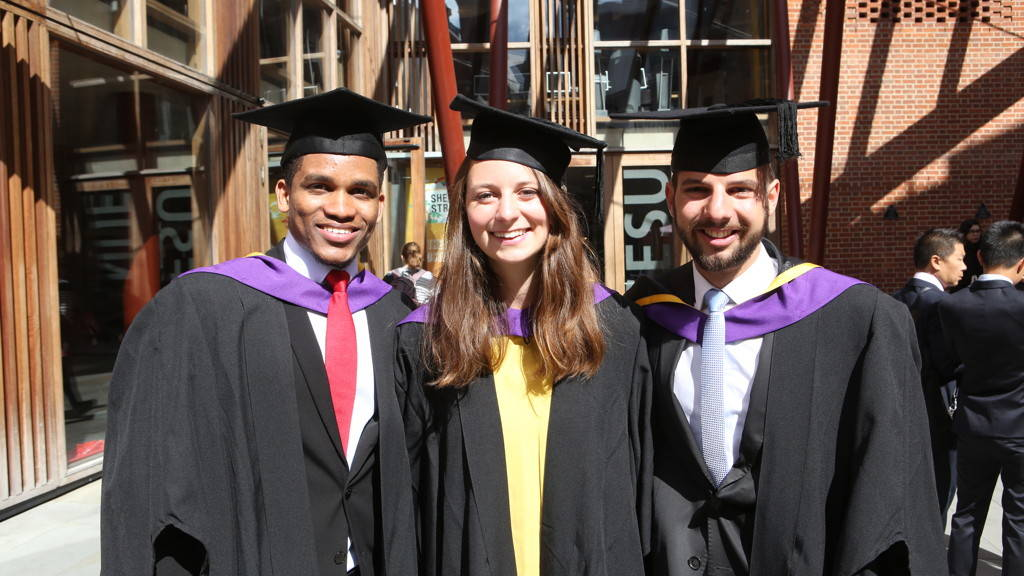
UK law schools attract international students because of their in-depth approach to legal education and their focus on connecting legal theory with practical application. A postgraduate law degree can help students strengthen their understanding of specialised legal areas while developing knowledge relevant to professional growth.
In-Depth Understanding of Legal Concepts: Postgraduate law programmes allow students to explore complex legal principles and develop advanced knowledge in a chosen area of law.
Specialised Legal Education: A master’s degree enables students to move beyond general legal studies and focus on specific subjects that align with their academic interests and professional goals.
Practical Learning Opportunities: UK universities may encourage law students to participate in internships and gain exposure to legal practice. These experiences can help students understand how legal knowledge is applied in professional settings.
A Balance of Theory and Application: The combination of academic learning and practical exposure can provide a well-rounded educational experience. Students can strengthen their legal understanding while developing awareness of real-world legal processes.
Wide Range of Law Specialisations: Students may choose specialised postgraduate pathways such as Medical Law and Ethics, International Corporate Governance, International Business Law, Legal Practice, International Energy Law, Finance Law, International Financial and Commercial Law and Master of Laws.
Healthcare and Ethical Law: Medical Law and Ethics explores legal and ethical matters connected to healthcare and medical practice, making it relevant to students interested in the relationship between law, healthcare and ethics.
Business and Corporate Law: International Business Law and International Corporate Governance focus on legal issues associated with international business activities, corporate structures and governance.
Energy and Financial Law: International Energy Law, Finance Law, and International Financial and Commercial Law allow students to explore legal matters connected to the energy sector, financial systems and commercial activities.
Professional Legal Practice: Programmes related to Legal Practice can help students develop knowledge relevant to the practical application of legal principles and professional legal work.
Choosing the Right Specialisation: Students should review the programme curriculum, subject focus and professional relevance before selecting a specialisation. The right course should support their academic interests and intended legal career pathway.
With specialised study options and opportunities to connect legal theory with practical learning, a master’s degree in law in the UK can help students build advanced legal expertise and prepare for professional development in their chosen area of law.
Master’s in Business Administration and Management in the UK

Business Administration and Management focuses on how organisations operate, make decisions and achieve their professional objectives. A postgraduate degree in this field can help students develop advanced management knowledge while strengthening leadership, strategic thinking and organisational skills.
Understanding Business Operations: Students can explore how organisations manage people, resources, processes and business activities.
Developing Management Expertise: The programme may help students build knowledge related to planning, decision-making, organisational management and professional leadership.
Strengthening Leadership Capabilities: Business and management study can support the development of leadership skills needed to guide teams and contribute to organisational growth.
Improving Strategic Thinking: Students may learn to evaluate business challenges, examine opportunities and develop informed approaches to professional decision-making.
Exploring Key Business Functions: Depending on the programme, students may study areas related to management, marketing, finance, human resources and organisational operations.
Supporting Professional Career Growth: A postgraduate qualification can be relevant to students who want to progress into management roles or expand their understanding of business practices.
Encouraging Innovative Thinking: Business programmes can help students approach organisational challenges creatively and develop ideas that support professional development.
Offering Flexible Career Relevance: The knowledge gained through business and management study may be applicable across different industries and organisational settings.
With its focus on leadership, strategy and organisational development, a master’s degree in Business Administration and Management can help students build the knowledge and professional capabilities needed to progress in a wide range of business-related careers.
Master’s in Engineering in the UK

Engineering is a broad discipline that combines scientific knowledge, mathematics, technology and practical problem-solving. A master’s degree in engineering can help students deepen their technical expertise and explore advanced concepts within a specialised area.
Building on Undergraduate Knowledge: Postgraduate engineering programmes allow students to expand the technical foundation developed during their bachelor’s degree.
Developing Advanced Technical Expertise: Students can study complex engineering principles and gain deeper knowledge within their chosen discipline.
Focusing on Problem-Solving: Engineering education encourages students to analyse technical challenges and apply scientific and mathematical knowledge to develop effective solutions.
Exploring Specialised Engineering Fields: Students may choose areas such as Mechanical Engineering, Space Engineering and other relevant engineering disciplines.
Understanding Design and Development: Engineering programmes can explore the planning, design, development and application of technical systems and solutions.
Combining Theory with Application: Postgraduate study can help students connect advanced engineering concepts with practical and professional applications.
Strengthening Analytical Skills: Students may develop technical analysis, research and structured problem-solving abilities that are relevant to engineering environments.
Preparing for Advanced Professional Opportunities: A master’s degree can support students who want to develop specialised engineering knowledge and pursue advanced roles within the sector.
With its strong focus on technical expertise, innovation and practical problem-solving, a master’s degree in engineering can provide a solid academic foundation for students seeking to advance within specialised engineering fields.
Master’s in Art and Design in the UK

Art and Design is a creative field that encourages students to explore visual expression, artistic concepts and innovative design approaches. A postgraduate degree can help students refine their creative abilities while developing advanced knowledge within a chosen artistic or design discipline.
Developing Creative Expression: Art and Design programmes provide opportunities for students to explore ideas, communicate through visual forms and develop their individual creative perspectives.
Strengthening Artistic and Design Skills: Students can refine their creative techniques while expanding their understanding of artistic and design principles.
Encouraging Innovation: Postgraduate study supports creative exploration and may encourage students to develop original approaches to artistic and design challenges.
Exploring Visual Communication: Students may examine how visual elements, creative concepts and design methods can be used to communicate ideas effectively.
Connecting Creativity With Practical Development: Art and Design programmes can help students transform creative concepts into developed artistic or design outcomes.
Building a Stronger Creative Portfolio: Advanced study may allow students to develop and refine creative work that demonstrates their skills, interests and areas of expertise.
Supporting Diverse Creative Interests: The broad nature of the discipline allows students to explore different forms of artistic practice, visual communication and design.
Developing Critical and Reflective Thinking: Students may learn to evaluate creative work, examine artistic ideas and reflect on their own design processes.
With opportunities to develop creativity, innovation and advanced artistic knowledge, a master’s degree in Art and Design can be a suitable choice for students who want to strengthen their creative identity and explore specialised areas of visual practice.
Master’s in Medicine and Dentistry in the UK
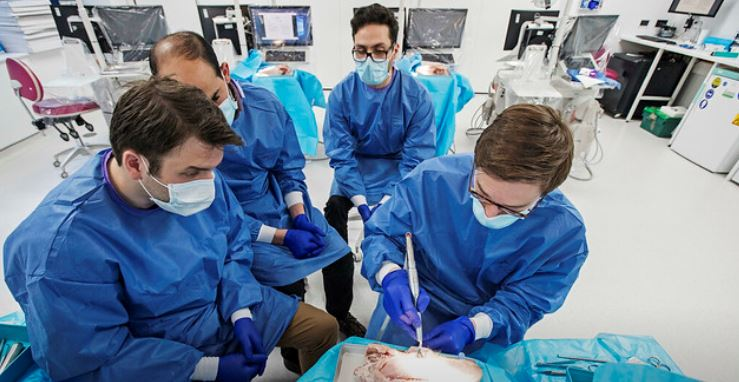
Medicine and Dentistry are specialised areas of study focused on health, healthcare knowledge and professional practice. Postgraduate programmes can help students develop advanced understanding within selected medical, dental and health-related disciplines
Developing Advanced Subject Knowledge: Postgraduate study allows students to build on previous academic or professional knowledge and explore specialised areas within medicine, dentistry and healthcare.
Exploring Healthcare-Focused Disciplines: Students can develop a deeper understanding of health-related concepts and the factors that influence professional healthcare practice.
Supporting Specialised Learning: Master’s programmes may allow students to focus on a particular area of medical, dental or healthcare knowledge.
Strengthening Analytical and Research Abilities: Advanced study can involve examining healthcare-related information, conducting research and developing evidence-based understanding.
Connecting Academic Knowledge with Professional Practice: Postgraduate education may help students understand how advanced medical and healthcare knowledge can be applied within professional contexts.
Encouraging Continued Professional Development: A master’s degree can support students and professionals who want to expand their expertise and progress within health-related fields.
Exploring Research Opportunities: Research-focused study may provide opportunities to investigate specialised topics and contribute to a deeper understanding of medical, dental or healthcare subjects.
Preparing for Advanced Healthcare Pathways: The knowledge and skills gained through postgraduate study may support professional development in relevant medical, dental and healthcare areas.
With its focus on specialised knowledge, research and professional development, a master’s degree in Medicine and Dentistry can help students deepen their understanding of healthcare-related disciplines and work towards advanced academic or professional goals.
Master’s in Political Science in the UK

Political Science explores how governments, political institutions, public policies and international systems function. A master’s degree in this field can help students develop a deeper understanding of political processes while strengthening their ability to examine complex social and global issues.
Understanding Political Systems: Political Science programmes explore the structure and functioning of governments, political institutions and public decision-making processes.
Exploring Public Policy and Governance: Students can study how policies are developed and how governance influences societies, institutions and communities.
Developing Analytical Perspectives: The subject encourages students to examine political events, compare different viewpoints and evaluate the factors that influence political decisions.
Studying Global and International Issues: Political Science can provide opportunities to explore international relations, global developments and the interaction between countries and political institutions.
Strengthening Research and Communication Skills: Postgraduate study may help students improve their research, critical-thinking, analytical and communication abilities.
Connecting Politics with Society: The discipline examines the relationship between political systems, social structures and public interests, helping students understand how political decisions can affect communities.
Supporting Diverse Professional Pathways: A master’s degree in Political Science can provide relevant knowledge for careers connected to governance, public policy, international affairs, public administration and related fields.
With its focus on political systems, governance and global issues, a master’s degree in Political Science can be a valuable choice for students who want to develop a deeper understanding of public affairs and strengthen their analytical and research capabilities.
Most Popular Master’s Programmes for Indian Students in the UK
The following postgraduate programmes are popular among Indian and international students because they offer specialised knowledge and can prepare graduates for professional roles across different sectors.
Programme duration may vary according to the university, course structure and study mode.
| Master’s Course | Key Study Focus | Duration | Entry Requirements / Suitable Background | Potential Career Opportunities |
| LLM – Master of Laws | Advanced legal knowledge, specialised legal study and international legal perspectives | 1 year | Undergraduate degree in law; some universities may consider related humanities qualifications and professional experience | Legal counsel, attorney, corporate lawyer, legal consultant, international business lawyer, legal journalist |
| MA in Creative Writing | Storytelling, literary analysis, critical thinking, research and creative practice | 1–2 years | Upper second-class honours degree in a humanities subject and a strong interest or ability in writing | Author, journalist, digital content writer, advertising copywriter, editor, proofreader, social media manager, communications specialist, lecturer |
| MA in Digital Media | Interactive content, digital design, media production, social media and digital project management | 1–2 years | Related undergraduate degree or relevant professional experience may be beneficial | Video game developer, social media marketer, web designer, graphic designer, digital marketing specialist, animator, art director, content strategist, PR specialist |
| MA in International Relations | Global politics, civil society, globalisation, ethics, human rights and international affairs | 1–2 years | Suitable for students interested in international affairs, governance, public policy and related fields | Diplomat, policy analyst, consultant, economic analyst, foreign services officer, public administration officer, international development consultant, intelligence specialist |
| MBA – Master of Business Administration | Business operations, management, leadership, organisational decision-making and innovation | 1–2 years | Suitable for students and working professionals seeking management and leadership development | Management consultant, project manager, operations manager, CEO, business strategist, CFO, entrepreneur, business development manager |
| MRes in Risk and Disaster Management | Risk reduction, disaster management and multidisciplinary research | 1–2 years | Suitable for students interested in research and risk-related challenges across scientific, social, political and environmental contexts | Lecturer, professor, researcher, consultant, emergency management specialist, disaster monitoring officer, disaster analysis officer |
| MSc in Artificial Intelligence | Programming, data science, analytics, intelligent technologies and AI applications | 1–1.5 years | Academic background in computer science, mathematics or engineering may be required | Machine learning engineer, data scientist, robotics engineer, data engineer, software engineer, business intelligence developer, research scientist, AI product manager |
| MSc in Computer Science | Software engineering, system development, mathematical foundations, cyber security and artificial intelligence | 1–2 years | Suitable for students with an academic background in computer science or related technical disciplines | Computer network architect, database administrator, data scientist, IT consultant, programmer, cyber security manager, business intelligence officer, machine learning engineer |
| MSc in Criminology and Criminal Psychology | Criminal behaviour, crime-related issues, drugs, transnational crime and civil conflict | 1–2 years | Suitable for students interested in criminology, psychology, criminal behaviour and related social issues | Forensic science technician, criminologist, social worker, private investigator, detective, forensic psychologist, victim advocate, crime laboratory assistant, crime scene technician |
| MSc in Cyber Security | Cybercrime, digital security, computer science, cryptography and cyber-risk management | 1–2 years | Suitable for students interested in information security, digital systems and cyber-risk reduction | Cyber security analyst, security engineer, security architect, cyber security manager, IT auditor, chief information security officer, digital forensics analyst, vulnerability assessor, cyber security trainer |
| MSc in Finance and Investment Management | Personal finance, credit, investment, security analysis, portfolio analysis and financial markets | 1–2 years | Suitable for students interested in finance, investment analysis and financial decision-making | Financial analyst, wealth manager, investment banking analyst, portfolio manager, corporate controller, finance and insurance manager, forensic banking accountant |
| MSc in Public Health | Health and social care, health promotion, healthcare research and public health development | 1–2 years | Particularly relevant to professionals involved in public health and students interested in community health | Health policy analyst, epidemiologist, health policy advisor, community health educator, environmental health specialist, healthcare administrator, public health project manager, healthcare consultant |
| MSc in Psychology | Human behaviour, mental health, positive psychiatry and scientific approaches to psychology | 1–2 years | Suitable for students interested in psychological science, human behaviour and related professional fields | Clinical psychologist, mental health counsellor, forensic psychologist, sports psychologist, social worker, therapist, developmental specialist, career counsellor, addiction counsellor, researcher |
| MSc in Renewable Energy | Renewable energy technologies, energy systems, sustainability and cleaner energy development | 1–2 years | Suitable for students interested in sustainable energy, environmental challenges and multidisciplinary energy research | Energy sector economist, sustainable design consultant, ESG consultant, renewable energy consultant, planning engineer, researcher |
Career Prospects After Completing a Master’s in the UK
A master’s qualification from the UK can support different stages of career development. Some graduates may enter a professional role for the first time, while others may use postgraduate study to progress within an established career.
Explore Graduate Recruitment Opportunities: Graduates can research employment opportunities offered by multinational organisations that recruit postgraduate students. Engaging with recruiters may help students understand the qualifications, skills and professional expectations associated with their preferred career field.
Consider Internship Programmes: Internships can provide opportunities to apply postgraduate knowledge in a professional environment. They may also help graduates gain practical experience, understand workplace expectations and build connections within their industry.
Gain Professional Experience in the UK: Eligible international graduates who extend their stay through the Graduate visa may have opportunities to explore employment and gain professional experience in the UK. This experience can help graduates understand industry practices and develop a clearer career direction.
Apply Knowledge in Professional Settings: A master’s programme can help students develop advanced subject knowledge, research abilities, analytical thinking and professional skills. Graduates may use these capabilities when applying for roles related to their area of study.
Build Industry Connections: Postgraduate education provides opportunities to interact with fellow students, academics and professionals. Developing meaningful professional relationships may support future career exploration and access to industry-related information.
Explore International Employment Opportunities: A UK master’s qualification has international recognition and may support graduates who want to apply for professional roles outside the UK. Students can explore opportunities in countries that align with their career plans and professional interests.
Develop a Global Professional Perspective: Studying in an international academic environment can provide exposure to different viewpoints and ways of working. This experience may help graduates adapt to professional environments that involve cross-cultural communication and global collaboration.
Consider Entrepreneurship: Graduates interested in starting a business may use the subject knowledge, professional skills and networks developed during postgraduate study to support their entrepreneurial plans.
Use the UK Start-Up Ecosystem: The UK’s start-up ecosystem and professional networks may provide access to useful resources, industry connections and opportunities for students interested in developing a new business.
Apply Postgraduate Learning to Business Development: A master’s programme may help aspiring entrepreneurs strengthen their understanding of a specialised subject or professional field. This knowledge can be valuable when identifying business ideas and planning future ventures.
Return to India with International Experience: Indian students who plan to return home can apply the knowledge, skills and broader academic perspective gained through their UK studies to their professional development in India.
Leverage a Global Network: The relationships developed with international peers, academics and professional contacts may remain useful after graduation. These connections can support professional learning, collaboration and future career exploration.
Align Career Choices with Long-Term Goals: Graduates should evaluate career opportunities based on their subject expertise, interests and long-term ambitions. Choosing roles that build relevant experience can support continued professional growth.
Continue Developing Professional Skills: Completing a master’s degree can be an important step in career development, but ongoing learning and practical experience remain valuable. Graduates can continue strengthening their knowledge and professional capabilities as they progress in their chosen field.
Master’s in the UK Eligibility for Indian Students
Admission to a master’s programme in the UK can be competitive, and applicants are generally expected to meet the academic and course-specific entry requirements set by their chosen university. Eligibility criteria may vary depending on the university, subject area and programme structure.
Relevant Undergraduate Qualification: Applicants generally need a bachelor’s degree equivalent to an upper second-class honours qualification to be considered for a master’s programme in the UK.
Acceptance of a Lower Second-Class Degree: Some universities and programmes may also consider applicants with a lower second-class honours degree. However, additional requirements, such as relevant professional experience, may apply.
Programme-Specific Academic Requirements: Entry criteria can differ between universities and courses. Students should check whether their undergraduate qualification meets the academic requirements of the specific master’s programme they intend to study.
Relevant Academic Background: Certain specialised courses may expect applicants to have completed a bachelor’s degree in the same or a related discipline. Reviewing the required academic background can help students identify programmes that align with their previous education.
Professional Work Experience: Some career-focused or professional development programmes may require applicants to demonstrate three to seven years of full-time work experience.
Different Experience Requirements: The amount and type of work experience required can vary according to the programme. Students should review whether their professional background is relevant to the course they are applying for.
Options for Recent Graduates: Students applying immediately after completing their bachelor’s degree may not be required to have professional work experience, particularly for programmes designed for recent graduates.
Value of Relevant Experience: Even when work experience is not mandatory, relevant professional exposure may strengthen an application by demonstrating practical knowledge and familiarity with the chosen field.
English Language Proficiency: Applicants are generally required to demonstrate their ability to study and communicate effectively in English.
Possible English Language Waivers: Some universities may waive the English language requirement if the applicant completed an undergraduate degree taught in English or has worked in an English-speaking professional environment.
University-Approved English Tests: Many applicants may need to complete an accepted English language examination. Depending on the university, approved tests may include IELTS, PTE Academic, TOEFL and other recognised assessments.
Required English Test Scores: Students must achieve the minimum score specified by the university and their chosen master’s programme. Required scores may differ according to the course and level of English proficiency expected.
Standardised Test Requirements: Certain postgraduate programmes may require applicants to complete standardised examinations such as the GMAT, GRE or SAT.
Assessment of Academic and Professional Abilities: These tests may be used to evaluate skills related to critical thinking, strategic reasoning, analytical ability and leadership potential.
Course-Specific Test Criteria: Standardised test requirements are not the same for every programme. Students should confirm whether a test is required and review the minimum score expected by the university.
Documents Required to Apply for a Master’s in the UK
- · Completed university application form
- · Statement of Purpose (SOP)
- · Letter(s) of Recommendation (LOR)
- · Bachelor’s degree certificate
- · Academic transcripts
- · Updated CV or résumé
- · Valid passport
- · English language proficiency test scores
- · Standardised test scores, if required
- · Relevant work experience documents, if applicable
- · Portfolio, if required for the programme
- · Additional course-specific supporting documents
Top 10 UK Universities for Master’s Degrees for Indian Students
Choosing the right university is just as important as selecting the right master’s course. The following list highlights the top 10 universities in the UK for master’s study, based on their position in the QS World University Rankings 2027.
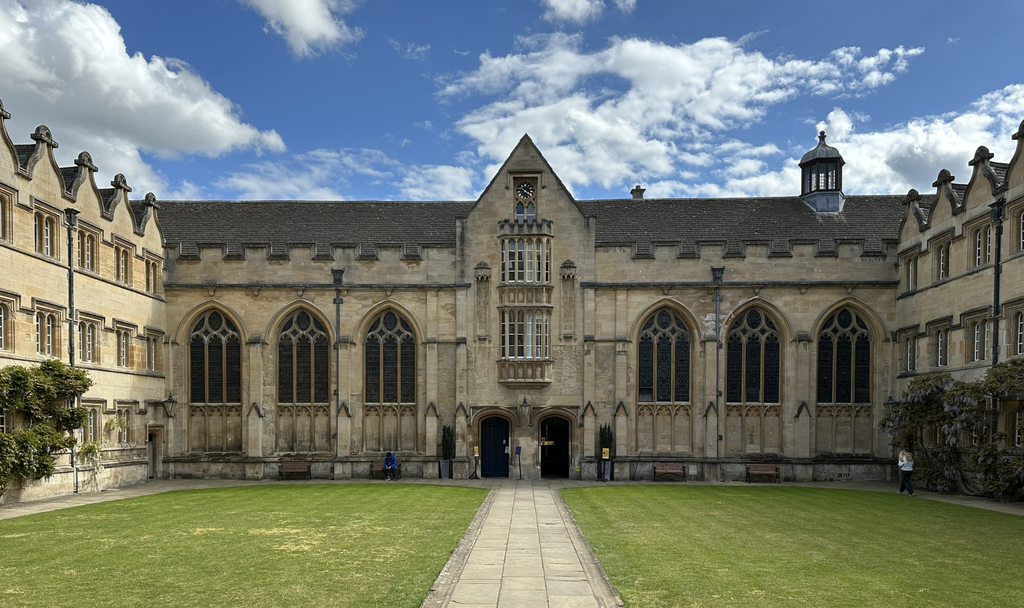
London School of Economics and Political Science
Queen Mary University of London
Best UK Universities for Master’s: Popular Courses, Tuition Fees and Scholarships
| University | Popular Master’s Courses | Approx. Annual Tuition Fee | Available Scholarships |
| Imperial College London | MSc Economics and Strategy for Business; MSc Financial Technology; MSc Innovation, Entrepreneurship and Management; MSc Strategic Marketing | £28,128 | Amberscholar Scholarship; Bright Network Application Fee Waiver; Chevening Scholarships; Education Future International Scholarship |
| University of Oxford | Master in English and American Studies; Master in Film Aesthetics; MPhil Politics (European Politics and Society); MPhil Social Anthropology; MSc Clinical Neurosciences | £21,988 | All Souls Hugh Springer Graduate Scholarships; Felix Scholarship; Mastercard Foundation AfOx Scholarships; Oxford-Bounden Graduate Scholarship |
| University of Cambridge | Master in Corporate Law; Master in Cognitive Neuroscience; MPhil Strategy, Marketing and Operations; MPhil Digital Humanities; MPhil Film and Screen Studies | £25,359 | Amberscholar Scholarship; Chevening Scholarships; Commonwealth Master’s Scholarship; Fully Funded DAAD EPOS Scholarship |
| University College London (UCL) | MSc Advanced Materials Science; MSc Space Science and Engineering; MSc Sports Medicine, Exercise and Health; MSc Systems Engineering Management; MSc Technology Management | £24,692 | ACES Scholarships; Amberscholar Scholarship; Chevening Scholarships; Commonwealth Master’s Scholarships |
| University of Edinburgh | Master in Religion and Literature; Master in Sustainable Lands and Cities; MSc Analytical Chemistry; MSc Computational Applied Mathematics; MSc Data and Artificial Intelligence Ethics; MSc Data and Decision Analytics | £24,926 | Chevening Scholarships; Dr Lloyd John Ogilvie Scholarships; Marshall Scholarships; Richard Davidson Postgraduate Scholarship |
| King’s College London | Master in UK, EU and US Copyright Law; MA War Studies; MSc Clinical Pharmacology; MSc Economics and Finance; MSc Global Human Resource Management; MSc Public Health | £30,503 | Chevening Scholarships; Commonwealth Master’s Scholarships; Inlaks Shivdasani Foundation; King’s College London Marshall Scholarship |
| University of Manchester | LLM Healthcare Ethics and Law; Master in Music; MSc Endodontics; MSc Medical Imaging Science; MSc Quantitative Finance | £24,666 | Amberscholar Scholarship; British Chevening Scholarship; Commonwealth Master’s Scholarships; Global Futures Scholarship |
| London School of Economics and Political Science (LSE) | Master in Demography; MSc Development Studies; MSc Finance; MSc International Strategy and Diplomacy; MSc Operations Research and Analytics | £23,784 | Anniversary Scholarships; Sir Robert Black Trust Fund Postgraduate Scholarships; The Next Genius Foundation Scholarship; World Universities Ramay Postgraduate Scholarship |
| University of Glasgow | MA Global Sustainable Development; Master in Health Services Management; MSc Geomatics and Management; MSc Medical Device Engineering; MSc Sound Design and Audiovisual Practice | £24,459 | British Marshall Scholarships; EU Welcome Award Postgraduate; Vice Chancellor EU Award; Waseda University Scholarship |
| Queen Mary University of London | LLM Environmental Law; LLM Insurance Law; MSc Actuarial Science and Data Analytics; MSc Applied Statistics and Data Science; MSc Investment and Finance | £27,566 | Chevening Awards; Commonwealth Master’s Scholarship; The Global Talent Scholarship (Postgraduate Taught); The Qalaa Holdings Scholarship |
Conclusion
Studying in the UK offers Indian students a diverse range of specialised master’s programmes. Whether you choose an LLM, MBA or an MSc in Artificial Intelligence, Cyber Security or another specialised field, each programme can help you develop advanced knowledge and explore career opportunities aligned with your interests.
Choosing the right master’s degree requires careful consideration of your academic background, professional experience and long-term goals. By researching universities, course content, specialisations, eligibility requirements, scholarships and career pathways, you can make an informed decision and begin a postgraduate journey that supports your future academic and professional ambitions.
Find the Right UK Master’s Programme with ScholarshipKart
Book a Free Consultation with ScholarshipKart today and take a confident step towards studying in the UK. Receive personalised support to find a UK university and master’s programme that matches your academic background, interests and career ambitions. From course selection and university applications to student visa guidance, ScholarshipKart can support you at every stage of your study abroad journey.
Popular master’s options include Computer Science, Artificial Intelligence, Cyber Security, Finance and Investment Management, Business Administration, Law, Engineering, Architecture, Psychology, Public Health, Renewable Energy and International Relations.
The UK offers globally recognised universities, a wide range of specialised programmes, strong research opportunities, international exposure and many one-year master’s programmes. Eligible international graduates may also apply for the UK Graduate visa.
Many UK master’s programmes can be completed in one year, although the duration varies by university, programme and study mode. Some programmes may take 1–2 years or longer depending on their structure.
The main categories are taught master’s programmes and research master’s programmes. Common degrees include MA, MBA, MEng, MSc, MPhil and MRes.
Taught master’s programmes generally involve lectures, seminars, coursework, examinations, projects and a dissertation. Research master’s programmes focus more heavily on independent research, academic investigation and working under the guidance of a supervisor.
Popular MS subjects include Artificial Intelligence, Computer Science, Cyber Security, Finance and Investment Management, Public Health, Psychology and Renewable Energy, along with other specialised disciplines.