
Choosing the right destination for higher education is one of the most important decisions in a student’s life, and for thousands of Indian students each year, the UK continues to be a top choice. But what makes UK universities stand out on the global stage? It’s not just their centuries-old legacy, picturesque campuses, or idyllic settings; it’s the unique blend of academic excellence, real-world learning, and global recognition that truly sets them apart.
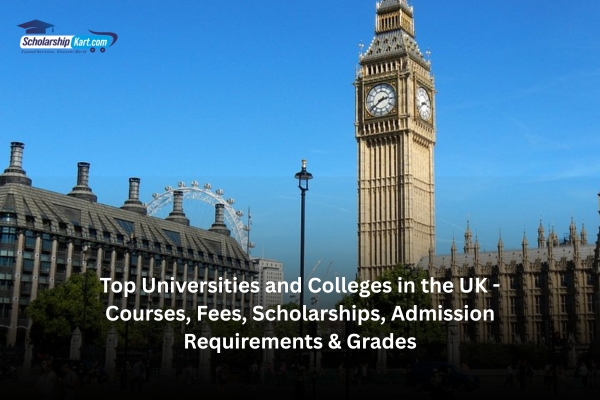
UK universities offer more than just a degree. From cutting-edge research facilities to dynamic, career-focused programs, they offer a springboard into a dynamic future and success in a fast-changing world. Whether you’re drawn to engineering, law, medicine, business, or the arts, the UK provides an education that’s both rigorous and relevant. If you’re curious about why a UK degree could be your smartest move yet, read on—because your aspirations and future deserve nothing less than a world-class grounding.
To study in the UK, connect with ScholarshipKart today. Schedule a meeting with an expert counsellor to learn about courses, universities, application and visa process and get robust support to make your UK journey smooth and effortless.
Types of UK Universities: Finding the Right Fit for Your Future
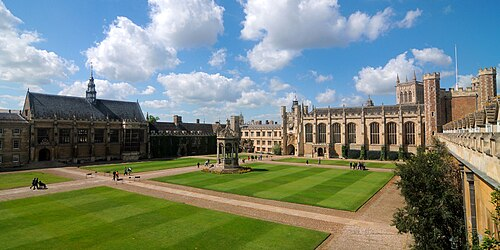
When it comes to studying in the UK, it’s not just about the course you choose—it’s also about finding your fit. The UK’s higher education system offers a rich assortment of universities, each with its own character, strengths, and legacy. While prestige has its place, it’s wise to look beyond the names and focus on what truly suits your ambitions and learning style.
Ancient universities: Steeped in tradition, boasting centuries of academic excellence and liberal education, these universities are as old as the hills. Universities such as the University of Oxford, the University of Cambridge, the University of St Andrews, and the University of Glasgow offer deep-rooted intellectual environments, often ideal for research and classical subjects.
Red brick universities: Also known as civic universities, these universities were born during the industrial era and were founded in major industrial cities in the 19th and early 20th centuries. With strong faculties in science and engineering, Universities like the University of Birmingham, the University of Manchester, the University of Leeds, and the University of Liverpool blend heritage with modernity and cater to practical minds and urban explorers—the best of both worlds.
Plate-glass universities: Born in the 1960s, these universities brought a breath of fresh air to the UK academic scene. York, Sussex, Warwick, and the University of East Anglia (UEA) embrace modern architecture and progressive teaching. Their campus-based setups offer a tight-knit community and a forward-thinking and contemporary academic outlook.
Metropolitan universities: Formerly polytechnics, these institutions, such as Nottingham Trent or Manchester Metropolitan, bring innovation to the table. These universities offer industry-relevant, career-focused degrees in fields like fashion, media, game design or events management. If you’re looking to hit the ground running in a practical career, these may be your best bet.
Russell Group Universities: The elite 24-member group includes LSE, the University of Bristol, the University of Edinburgh, and King’s College London. These powerhouse institutions are top of the tree for research, global rankings, and academic leadership.
While selecting the university, think about where you’ll flourish, both in and beyond the classroom. The right environment can turn competence into purpose.
Why Study in the UK: A Smart Move for Global-Minded Students
Studying in the UK is more than just a passport to high-quality education, it’s an entryway to a world of unprecedented opportunity. With centuries of academic excellence and an open-armed welcome to global learners, the UK is where ambition meets action. Here’s why choosing the UK could be your best bet:
World-Class Education That Stands the Test of Time
The UK has some of the world’s most prestigious universities, with four in the world’s top ten universities. Academic institutions here are second to none in curriculum and cutting-edge teaching methods, and are known for their research excellence.
When you study in the UK, you’re not just attending lectures, you’re stepping into centuries of scholarly brilliance, learning from the best and building a foundation that’s built to last.
Endless Choices, Tailored to You
UK Universities offer an extraordinary range of programs. Whether you’re keen on Economics, Fashion, Mathematics, MBA or even an Artificial Intelligence program, universities have all bases covered. Courses are flexible, modern, and aligned with industry demands. You can even pursue dual-honours degrees, combining two subjects you love. This academic versatility allows you to play to your strengths and craft a unique educational path.
Learn from the Best
You’ll be taught by some of the world’s most respected faculty members, top professors and leading researchers, many of whom are leaders in their fields. They don’t just teach, they mentor.
The UK’s interactive learning style is interactive, inspiring, and encourages debate, discussion, and creative problem-solving. It ensures you think outside the box and grow intellectually.
Fast-Track Your Future
UK degrees are shorter. Generally, undergraduate degrees last just three years, while most postgraduate programs are one year long. This means you save both time and money, while earning a globally respected qualification, without compromising on quality. It’s a win-win situation for ambitious students looking to launch their careers quickly.
Work While You Learn
International students can work up to 20 hours per week during term time and full-time during holidays. This allows you to earn, gain real-world experience, and build your CV, not only supports your budget but also helps you gain industry exposure. You’ll hit the ground running even before graduation.
Career-Ready Graduates
UK graduates are a cut above the rest and hence, highly sought after for their analytical, creative, and communication skills. Employers worldwide value UK education for its prestige and emphasis on rigour, creativity, leadership, and critical thinking. Your degree will open doors around the world.
Funding That Fits
From prestigious merit-based scholarships to targeted need-based financial aid, UK universities offer plenty of support through robust funding options. If you have academic merit or financial need, there’s often a door waiting to open. With a little research, you may find that the money hurdle isn’t as high as you thought.
Master English, Master the World
Studying and living in the UK gives you the perfect setting to sharpen your English fluency, which is essential in today’s global workplace. You won’t just learn the language—you’ll live it daily. That fluency becomes your ticket to the global stage.
A Cultural Melting Pot
Every year, the UK welcomes over 200,000 international students, creating a vibrant multicultural environment. Studying in the UK means joining them. You’ll rub shoulders with students from every corner of the world, learning as much from each other as from your lecturers. It’s a place where cultures merge in the best way, giving you a chance to broaden your horizons socially and academically, enriching your worldview.
Live Where History Meets Modern Life
The UK is a stunning blend of ancient architecture and modern innovation. From the buzzing streets of London to the peaceful charm of York, every city is rich. With castles, concerts, cafés, and countryside, you’ll never run out of things to explore. Whether you’re into music festivals, museums, or quiet countryside escapes, you’ll find it all. Living here is like turning every weekend into an adventure.
Top Universities in the UK
The Times and The Sunday Times UK University Rankings are recognised as a reliable indicator known worldwide for a trustworthy ranking of UK universities based on some metrics. Several indicators, such as teaching quality, student experience, research quality, entry standards, graduate prospects, continuation rate, student-staff ratio, and people & planet, were used to acquire the rankings.
As per The Times and The Sunday Times UK University Rankings 2027, the top 10 UK Universities are:
University of St Andrews
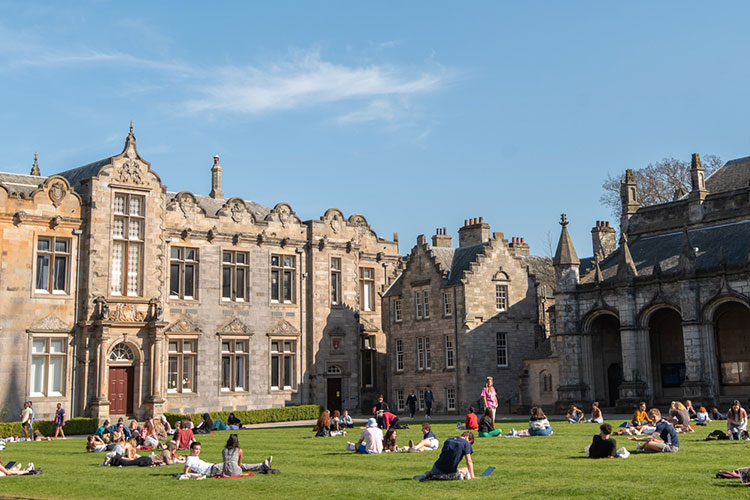
The University of St Andrews, founded in 1413, is Scotland’s oldest and most prestigious institution. The University blends an affluent history with contemporary academic excellence. With four distinct faculties in Arts, Divinity, Medicine, and Science, it offers a comprehensive range of educational opportunities across disciplines.
Cradled in the charming coastal town of St Andrews accommodates over 8,000 undergraduate and 1,000 postgraduate taught students. Students become part of a close-knit, globally minded community where practice meets invention. With world-class resources and a strong emphasis on personal and intellectual growth, St Andrews equips students to thrive in their future careers.
London School of Economics and Political Science
The London School of Economics and Political Science (LSE) stands as a world-leading institution, prominent for its distinction in the social sciences. Named University of the Year by the Good University Guide 2025, LSE is based in the heart of London and blooms as a vivacious global centre of people and ideas that inspire change.
With more than 40 undergraduate options and over 160 taught master’s and research programs across disciplines like economics, politics, sociology, and law, LSE equips students with the analytical and critical thinking skills to nurture future leaders and changemakers and shape global policy and society.
Imperial College London
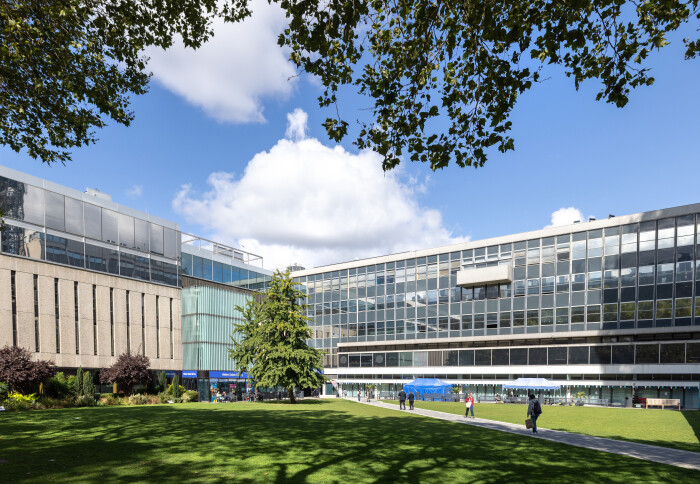
Imperial College London is a world-leading institution renowned for its excellence in science, technology, engineering, medicine, and business (STEMB). With four dedicated faculties, it offers over 110 undergraduate and more than 200 postgraduate and doctoral programs tailored to future innovators and leaders.
Spread across nine campuses in London and the South East, Imperial provides students with access to avant-garde facilities and robust industry connections. Home to 14 Nobel Laureates, the university stands at the forefront of global research and discovery, empowering students to make a real-world impact.
University of Cambridge
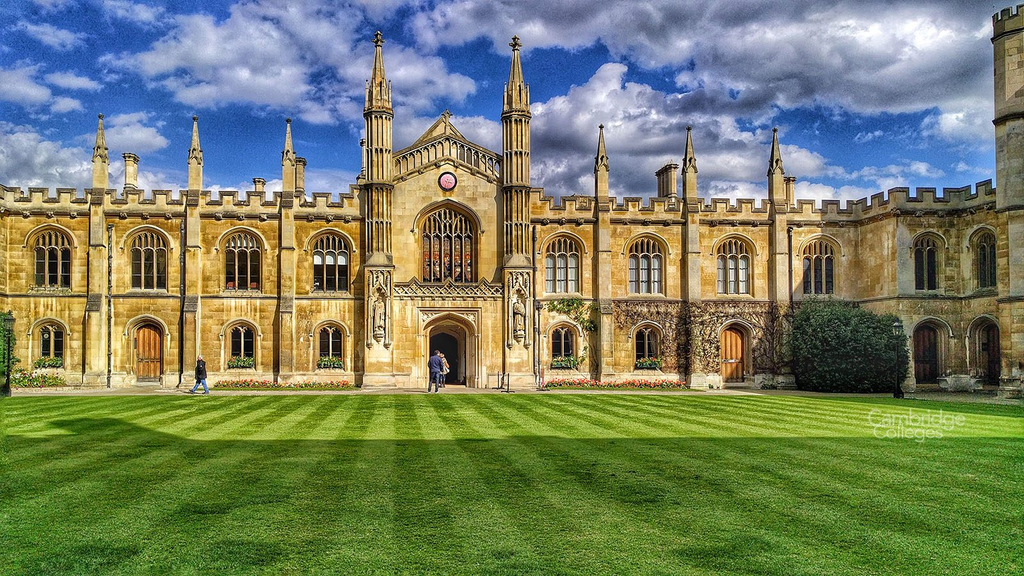
The University of Cambridge offers an extensive range of academic opportunities with 30 undergraduate courses spanning over 65 subject areas and more than 300 postgraduate programs across 21 qualification types.
With 31 Colleges, 6 Schools, and over 150 Faculties and Departments, Cambridge nurtures a diverse academic community of 12,910 undergraduates and 12,010 postgraduates for the 2024-25 academic year. Strategically located at the heart of a major global technology hub, the university fosters strong ties between research and industry, championing innovation and real-world impact.
University of Oxford
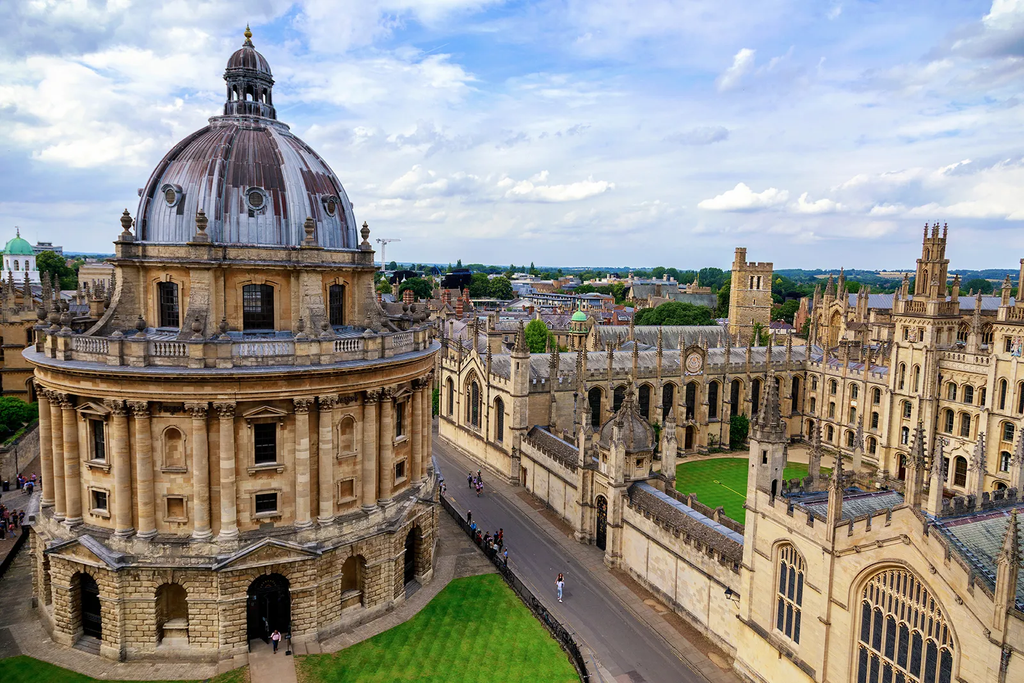
The University of Oxford, claiming nine centuries of continuous existence, is a world-leading centre of learning, teaching and research. Oxford, the oldest university in the English-speaking world, offers a wide array of undergraduate, postgraduate, and research programs across its four major academic divisions—Humanities, Mathematical, Physical & Life Sciences, Medical Sciences, and Social Sciences.
For the academic year 2024-25, it proudly hosts 12,375 undergraduate and 13,650 graduate students, fostering a vibrant intellectual community. With a legacy of producing world leaders, Nobel laureates, and pioneering researchers, Oxford continues to shape the future of global education.
Durham University

Durham University stands as a globally renowned institution, offering over 200 undergraduate courses and a wide array of taught and research-based postgraduate degrees across 27 departments and schools. The University integrates academic excellence with a distinctive collegiate system and an enriched cultural heritage.
With 10 dedicated research institutes and more than 80 active research centres, Durham fosters innovation and scholarly impact across disciplines. Its historic campus and vibrant academic environment make it a truly unique destination for students aiming to thrive in their studies and personal growth.
University of Warwick

The University of Warwick stands as a globally renowned research-intensive institution, known for its academic excellence and innovative spirit. With 186 undergraduate and 253 postgraduate taught and research programmes, it offers a diverse range of study options across disciplines.
Welcoming over 9,500 students from 147 countries, Warwick fosters a vibrant, international learning community. The university’s dedication to pioneering research and transformative teaching empowers students to address real-world challenges and shape a better future.
University of Bath
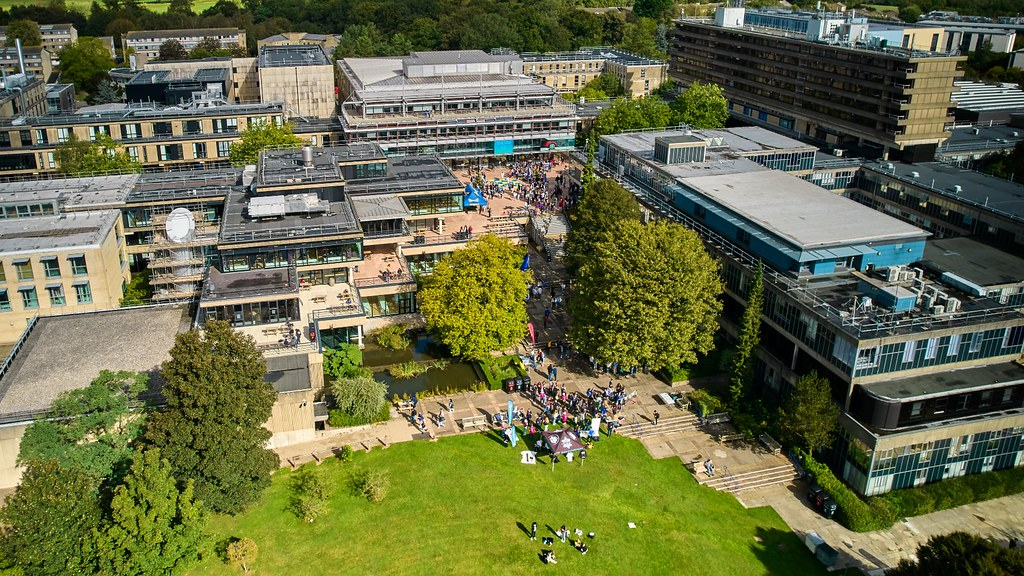
The University of Bath, granted its Royal Charter in 1966, has grown into one of the UK’s top 10 universities, known for its excellence in both teaching and research. Located in the picturesque UNESCO World Heritage city of Bath, the university offers a vibrant campus experience amidst rich history and culture.
With a wide range of undergraduate and postgraduate programmes across the Faculty of Engineering & Design, Faculty of Humanities & Social Sciences, Faculty of Science, and the School of Management, students benefit from world-class academic opportunities. The university’s strong research culture is powered by cross-disciplinary collaboration, making it a hub of innovation and global impact.
University of Strathclyde
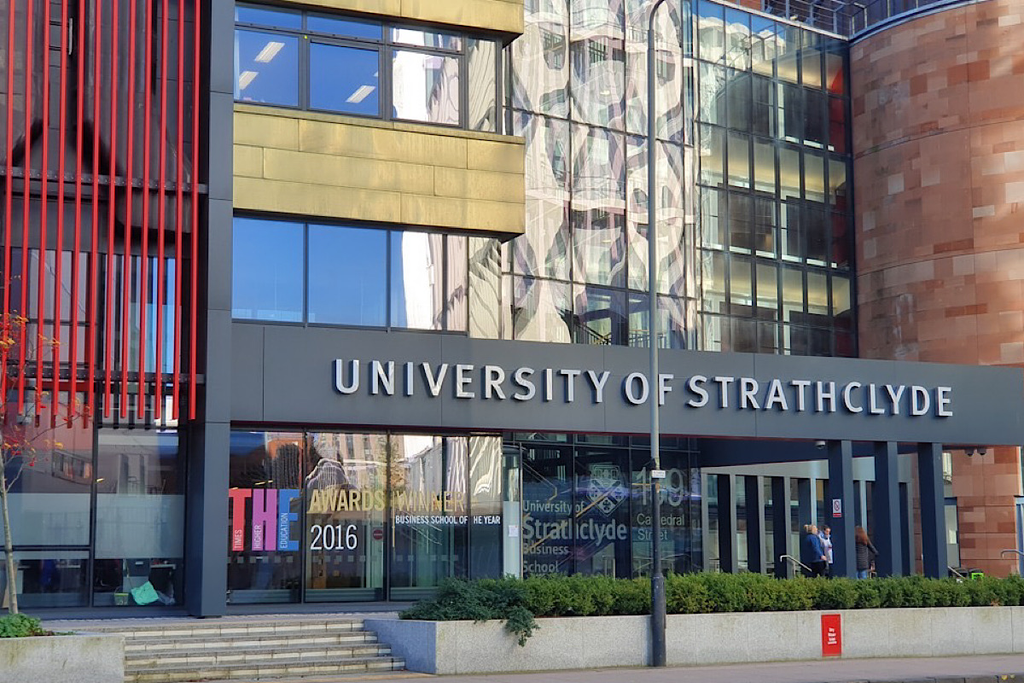
Founded in 1796, the University of Strathclyde is a leading international technological university located in the heart of Glasgow, Scotland. With a strong focus on innovation, research, and employability, the university offers a wide range of undergraduate and postgraduate programmes across disciplines, welcoming students from more than 100 countries.
Known for its commitment to useful learning and impactful research, the University of Strathclyde brings together academic excellence, industry collaboration, and real-world experience.
Its strong links with businesses, organisations, and professional bodies provide students with opportunities to develop practical skills and prepare for successful careers. With a vibrant campus community and a reputation for research that addresses real-world challenges, Strathclyde offers an engaging environment for students looking to study in the UK.
University of Bristol
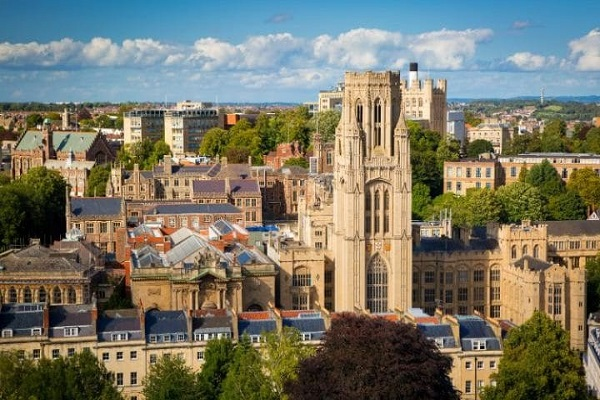
Established in 1876, the University of Bristol is a prestigious research-intensive university located in the vibrant city of Bristol, UK. With a diverse community of students and academics from around the world, the university offers a broad range of undergraduate and postgraduate programmes across disciplines, combining academic excellence with an emphasis on innovation and independent thinking.
Renowned for its strong research culture and commitment to addressing global challenges, the University of Bristol provides students with opportunities to learn from leading academics and engage with research that creates real-world impact. Its close connections with industry, businesses, and professional organisations further support students in developing valuable skills and gaining experiences that can help prepare them for successful careers.
University College London
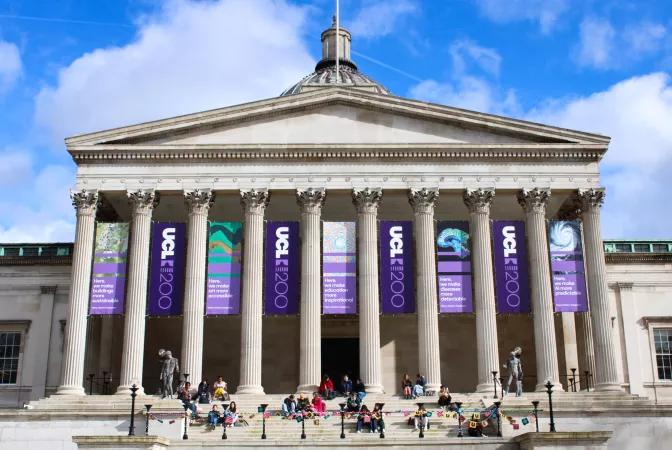
Founded in 1826, University College London stands as a global leader in multidisciplinary education and research, right in the heart of London. Offering over 400 undergraduate and more than 650 graduate programmes, UCL attracts a diverse student body of over 51,000 from over 150 countries.
With a global reputation for nurturing audacious, bold thinkers and trend-setter innovators, UCL ranks 2nd in the UK for research power and 1st in London (REF 2021). As London’s research powerhouse, UCL is deeply committed to transforming lives and shaping a better future through academic excellence and impactful discoveries.
Loughborough University
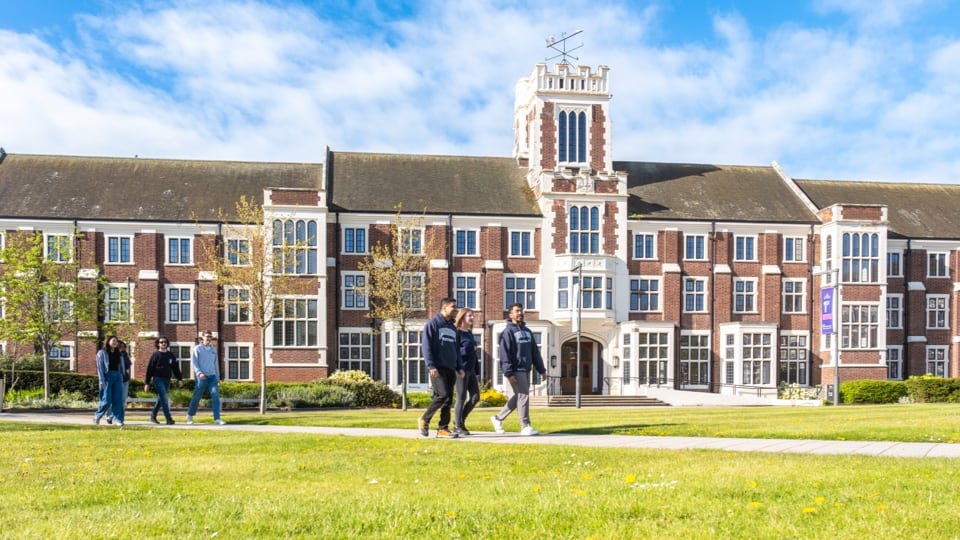
Its award-winning student experience is complemented by a stunning 523-acre campus featuring world-class teaching and research facilities. The university’s London campus caters exclusively to forward-thinking postgraduate students and researchers, driving innovation and impact across industries and society.
Best Engineering Universities in the UK
UK universities are globally renowned for their engineering courses, offering a dynamic curriculum that blends theoretical depth with hands-on, practice-based learning. Taught by experienced faculty who are often leading researchers in their fields, these programmes ensure students gain real-world skills and innovative thinking.
With strong ties to industry and access to cutting-edge research facilities, students benefit from internships, live projects, and collaborations with global tech giants. This unique blend of academic excellence and industry integration gives UK engineering education a competitive edge unmatched by any other country.
Top 10 UK Universities for Engineering courses (QS World University Rankings by Subject 2026 Engineering & Technology)
- University of Oxford
- University of Cambridge
- Imperial College London
- University College London
- University of Manchester
- University of Edinburgh
- University of Sheffield
- University of Leeds
- University of Bristol
- University of Nottingham
Best Business & Management Universities in the UK
UK universities are celebrated worldwide for their business courses, offering a robust curriculum designed to mirror the ever-evolving global business landscape. Taught by industry-experienced faculty and leading researchers, these programmes combine academic theory with practical learning through case studies, simulations, and real-world projects.
Students gain direct exposure to global business practices, often collaborating with top companies and start-ups. This immersive approach, rooted in innovation and research excellence, makes UK business education truly world-class and future-ready.
Top 10 UK Universities for Business Management courses (The Times and Sunday Times Good University Guide 2027):

- University of Oxford
- London School of Economics
- University of Warwick
- University of St Andrews
- University of Strathclyde
- University of Bath
- University College London
- King’s College London
- University of Edinburgh
- University of Leeds
- Loughborough University
Best Law & Legal Studies Universities in the UK
For the law and legal studies courses, UK Universities are celebrated worldwide for offering a curriculum deeply rooted in the British legal system, the very foundation of Indian law. Students benefit from expert faculty, many of whom are leading legal scholars and practitioners, and engage in practical learning through real-life case studies, moot courts, Pro Bono work, and legal research projects.
The exposure to courtroom environments and legal clinics sharpens their practical skills, argumentative skills, and critical thinking. Degrees from UK law schools are widely recognised and accepted by the Bar Council of India, making them a powerful stepping stone for aspiring Indian legal professionals.
Top 10 UK Universities for Law and Legal Studies courses (The Times and Sunday Times Good University Guide 2027):
- University of Cambridge
- University of Glasgow
- University of Edinburgh
- Durham University
- University College London
- University of Strathclyde
- London School of Economics
- University of Dundee
- University of Oxford
- University of Aberdeen
Top Cities to Study in the UK
According to the QS Best Student Cities 2025, the top 10 cities for students in the UK are: London, Edinburgh, Manchester, Glasgow, Newcastle Upon Tyne, Coventry, Bristol, Birmingham, Nottingham, Leeds, and Liverpool.
London
London is home to some of the world’s top universities, offering a dynamic academic environment backed by global research and innovation. Besides being an epicentre of global industries, giving career-defining experiences, as a cultural melting pot, it offers unmatched exposure through historic landmarks like Buckingham Palace, Big Ben and the Tower of London, its West End Theatre, museums and art galleries, cultural events and festivals.
Edinburgh
Studying in Edinburgh means learning at world-class institutions in a city steeped in history, architecture, and intellectual tradition. It’s UNESCO World Heritage Sites, castles like the historic Royal Mile, a culinary & vibrant arts scene, annual festivals like Edinburgh Festival Fringe, and a vibrant international community provide rich cultural experiences and global perspectives.
Manchester
Manchester, the city of the Industrial Revolution, blends academic excellence with a progressive urban lifestyle, making it ideal for students seeking both rigorous education and a lively city experience. Known for its business landscape, innovation and technological advancement, along with museums and strong links to media, business, and tech industries, it offers real-world exposure and global career opportunities.
Glasgow
Glasgow’s universities are known for their innovative teaching and inclusive environment, making it a top choice for international students. The UNESCO City of Music, Glasgow, boasts its heritage of Gaelic and Scots and thrives on music, art, theatre and culture, giving students an immersive and multicultural living experience.
Newcastle Upon Tyne
Newcastle offers top-tier education and a friendly, student-centred atmosphere. Known for its iconic bridges like High Level Bridge, Swing Bridge, and the Tyne Bridge, and Geordie culture, Newcastle boasts a lively arts and cultural scene, theatres and cultural festivals. Its compact size and entrepreneurial ecosystem provide global exposure in a close-knit setting.
Coventry
Coventry, a culturally attractive, vibrant city of medieval history and Two Tone music, with its multicultural vibe, Music Museum, Nature & Wildlife Areas, and festivals like Godiva, students enjoy an amicable cultural experience. The city accommodates high-ranking universities with practical, future-focused learning, and its proximity to business hubs helps students get equipped with a globally relevant education and practical exposure.
Bristol
Bristol, with world-ranking universities, stands out for academic excellence, particularly in research and innovation, alongside a thriving student life. Bristol, famous for the street artist Banksy, creative industries, with murals and graffiti, visual landscapes, neighbourhood places and green initiatives, makes it an inspiring place for global thinkers.
Birmingham
As the UK’s second-largest city, Birmingham offers diverse educational opportunities and a vibrant multicultural student population. It’s a major hub for finance, law, and industry, providing valuable exposure to international business environments. Also, famous for its curry houses and culinary scene, especially the Balti Triangle, and its heritage, museums, waterways, historical buildings and much more, Birmingham has plenty to offer to explore for inquisitive students.
Nottingham
Nottingham, the home of the legendary Robin Hood, delivers high-quality education in a city known for innovation and sustainability. The city’s welcoming community and strong international ties foster a globally aware student experience. The Nottingham Castle, the Sherwood Forest, and associated attractions like the Robin Hood Festival, theatre, museums, and sports, specifically cricket, tennis and water sports, make it a perfect city for enthusiasts.
Leeds
Leeds is a major academic centre with a strong commercial and financial setting with industry connections, particularly in finance, media, and law. Its multicultural makeup and energetic cityscape give students a well-rounded global education. The city is famous for its arts, culture and artistic expressions. Its tourist spots, festivals like Light Night, Caribbean carnival, beer festival, the Leeds West Indian Carnival and the Leeds Mela, a thriving food scene, and street art make it a fantastic place to live, study and explore.
Top Courses in the UK
The UK boasts a world-renowned education system offering a wide array of high-quality courses tailored to meet global industry standards. With cutting-edge curriculum, expert faculty, and an emphasis on research and hands-on learning, UK universities are particularly strong in business, engineering, law, medicine, data science, fashion and creative arts. Indian students are especially drawn to the UK for its globally respected degrees, multicultural campuses, and strong post-study work opportunities.
The top courses offered by UK Universities that are popular among international students are:
- MBA and MiM (Master’s in Management)
- Business Analytics
- Data Science
- Law
- Psychology
- Computer Science
- Medicine
- Engineering and Technology
- Architecture and Construction Management
- Sports Science
- Sociology
- Economics
- Adult Nursing
- Fashion
- Media and Communication
Admission Requirements in UK
UK universities are world-renowned for their prestigious programs, rigorous academic standards, and global reputation for excellence. As a result, gaining admission requires careful attention to the application process and specific entry criteria. Applicants for Undergraduate courses must apply through the UCAS platform, while aspirants for postgraduate courses typically apply directly to their chosen universities. Below are the common admission requirements; however, students are strongly encouraged to check individual university websites for precise and updated criteria.
1. Academic Requirements:
| Level of Study | Typical Academic Qualification Requirement |
| Undergraduate Degree | A-level Entry Requirements: AAA-ABBInternational Baccalaureate (IB)- Minimum 32 points with 655 HL.CBSE/ISC Standard XII- Minimum 80-95% overall score |
| Master’s Degree | A 2:2 degree or equivalent in a relevant discipline |
| PhD | A minimum of a 2:1 in a relevant degree |
2. English Language Proficiency Requirement:
IELTS: Minimum Overall 6.5 with no less than 6 in any element.
For top-notch UK universities, the requirement may exceed 7 overall with no less than 6.5 in any element.
Some UK universities may accept 6 overall with no less than 5.5 in any element.
TOEFL iBT: 92–120
Typical Admission Requirements for UK Universities:
- Academic Transcripts:
For undergraduate programs, students must have completed high school or equivalent qualifications, such as the All India Senior School Certificate (Class XII).
For postgraduate courses, a 3 to 4-year bachelor’s degree in a relevant field from a recognised institution is generally required.
- Work Experience (Postgraduate):
While not always mandatory, 2–3 years of professional work experience may be preferred or required, especially for MBA or executive-level programs.
- Additional Course-Specific Requirements:
Applicants to creative programs like art, design, music, or architecture may need to submit a portfolio or design samples as part of their application.
- Standardised Test Scores (If Applicable):
Some competitive courses, particularly in business or finance, may ask for GMAT scores ranging from 650–700. GRE may also be accepted, depending on the program.
5. General Documentation (UG & PG):
- · Valid Passport: Must be valid for at least six months beyond your intended stay.
- · Application: Via UCAS for undergraduates, direct application for postgraduates.
- · Personal Statement: A focused essay explaining your motivation, goals, and suitability for the course.
- · Letters of Recommendation: Typically 1–2 references from academic or professional contacts.
- · Proof of Finances: Bank statements or sponsor letters showing you can cover tuition and living costs.
Applying to UK universities is a well-structured process. Planning ahead and meeting these requirements will pave the way for a successful academic journey in one of the world’s most esteemed education systems.
Cost of Studying in UK

Studying in the UK offers world-class education, but it’s important to understand the costs involved so you can plan your finances smartly. Tuition fees in the UK vary widely depending on the type of qualification, the university, location and the subject you choose. Courses in fields like humanities, education, and the arts are generally more affordable, while programs in medicine, engineering, business, and law tend to be more expensive.
For undergraduate degrees, international students can expect to pay anywhere between £13,000 to £30,000 per year, with top-tier institutions charging higher amounts.
Postgraduate master’s programs generally fall within the same range £14,000 to £40,000 per year, although some specialist courses may cost more. Doctoral programs typically cost between £15,000 and £24,000 per year, although many PhD students benefit from fully funded studentships, scholarships, or research grants that cover most or all of their tuition and living costs.
If you’re considering an MBA or a professional degree like medicine, be prepared for significantly higher fees, often exceeding £30,000 per year, depending on the institution.
Despite the costs, the UK’s strong academic reputation, global recognition, and high graduate employability rates make it a worthwhile investment. Furthermore, a wide array of scholarships, bursaries, and financial aid options are available to help ease the burden. Therefore, it is essential to explore these opportunities early in your application process.
Cost of Living in UK

The cost of living in the UK for international students, including those from India, depends greatly on your choice of city, location, lifestyle, and accommodation type.
A minimum monthly budget for international students to ensure a comfortable stay:
- £1,570 per month if studying in London
- £1,203 per month if studying outside London
Indian Students typically spend around INR 60,000–80,000 per month on rent, INR 12,000–20,000 on meals, and INR 3,000–5,000 on stationery and books. Major cities like London, Manchester, and Edinburgh generally have higher living expenses, particularly for accommodation and transport, compared to more affordable student cities like Nottingham, Cardiff, or Coventry.
Several factors influence living costs, including location, housing choices, personal spending habits, and transportation needs. On average, monthly costs can include:
- £465–£655 for rent
- £95–£185 for food
- £26–£36 for a travel pass
£480 for other personal expenses. Opting for university-managed accommodation or living in smaller towns can significantly reduce costs. The UK offers student discounts on public transport, especially in London. Using student travel cards such as the 18+ Oyster Card can reduce travel costs by up to 30%.
Budgeting wisely and planning ahead will help you manage your finances effectively and enjoy your student life in the UK without financial stress.
Student Visa in UK
To study in the UK, Indian students must apply for the Student Visa (previously Tier 4 Visa). This visa allows you to stay in the UK for the duration of your course, with additional time granted for pre- and post-study preparation, depending on the program length.
Visa Application Fee & Requirements
Applying for a UK Student Visa comes with a fee of £558 (approximately INR 72,000). Along with your application, you need to provide proof of:
- Sufficient funds to pay any outstanding tuition fees for the first year
- Living expenses of up to £1,570/month (London) or £1,203/month (outside London) for nine months, as per UKVI rules
- A valid Confirmation of Acceptance for Studies (CAS) from your UK university
These financial documents are vital to prove you can support yourself while studying in the UK.
Immigration Health Surcharge (IHS)
As part of your visa application, you must pay the Immigration Health Surcharge (IHS), essentially your student health insurance. This costs £1035 per year (around INR 87,000) and gives you full access to the UK’s National Health Service (NHS). With this, you’re covered for doctor visits, emergency care, hospital treatment, mental health support, and more without worrying about out-of-pocket medical bills.
Quick Recap of Costs Before You Fly:
- Visa Application Fee: £524 (INR 59,000 approx.)
- Health Insurance (IHS): £776/year (INR 131,400 approx.)
- Proof of Funds: Tuition plus 9 months of living expenses
Getting your UK Student Visa involves more than just submitting forms. It’s about demonstrating your readiness to live, learn, and thrive abroad. Make sure to plan your finances early, understand the visa rules thoroughly, and keep all documents organised for a smooth start to your UK study journey.
Scholarships in the UK
For Indian students, scholarships make their Study in the UK dream more affordable and accessible. UK universities, in collaboration with government bodies and global institutions, offer a wide range of scholarships based on merit, financial need, student background, or course specialisation.
Most scholarships are highly competitive, especially merit-based ones, and typically require an impressive academic record, a compelling Statement of Purpose (SOP), and proof of Indian citizenship. Having completed your education in English-medium institutions is often a prerequisite.
Here are some of the top scholarships Indian students can apply for:
1. Chevening Scholarship: Funded by the UK Government, this scholarship is for high-performing professionals with leadership potential. Selections are made by the British embassies and High commissions.
2. Commonwealth Scholarship and Fellowship: Designed for students from Commonwealth countries, this scholarship supports postgraduate education in various UK universities.
3. GREAT Scholarship: A collaboration between the British Council and the UK Government, it offers 99 scholarships across 36 universities, including 13 scholarships exclusively for Indian students.
4. Charles Wallace India Trust Scholarships (CWIT): This grant supports Indian students in fields like arts, humanities, and heritage conservation, especially those in the early or mid-career stage.
5. Scotland Saltire Scholarships: Offered by the Scottish Government, this program funds studies in science, technology, healthcare, and renewable energy at participating Scottish universities.
With these opportunities, Indian students can reduce financial stress and focus on achieving academic excellence in a global environment. Research each scholarship carefully and apply early to maximise your chances!
Studying in the UK is about gaining global exposure, practical skills, and life experiences that shape your future. More than just attending a top university and getting a degree. The good news? You can work part-time, up to 20 hours per week during term time, and full-time during holidays, giving you a golden chance to earn while you learn. Just keep in mind, once you start earning, you’ll need to toe the line with UK tax and national insurance obligations.
If you’ve set your sights on a UK degree, take the first step toward your dream now. With world-class education, scholarship opportunities, and the freedom to gain valuable work experience, the UK truly opens doors that lead to endless possibilities.
Book a free counselling session with ScholarshipKart today to kickstart your UK journey and let us help you turn your study ambitions into real-world achievements. Don’t wait for an opportunity to knock, build the door yourself!
Some of the top universities in the UK include the University of St Andrews, London School of Economics and Political Science, Imperial College London, University of Cambridge, University of Oxford, Durham University, University of Warwick, University of Bath, University of Strathclyde, University of Bristol, University College London, and Loughborough University.
The UK offers globally recognised education, a wide range of courses, shorter degree durations, research opportunities, multicultural learning environments, and opportunities to gain work experience while studying.
The UK has several types of universities, including Ancient universities, Red Brick universities, Plate-Glass universities, Metropolitan universities, and Russell Group universities.
Requirements vary by university and course. Common requirements include academic qualifications, English language proficiency, academic transcripts, a valid passport, personal statement, references, and proof of finances.
A common IELTS requirement is an overall score of 6.5 with no less than 6 in each element. Some universities and courses may require higher scores, while others may accept an overall 6.0 with minimum 5.5 in each element.
According to the provided content, undergraduate tuition fees generally range from £13,000 to £30,000 per year, while postgraduate master’s programs generally range from £14,000 to £40,000 per year. Fees vary by university, course, and qualification.