
Studying medicine in the UK can be a life-changing decision. From internationally recognised medical qualifications and advanced research facilities to hands-on clinical training in leading hospitals, the country offers an excellent environment for aspiring doctors. But with so many prestigious universities to choose from, how do you decide which medical school is the right fit for your ambitions?

Whether you are an Indian student planning to pursue an undergraduate MBBS-equivalent degree or an aspiring medical professional exploring postgraduate opportunities, choosing the right university is an important first step. The UK is home to some of the world’s most respected medical institutions, including the University of Oxford, the University of Cambridge, University College London and Imperial College London.
These universities combine academic excellence with practical medical education, helping students develop the scientific knowledge, clinical confidence and professional skills needed to succeed in healthcare.
Let’s explore the universities that could shape your future in medicine!
Ready to pursue your dream of becoming a doctor? Let ScholarshipKart help you get started. Connect with our experienced counsellors to explore the top medical schools in the UK and find the right university to kick-start your medical career! Also, know further about applying to a medicine program in the UK without UKCAT.
Top 10 Medical Schools in the UK for International Students
The UK has several prestigious medical universities offering undergraduate and postgraduate programmes in medicine. While some universities are particularly recognised for medical research, others stand out for their clinical training, teaching hospitals and innovative course structures.
The following universities are featured in the QS World University Rankings by Subject 2026: Medicine. The positions below are global subject-ranking positions, not overall university rankings.
QS World University Rankings 2026: Top UK Medical Universities
| University | Global QS Medicine Rank 2026 |
| University of Oxford | 2 |
| University of Cambridge | 5 |
| University College London (UCL) | 6 |
| Imperial College London | 7 |
| King’s College London | 11 |
| University of Edinburgh | 22 |
| University of Manchester | 26 |
| University of Glasgow | 41 |
| Queen Mary University of London | 62 |
| University of Liverpool | 78 |
Let’s take a closer look at what makes each of these medical schools worth considering.
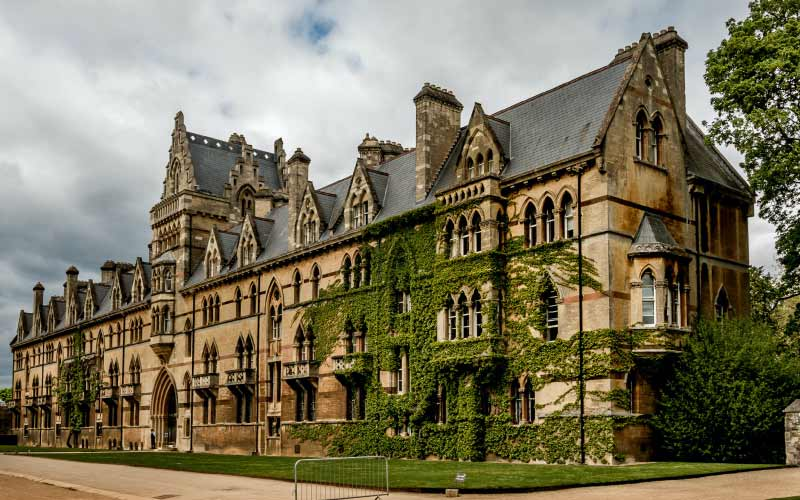
1. University of Oxford – A Leading Destination for Medical Education
- Popular medical programme: BM BCh Medicine.
- Course duration: 6 years in total.
- Admission requirements:
- A-levels: A*AA, including Chemistry and another science or Mathematics subject, subject to the current course requirements.
- International Baccalaureate: 39 points, with the required Higher Level subjects.
- IELTS: Typically 7.5 overall, with minimum component requirements.
- International tuition fee: Approximately £52,360 annually for the earlier pre-clinical fee estimate; clinical-year fees can be higher.
The University of Oxford is among the most prestigious academic institutions in the world. Its Medical Sciences Division has an outstanding reputation for research, scientific innovation and medical education.
If you enjoy understanding the science behind diseases and want to develop a strong foundation in biomedical research, Oxford deserves your attention.
The university’s undergraduate medical programme follows a structured approach, with an emphasis on scientific principles during the early stages and clinical training in the later years.
The first three years focus on pre-clinical education, while the following three years provide clinical experience and opportunities to apply your knowledge in healthcare settings.
Students can also explore different biomedical subjects and research opportunities as their interests develop.
Oxford is an excellent choice if you want a research-intensive medical education, strong academic supervision and opportunities to explore advanced biomedical sciences.
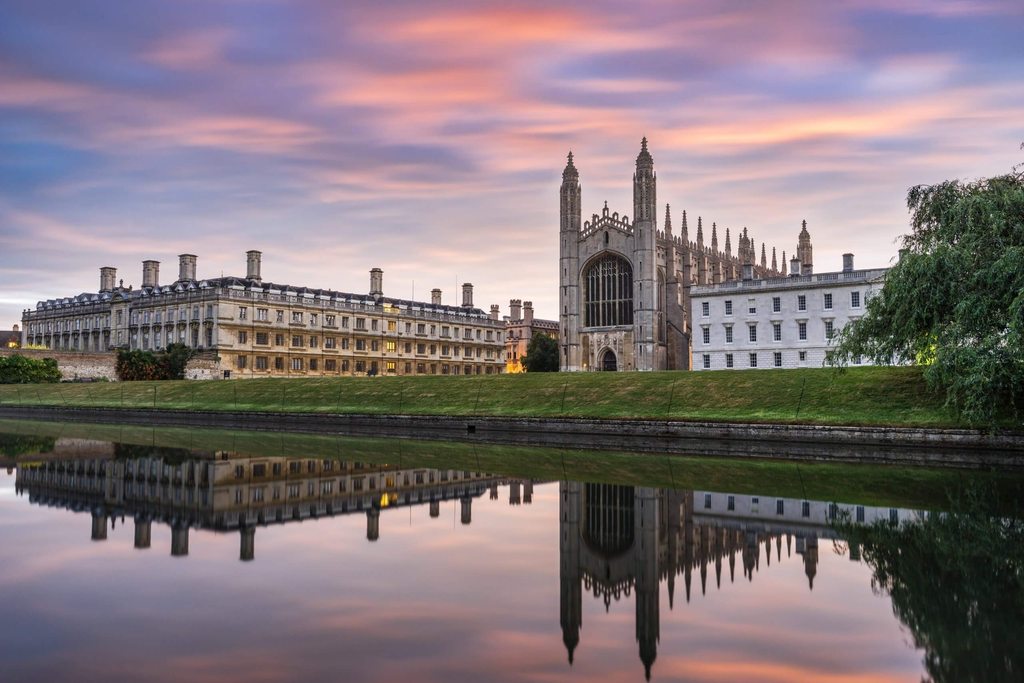
2. University of Cambridge – Develop Strong Scientific and Clinical Foundations
- Popular medical programme: MB, BChir Medicine (Standard Course).
- Course duration: 6 years.
Admission requirements:
- A-levels: Typically AAA.
- International Baccalaureate: Typically 41–42 points, with strong Higher Level grades.
UCAT examination.
- IELTS: Typically 7.5 overall, subject to individual component requirements.
- International tuition fee: Approximately £70,554 per year. Clinical-year fees can be higher.
The University of Cambridge is another outstanding destination for students interested in studying medicine in the UK. Its medical programme is particularly attractive to students who enjoy scientific learning, academic exploration and evidence-based medicine.
The six-year Standard Course in Medicine combines pre-clinical education with clinical experience. During the initial years, students develop an understanding of anatomy, physiology, pathology and the scientific foundations of healthcare.
Cambridge also offers extensive practical learning opportunities, including anatomical study and dissection.
During the later years, students gain experience in clinical environments, including hospitals and general practices, where they learn to apply their scientific knowledge to patient care.
Choose Cambridge if you are interested in a science-led medical curriculum, research opportunities and extensive academic training alongside clinical development.
3. University College London (UCL) – Excellent for Medical Research and Innovation

- Popular medical programme: Medicine MBBS BSc.
- Course duration: 6 years for the standard programme.
- Admission requirements:
- A-levels: Typically A*AA, including Chemistry and Biology.
- International Baccalaureate: Typically 39 points, subject to Higher Level requirements.
UCAT examination.
- IELTS: Usually 7.5 overall, with programme-specific minimum component scores.
- International tuition fee: Approximately £59,600 per year. Clinical-year fees can be higher.
If you want to study medicine in London while enjoying access to a major research and healthcare environment, University College London (UCL) is an excellent option.
UCL’s medical education combines scientific knowledge, clinical experience and professional development. Its MBBS programme follows an integrated structure that introduces students to the scientific and clinical aspects of medicine.
The standard programme includes an intercalated BSc, giving students an opportunity to explore a particular subject in greater academic depth.
You can also investigate research-focused opportunities, including the MBPhD pathway, which combines medical education with doctoral-level research.
UCL is particularly suitable if you want to combine clinical education with research, innovation and exposure to London’s extensive healthcare network.
4. Imperial College London – Study Medicine at a Research-Focused University

- Popular medical programme: Medicine MBBS/BSc.
- Course duration: 6 years.
- Admission requirements:
- A-levels: Typically A*AA, including Chemistry and Biology.
- International Baccalaureate: Strong Higher Level science grades and the required overall score.
UCAT examination.
- IELTS: Usually 7.0 overall, subject to individual component requirements.
- International tuition fee: Approximately £61,550 per year. Clinical-year fees can be higher.
Imperial College London is widely recognised for its strengths in science, technology, engineering and medicine.
Its medical school provides an academically challenging environment where students can explore the relationship between scientific discoveries and clinical practice.
The undergraduate Medicine MBBS/BSc programme combines medical science, clinical training and research-oriented learning. Students gain opportunities to develop their understanding of human health and disease while building the professional skills required for patient care.
Imperial’s London location also provides access to a large healthcare and medical research ecosystem.
Imperial is worth considering if you are interested in medical innovation, scientific research, advanced healthcare technologies and clinical education.
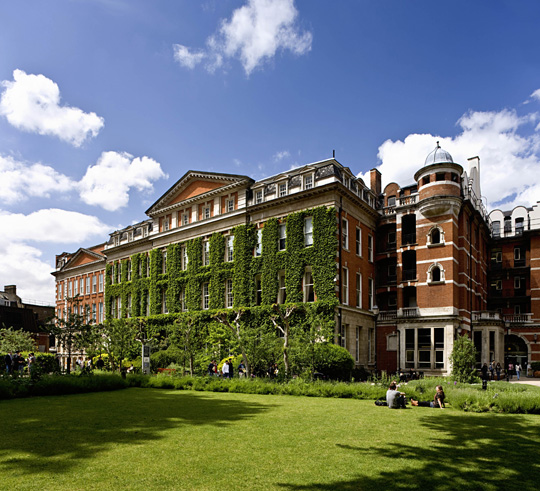
5. King’s College London – A Strong Choice for Clinical Medicine
- Popular medical programme: Medicine MBBS.
- Course duration: 5 years, with an optional intercalated year.
- Admission requirements:
- A-levels: A*AA, including Biology and Chemistry.
- International Baccalaureate: Typically 38 points.
UCAT examination.
- IELTS: 7.0 overall, with at least 6.5 in each component.
- International tuition fee: Approximately £60,200 per year. Clinical-year fees can be higher.
King’s College London is one of London’s established institutions for medical education.
Its Medicine MBBS programme is designed to help students develop a strong understanding of biomedical sciences, clinical practice and patient-centred healthcare.
The programme is divided into three main stages.
– Stage 1: Develops foundational knowledge of biomedical and population sciences.
– Stage 2: Integrates scientific concepts with clinical practice and common medical conditions.
– Stage 3: Focuses on preparing students for future clinical practice, including elective opportunities.
Students can also consider an optional intercalated BSc, allowing them to explore an area of academic interest in greater depth.
King’s is an attractive option if you want a London-based medical education with opportunities for clinical exposure, research and interdisciplinary learning.
6. University of Edinburgh – Combine Clinical Education with Medical Research

- Popular medical programme: MBChB Medicine.
- Course duration: 6 years.
- Admission requirements:
- A-levels: Typically A*AA, including the required science subjects.
- International Baccalaureate: Typically 40 points.
UCAT examination.
IELTS: Typically 7.5 overall, subject to component requirements.
International tuition fee: Approximately £59,700 annually. Clinical-year fees can be higher.
The University of Edinburgh is a leading destination for students interested in medical education and scientific research. Its Edinburgh Medical School offers an MBChB programme that combines academic learning with clinical placements and practical skills development.
An interesting feature of the programme is its emphasis on research-based education. Students have opportunities to develop their understanding of biomedical sciences and evidence-based medicine.
The programme includes clinical placements in teaching hospitals, general practices and other healthcare settings across Scotland.
Students also undertake a research-based academic year, allowing them to gain additional scientific knowledge and research experience.
Edinburgh is a strong option if you want a combination of clinical learning, research opportunities and a vibrant student environment in Scotland.
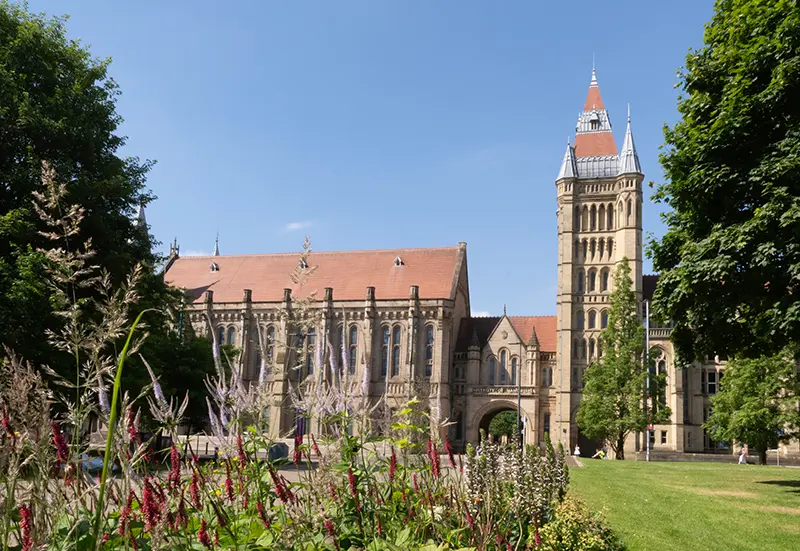
7. University of Manchester – Learn Through Integrated Medical Training
- Popular medical programme: MBChB Medicine.
- Course duration: 5 years.
- Admission requirements:
- A-levels: AAA, including the required combination of Chemistry, Biology or another accepted science subject.
- International Baccalaureate: Typically 36 points.
UCAT examination.
- IELTS: 7.0 overall, with no component below 6.5.
- International tuition fee: Approximately £39,900 for the pre-clinical years. Clinical-year fees are higher and should be checked separately.
The University of Manchester offers a well-established medical programme designed to prepare students for the professional responsibilities of a doctor.
Its MBChB course combines academic teaching, practical activities and clinical placements to develop students’ medical knowledge and professional behaviours.
Students learn through a combination of lectures, practical classes, team-based learning, anatomy teaching and clinical experience.
Another advantage is the opportunity to explore an intercalated degree. Depending on eligibility and course structure, you may be able to complete an additional BSc, master’s degree or research qualification.
Manchester is worth considering if you prefer a combination of structured academic teaching, practical clinical learning and opportunities to explore additional academic interests.
8. University of Glasgow – Experience a Practical and Integrated Medical Curriculum

- Popular medical programme: Medicine MBChB.
- Course duration: 5 years.
- Admission requirements:
- A-levels: Typically AAA, including the required science subjects.
- International Baccalaureate: Typically 38 points.
UCAT examination.
- IELTS: Usually 7.0 overall, subject to component requirements.
- International tuition fee: Approximately £67,112 per year; clinical-year fees can be higher.
The University of Glasgow is another excellent option for students considering medical schools in Scotland.
Its MBChB programme follows a spiral curriculum, meaning students revisit important medical subjects at different stages of their education. This approach allows them to gradually deepen their understanding of medical concepts.
The course includes different teaching methods, such as lectures, laboratory activities, small-group sessions, problem-based learning and clinical studies. Students also gain exposure to healthcare environments across the West of Scotland, including major teaching hospitals and clinical skills facilities.
Glasgow is a suitable choice if you value integrated teaching, practical medical learning and clinical experience in a major Scottish healthcare environment.
9. Queen Mary University of London – Gain Early Clinical Exposure
- Popular medical programme: Medicine MBBS.
- Course duration: 5 years.
- Admission requirements:
- A-levels: Typically A*AA, including Chemistry or Biology and another accepted science subject.
- International Baccalaureate: Typically 37 points.
UCAT examination.
- IELTS: Typically 7.0 overall, with individual component requirements.
- International tuition fee: Approximately £53,950 per year. Clinical-year fees can be higher.
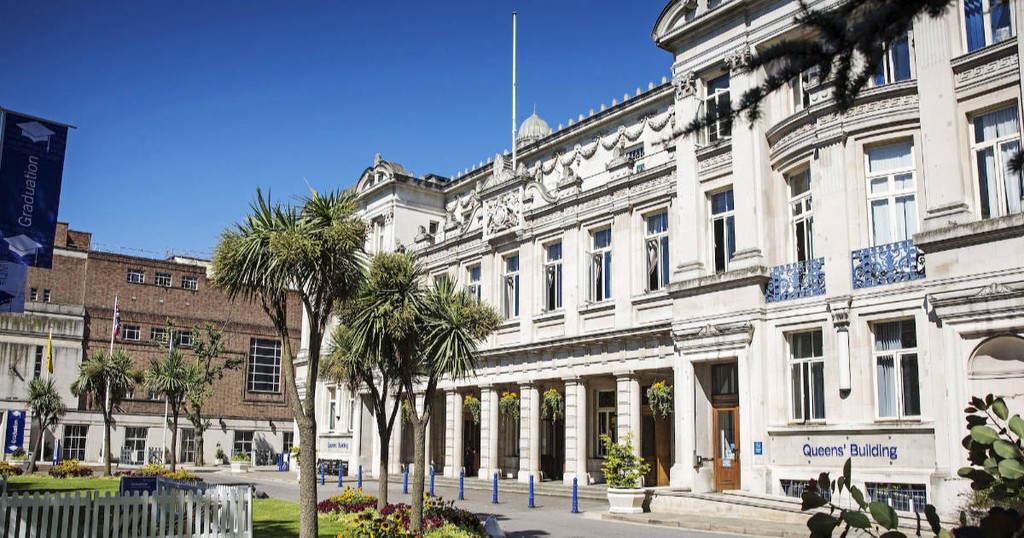
Queen Mary University of London is home to Barts and The London School of Medicine and Dentistry, an established institution with a long history of medical education.
Its five-year MBBS programme is designed to integrate scientific knowledge with clinical learning.
One of its attractive features is the opportunity to engage with patients and clinical settings early in the programme. This helps students understand the practical responsibilities of healthcare professionals while developing their academic knowledge.
The university also offers opportunities to explore intercalated degrees, allowing students to study particular medical or scientific subjects in greater depth.
Queen Mary is worth considering if you want early clinical exposure, a London location and opportunities to learn in established teaching hospital environments.
10. University of Liverpool – Develop Clinical Skills Through Patient-Centred Learning
- Popular medical programme: MBChB Medicine and Surgery.
- Course duration: 5 years.
- Admission requirements:
- A-levels: Typically AAA, including Chemistry and another accepted science or Mathematics subject.
UCAT examination.
- IELTS: Typically 7.0 overall, with no component below 7.0.
- International tuition fee: Approximately £51,500 per year. Clinical-year fees can be higher.
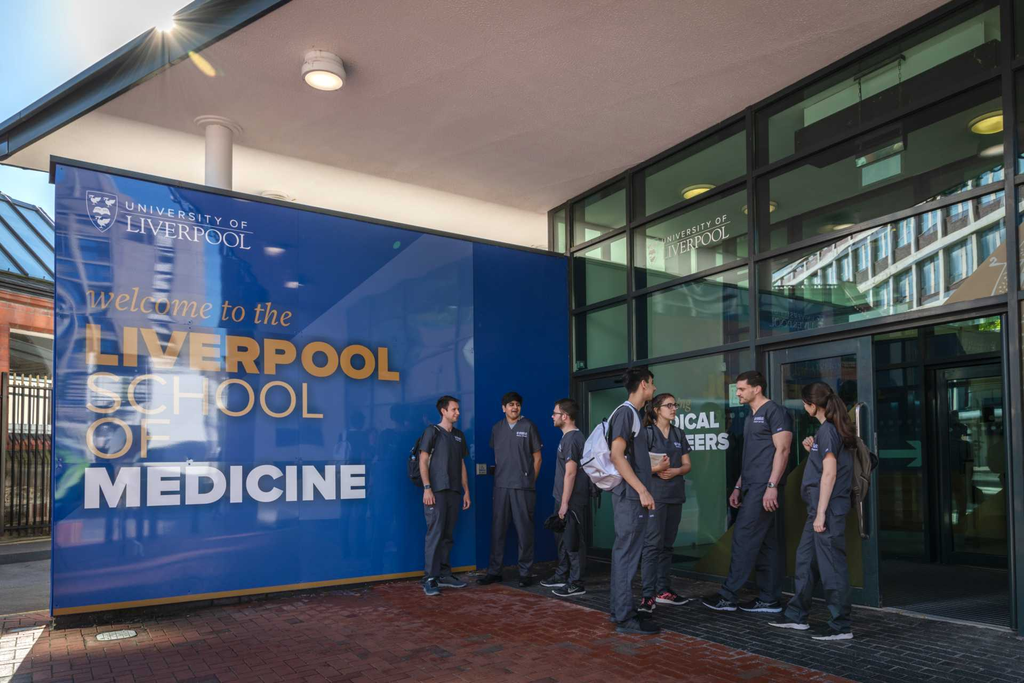
The University of Liverpool is another recognised destination for students interested in pursuing an undergraduate medical degree.
Its MBChB Medicine and Surgery programme focuses on developing the scientific knowledge, clinical competence and professional values needed to become a doctor. The programme follows a spiral curriculum, allowing students to revisit important subjects while progressing towards more advanced clinical learning.
From the second year onwards, students undertake extensive clinical placements across hospital and community settings. These experiences help them understand patient care in different healthcare environments. The university also provides opportunities for students to explore research-related learning and develop their professional skills.
Liverpool is a good option if you prefer a patient-centred curriculum, structured clinical placements and opportunities to develop practical medical skills.
Why Should You Study Medicine in the UK? 10 Reasons to Consider

Have you always imagined yourself working in a well-equipped hospital, helping patients and contributing to medical research? If becoming a doctor is your dream, studying medicine in the UK could be an excellent way to turn that ambition into reality.
The UK offers much more than a prestigious medical degree. You get the opportunity to learn from experienced academics, interact with patients during clinical placements and explore different areas of healthcare. Moreover, its multicultural environment makes it an attractive destination for students coming from India and other countries.
Still wondering whether the UK is the right destination for your medical education? Here are some compelling reasons to consider.
1. Internationally Recognised Medical Qualifications
UK medical schools are respected for their academic standards, research contributions and structured medical education. A medical qualification from a recognised UK university can provide a strong foundation for your professional journey.
It can also open doors to further education, medical research and licensing opportunities in different countries, subject to their individual registration requirements.
2. Early Clinical Exposure and Practical Learning
One of the biggest advantages of studying medicine in the UK is the emphasis on practical experience.
Rather than spending your entire degree studying textbooks, you will have opportunities to observe clinical procedures, interact with patients, attend hospital placements and develop essential communication skills.
Many universities introduce clinical learning early in their programmes, helping students understand how theoretical knowledge translates into patient care.
3. Access to Advanced Medical Research
The UK is an excellent destination if you are interested in medical research and scientific innovation.
Universities such as Oxford, Cambridge, UCL and Imperial have strong research environments covering areas such as genetics, neuroscience, cancer research, infectious diseases and cardiovascular medicine.
You may also have opportunities to participate in research projects, laboratory activities and intercalated degree programmes.
4. Opportunities to Explore Different Medical Specialisations
Medicine is a broad field, and your interests may change as you progress through your education.
UK medical universities expose students to several clinical disciplines, including:
– Cardiology and cardiovascular medicine
– Neurology and neuroscience
– General surgery and surgical specialities
– Paediatrics and child healthcare
– Oncology and cancer research
– Psychiatry and mental health
– Obstetrics and gynaecology
– Infectious diseases and virology
– General practice and community medicine
This exposure can help you identify the medical disciplines that interest you most.
5. Scholarships and Financial Assistance
Although medical education in the UK can be expensive, you should not overlook available funding opportunities.
Some universities and external organisations offer scholarships, bursaries and financial assistance to eligible international students. Depending on the award, support may cover a portion of tuition fees or provide other financial benefits.
However, undergraduate medical scholarships for international students are relatively limited, so check the eligibility criteria carefully.
6. Multicultural Learning Environment
Moving to another country for medical education can feel overwhelming initially. Fortunately, UK universities welcome students from different cultural and academic backgrounds.
You can interact with classmates from around the world, participate in student societies and develop communication skills that are valuable in international healthcare settings.
For Indian students, this experience can also help build independence and confidence.
7. Career Opportunities Within and Outside the UK
A UK medical degree can provide a foundation for several professional pathways.
After meeting the relevant registration and licensing requirements, graduates may explore opportunities in the National Health Service (NHS), private healthcare, academic medicine, medical research and other healthcare organisations.
You can also investigate medical licensing pathways in countries such as India, Australia and other international destinations. Remember that a UK degree does not automatically grant the right to practise medicine in another country.
8. Strong Medical Infrastructure and Teaching Hospitals
Many UK medical universities work closely with established teaching hospitals, healthcare trusts and clinical institutions.
This gives students opportunities to learn in professional healthcare environments and observe how multidisciplinary teams manage different medical conditions.
Exposure to real clinical settings can help you develop practical judgement and understand the responsibilities of a medical professional.
9. Opportunities for Academic Progression
Your medical education does not have to end with an undergraduate degree.
Depending on your interests, you can explore postgraduate qualifications, research degrees, specialist training and academic opportunities.
Some medical schools also offer intercalated degrees, allowing students to study a particular scientific or healthcare subject in greater depth.
10. A Valuable International Student Experience
Studying medicine abroad is also an opportunity to grow personally.
From adapting to a new academic system to managing your finances and living independently, the experience can help you become more organised, responsible and confident.
You will also develop a global perspective on healthcare, which is increasingly valuable in today’s interconnected medical environment.
The combination of academic excellence, clinical exposure, research opportunities and international experience makes the UK an attractive destination for aspiring medical professionals.
What Should You Look for in a UK Medical School?
Choosing a medical school is a major decision, and it deserves more thought than simply looking at university rankings.
You might be attracted to Oxford because of its global reputation or prefer London because of its excellent healthcare infrastructure. Alternatively, you may want a university that offers more affordable tuition fees and a supportive student environment.
So, how do you narrow down your options?
Here are five important factors to consider before selecting a medical university in the UK.
1. Check the Medical School Entry Requirements
Medical schools have demanding admission criteria, and you should understand these before submitting your application.
Most undergraduate medicine programmes require strong academic performance in subjects such as Chemistry and Biology. Depending on the university, you may also need to demonstrate proficiency in English and achieve a competitive UCAT score.
As an Indian student, pay attention to:
– Class 12 academic requirements and accepted qualifications.
– Required subjects, particularly Biology and Chemistry.
– UCAT examination requirements.
– IELTS or other accepted English language qualifications.
– Personal statement and interview requirements.
– Any additional selection criteria for international applicants.
Remember that meeting the minimum entry requirements does not guarantee admission. Medical schools assess applications competitively, and international places can be limited.
2. Consider the University’s Location and Student Environment
The location of your university can significantly influence your experience as an international student.
For example, London offers access to major healthcare institutions, cultural attractions and extensive public transport. However, accommodation and everyday expenses can be considerably higher.
Universities in cities such as Manchester, Liverpool and Glasgow may offer different living arrangements and lifestyle options.
Consider the following:
– Availability of affordable student accommodation.
– Distance between university buildings and teaching hospitals.
– Public transport facilities.
– Student societies and international communities.
– Access to healthcare and everyday amenities.
– Overall safety and student support services.
Choose a location where you can concentrate on your education while enjoying a comfortable student life.
3. Compare Course Structure and Teaching Methods
Not all medical schools follow exactly the same teaching approach.
Some universities emphasise scientific foundations and introduce extensive clinical learning in later years. Others integrate clinical exposure into the curriculum from the beginning.
For instance, Oxford and Cambridge are known for their strong scientific foundations, while universities such as Queen Mary and Manchester provide integrated approaches to academic and clinical learning.
Before making your decision, explore:
– The balance between theoretical and practical learning.
– Clinical placement opportunities.
– Teaching hospital affiliations.
– Anatomy and laboratory facilities.
– Research opportunities.
– Intercalated degree options.
– Electives and international clinical exposure.
Your preferred learning style should play an important role in your final decision.
4. Understand Admission Competitiveness
Medicine is one of the most competitive academic disciplines in the UK.
Universities receive applications from academically strong students across the world, but the number of available international places is limited.
Instead of applying only to universities with the highest rankings, create a balanced shortlist based on your academic profile, UCAT performance and eligibility.
Also, remember that acceptance rates can differ between home and international applicants. A university’s overall acceptance rate may not accurately represent your chances as an international medical applicant.
5. Evaluate Tuition Fees and Financial Support
Medical education involves a substantial financial commitment, particularly for international students.
Apart from tuition fees, you need to budget for accommodation, groceries, transportation, books, health-related costs and visa expenses.
Compare the total cost of studying at different universities rather than considering tuition fees alone. You should also investigate scholarships, university bursaries and other funding opportunities before finalising your application.
- A useful tip: Prepare a financial plan for the entire duration of your medical degree. Remember that some universities charge different tuition fees during pre-clinical and clinical years.
Cost of Studying Medicine (MBBS) in the UK
Along with choosing the right university, it is important to understand the overall expenses involved. Your budget will generally include pre-arrival costs such as university application fees, entrance tests, visa charges, health-related fees and flight tickets.
Tuition fees for Medicine programmes are another major expense, particularly for international students, and can vary depending on the university and stage of the medical programme. For example, annual tuition fees at some UK medical schools may range from around £35,000 to over £60,000.
You will also need to account for living expenses, including accommodation, food, local transport, study materials and personal spending. Cities such as London are generally more expensive than many other UK student cities.
Overall, preparing a realistic budget in advance can help you manage your finances more confidently throughout your medical studies.
Make Medical Education More Affordable with UK Scholarships
Studying medicine in the UK can be a significant financial commitment, but the good news is that several universities and organisations offer scholarships to help international students manage their expenses.
If you are planning to apply, it is worth exploring options such as the UCL Global Undergraduate Scholarship, Cambridge Commonwealth, European and International Trust awards, and Imperial Inspires Scholarships. These opportunities may offer full or partial tuition fee support, depending on the scholarship criteria and your eligibility.
You can also look into university-specific awards and external funding opportunities, but remember that not every scholarship covers medical degrees. For example, Oxford states that scholarships for overseas undergraduate Medicine students are very limited.
So, before applying, check whether the award specifically includes Medicine, whether international applicants from India are eligible, and whether it covers tuition fees, living costs, or both.
Tip: Start researching scholarships well before your application deadline, as some awards require a separate application or an invitation from the university.
Where Can a UK Medical Degree Take Your Career?
A medical degree can lead to a rewarding professional journey, but completing your studies is only one part of becoming a practising doctor. After graduation, you must meet the relevant licensing, registration and training requirements in the country where you intend to work.
For graduates pursuing a career in the UK, the NHS offers an established route into postgraduate medical training. Depending on your qualifications and eligibility, you may explore opportunities in hospital medicine, general practice, surgery, research and other healthcare disciplines.
Popular Career Options After a Medical Degree
| Career pathway | What the role involves |
| General Practitioner | Provides primary healthcare, diagnoses common conditions and manages ongoing patient care. |
| General Surgeon | Performs surgical procedures and manages patients requiring operative treatment. |
| Hospital Physician | Diagnoses and treats medical conditions across different hospital departments. |
| Psychiatrist | Assesses and treats mental health conditions. |
| Paediatrician | Provides medical care for infants, children and adolescents. |
| Cardiologist | Specialises in diagnosing and managing cardiovascular conditions. |
| Research Fellow | Participates in clinical, biomedical or healthcare research projects. |
| Academic Doctor | Combines medical practice with teaching and academic research. |
Can You Work in the NHS After Graduating?
Yes, potentially. However, you must satisfy the applicable requirements for registration with the General Medical Council (GMC).
The route generally involves obtaining an acceptable primary medical qualification, meeting the relevant GMC requirements and securing an eligible training or employment opportunity.
International graduates should understand that completing a UK medical degree does not automatically guarantee a training position or unrestricted registration.
You should also explore the current requirements for Foundation Programme applications and postgraduate medical training.
Can Indian Students Return to India After Completing MBBS in the UK?
Absolutely, returning to India is a possible career pathway. However, the National Medical Commission (NMC) has regulations governing foreign medical qualifications.
Indian and Overseas Citizen of India (OCI) candidates with foreign undergraduate medical qualifications are required to qualify the Foreign Medical Graduate Examination (FMGE), as applicable under the existing system, and complete the relevant registration and internship requirements.
NExT-related provisions and regulatory changes must also be monitored.
How ScholarshipKart Supports Your Study Abroad Journey

Planning to study abroad involves several important decisions, from choosing the right university and course to exploring scholarships, arranging finances and finding suitable accommodation. With the right guidance, students can navigate these steps with greater clarity and confidence as they prepare for an international education experience.
ScholarshipKart assists students aspiring to study in the UK by providing guidance at various stages of their study abroad journey. Its services cover key aspects of the process, including:
University and Course Selection: Identify academic programmes and universities that align with your interests, academic background and long-term career goals.
Admission Guidance: Get assistance with university applications, understanding admission requirements and keeping track of application deadlines.
Scholarship Assistance: Discover relevant scholarship opportunities and learn about eligibility requirements, application procedures and deadlines.
Student Visa Guidance: Understand student visa requirements and receive guidance on preparing the necessary supporting documents.
IELTS and PTE Preparation: Access preparation guidance to help meet English language proficiency requirements, where applicable.
Accommodation and Pre-Departure Support: Prepare for your move abroad with guidance on accommodation options, travel arrangements and other essential pre-departure considerations.
Educational Loan Guidance: Explore potential education financing options and plan your study-related expenses more effectively.
By offering support across these essential areas, ScholarshipKart helps students make informed decisions, stay organised throughout the application process and prepare for the transition to studying and living in the UK.
Conclusion
Choosing the right medical school is about finding a university that supports your ambitions, strengthens your academic knowledge and prepares you for the responsibilities of becoming a doctor.
The UK offers excellent opportunities for aspiring medical professionals, with universities such as Oxford, Cambridge, UCL, Imperial and King’s College London providing internationally respected medical education. Institutions such as Edinburgh, Manchester, Glasgow, Queen Mary and Liverpool also offer valuable opportunities for clinical learning and research.
If you are an Indian student considering this journey, start by understanding the admission requirements, comparing tuition fees and exploring available scholarships. Pay particular attention to UCAT preparation and the medical licensing requirements that may apply after graduation.
Remember, getting into a prestigious medical school is not the only measure of success. The right university is one where you can develop your abilities, gain meaningful clinical experience and work towards the kind of medical career you have always envisioned.
Your journey towards becoming a doctor begins with an informed decision. Research your options, prepare confidently and take that first step towards a rewarding future in medicine!
Take the next step towards your future in medicine! Book a Free Consultation with ScholarshipKart for expert counselling and get personalised guidance on choosing the right UK medical school and navigating the admission process.
FAQs
1. Is Studying Medicine in the UK Worth It for Indian Students?
Studying medicine in the UK can be worthwhile if you are looking for internationally recognised academic training, clinical exposure and opportunities to explore medical research.
However, you should carefully consider tuition fees, living expenses, admission competitiveness and the licensing requirements of your intended country of practice.
2. Can Indian Students Study MBBS in the UK?
Yes, Indian students can apply for undergraduate medical programmes in the UK.
They generally need strong Class 12 academic results, the required science subjects, UCAT scores and proof of English language proficiency. You should also check the university’s international admission requirements and any applicable NMC eligibility conditions.
3. How Many Years Does It Take to Complete MBBS in the UK?
Most undergraduate medical degrees in the UK take five or six years to complete. For example, the standard programmes at Oxford, Cambridge, UCL and Edinburgh generally take six years, while Manchester, Glasgow, Queen Mary and Liverpool offer five-year programmes. The exact duration depends on the university and course structure.
4. Is the UCAT Required for Medical Schools in the UK?
Yes, UCAT is an important admission requirement at many UK medical schools.
The universities featured in this guide generally use UCAT as part of their undergraduate medicine selection process. However, requirements can change, so check the current admissions policy for your intended intake.
5. What Is the Minimum IELTS Score Required for Studying Medicine in the UK?
IELTS requirements vary between universities. Many medical schools require an overall IELTS score of 7.0–7.5, along with minimum scores in individual components. For example, King’s College London generally requires 7.0 overall, with at least 6.5 in each component for its Medicine programme.
6. Are Scholarships Available for Indian Students Pursuing MBBS in the UK?
Yes, some universities and external organisations offer scholarships and financial assistance to eligible international students. However, undergraduate medical scholarships are limited compared with postgraduate funding opportunities. You should check the eligibility conditions, funding amount and course restrictions before applying.
7. Can I Practise in India After Completing MBBS in the UK?
Yes, you can explore medical registration in India after completing your UK medical degree, provided you meet the applicable NMC requirements.
Foreign medical graduates are subject to the relevant qualification, examination, internship and registration requirements. You should not assume that a UK degree automatically provides an exemption from FMGE or other applicable licensing requirements.
8. Which Is the Cheapest Medical University in the UK for International Students?
Universities such as Southampton, Birmingham, Leicester, Manchester, Queen’s University Belfast and Bristol may offer comparatively affordable options. However, studying Medicine in the UK remains expensive for international students, so compare tuition fees, living costs and scholarship opportunities before choosing a university.