
Choosing the right university is an important step towards building a successful career in art and design. Beyond academic qualifications, aspiring creatives need opportunities to experiment, develop technical expertise, collaborate with different disciplines and understand the demands of the professional world.
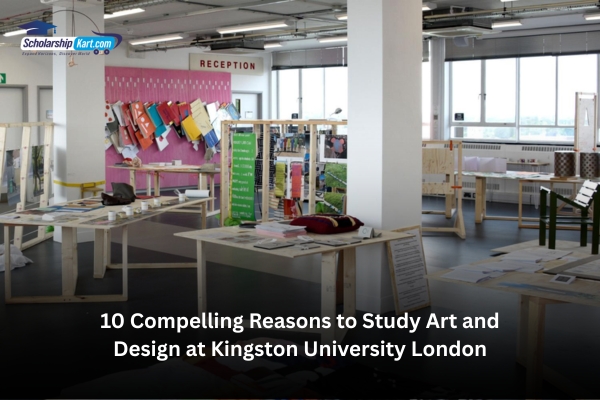
Kingston University London offers an environment where creative ambition meets practical learning, supported by specialist facilities, experienced practitioners and a strong connection to London’s cultural landscape.
Through Kingston School of Art, the university combines more than 140 years of experience in art and design education with contemporary approaches to creative practice. Its multidisciplinary learning environment encourages students to challenge conventions, develop original ideas and prepare for opportunities across the global creative industries.
Dreaming of studying Art and Design at Kingston University London? Let ScholarshipKart help you get started. From choosing the right university and course to personalised counselling, university admissions, scholarships and visa guidance, our experts can support you at every step of your study-abroad journey.
If you are considering studying art and design in the UK, here are 10 compelling reasons why Kingston University London deserves your attention.
1. Study at a Top-Ranked Art and Design University in the UK
University rankings can help prospective students understand an institution’s academic standing. Kingston University offers a strong starting point for students seeking recognised art and design education in the UK.
Art and Design at Kingston University ranks in the UK’s top 10 in both the Complete University Guide 2027 and The Times and Sunday Times Good University Guide 2027.
The university also demonstrates subject-specific strengths in the 2027 Guardian University Guide:
Fashion and textiles: Ranked first in London and sixth in the UK.
Film production and photography: Ranked first in London and among the UK’s top 10.
Graphic design: Ranked among the UK’s top 10.
These achievements offer prospective students useful indicators when comparing art and design universities. However, students should also consider course content, facilities, teaching approaches and their intended career direction when selecting a programme.
For students who want to develop their creative abilities within a recognised academic environment, Kingston provides a compelling combination of subject expertise and practical learning opportunities.
2. Benefit from More Than 140 Years of Art and Design Education
Kingston School of Art has a distinguished history spanning more than 140 years. This longstanding experience provides a foundation for its contemporary approach to creative education, where established artistic practices meet emerging ideas and technologies.
The faculty is organised into three schools:
School of Arts: Connects established disciplines, including Architecture and Fine Arts, with Film, Photography and Performing Arts.
School of Creative and Cultural Industries: Covers areas such as fashion, film, journalism, publishing, media, art and design, with an emphasis on professional practice.
School of Design: Develops critical thinking and practical design skills across disciplines, including 3D Design, Fashion, Graphic Design, Illustration and Animation.
Kingston offers an extensive range of undergraduate and postgraduate courses, catering to diverse academic interests and creative aspirations. Its broad portfolio of programmes enables students to explore their chosen disciplines while engaging with a vibrant, multidisciplinary creative community.
This diverse academic environment encourages collaboration, experimentation and the exchange of ideas across different fields of study. Rather than treating artistic disciplines as isolated fields, Kingston School of Art encourages students to understand how different creative practices influence one another.
By combining specialised learning with interdisciplinary opportunities, Kingston empowers students to develop their individual perspectives and prepare for dynamic careers in their chosen industries.
For aspiring artists, designers and cultural professionals, this breadth can help develop a more flexible understanding of the creative industries.
3. Learn Through Practical Projects in Specialist Art and Design Studios
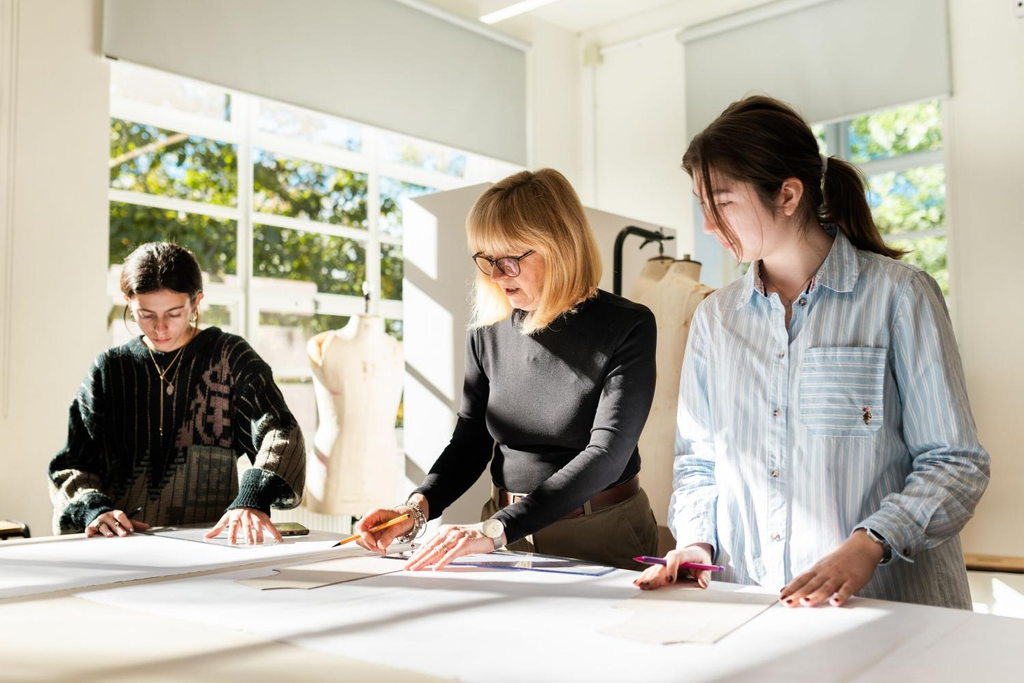
Creative education depends on more than studying theories and examining existing work. Students also need opportunities to test ideas, understand materials and translate concepts into finished outcomes.
Kingston School of Art follows the principle of thinking through making, encouraging experimentation with tangible objects, materials and techniques. This approach helps students discover the possibilities of their chosen medium while developing an individual creative identity.
Kingston University offers extensive specialist facilities that support a wide range of creative practices, from traditional craftsmanship and material exploration to advanced digital prototyping. Its well-equipped 3D and fashion workshops provide students with the tools, technical resources and expert support to experiment, develop practical skills and bring their ideas to life.
Access to the specialist environments allows students to explore practical challenges, refine their craftsmanship and learn through experimentation. Whether developing a physical prototype, producing a sculptural piece or constructing a fashion design, students can connect creative ideas with practical execution.
4. Explore Digital Design Technology and Industry-Standard Software

Digital technology continues to influence how creative professionals develop, test and present their work. Kingston University supports this changing landscape through facilities that combine traditional craftsmanship with contemporary digital production.
The Digital Making facility includes Zünd plotters, laser cutters and engravers, FDM and SLS 3D printers, and a three-axis CNC router. These technologies allow students to transform digital concepts into physical objects and explore different approaches to prototyping.
Kingston University provides comprehensive digital and technical support to help students translate their creative concepts into production-ready outcomes. With access to digital media workstations, industry-standard design software, CAD workflows and standard and large-format printing facilities, students can refine their ideas while developing essential technical skills.
Personalised consultations and expert guidance further support them in navigating file preparation, project setup and production processes. By combining digital tools with practical experimentation, students can develop relevant technical skills while exploring new ways to communicate and realise creative ideas.
5. Learn from Active Practitioners and Industry Professionals
Learning from people who actively work in creative fields can provide valuable insight into professional expectations, contemporary practices and the challenges of developing original work.
At Kingston School of Art, teaching is delivered almost entirely by active practitioners and industry professionals. Their experience connects academic learning with the realities of creative practice.
This approach encourages students to examine not only how creative work is produced, but also why particular decisions are made, how ideas are communicated and how projects respond to wider professional or cultural contexts.
The faculty’s emphasis on critical practice also encourages students to question assumptions, evaluate their work and develop considered creative positions.
For students interested in careers across design, architecture, photography, film, fashion, publishing or the wider arts sector, learning from practising professionals can help build a stronger understanding of the skills and approaches required beyond university.
6. Develop Interdisciplinary Skills Through Creative Collaboration
Today’s creative challenges frequently bring together different disciplines, perspectives and technologies. Kingston School of Art reflects this reality through a collaborative approach to learning.
Its workshops, laboratories and studios are open to students and staff across disciplines, creating opportunities to share ideas, explore unfamiliar methods and work with different materials.
For example, a design student may benefit from understanding digital fabrication, while a fine art student may explore photography, moving image or printmaking to communicate an idea. Students working in fashion, animation or architecture can similarly draw inspiration from approaches used in other fields.
This philosophy extends from analogue techniques to digital experimentation. Students can investigate traditional processes alongside technologies such as laser cutting and digital prototyping.
Interdisciplinary learning encourages adaptability, creative problem-solving and the ability to consider multiple perspectives. These qualities are particularly valuable for students who want to develop distinctive portfolios and respond to changing opportunities in the creative industries.
7. Gain Practical Experience in Art, Heritage and Cultural Venues
Kingston University is home to two cultural venues that offer additional opportunities to engage with art, design and heritage: the Stanley Picker Gallery and Dorich House Museum.
Both venues are dedicated to presenting art and design, preserving heritage and supporting hands-on learning. Student admission is free, making their exhibitions and collections accessible as part of the wider university experience.
Students can also pursue volunteer opportunities and paid assistant roles at these venues. Such opportunities can help them understand the practical responsibilities involved in running galleries and museums.
Potential areas of learning include:
- Gallery and museum operations.
- Engagement with art exhibitions and historical collections.
- Practical experience within arts and heritage environments.
- Professional skills relevant to cultural institutions.
For students interested in curating, museum work, contemporary art or cultural management, these opportunities can complement classroom learning with practical exposure to the sector.
They also demonstrate how art and design education can extend beyond studios into the institutions that present, interpret and preserve creative work.
8. Explore Research-Led Learning and Internationally Recognised Creative Practice

Research is an important part of developing new artistic ideas, questioning established approaches and responding to contemporary social, technological and cultural challenges.
Kingston School of Art supports research across disciplines, contributing to creative practice and wider cultural development.
In the Research Excellence Framework (REF) 2021, more than 79% of the school’s research outputs were rated internationally excellent or higher, while 87% of the faculty’s overall profile was rated world-leading or internationally excellent.
For students, a research-oriented environment can encourage deeper investigation, thoughtful experimentation and a more informed approach to creative decisions. It can also help them understand the connections between art and design and broader issues involving technology, society, culture and the environment.
The Design School’s focus on ethical, social and environmental impact further encourages students to consider the responsibilities associated with creative work.
This combination of practical making and critical inquiry can help students develop work that is technically considered, conceptually strong and responsive to the world around them.
9. Access Specialist Facilities for Photography, Film, Music and Immersive Media
Creative interests increasingly cross the boundaries between traditional disciplines and emerging media. Kingston School of Art provides facilities that allow students to investigate a wide range of creative formats.
Its specialist resources include:
- Moving image workshops: Facilities for filming, sound recording, animation and post-production.
- Photography workshops: Professional facilities supporting photography projects.
- Broadcast and media spaces: TV studios, audio booths and computer laboratories.
- Immersive Lab: Resources for virtual reality (VR), augmented reality (AR), 3D modelling and 3D scanning.
- hackSpace: A collaborative environment for electronics, programming, digital art and physical computing.
- Music facilities: Resources supporting music-making, performance and production across genres.
- Printmaking studios: Opportunities to explore traditional and contemporary print processes.
These facilities enable students to experiment with different media and expand their technical capabilities. They can explore how moving images, sound, physical objects and immersive digital environments communicate ideas in different ways.
For students pursuing film, photography, animation, interactive design or multimedia practice, this breadth of resources creates opportunities to investigate creative possibilities beyond a single medium.
10. Study Near Central London and Access a Vibrant Creative Environment
Location is another important consideration when choosing an art and design university. Kingston University is situated in Kingston upon Thames, approximately 30 minutes from central London.
This location combines a riverside community with access to one of the world’s major centres for art, architecture, fashion, film and culture.
London’s cultural environment can complement university learning by giving students opportunities to explore exhibitions, historic places and creative events. The city also offers potential opportunities to attend networking events, industry conferences and internships, depending on availability and individual eligibility.
Meanwhile, Kingston upon Thames provides a mix of historical character, contemporary facilities and student-oriented social spaces. For aspiring creatives, studying near London can broaden their exposure to different artistic movements, professional practices and cultural perspectives. It also offers a useful setting in which to connect academic interests with the wider creative world.
The combination of a dedicated campus environment and proximity to a major cultural centre makes Kingston an attractive option for students seeking both focused study and wider creative engagement.
Conclusion
Studying art and design at Kingston University London offers more than the opportunity to earn a qualification. The university can shape your creative journey, professional skills and future career opportunities.
Kingston University London offers a compelling environment for aspiring artists and designers through its rich educational heritage, specialist facilities, research-led approach and commitment to interdisciplinary learning.
From hands-on studio projects and advanced digital design technologies to industry-informed teaching and practical experience at cultural venues, Kingston School of Art encourages students to transform creative ideas into meaningful work. Its strong subject rankings, recognised research achievements and proximity to London’s thriving cultural landscape further strengthen its appeal as a destination for art and design education.
Whether your passion lies in fine art, fashion, architecture, graphic design, photography, animation or another creative discipline, the university provides opportunities to explore your interests, refine your abilities and develop an individual creative identity.
Ultimately, studying art and design at Kingston University London is an opportunity to combine imagination with practical expertise, critical thinking and collaboration. By exploring its programmes and identifying the course that best matches your ambitions, you can take a confident step towards building your future in the creative industries.
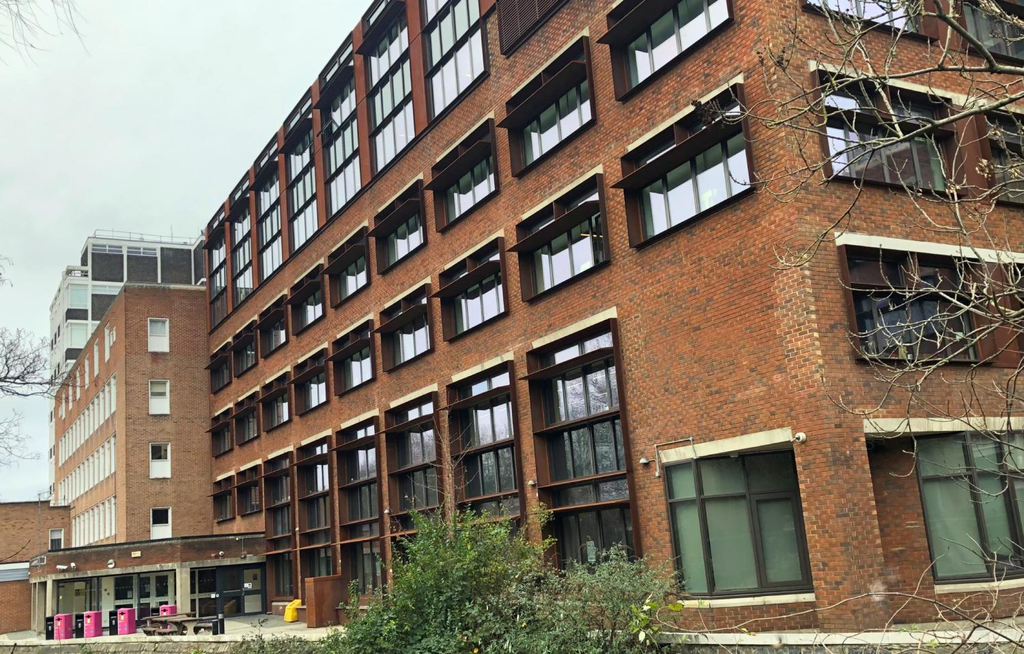
Ready to take the next step towards your Art and Design degree at Kingston University London? Book a Free Consultation with ScholarshipKart for expert counselling, admission assistance, scholarship guidance and visa support. Start planning your study abroad journey today and move closer to your creative career goals!
FAQs
1. Why should international students study Art and Design at Kingston University London?
Kingston University London offers a creative learning environment through Kingston School of Art, which has more than 140 years of experience in art and design education. Students benefit from specialist workshops, digital technologies, interdisciplinary collaboration and teaching delivered almost entirely by active practitioners and industry professionals.
2. Is Kingston University London good for Art and Design courses?
Yes, Kingston University ranks among the UK’s top 10 institutions for Art and Design in the Complete University Guide 2027 and The Times and Sunday Times Good University Guide 2027. It also has strong subject rankings in fashion and textiles, film production, photography and graphic design, according to the 2027 Guardian University Guide.
3. What Art and Design courses can international students study at Kingston University?
Kingston School of Art offers programmes across disciplines such as Fine Art, Architecture, Fashion, Graphic Design, Illustration, Animation, Film, Photography, Performing Arts, Journalism, Publishing and Media. Undergraduate and master’s options are available across its subject areas, although specific course availability and entry requirements vary.
4. What facilities are available to Art and Design students at Kingston University?
Students can access specialist facilities, including 3D workshops, fashion studios, photography workshops, printmaking studios, TV studios, audio booths and digital media laboratories. The university also provides digital fabrication equipment, 3D printing, laser cutting, CAD resources and an Immersive Lab for exploring virtual and augmented reality.
5. Can international students gain practical experience while studying Art and Design at Kingston University?
Yes, students can develop practical skills through studio projects, specialist workshops and collaborative creative activities. The Stanley Picker Gallery and Dorich House Museum also offer volunteering opportunities and paid assistant roles, subject to availability and eligibility, allowing students to gain experience in arts and heritage environments.
6. How does Kingston University’s location benefit international Art and Design students?
Kingston University is located in Kingston upon Thames, approximately 30 minutes from central London. Its location gives students opportunities to explore London’s art, fashion, film, architecture and cultural scenes, as well as attend relevant exhibitions, networking events and industry conferences.
7. What are the entry requirements for international students applying to Art and Design courses at Kingston University?
Entry requirements depend on the chosen undergraduate or postgraduate programme and may include relevant academic qualifications, English-language proficiency and a portfolio for courses where creative work is required. International applicants should check the specific course page for current admission criteria, portfolio guidelines and accepted English-language qualifications before applying.
8. Can international students apply for scholarships to study Art and Design at Kingston University London?
International students should explore the scholarships and financial support available for their intended course, as eligibility and award amounts can vary. Applicants should check current deadlines, academic requirements and application procedures, and budget for tuition fees, accommodation and living expenses.