
Fashion is far more than clothing. It is a global creative industry that influences culture, identity, lifestyle and consumer behaviour through clothing, footwear, accessories, textiles, makeup and other forms of design.
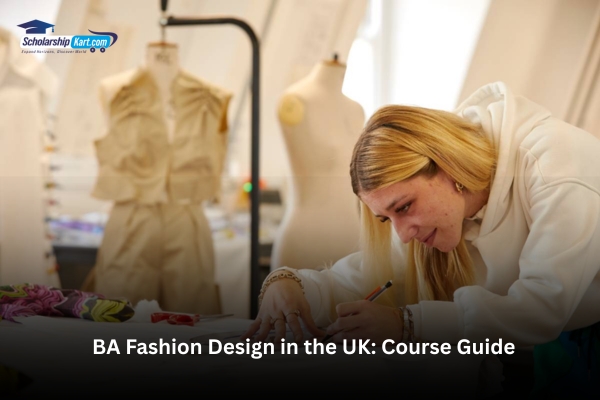
A BA Fashion Design in the UK offers students the opportunity to explore this dynamic industry while developing practical design skills, creative thinking and an understanding of how fashion products move from an initial concept to production and promotion.
For students who want to turn creative ideas into professionally developed collections, the UK provides an attractive environment for studying fashion design. British universities are recognised for combining creative education with practical learning, industry exposure and specialist facilities.
A fashion design degree can also open pathways into areas beyond traditional designing, including styling, buying, merchandising, fashion journalism, trend forecasting, product development, fashion marketing and sustainable fashion.
Why Study BA Fashion Design in the UK?
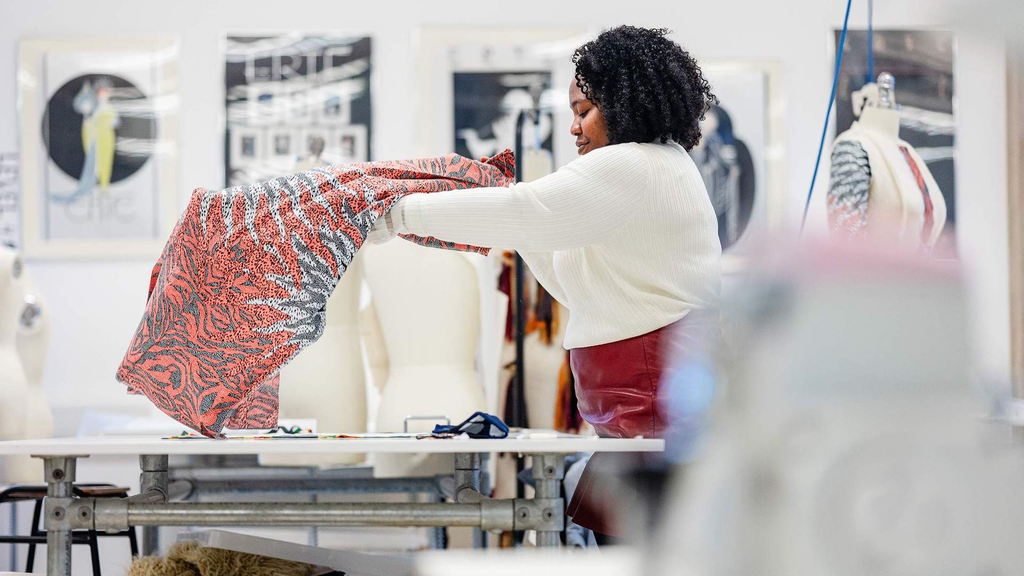
Global Fashion Hub: Study in a country with a strong international fashion presence and access to major creative and commercial networks.
Exposure to London Fashion: Benefit from London’s influential fashion scene, industry events and connections with creative professionals.
Industry-Focused Education: UK fashion universities combine creative design with technical knowledge, commercial awareness and professional development.
Practical Learning: Gain hands-on experience through design projects, material experimentation, production processes and practical assignments.
Live Industry Briefs: Work on live or simulated industry briefs that help you understand real-world fashion requirements and professional expectations.
Industry Placements: Many courses offer internships and placement opportunities, allowing students to gain valuable experience in professional fashion environments.
Expert Industry Insights: Learn through guest lectures, industry visits and interactions with experienced fashion professionals.
Professional Portfolio Development: Build a strong fashion portfolio through collections, projects and creative work that showcases your individual design identity.
Wide Career Opportunities: Explore careers beyond fashion design, including styling, buying, merchandising, trend forecasting, journalism and product development.
Creative and Commercial Skills: Develop creativity alongside communication, research, presentation, technical and business skills needed to succeed in the competitive fashion industry.
Ready to turn your creativity into a career in fashion? ScholarshipKart can help you explore BA Fashion Design opportunities in the UK, understand Application and Visa processes and take the next step towards your dream fashion career. Start exploring your options with ScholarshipKart today.
What Do You Study in a BA Fashion Design Course?
A BA Fashion Design degree provides a broad introduction to the fashion design process, from research and concept development through to production and presentation. Although the exact curriculum differs between universities, undergraduate fashion courses can cover areas such as fashion design, textiles, materials and methods, design development, product management, trend forecasting and fashion business.
Students may also explore critical and creative contexts, collaborative enterprise, brand generation and design concepts from production to final outcome. Depending on the course, there may be opportunities to study fashion writing, editorial styling, fashion management, business analytics or publication design.
Fashion education is therefore not limited to learning how to create garments. Students may investigate costume design, sportswear, textiles, styling, buying, journalism and other specialist areas. Some universities also provide combined degrees that connect fashion with management, international business, journalism, art history or digital technology.
Practical Fashion Design Projects and Creative Learning
One of the defining features of a fashion design degree is the amount of practical and independent work involved. Rather than spending the entire course in traditional lectures, students typically receive opportunities to develop their own creative concepts and translate research into physical or digital outcomes.
Projects may involve anything from experimental garments and textiles to costume, leisurewear or sportswear. Students can learn to investigate materials, explore construction methods and develop a design identity through repeated experimentation and evaluation. This process encourages creative independence while helping students understand the professional journey from an initial idea to a finished fashion product.
Live briefs and collaborative projects can add another practical dimension to the degree. Working on a brief requires students to interpret requirements, research an audience, manage deadlines and present a considered design response. These experiences can help bridge the gap between university projects and professional fashion environments.
Learn Fashion Design Using Industry-Standard Facilities
Specialist facilities are an important part of fashion education in the UK. Fashion departments can provide dedicated teaching studios, pattern-cutting spaces, workshops, textile facilities and digital design suites that support experimentation and technical development.
Students can use these environments to develop skills in areas such as pattern cutting, textiles, illustration and computer-aided design. Digital tools, including platforms such as CLO3D and Adobe Creative Cloud, can support contemporary approaches to fashion development and presentation.
Access to facilities that reflect professional working environments can help students become more confident when approaching industry projects. Instead of learning design purely as a theoretical subject, students can experiment with materials, techniques and digital processes while developing practical solutions to creative challenges.
Build a Professional Fashion Portfolio
A strong portfolio is one of the most important outcomes of a fashion design degree. It provides evidence of a student’s creative thinking, research, technical development and ability to turn an idea into a finished concept.
During a BA Fashion Design course, students can build their portfolios through projects, live briefs, collections, prototypes, storyboards and other creative work. A good portfolio should communicate not only the final outcome but also the thinking and development behind it. Research into designers, materials, technologies, cultural influences and production processes can demonstrate how ideas have evolved.
Students can strengthen their portfolios by documenting what inspires them. Visiting museums, researching established designers and exploring unfamiliar materials or technologies can contribute to a more informed creative practice. Over time, these activities can help students develop a distinctive visual identity that may become valuable when applying for placements, internships or graduate positions.
Fashion Industry Experience Through Placements and Internships
Fashion is highly competitive, so professional experience can be an important part of undergraduate study. Many UK fashion degrees provide opportunities for internships, industry placements, professional projects and visits from fashion professionals.
A placement year can allow students to experience the professional environment before graduation. Instead of working exclusively on academic assignments, students can gain insight into workplace expectations, deadlines, teamwork and commercial fashion processes.
Some courses also provide opportunities to study abroad. Spending time at an overseas university can expose students to different fashion markets, creative approaches and cultural influences.
For international careers, the experience of working or studying in another environment can also contribute to broader communication skills and, where applicable, second-language ability.
Learn From Fashion Industry Professionals
Fashion education becomes particularly valuable when academic learning is connected to professional experience. UK fashion courses may provide opportunities to learn from people with backgrounds in fashion houses, design studios and global brands.
Guest lectures, industry visits, networking events and collaborative projects can introduce students to different areas of the fashion sector. These experiences can help students understand the realities of professional fashion work, including the importance of creativity, commercial awareness, communication and meeting deadlines.
Exposure to industry professionals can also help students discover career paths they may not have previously considered. Fashion is a broad field, and a student interested in design may eventually discover a stronger interest in product development, styling, buying, journalism, merchandising or fashion marketing.
Is Fashion Design a Good Career Choice?
Fashion design can be a rewarding career for creative and determined individuals, but it requires adaptability, persistence and a willingness to work in a highly competitive industry. Here are four important factors to consider before choosing fashion design as a career:
Work Environment – Creative and Collaborative: Fashion designers typically work in studios or professional offices, while also interacting with manufacturers, suppliers and industry professionals and attending fabric or trade events.
Industry Demand – Consistent but Market-Dependent: Fashion remains an important UK industry, although employment opportunities can be influenced by consumer behaviour, retail performance and wider market conditions.
Competition – Highly Competitive: Fashion attracts a large pool of creative talent, so developing a distinctive design identity, strong portfolio and professional skills is essential for standing out.
Career Challenges – Demanding but Development-Focused: Fashion design can involve tight deadlines, uncertainty and pressure, requiring professionals to keep learning, adapting to trends and improving their technical and creative abilities.
How to Start a Career in Fashion Design: 10 Practical Steps
Research Fashion Design Specialisations: Explore areas such as womenswear, menswear, sportswear, costume, textiles, styling and sustainable fashion to identify the direction that best matches your interests.
Develop Your Fashion Illustration Skills: Practise hand sketching regularly to improve your ability to communicate garment shapes, proportions, silhouettes and creative concepts.
Learn Digital Fashion Design Tools: Become familiar with industry-relevant digital design software to create professional illustrations, presentations and fashion concepts.
Learn Sewing and Garment Construction: Build practical knowledge of sewing, fabric handling, garment assembly and basic construction techniques so you can turn ideas into physical products.
Understand Pattern Cutting and Textiles: Learn how patterns are developed and explore different fabrics, materials, textures and production methods to strengthen your technical design knowledge.
Study Fashion Trends and Designers: Research established designers, fashion history, emerging trends and consumer preferences to understand how creative ideas develop within the wider fashion industry.
Build a Professional Fashion Portfolio: Document your research, sketches, experiments, design development and completed projects to create a portfolio that demonstrates your creativity and technical abilities.
Gain Real-World Industry Experience: Look for internships, work placements, studio experience or opportunities with clothing manufacturers, retailers, alterations businesses and fashion brands.
Attend Fashion Events and Build Connections: Participate in fashion exhibitions, trade fairs, industry visits, competitions and networking events to meet professionals and learn about current opportunities.
Apply for Graduate Fashion Roles: After completing your degree, use your portfolio, placement experience and professional network to apply for opportunities in fashion design, product development, styling, buying, merchandising, textiles and related fields.
BA Fashion Design Entry Requirements in the UK
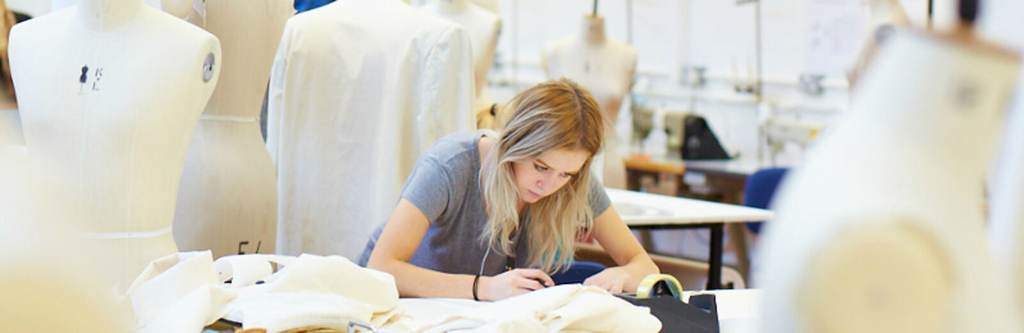
UCAS Points: Many undergraduate Fashion courses require around 80–144 UCAS points, although requirements differ between universities.
A Levels: Typical offers can range from AAA to BBB, depending on the university and course.
International Baccalaureate: Some universities accept IB scores ranging from around 28 to 35, including Higher Level Art or Design, depending on the programme.
Art-Related Subjects: Studying an Art or Design-related A Level or equivalent qualification can be particularly helpful for a Fashion degree application.
Essay-Based Subjects: Some universities may also value an essay-based subject because fashion education involves research, analysis and written work.
Art Foundation: Certain Fashion courses may ask applicants to complete an Art Foundation qualification, while others may offer a foundation year as part of the degree.
English Proficiency: International students usually need to demonstrate that they can communicate effectively in English before starting their degree. A common requirement is an IELTS score of around 6.5, with no component lower than 5.5. However, the exact score can vary by university and course.
Portfolio: A creative portfolio may be required to demonstrate your design ability, creative ideas, research and potential.
Check Individual Universities: Entry requirements vary, so always check the specific academic, portfolio and application requirements of your chosen UK university.
Fashion Design Portfolio and Application Requirements
Academic qualifications are only one part of a fashion application. A portfolio is commonly required because universities need to assess a student’s creative potential, visual communication and ability to develop ideas.
Applicants can strengthen their preparation by researching fashion designers, visiting museums and exploring different materials, technologies and creative processes. Experience with textiles or clothing manufacturers, retailers, alterations tailors or wedding shops may also provide useful exposure, although such work experience is not necessarily essential.
Entering relevant competitions can further demonstrate creative commitment. Applicants can also develop their understanding of the fashion business through professional organisations and industry-focused resources. Depending on the university, an interview may form part of the admissions process.
BA Fashion Design Fees and Living Costs in the UK
For international students, the supplied information places annual tuition fees for a BA Fashion Design degree at approximately £15,000 to £30,000. Some leading or London-based institutions may charge considerably more, with annual fees reaching around £30,000 to £42,000.
Students should also budget for living expenses. The estimated annual living cost provided is approximately £10,000 to £16,000, depending on whether the student lives in London or elsewhere in the UK.
Fashion students may have additional expenses because their studies can require fabrics, specialist art materials, sewing equipment and other project resources. The supplied estimate for course materials is approximately £500 to £1,000 per year.
These costs make financial planning an important part of preparing for a UK fashion degree. Students should consider tuition, accommodation, daily living costs, travel and course-related materials when developing their study budget.
Skills You Develop During a Fashion Design Degree
A BA Fashion Design degree develops both specialist fashion skills and transferable abilities. Technical development can include fashion illustration, pattern cutting, textiles, materials exploration, design development and trend forecasting, depending on the course.
Students also develop communication, presentation, research, collaboration, critical thinking, idea generation and time-management skills. Because fashion projects frequently involve deadlines and multiple stages of development, students learn to manage their creative work in a structured and professional manner.
These transferable skills can remain valuable even if graduates eventually move outside traditional fashion design. Communication, marketing, presentation, research and entrepreneurial thinking can be applied across a wide variety of creative and commercial careers.
Career Opportunities After a BA Fashion Design Degree
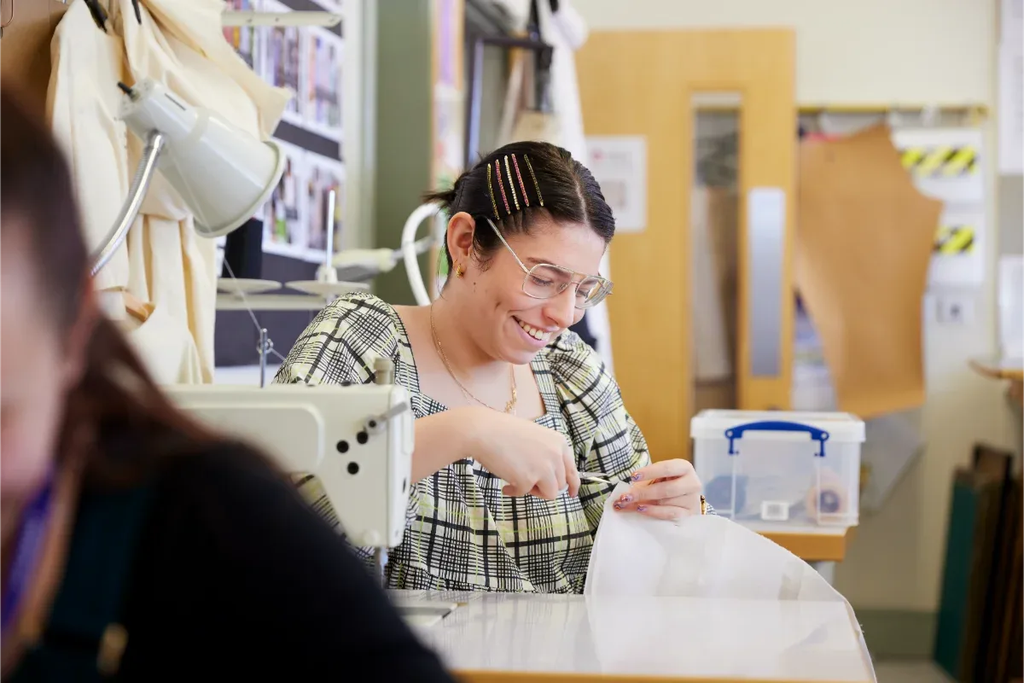
A fashion degree can lead to a surprisingly broad range of careers. Graduates can pursue traditional roles such as fashion designer, pattern cutter or textile technologist, but opportunities also exist in fashion buying, merchandising, styling, product development and retail management.
Other potential careers include fashion journalist, copywriter, marketing manager, PR manager, media buyer and SEO manager. Graduates may also work in homeware and interiors design or develop careers connected with sustainable fashion and innovation.
The fashion industry remains economically and culturally influential, despite the challenges associated with the sector. Clothing remains a fundamental consumer need, while changing technologies, trends and consumer expectations continue to create new areas of professional activity.
Fashion Graduate Salaries and Career Progression
A BA Fashion Design degree can lead to careers across the creative, technical, commercial and business sides of fashion. While fashion designer is a popular career choice, graduates can also move into styling, textiles, buying, merchandising, journalism, marketing and retail management.
Salary levels vary considerably depending on experience, specialisation, employer and location, with senior and London-based positions often offering greater earning potential.
Prospects UK highlights the competitive nature of fashion and the importance of developing relevant skills and experience alongside your degree.
Fashion Designer: Design assistants can start at around £18,000–£24,000, while junior designers typically earn £25,000–£30,000; experienced designers can earn £30,000–£45,000, rising to approximately £50,000–£60,000 at senior level.
Fashion Stylist: Employed junior stylists can earn around £18,000–£20,000, while senior stylists can earn approximately £23,000–£30,000; freelance stylists may instead charge daily or hourly rates.
Retail Buyer: Junior buyers and buying assistants generally earn around £25,000–£35,000, experienced buyers can earn £30,000–£45,000, while senior buyers may reach £45,000–£65,000 or more in director-level positions.
Retail Merchandiser: Assistant merchandisers can earn approximately £18,000–£22,000, with experienced professionals earning up to around £36,000 and senior merchandisers potentially earning £45,000–£85,000.
Textile Technologist: Junior or assistant textile technologists can earn approximately £21,000–£27,000, increasing to £28,000–£45,000 with experience, while senior professionals can earn more than £45,000.
Fashion Journalist: Fashion journalism can follow the broader magazine journalism salary structure, with entry-level salaries around £20,000, experienced journalists earning approximately £22,000–£35,000, and senior positions at major publications potentially reaching £42,000–£76,000.
Marketing Executive: Fashion graduates moving into marketing can expect marketing assistant salaries of around £25,000–£27,000, while marketing executives typically earn £29,000–£34,000 and senior executives can earn £35,000–£42,000. Marketing managers earn roughly £58,000.
Digital Marketing or SEO Roles: Entry-level digital marketing positions generally pay around £23,000–£28,000, while SEO executive and digital copywriter roles can reach approximately £28,000–£35,000 and experienced SEO managers can earn up to around £50,000.
Retail Manager: Assistant or deputy retail managers generally earn £25,000–£35,000, while retail managers typically earn £30,000–£45,000; experienced area or national managers can earn £40,000–£80,000+.
Textile Designer: Junior textile designers can earn around £20,000–£26,000, rising to £27,000–£35,000 with experience, while senior textile designers or design directors can earn approximately £35,000–£60,000.
Prospects UK suggests that a fashion degree can lead to varied earning opportunities rather than a single fixed salary path.
Entry-level creative roles may begin at relatively modest salaries, while experience, specialisation and progression into senior design, buying, merchandising, marketing or management positions can significantly increase earning potential.
Location can also influence pay. Salaries are generally higher in London and the South East across the wider creative industries.
Postgraduate Study After a Fashion Design BA
Students who want to specialise further can progress to postgraduate study in fashion. Master’s programmes can focus on design specialisms, fashion technology, business, retailing, enterprise or textiles.
Possible postgraduate areas include apparel manufacturing technology, creative pattern making, fashion marketing and merchandising, computer-aided design and fashion management. Examples of postgraduate pathways include Fashion and Textiles Design with Industry Placement, Fashion Design Technology, Fashion Management, Fashion, Enterprise and Society and International Fashion Retailing.
A postgraduate degree can therefore be useful for graduates who want to deepen their creative practice, develop technological expertise or move towards management and business-oriented positions within the fashion industry.
Top Universities for Fashion Design in the UK 2026
The top-ranking UK universities for Fashion Design as per the Guardian University Guide 2026 are:
University of Wales Trinity Saint David
Is a BA Fashion Design in the UK Worth It?
A BA Fashion Design in the UK can be a strong choice for students who combine creativity with determination, curiosity and professional ambition. The degree offers more than garment construction; it introduces students to the wider fashion ecosystem, including design, manufacturing, marketing, textiles, styling, business and emerging technologies.
The UK’s combination of specialist facilities, practical projects, industry exposure, placement opportunities and diverse career pathways creates an environment where students can develop both creative confidence and professional skills. Most importantly, the degree encourages students to discover their own design identity while understanding how their ideas can function within a global industry.
For aspiring fashion professionals, studying fashion design in the UK can be the beginning of a journey from creative experimentation to professional practice.
Whether the ultimate goal is to become a designer, stylist, buyer, trend forecaster, fashion journalist, merchandiser or sustainable fashion innovator, a well-chosen BA programme can provide the knowledge, portfolio and industry awareness needed to take the next step.
Start Your UK Fashion Journey
Your future in fashion starts with the right degree and the right guidance. If you are aspiring to study a BA in Fashion Design in the UK, Book a Free Consultation with ScholarshipKart to discover suitable courses, find scholarships and plan your journey with confidence. Connect with our expert counsellors to take the first step towards your fashion career today.
A BA Fashion Design degree develops creative, technical and professional skills in areas such as fashion design, textiles, materials, garment construction, trend forecasting and fashion business.
The UK offers practical fashion education, specialist facilities, industry exposure, live projects, placement opportunities and access to a strong international fashion industry.
Students may study fashion design, textiles, materials, design development, product management, trend forecasting, fashion business, styling and other specialist areas depending on the university.
Many UK Fashion Design courses require a creative portfolio to demonstrate your design ability, creative ideas, research and potential. However, requirements vary by university.
Entry requirements vary between universities. They may include A Levels, IB qualifications, UCAS points, English-language proficiency and, for some courses, an art foundation or portfolio.
A common requirement mentioned in the article is IELTS 6.5, with no component below 5.5. Exact requirements can vary by university and course.