
Choosing where to study abroad involves more than selecting a university. For international students, understanding the country, its regions, cities and culture can be just as important as choosing a course.

The United Kingdom (UK) offers a particularly diverse study experience because it is made up of four distinct countries: England, Scotland, Wales and Northern Ireland.
Each country has its own character, landscapes, cities and cultural identity. Within them, students can find everything from historic university towns and vibrant multicultural cities to coastal communities and areas of outstanding natural beauty.
This means that studying in the UK does not necessarily mean studying in London or even in England. There are universities and colleges across all four countries, offering international students a wide range of destinations to consider.
The UK is also home to a broad selection of universities and colleges, including internationally recognised institutions such as the University of Oxford, University of Cambridge and Imperial College London, offering world-recognised courses. At the same time, students can choose from many other institutions with different academic specialisms, locations and student environments.
Before exploring the individual study destinations, it is useful to understand exactly what makes up the UK.
What Countries Make Up the UK?
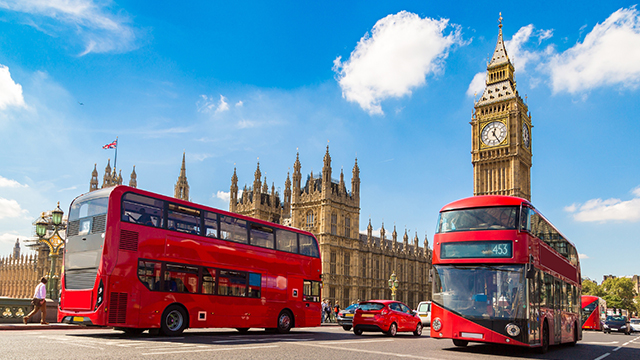
The United Kingdom consists of four countries:
- England
- Scotland
- Wales
- Northern Ireland
England, Scotland and Wales together form Great Britain. When Northern Ireland is included, the name is the United Kingdom of Great Britain and Northern Ireland, commonly shortened to the United Kingdom or UK.
For an international student, this distinction is useful because the four countries are geographically and culturally different, even though they form part of the same sovereign state. Exploring all four can therefore give students a much broader picture of what it means to study in the UK.
Planning Your UK Study Journey?
Not sure where to start? ScholarshipKart can help you explore UK universities, scholarships and study opportunities, so you can begin your international education journey with greater clarity.
Explore your options with ScholarshipKart and start planning today.
Studying in England: Universities, Cities and Diverse Regions
England is the largest of the four countries that make up the UK and offers an extensive choice of universities, colleges, student cities and study environments. It is home to some of the world’s best-known universities, including Oxford, Cambridge and Imperial College London, as well as a wide range of institutions with different areas of academic specialisation.
For international students, England offers considerable variety. You can study in a globally connected city such as London, experience the historic atmosphere of Oxford or Cambridge, or choose a lively student destination such as Manchester, Liverpool, Leeds, Birmingham or Brighton.
Beyond the universities themselves, England offers a mixture of multicultural communities, historic architecture, music and arts scenes, countryside, national parks and coastlines. Its different regions can therefore provide very different experiences for students.
Regions of England: Where Are the Main Study Destinations?
England is commonly divided into several broad regions. Knowing these areas can help international students understand where major university cities and other study destinations are located.
East of England
The East of England consists of five counties and includes cities and towns such as Cambridge, Norwich and Luton.
Cambridge is internationally known for its university and long academic history. The wider area is also associated with Silicon Fen, a growing technology and software hub around Cambridge, making the region interesting for students looking towards technology and innovation.
The East of England also combines university communities with historic attractions and access to the surrounding countryside.
South East England
South East England is made up of nine counties and includes popular student destinations such as Brighton & Hove, Oxford, Portsmouth, Reading and Southampton.
The region offers a mixture of university cities, coastal destinations and historic towns. Brighton is particularly known for its independent shops, cafés, arts, nightlife and watersports, while Kent is home to destinations including Whitstable, Broadstairs and Margate, as well as landmarks such as the White Cliffs of Dover and Canterbury Cathedral.
London is also relatively close to many parts of the South East, making the region useful for students who want access to the capital while studying outside it.
South West England
The South West consists of seven counties and includes study destinations such as Plymouth, Bournemouth, Bath, Bristol and Cheltenham & Gloucester.
The region is known for its combination of university cities, countryside and coastline. Students can explore areas such as the Dartmoor and Exmoor national parks, the Cotswolds and the coastal counties of Cornwall, Devon and Dorset.
The South West is also associated with major cultural events, including the world-famous Glastonbury Festival, as well as local food and drink traditions.
North West England
The North West comprises Cheshire, Cumbria, Greater Manchester, Lancashire and Merseyside.
Its two major cities, Manchester and Liverpool, are internationally recognised for their music and football heritage. The region also has a strong industrial history, with Lancashire once being a major centre of the global cotton industry.
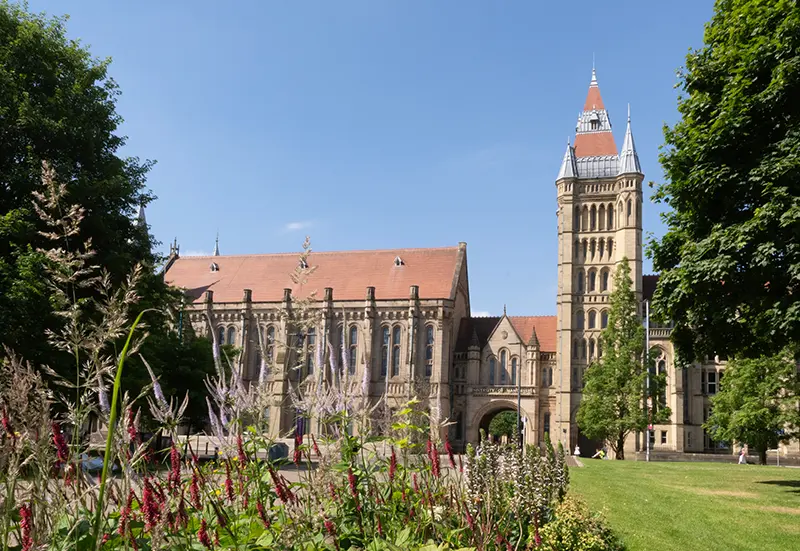
For students who enjoy the outdoors, the region is home to the Lake District, including Scafell Pike, England’s highest peak. Historic locations such as Liverpool’s Royal Albert Dock and Chester’s Victorian centre provide another perspective on the region’s past.
East Midlands
The East Midlands comprises five counties, with Derby, Leicester, Lincoln and Nottingham among its main cities.
The region has a strong historical character, with castles, cathedrals and stately homes. Chatsworth House, for example, has provided a backdrop for period productions including Jane Eyre and Pride and Prejudice.
Students can also explore the nearby Peak District, with its green hills, peatlands and traditional market towns. Places such as Buxton, Castleton and Bakewell offer opportunities to experience a different side of England beyond its major cities.
North East England
The North East includes major student destinations such as Newcastle upon Tyne, Middlesbrough and Sunderland.
The region combines urban centres with extensive coastlines and nearby national parks. Students can discover architectural landmarks such as Grey Street in Newcastle and Durham Cathedral, a UNESCO World Heritage Site.
The coastline also provides destinations such as Embleton Bay and Bamburgh, giving students opportunities to explore beyond their university cities.
Yorkshire and the Humber
Yorkshire and the Humber includes major cities such as Bradford, Hull, Leeds, Sheffield and York.
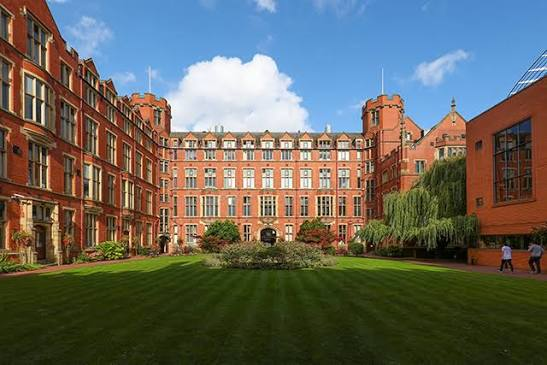
The region has a strong literary and cultural heritage, with connections to figures including J. R. R. Tolkien, Sylvia Plath, Philip Larkin and the Brontë family.
Its major cities offer lively student communities, cultural attractions, nightlife and transport connections, while the surrounding countryside provides a contrast to urban university life. For international students, the region offers a combination of historic destinations, modern cities and access to rural landscapes.
London
London is one of the world’s most internationally recognised cities and one of the UK’s major study destinations.
Greater London contains 32 boroughs, alongside the City of London, and includes well-known areas such as Chelsea, Camden, Richmond, Hackney and Islington.
For international students, London offers an exceptionally diverse environment. Students can experience museums, theatres, music, international cuisine, cultural events and communities from around the world. The city’s extensive transport network, including trains, the Underground and buses, also makes it possible to travel across the capital.
London is also an important centre for businesses and industries, which can make its location particularly relevant to students interested in experiencing life in a major international city. However, it is also known for being an expensive place to live, so students should consider living costs when comparing destinations.
West Midlands
The West Midlands consists of Herefordshire, Shropshire, Staffordshire, Warwickshire and Worcestershire, with major cities including Birmingham, Coventry and Wolverhampton.
The region has a strong multicultural identity and a significant industrial heritage. Coventry is associated with the development of Two-Tone music, which brought together Caribbean ska and English punk influences. Birmingham’s Pakistani community has also contributed to the city’s distinctive food culture, including its association with Balti cuisine.
Birmingham was historically an important centre of heavy industry and manufacturing. Today, it is a major urban and student destination with a young and diverse population.
What Can International Students Experience in England?
One of the biggest advantages of studying in England is the variety of environments available. Students are not limited to one type of university city or lifestyle.
Depending on where you study, you could experience:
- Historic academic centres such as Oxford and Cambridge
- Global city life in London
- Music and football culture in Manchester and Liverpool
- Multicultural urban communities in Birmingham and other major cities
- Coastal living in destinations such as Brighton, Bournemouth and areas of Cornwall, Devon and Dorset
- Literary and cultural heritage across Yorkshire and other historic regions
- Technology and innovation around Cambridge
- National parks and countryside across several parts of England
- Historic architecture ranging from cathedrals and castles to industrial landmarks
This variety means that choosing where to study in England involves considering more than the university itself. The surrounding city or region can shape your everyday student experience, from the activities available outside class to the landscape, culture and communities you encounter.
Finding Your Place in England
England offers international students a remarkably broad choice of study destinations. You could study in a major global city, a historic university town, a lively northern city or a coastal destination, while still being part of the wider UK.
The country’s regions also make it possible to explore different sides of English culture and geography. From Cambridge and Oxford to Manchester, Liverpool, Birmingham, Leeds and Brighton, and from the Lake District and Peak District to the coastlines of the South West, there is plenty to discover beyond the university campus.
For international students beginning their UK study journey, England provides an opportunity to combine higher education with a diverse cultural and social experience.
Studying in Scotland: Universities, Cities and Regions
Scotland offers international students a distinctive study experience shaped by centuries of history, renowned universities, vibrant cities and spectacular landscapes. Edinburgh, Glasgow, Aberdeen and St Andrews are home to some of the UK’s oldest universities, giving students the opportunity to study in locations with a strong academic heritage.
But Scotland is not only about history. Glasgow is known for its cultural and creative scene, while Edinburgh attracts performers and visitors from around the world during its famous Fringe Festival. Beyond the cities, students can discover the Highlands, lochs, islands, beaches and national parks that make Scotland unique.
Regions and Study Destinations in Scotland
Scotland’s regions range from major cities and historic university towns to remote islands and scenic countryside.
Aberdeenshire
Located in north-east Scotland, Aberdeenshire is known for its coastline, countryside, Cairngorms National Park and Royal Deeside.
Argyll and Bute
Argyll and Bute includes small towns, villages, lochs and more than 20 inhabited islands. It is one of Scotland’s more sparsely populated and scenic areas.
Ayrshire and Arran
Ayrshire and Arran has strong historical and cultural links, including connections with Robert Burns and Robert the Bruce. It also offers countryside and beaches.
Dumfries and Galloway
Dumfries and Galloway is known for its hills and outdoor activities. It is also home to Galloway Dark Sky Park.
Dundee
On Scotland’s east coast, Dundee is a UNESCO City of Design and home to V&A Dundee and the RRS Discovery.
East Lothian
Known as Scotland’s Golf Coast, East Lothian offers around 40 miles of coastline and is close to Edinburgh.
Edinburgh
Edinburgh, Scotland’s capital and a UNESCO City of Literature, combines historic landmarks with a vibrant cultural scene. Its famous Fringe Festival takes place every August.
Fife
Fife, historically known as the Kingdom of Fife, includes St Andrews, home to Scotland’s oldest university, as well as dramatic east-coast scenery.
Glasgow
Glasgow is Scotland’s largest city and a major cultural centre, known for its music venues, museums, galleries and distinctive architecture.
Lanarkshire
Lanarkshire includes urban communities such as East Kilbride and Hamilton near Glasgow, alongside greener areas further south.
Moray
Moray lies in north-east Scotland and is known for whisky, Walkers Shortbread and the wildlife of the Moray Firth.
Orkney
Orkney is an island group off Scotland’s north coast, known for its ancient Neolithic sites. Kirkwall is its largest settlement.
Perth and Kinross
Perth and Kinross has an important place in Scottish history, with attractions including Scone Palace and the scenic town of Pitlochry.
Renfrewshire
Bordering Glasgow, Renfrewshire has strong transport links with the city and includes Paisley, known for its textile heritage.
Stirling and Falkirk
Stirling and Falkirk have strong historical connections, while nearby Loch Lomond and The Trossachs National Park offers spectacular natural scenery.
Western Isles
The Western Isles, or Outer Hebrides, are a chain of islands off Scotland’s west coast, known for their remote landscapes and distinctive coastal scenery.
What Makes Scotland a Study Destination?
For international students, Scotland offers a combination of historic universities, culturally vibrant cities and outstanding natural surroundings. Students can experience urban life in Edinburgh or Glasgow, study in historic university communities such as St Andrews, or explore Scotland’s countryside, islands and coastlines.
This variety means students can look beyond the university itself and consider the city, region, lifestyle and surroundings when choosing where to study in Scotland.
Studying in Wales: Universities, Cities and Regions
Wales offers international students a combination of universities, historic cities, coastal landscapes and outdoor experiences. With rolling hills, beaches, national parks and a proud sporting and cultural heritage, the country provides a distinctive setting for studying in the UK.
The country’s major destinations include Cardiff and Swansea, while smaller coastal communities and rural areas offer a quieter experience. Wales is also home to three national parks, including Snowdonia, where you can find Wales’ highest mountain, Mount Snowdon.
For students who enjoy spending time outdoors, Wales offers plenty to explore, from walking and cycling to surfing and other adventure activities. Its history is equally visible, with castles, legends and traditions forming an important part of Welsh culture.
Regions and Study Destinations in Wales
Wales includes a mixture of urban areas, preserved counties, coastal communities and mountainous landscapes. Some of the key areas include:
Clwyd
Clwyd covers parts of north-east Wales and includes coastal destinations such as Rhyl, Llandudno and Colwyn Bay. Inland, the landscape becomes more rural and hilly, including the Clwydian Range and Dee Valley, while the region also has numerous historic castles.
Dyfed
Dyfed includes Cardiganshire, Carmarthenshire and Pembrokeshire. It is home to St Davids, Britain’s smallest city, and includes the spectacular Pembrokeshire Coast National Park, known for its dramatic coastline and long coastal walking route.
Gwynedd
Gwynedd is known for its strong Welsh-language heritage and spectacular mountain landscapes. It includes Snowdonia National Park and Mount Snowdon, the highest mountain in Wales.
Mid Glamorgan
Mid Glamorgan forms part of the historic Glamorgan area in south Wales. The region combines an important industrial heritage with green landscapes, including the Rhondda Valley and Margam Country Park.
South Glamorgan
South Glamorgan includes Cardiff, the capital of Wales, as well as the rural Vale of Glamorgan. Cardiff combines historic attractions with a modern city environment, while the surrounding coastline includes destinations such as Barry.
West Glamorgan
West Glamorgan includes Swansea and the Gower Peninsula. Swansea has strong cultural links with poet Dylan Thomas, while Gower is known for its beaches, cliffs, villages, caves and historic sites.
What Makes Wales Interesting for International Students?
Wales offers a balance between student cities and easy access to nature. Students can experience the urban and cultural life of Cardiff or Swansea while also exploring beaches, mountains, national parks and historic towns.
Its relatively compact geography also makes it possible to experience different landscapes and communities without travelling vast distances. For international students looking for a study destination that combines higher education, Welsh culture, outdoor activities and historic surroundings, Wales offers a distinctive experience within the UK.
Studying in Northern Ireland: Universities, Cities and Regions
Northern Ireland offers international students a distinctive study experience, combining universities and further education colleges with a strong cultural identity, historic cities and striking natural landscapes. Students can choose from three universities as well as further education institutions that provide higher education qualifications.
Belfast, the capital, is the country’s main urban and academic centre. Its history is visible throughout the city, particularly in its famous murals, while its cultural life reflects both its past and its modern identity. Beyond Belfast, Northern Ireland offers a quieter setting, with countryside, coastal scenery, lakes and historic communities.
Northern Ireland is also known for its connections to popular culture. Several landscapes have featured in Game of Thrones, including locations associated with Winterfell and the Kingsroad. For international students, this creates opportunities to experience both everyday life in Northern Ireland and some of the landscapes that have made the region internationally recognisable.
Key Regions and Areas in Northern Ireland
Antrim and Newtownabbey
County Antrim is home to the Giant’s Causeway, a UNESCO World Heritage Site and one of Northern Ireland’s best-known natural landmarks. The area also includes landscapes featured in Game of Thrones, including the Dark Hedges and the caves around Cushendun.
Armagh City, Banbridge and Craigavon
Armagh is known as the “Orchard of Ireland” because of its fertile land and long association with apple growing. Armagh City is the smallest city in Northern Ireland and has an important religious heritage. It is particularly known for its two cathedrals dedicated to St Patrick, located on opposite hills.
Fermanagh and Omagh
Fermanagh is characterised by its extensive network of lakes and waterways, giving the area a strong connection with outdoor and rural life. The region is also associated with traditional pottery, literary figures such as Samuel Beckett and Oscar Wilde, and limestone caves that add to its distinctive landscape.
Studying and Living in Northern Ireland
For international students, Northern Ireland provides a different experience from studying in England, Scotland or Wales. Belfast offers a larger city environment with universities, cultural attractions and diverse communities, while areas outside the capital provide a more rural setting.
Northern Ireland combines higher education, history, culture and natural landscapes within a relatively compact area. Whether students prefer the atmosphere of a capital city or a quieter environment surrounded by countryside, the country adds another distinctive option to the wider UK study experience.
England vs Scotland vs Wales vs Northern Ireland for International Students

The UK offers international students four distinct study environments. England, Scotland, Wales and Northern Ireland differ in their cities, university landscape, culture, cost of living and overall student experience, so understanding these differences can help you narrow down your options.
- England: Offers the widest choice of universities and study destinations, from global cities such as London and Manchester to historic university centres such as Oxford and Cambridge.
- Scotland: Combines historic universities with vibrant student cities such as Edinburgh and Glasgow, while also offering access to distinctive landscapes, islands and rural areas.
- Wales: Provides a more compact study environment with universities in cities such as Cardiff and Swansea, alongside mountains, national parks, beaches and a strong Welsh cultural identity.
- Northern Ireland: Offers universities and higher education institutions mainly around Belfast and other regional centres, with a distinctive cultural heritage and easy access to countryside and coastal landscapes.
- University choice: England has the largest concentration of universities, while Scotland, Wales and Northern Ireland each offer a smaller selection of institutions with their own academic strengths.
- City experience: Students looking for a major international city can consider places such as London, while Edinburgh, Glasgow, Cardiff, Swansea and Belfast offer different urban environments.
- Cost of living: Expenses can vary significantly between cities and regions, so students should compare accommodation, transport, food and other everyday costs before choosing where to study.
- Culture and lifestyle: Each country has its own traditions, history and cultural character, giving international students opportunities to experience different aspects of life in the UK.
- Natural surroundings: Scotland and Wales are particularly known for their mountains, coastlines and rural landscapes, while England and Northern Ireland also offer extensive countryside and coastal areas.
- Language and identity: English is widely used across all four countries, while Scotland, Wales and Northern Ireland also have distinctive linguistic and cultural traditions.
- Career opportunities: Students should consider the industries and employment opportunities available in the city or region where they plan to study, particularly when choosing a location for postgraduate study.
- Travel and transport: The UK’s transport connections make it possible to travel between many major cities, although journey times and transport costs vary depending on location.
How to Choose Where to Study in the UK
- Start with your course: Look for universities that offer your preferred subject, specialisation and level of study rather than choosing a destination based only on its popularity.
- Set a realistic budget: Compare tuition fees and everyday living expenses to understand the total cost of studying in each location.
- Think about your preferred environment: Decide whether you would rather live in a large, multicultural city, a smaller student city or a quieter regional setting.
- Research the university: Check the course structure, teaching approach, facilities, research opportunities and support available to international students.
- Consider career goals: Explore the industries, employers and professional opportunities connected with your chosen field in the surrounding region.
- Compare accommodation: Look at university accommodation and private housing options, including their location, facilities and overall cost.
- Check transport links: Consider how easily you can travel between your university, accommodation, airports, city centre and other parts of the UK.
- Explore student life: Research societies, sports, cultural activities and international student communities to find an environment that suits your interests.
- Consider the climate and surroundings: Think about whether you prefer coastal areas, countryside, mountains or a busy urban setting as these can shape your everyday experience.
- Look beyond rankings: University rankings can provide useful information, but your course, budget, career plans and preferred lifestyle should also be part of the decision.
- Check international student support: Look for services such as academic guidance, careers support, accommodation assistance and dedicated international student services.
- Compare your shortlist: Once you have several options, compare them side by side based on academics, costs, location, student life and your long-term goals.
Top 10 Universities in Each UK Country for International Students
Top Universities in England
- University of Cambridge
- Imperial College London
- University College London (UCL)
- University of Manchester
- King’s College London
- London School of Economics and Political Science (LSE)
- University of Bristol
- University of Warwick
- University of Birmingham
Top Universities in Scotland
- University of Edinburgh
- University of Glasgow
- University of St Andrews
- University of Aberdeen
- University of Strathclyde
- Heriot-Watt University
- University of Dundee
- University of Stirling
Top Universities in Wales
- Cardiff University
- Swansea University
- Bangor University
- Aberystwyth University
- University of South Wales
- Cardiff Metropolitan University
Top Universities in Northern Ireland
Conclusion
Studying in the UK can become much more than earning a degree; it can be a chance to build confidence, independence and an international outlook. Every student’s journey will look different, shaped by their academic interests, personal priorities and future ambitions.
Taking time to understand your options can help you approach this important decision with greater clarity. The right choice is not necessarily the most famous destination, but the one that fits your goals and circumstances. From the first application to adapting to a new academic environment, each stage can bring valuable experiences beyond the classroom.
Living among people from different backgrounds can also broaden your perspective and create connections that last well beyond university. With thoughtful planning and realistic expectations, your UK study experience can become an important foundation for both personal and professional growth.
Your journey begins with choosing the opportunity that feels right for the future you want to build.
Ready to Make Your UK Study Plans Happen?
You’ve explored the UK. Now it’s time to turn your research into action. Book a Free Consultation with ScholarshipKart today and learn more about the universities, courses, application and Visa process. . Our experienced Counsellors at ScholarshipKart can help you take the next step towards finding the right study opportunity and moving closer to your international education goals.
The United Kingdom consists of four countries: England, Scotland, Wales and Northern Ireland.
There is no single option that suits every student. England, Scotland, Wales and Northern Ireland offer different universities, cities, costs, cultures and student experiences.
Popular destinations include London, Oxford, Cambridge, Manchester, Liverpool, Leeds, Birmingham and Brighton, along with many other cities and regions.
Edinburgh, Glasgow, Aberdeen, Dundee and St Andrews are among the notable study destinations in Scotland.
Wales offers universities in cities such as Cardiff and Swansea, along with beaches, mountains, national parks and a distinctive Welsh cultural identity.
Belfast is Northern Ireland’s main urban and academic centre, while other areas offer quieter environments, countryside and coastal landscapes.