
Bournemouth University has earned a distinctive reputation for Media and Film Production education by doing something remarkably consistent for decades: teaching media as it is actually practised in the real world.
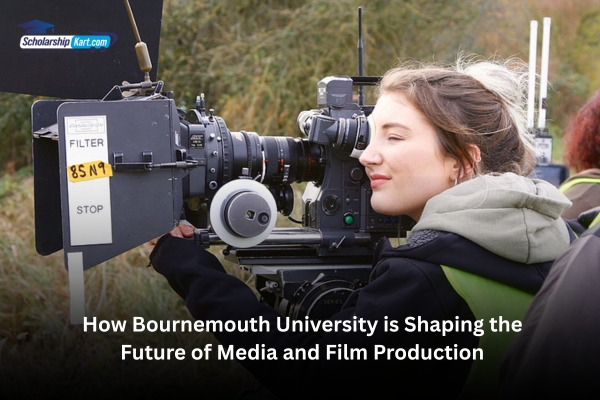
Educating media professionals since 1985, the University has steadily grown into the UK’s largest centre for professional media education in Higher Education, a position achieved through deep-rooted industry collaboration, sustained investment in professional facilities, and a teaching philosophy that blends creativity with real-world accountability.
This reputation is the result of a learning ecosystem where students are trained in industry-standard environments, mentored by active practitioners, and immersed in collaborative production cultures that mirror professional film, television, audio, and digital media industries.
For students arriving from diverse backgrounds and cultures, Bournemouth University offers more than just a degree. It provides access to a globally connected media education hub that combines British academic rigour with international industry relevance.
This international standing reassures aspiring storytellers from around the world that their education is recognised, respected, and aligned with global media practices.
Secure your UK study plans with ScholarshipKart. You’ll receive comprehensive support from our expert counsellors, from crafting strong applications and securing scholarships to mastering the visa process. Studying Media and Film Production at Bournemouth University in the UK has never been more achievable—let’s make it your reality.
How Bournemouth University Leads Media and Film Production Education
Let’s delve deeper into how Bournemouth University has built a globally respected environment for Media and Film Production, one that impeccably blends industry collaboration, professional practice, and creative innovation to prepare future-ready media professionals.
Rankings and Recognition That Reinforce Confidence
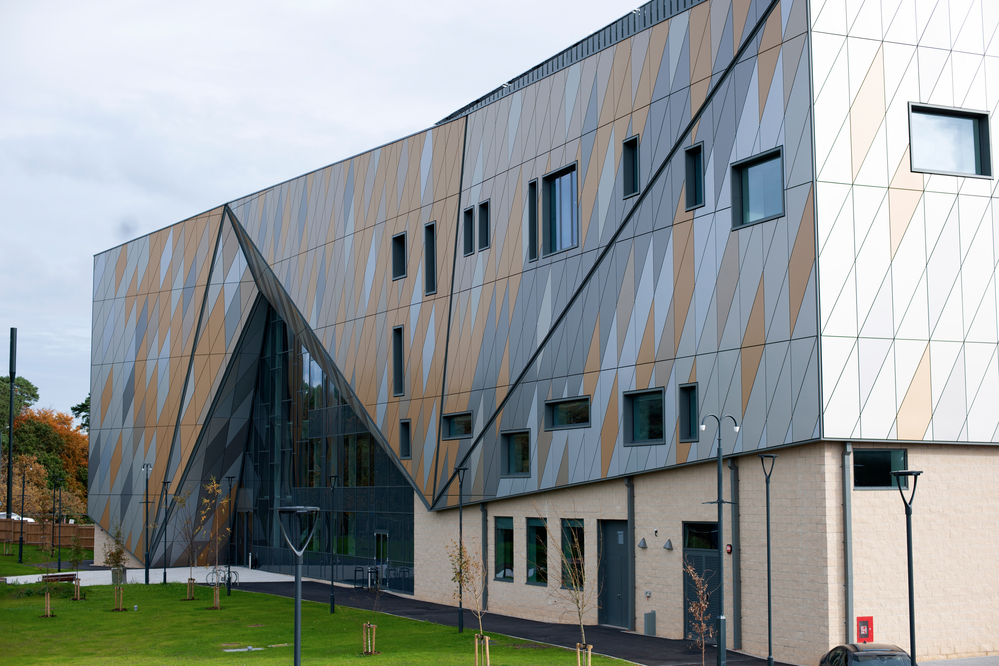
Bournemouth University’s standing is supported by measurable indicators of graduate success and industry relevance:
• The Department of Media Production is the UK’s largest centre for professional media education in Higher Education.
• It is one of the very few full UK members of CILECT, the global association of the world’s leading film and television schools. Bournemouth University demonstrates a clear global outlook.
• Graduates entering the media industry at the UK’s top employers report a median starting salary of £31,500, according to ScreenSkills, highlighting strong career outcomes.
These facts provide reassurance to aspiring media professionals seeking an education that delivers tangible career value.
Learning Designed with Industry at Its Core
One of the strongest reasons to study Media and Film Production at Bournemouth University lies in how its courses are developed. Every programme within the Department of Media Production is designed in close collaboration with industry and education partners.
This approach ensures that what students learn directly reflects the skills, workflows, and expectations of today’s professional media environments. Rather than teaching theory in isolation, the University embeds industry knowledge into curriculum design, allowing students to graduate with skills that employers actively seek.
This industry-driven design is particularly beneficial for those building careers beyond their home countries. Media industries differ across regions, but professional standards, production roles, and collaborative practices remain globally consistent.
By training within a curriculum shaped by major media organisations, students gain transferable skills that travel across borders and media markets, strengthening employability in an increasingly globalised creative economy.
A Unique Academic and Research Environment
Bournemouth University’s strength in Media and Film Production is further reinforced by its research excellence.
The Department of Media Production is home to the UK’s only Centre for Excellence in Media Practice (CEMP), awarded Centre of Excellence status in 2004 by the Higher Education Funding Council.
CEMP conducts research funded by media organisations, charities, government departments, and the private sector, ensuring that academic inquiry remains connected to professional practice.
Research themes span media work and industry practices, media education, creative practice, sustainability and ethics, and the media’s role in politics and social change. Academics and doctoral researchers publish widely, contributing to journals, books, and edited collections that shape global media scholarship.
The department also hosts the Experimental Media Research Centre (EMERGE), a practice-led research centre exploring experimental media, documentary video, digital arts, networked audio, and spatial interaction.
By engaging with interdisciplinary research, students benefit from teaching that is informed by cutting-edge creative and critical inquiry.
Courses That Reflect the Full Media Spectrum
Bournemouth University offers a comprehensive range of undergraduate and postgraduate programmes that reflect the breadth of contemporary media production.
At the undergraduate level, courses such as BA (Hons) Film, BA (Hons) Film & TV Production, BA (Hons) Media Production, BA (Hons) Music and Sound Production, and BA (Hons) Film Production and Cinematography allow students to specialise while remaining grounded in collaborative practice.
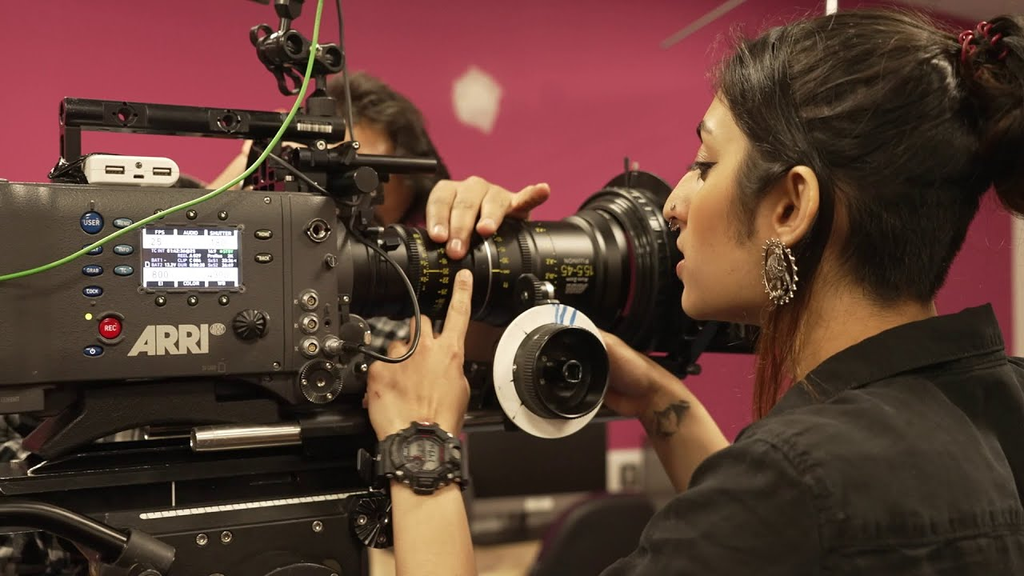
These programmes cover everything from location filmmaking and studio production to audio creation, scriptwriting, and digital media design. Students work with professional digital cinema cameras, including Sony FS7 and FS5, as well as 16mm and 35mm celluloid film cameras, nonlinear editing suites, and industry-standard software such as Adobe Premiere and Avid.
Postgraduate course offerings extend this specialisation further, with programmes in Cinematography, Directing, Post Production Editing, Producing, Scriptwriting, Sound Design for Screen, Production Management, and Film & Television.
As the first UK university to offer an MA in Sound, Bournemouth University demonstrates its pioneering role in media education. These advanced courses develop artistic vision, technical mastery, leadership, and collaborative expertise, preparing graduates for senior roles across global media industries.
A Faculty That Connects Creativity and Technology
Media education at Bournemouth University is supported by the Faculty of Media, Science and Technology and The Media School, both of which combine academic expertise with creativity and innovation.
The Media School’s facilities, from TV studios and soundstages to newsrooms and music production spaces, immerse students in professional environments from the outset. Large-scale collaborative projects, such as the participation of 300 media students in live coverage of the 2024 US Presidential election, demonstrate the scale and ambition of experiential learning at the University.
The presence of the National Centre for Computer Animation further enhances the creative ecosystem, promoting science in the service of the arts and equipping graduates with highly sought-after skills in animation, visual effects, and the games industries.
Professional Facilities That Mirror the Real World
Bournemouth University’s commitment to authenticity in learning is most visible in its facilities.
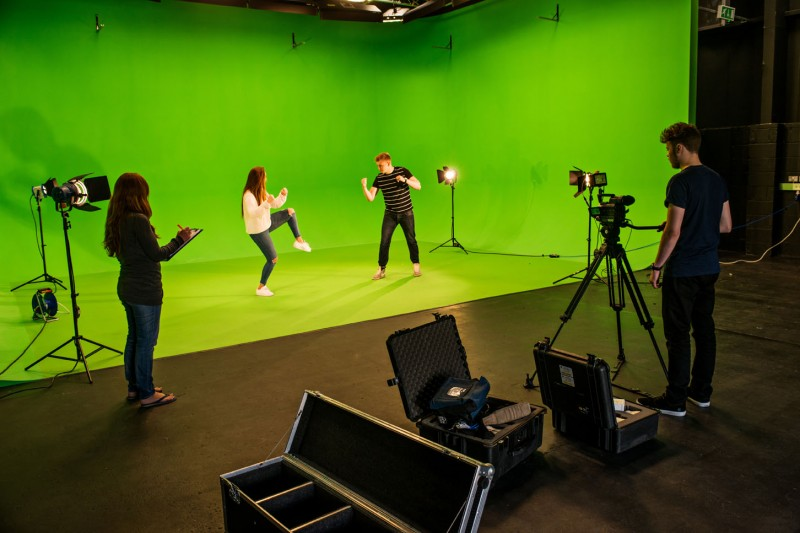
Based in the Poole Gateway Building, the Department of Media Production houses professional-level environments that replicate industry settings. Students work within a 5,000 square metre space that includes a 200 square metre soundstage studio, two 4K television studios, a green screen studio, radio and foley studios, recording studios, post-production suites, and screening theatres.
These spaces are not simulations; they are professional environments where students learn using the same tools and technologies found in the media industry itself.
This exposure is transformative for global learners. Studying in facilities that match professional standards builds confidence, technical fluency, and practical competence.
It allows students to transition more smoothly into professional roles, whether they pursue careers in the UK or return to media industries in their home countries equipped with world-class training.
A Placements Network That Opens Doors
Industry access at Bournemouth University extends well beyond campus facilities. The Department of Media Production maintains an extensive placement network that connects students with some of the most influential organisations in global media.
Opportunities with names such as the BBC, Working Title, Endemol, Discovery, and Disney demonstrate the scale and credibility of these partnerships. Through placements, students gain direct industry experience, apply their learning in professional contexts, and begin building networks that often shape long-term career trajectories.
For students navigating new cultural and professional landscapes, these placements provide invaluable insight into how international media organisations operate.
They offer practical exposure to workplace cultures, professional expectations, and collaborative workflows, helping students adapt more confidently to global media careers.
Collaboration as a Creative Foundation
Media production is inherently collaborative, and Bournemouth University embeds this reality into its teaching philosophy. Students work alongside peers from different disciplines, bringing together diverse creative perspectives to develop and realise projects.
This cross-disciplinary collaboration mirrors industry practice, where directors, producers, editors, sound designers, writers, and technicians must work in harmony to bring stories to life.
Early exposure to collaboration helps students refine their own creative identities while learning how to communicate effectively within teams.
For international students, this collaborative culture also fosters inclusion and belonging, creating supportive, creative communities that reflect the diversity of global media industries.
Building Professional Profiles Beyond the Classroom
Bournemouth University recognises that career readiness extends beyond formal coursework.
Students are encouraged to strengthen their professional profiles through extracurricular opportunities offered by student-led platforms such as Nerve Media and BIRSt Radio.
Nerve Media provides hands-on experience in radio, television, and magazine publishing, while BIRSt Radio holds the distinction of being the first UK student-run internet radio station, offering creative, innovative, and interactive audio production opportunities.
In addition, initiatives such as The Story Works allow students to engage with community storytelling projects, running writing workshops for schoolchildren in Bournemouth, Christchurch, and Poole.
These experiences help students develop leadership, communication, and creative confidence while building portfolios that demonstrate real-world impact.
A Department Defined by Inclusivity and Excellence
The Department of Media Production is known not only for its scale and facilities but also for its values. It is an inclusive, creative, and industry-focused department that sits at the forefront of sustainable media practice.
The award of the Bronze Athena Swan Charter reflects the department’s commitment to gender equality and inclusive working practices, ensuring an equitable environment for students and staff alike.
This culture of openness is particularly meaningful for learners arriving from different social and cultural contexts. Studying within an environment that actively promotes inclusivity allows students to express diverse perspectives, enriching creative work while feeling supported and respected.
Preparing for Careers Without Borders
The ultimate measure of a Media and Film Production education is how effectively it prepares graduates for professional life.
Bournemouth University’s emphasis on industry-aligned teaching, professional facilities, placements, collaboration, and research-led practice ensures that graduates are not only creatively confident but also industry-ready.
The ever-evolving media sector demands adaptability, technical fluency, and collaborative intelligence, all of which are embedded into the learning experience at Bournemouth University.
For those embarking on creative journeys far from home, this education offers both grounding and opportunity. It provides a globally respected qualification, practical experience with world-leading organisations, and exposure to inclusive, forward-thinking media practices.
Conclusion
Studying Media and Film Production at Bournemouth University means joining a creative community that values practice, innovation, inclusivity, and global relevance.
From industry-developed courses and professional facilities to world-leading research centres and international networks, every element of the University’s media education is designed to help students thrive in competitive creative industries.
For aspiring filmmakers, producers, sound designers, editors, and media innovators, Bournemouth University offers an education that transforms passion into profession. It is a place where ideas are nurtured, skills are sharpened, and stories are shaped for screens around the world.
Dreaming of studying Media and Film Production at Bournemouth University in the UK? Book a Free Consultation with ScholarshipKart and let our expert counsellors guide you towards the perfect course match and a strong scholarship application. From IELTS preparation for crafting a winning profile to ensuring a smooth admission process, we help you make every step count.
Bournemouth University offers industry-focused Media and Film Production education with professional facilities, industry-developed courses, collaborative learning, placements, and research-led teaching.
The university offers undergraduate courses including BA (Hons) Film, BA (Hons) Film & TV Production, BA (Hons) Media Production, BA (Hons) Music and Sound Production, and BA (Hons) Film Production and Cinematography. Postgraduate options include Cinematography, Directing, Post Production Editing, Producing, Scriptwriting, Sound Design for Screen, Production Management, and Film & Television.
Yes. Students have access to professional environments including a 200-square-metre soundstage, two 4K television studios, a green screen studio, radio and foley studios, recording studios, post-production suites, and screening theatres.
Yes. Bournemouth University has an extensive placement network with organisations including the BBC, Working Title, Endemol, Discovery, and Disney, giving students opportunities to gain practical industry experience.
The university develops its Media Production programmes in collaboration with industry and education partners, helping ensure that students learn skills, workflows, and practices relevant to professional media environments.
Students work with professional digital cinema cameras such as Sony FS7 and FS5, 16mm and 35mm film cameras, nonlinear editing suites, and industry-standard software including Adobe Premiere and Avid.