
Choosing a university is one of the most significant decisions in a student’s academic journey. While course quality and career opportunities are often the primary considerations, the environment in which students live and study also has a lasting impact on their university experience.
For many students, particularly those moving to a new country, a campus university offers an ideal combination of academic excellence, convenience, safety, and an engaging social atmosphere.
This is one of the main reasons why campus universities continue to attract thousands of domestic and international students every year.
The UK is home to some of the world’s most impressive campus universities, offering carefully designed spaces where teaching facilities, accommodation, libraries, sports centres, restaurants, student services, and recreational areas are located within a single, connected environment.
Rather than travelling across a city between lectures, students can enjoy a seamless university experience where everything they need is only a short walk away.
For international students, this style of university life provides additional advantages. Arriving in a new country often involves adapting to a different culture, education system, and lifestyle.
A campus university creates a welcoming community where students can quickly settle in, build friendships, access support services, and participate in activities without worrying about long commutes or unfamiliar surroundings.
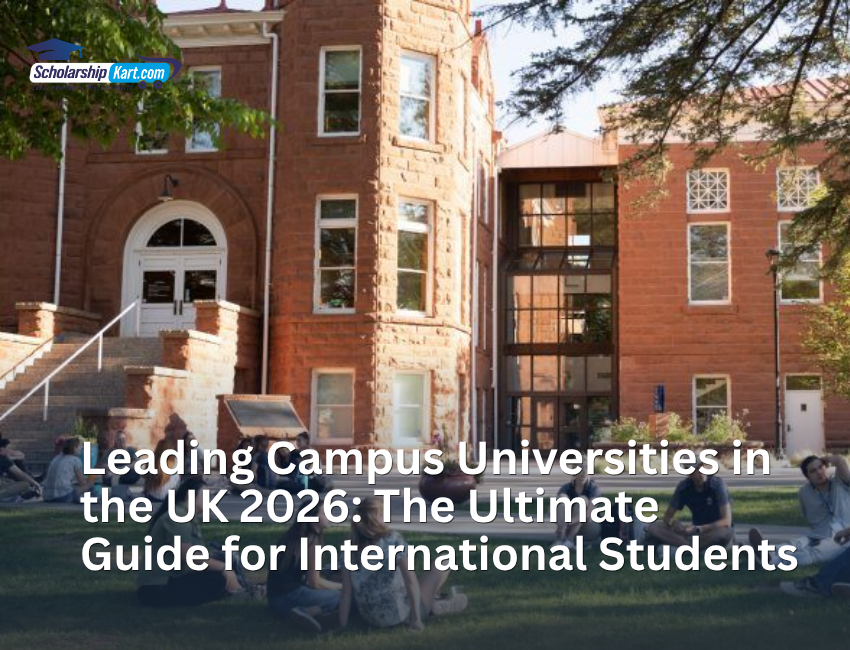
Let’s explore how campus universities differ from city universities, understand the key features that define an excellent campus, and discuss why these institutions continue to be a preferred choice for students from around the world.
What Is a Campus University in the UK?
A campus university is an institution where academic buildings, student accommodation, libraries, sports facilities, cafés, student unions, and social spaces are situated together on one main site.
Most campus universities in the UK are located on the outskirts of towns or cities, providing spacious surroundings with landscaped gardens, open green areas, and purpose-built facilities.
Instead of travelling between different parts of a city, students spend most of their time within a self-contained academic community. Everything needed for daily university life is conveniently located nearby, allowing students to focus more on learning, personal development, and social activities.
Most campus universities provide accommodation for first-year students, making the transition into university life considerably easier. Essential services such as supermarkets, medical facilities, laundries, cafés, banks, study areas, fitness centres, and student support offices are also located within walking distance.
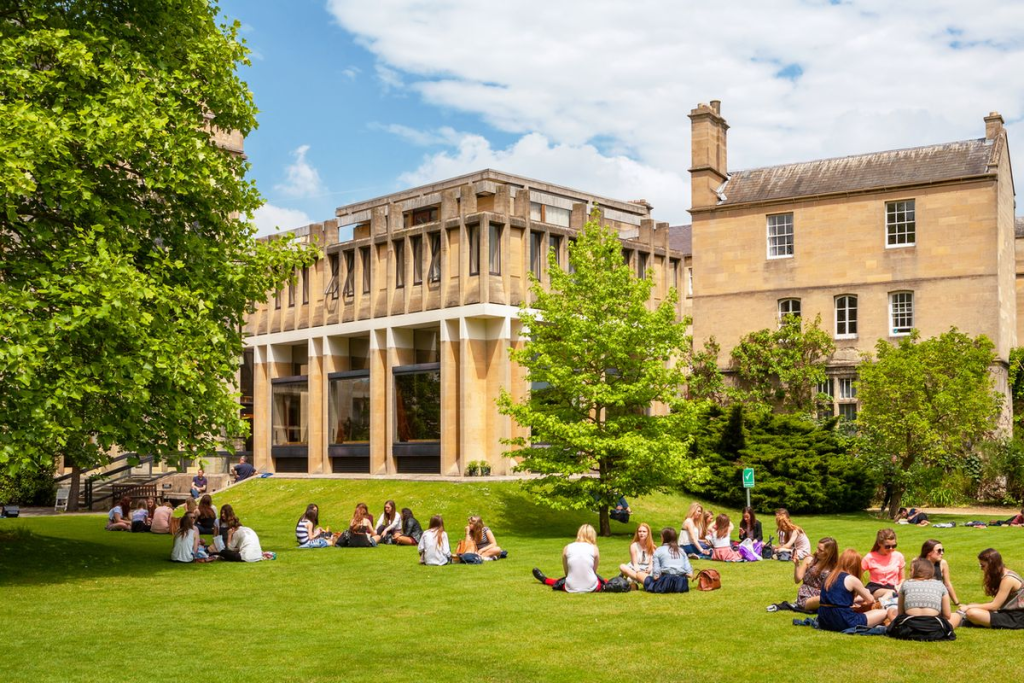
For international students, this arrangement significantly reduces the challenges associated with relocating abroad. Living close to classrooms, support services, and fellow students helps them become familiar with their surroundings more quickly while creating a comfortable and secure learning environment.
What Is a City University?
A city university operates differently from a traditional campus university. Rather than having all facilities concentrated in one location, its buildings are usually integrated into an existing city or town.
Some city universities have several academic buildings clustered together, while others are spread across multiple locations. Student accommodation is often located away from lecture buildings, requiring students to use public transport, cycle, or walk between different destinations throughout the day.
Studying at a city university offers direct access to urban attractions, including shopping districts, museums, entertainment venues, restaurants, and cultural experiences. Students become part of the wider local community and enjoy the fast-paced atmosphere of city life.
For international students, city universities can provide exciting opportunities to explore British culture and build professional networks. However, they may also involve longer travel times, higher living costs in some locations, and a more independent approach to navigating everyday life.
Campus University vs City University: Understanding the Difference
Although both campus and city universities deliver high-quality education, the overall student experience differs considerably.
Campus universities are designed to keep every aspect of university life close together. Academic buildings, accommodation, recreational spaces, and student services operate within one connected environment. This creates a close-knit community where students naturally interact throughout the day, whether attending lectures, participating in sports, joining societies, or relaxing in communal spaces.
City universities, by contrast, immerse students in the energy of urban life. Students experience greater interaction with local communities, businesses, cultural attractions, and transport networks. While this provides excellent opportunities for exploration, it also requires greater independence in managing travel and daily schedules.
For many international students, campus universities offer a smoother transition into life in the UK because they provide an organised, student-focused environment that encourages both academic success and personal wellbeing.
Why Many Students Prefer Campus Universities
One of the greatest strengths of a campus university is the sense of belonging it creates. Students study, live, exercise, socialise, and participate in extracurricular activities within the same community, making it easier to build meaningful friendships.
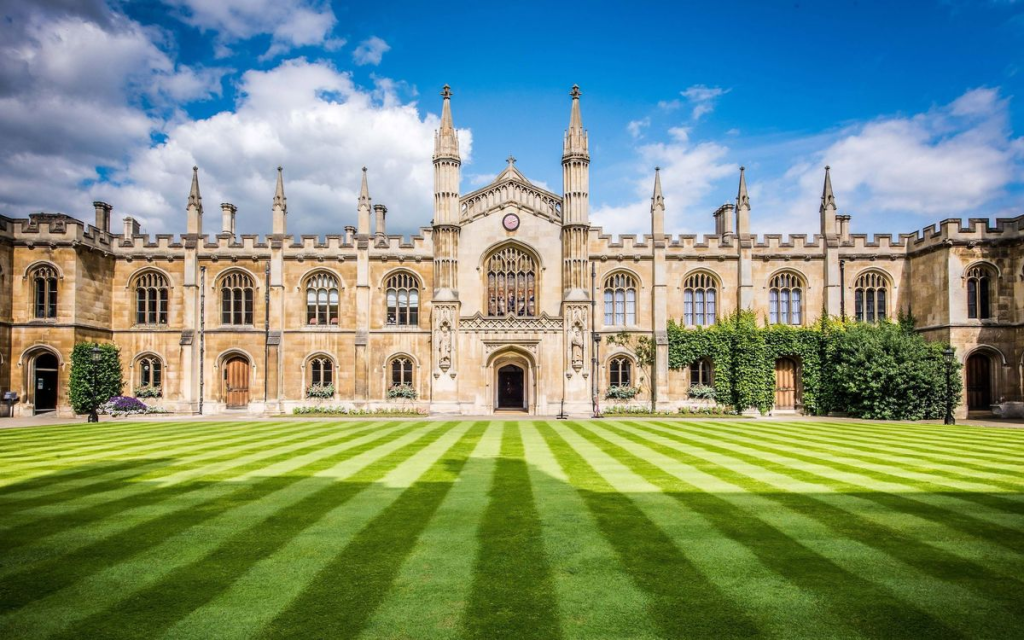
The abundance of green spaces also contributes to a healthier lifestyle. Beautiful gardens, lakes, woodland areas, and landscaped parks provide peaceful environments for studying outdoors, exercising, or simply relaxing after lectures.
Walking between classes instead of commuting saves valuable time every day. Students can attend lectures, visit the library, meet classmates, participate in club activities, and return to their accommodation without relying heavily on public transport.
Campus universities also tend to organise numerous cultural events, performances, sports competitions, workshops, and student activities throughout the academic year. These events encourage students from different backgrounds to connect with one another, enriching the overall university experience.
International students particularly benefit from these opportunities because they provide natural ways to improve communication skills, experience British culture, and develop friendships with people from across the world.
Challenges of Campus Universities
Although campus universities offer many advantages, they may not suit every student equally.
Because students spend most of their time within the university environment, some individuals may feel that campus life becomes repetitive. The close-knit nature of campus communities can sometimes create a “campus bubble,” where students have fewer interactions with the wider local community.
Depending on the institution, travelling to nearby towns or cities for shopping, nightlife, or part-time employment may require additional time and transportation.
On-campus accommodation can also be more expensive than some private housing options available nearby. Since many universities primarily guarantee accommodation during the first year, students should also consider where they might live in later years and evaluate transport connections between nearby residential areas and the university.
However, many students find that living off campus after the first year creates a healthy balance between academic life and personal independence while still allowing easy access to university facilities.
Advantages of Studying at a City University
City universities appeal to students who enjoy vibrant urban environments filled with entertainment, shopping, cultural attractions, and professional opportunities.
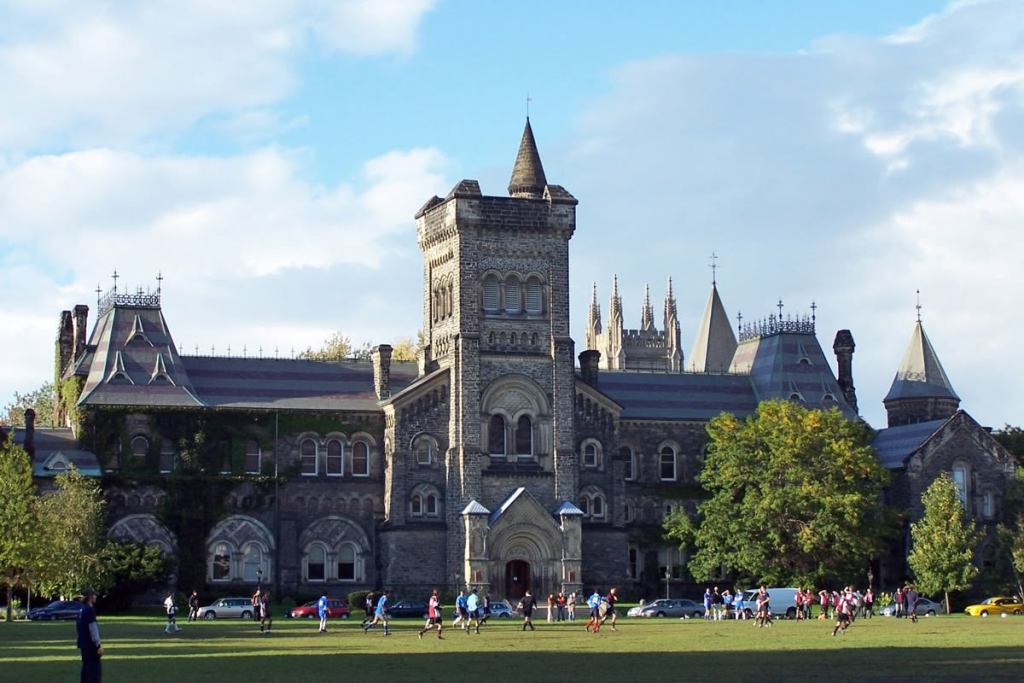
Living within a city allows students to experience local traditions, festivals, museums, theatres, restaurants, and nightlife more frequently. Public transport networks often make travelling across the city convenient, while accommodation choices can be more varied.
Students also benefit from stronger connections with local employers, businesses, and community organisations, creating valuable opportunities for internships and part-time work.
International students interested in experiencing everyday British city life may find these universities particularly attractive because they encourage greater interaction beyond the academic environment.
Potential Challenges of City Universities
Despite their exciting atmosphere, city universities present certain practical challenges.
University buildings may be located across several sites, requiring students to travel between lectures throughout the day. Accommodation is often situated away from academic buildings, increasing commuting time.
The busy nature of cities can also create noisier surroundings compared with the peaceful environment found on many campus universities.
Building close friendships may sometimes require greater effort because students are spread across different accommodation areas and campuses rather than living together within one integrated community.
For international students adapting to a completely new country, navigating unfamiliar transport systems and balancing longer travel times may initially feel overwhelming.
What Makes a Great Campus University?
Several important features distinguish an outstanding campus university from an average one.
The size and design of the campus play a major role in student satisfaction. A spacious campus with well-planned academic buildings, green landscapes, recreational facilities, and study spaces creates an environment where students can learn comfortably throughout the year.
Accommodation is another essential consideration. Universities that provide quality first-year housing help students settle more confidently into university life while reducing the stress associated with finding private accommodation immediately after arriving in the UK.
Modern libraries, sports complexes, cafés, restaurants, student unions, healthcare facilities, and social spaces contribute significantly to the overall student experience. Having these services within walking distance allows students to manage their academic responsibilities more efficiently.
A strong sense of community is equally valuable. Universities that encourage participation through clubs, societies, cultural celebrations, volunteering opportunities, and student events help students develop friendships that often last long after graduation.
Reliable transport links also remain important. Although campus universities provide most daily necessities on-site, students eventually need convenient access to nearby towns, railway stations, airports, and employment opportunities. Easy transport connections become particularly useful when students move into private accommodation after their first year.
For international students, these factors combine to create an environment that supports academic achievement, personal wellbeing, cultural integration, and independent living. Rather than worrying about logistics, students can focus on developing new skills, expanding their networks, and making the most of every aspect of university life.
The UK’s leading campus universities successfully combine excellent academic facilities with welcoming communities, vibrant student life, impressive recreational spaces, and strong support systems.
Let’s explore the top campus universities in the UK for 2026 and discover what makes each institution unique for both domestic and international students.
Planning to study at a leading UK campus university in 2026? Book a free consultation with an expert consultant to know in detail about courses, universities, application and visa process. Inquire about scholarships to make your study abroad journey seamless.
The UK’s Best Campus-Based Universities Offering an Exceptional Student Experience
University of Warwick: A Dynamic Campus Designed for Academic Excellence
Ranked among the leading campus universities in the UK, the University of Warwick has built a reputation for combining world-class education with an outstanding student experience.
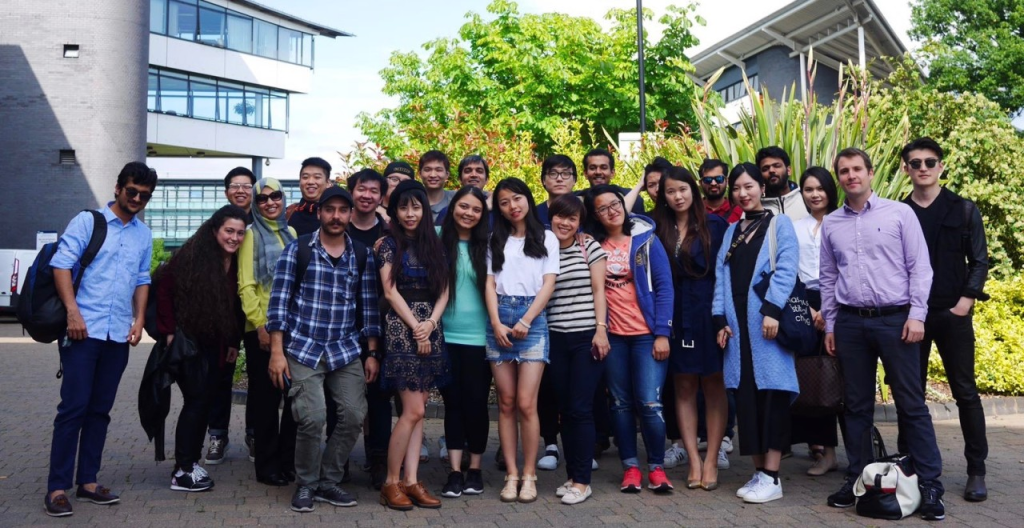
Established during the expansion of campus universities in the 1960s, Warwick features a large, self-contained campus on the edge of Coventry where academic buildings, accommodation, study spaces, and leisure facilities are thoughtfully integrated into one location.
This carefully planned environment enables students to move easily between lectures, libraries, residences, and recreational facilities without lengthy commutes.
One of Warwick’s greatest strengths is its wide variety of study environments. Students can choose quiet spaces for independent learning, collaborative areas for group projects, or vibrant cafés that provide an energetic atmosphere for studying.
Beautiful green landscapes across the campus also create peaceful outdoor spaces where students can read, relax, or reflect between classes. Dedicated postgraduate facilities, including the Postgrad Hub and Wolfson Research Exchange, further demonstrate the university’s commitment to supporting advanced learning and research.
The campus also offers an impressive range of extracurricular opportunities. Warwick Arts Centre, one of the UK’s largest multi-functional performing arts venues, houses theatres, a concert hall, cinema, music centre, and art gallery, regularly welcoming national and international performances.
Students also enjoy access to the Sports and Wellness Hub, featuring a gym, swimming pool, climbing centre, fitness studios, and numerous wellness programmes. The lively Piazza hosts cultural celebrations, outdoor screenings, performances, and major sporting events throughout the year, creating an engaging social atmosphere.
For international students, Warwick provides a particularly welcoming environment. More than 300 student societies and clubs encourage interaction with peers from diverse cultural backgrounds, making it easier to build friendships and become part of the university community.
Frequent transport links to Coventry, Leamington Spa, and Birmingham allow students to enjoy nearby cities while benefiting from the safety, convenience, and supportive atmosphere of campus living.
Loughborough University: A Campus Where Community and Sport Thrive Together
Loughborough University has consistently earned recognition as one of the UK’s leading universities, particularly for its remarkable sporting achievements. Its expansive 523-acre single-site campus combines outstanding academic facilities with beautifully maintained green spaces, creating an environment where learning and wellbeing complement one another.
Every essential facility is located within easy walking distance, including teaching buildings, halls of residence, sports venues, the Students’ Union, cafés, restaurants, and healthcare services. Students can also use the campus bus for convenient travel around the university when needed.
The campus medical centre, pharmacy, and dental facilities ensure that healthcare support is readily available throughout the academic year.
Loughborough is equally recognised for its vibrant student life. Exhibition venues, performance spaces, restaurants, bars, and cafés contribute to a lively social environment beyond the classroom.
Two fully equipped gyms, a swimming pool, and world-class sports facilities reinforce the university’s long-standing reputation as one of Britain’s strongest sporting institutions.
For international students, Loughborough’s integrated campus simplifies everyday life. New arrivals can easily navigate the university, participate in sports and student organisations, and develop friendships within a close-knit community.
The university’s location also provides convenient access to Nottingham, Leicester, and Derby, allowing students to explore nearby cities while enjoying the tranquillity of a green campus.
University of Bath: Combining Peaceful Campus Living with City Convenience
Situated at Claverton Down just outside Bath city centre, the University of Bath offers an attractive balance between peaceful campus surroundings and excellent urban accessibility. Surrounded by open green spaces, the campus accommodates academic buildings, student residences, sports facilities, and an arts complex within one connected location.

Students benefit from modern learning environments alongside excellent recreational facilities, allowing them to maintain a healthy balance between academic responsibilities and personal wellbeing.
Reliable bus services operating throughout term time ensure that students can easily travel between the campus and Bath city centre, while Bristol is only a short train journey away for those wishing to experience another vibrant cultural destination.
For international students, this combination offers the best of both worlds. The campus provides a secure and supportive environment for settling into university life, while nearby cities offer opportunities to experience British culture, entertainment, and everyday life without sacrificing the convenience of campus living.
Lancaster University: A Collegiate Campus Built Around Community
Lancaster University offers a distinctive campus experience through its collegiate system, which forms an integral part of student life. Every student becomes a member of one of the university’s colleges upon enrolment, remaining connected to that community throughout their studies regardless of where they choose to live after their first year.

This collegiate structure encourages friendships across different academic disciplines by organising regular social events, activities, and community initiatives. Individual colleges also provide unique facilities such as music rooms, craft spaces, games areas, and social lounges that enrich the student experience beyond formal education.
Lancaster’s extensive sports facilities include a climbing wall, swimming pool, squash courts, a multi-floor gym, sports halls, outdoor pitches, and tennis courts. Students can participate recreationally, compete through sports societies, or represent the university during the famous Roses Tournament against the University of York, one of the UK’s largest university sporting events.
Dining options are equally diverse, with numerous university-owned cafés, bars, restaurants, and well-known food outlets serving a wide range of international cuisines. More than 200 clubs and societies organised by the Students’ Union ensure that every student can pursue personal interests and develop valuable friendships.
International students particularly benefit from Lancaster’s college system because it creates an immediate sense of belonging. The supportive community makes it easier to adapt to life in the UK while encouraging cultural exchange through everyday interactions and organised activities.
University of Exeter: Outstanding Natural Surroundings with Modern Student Life
The University of Exeter combines academic excellence with some of the most picturesque campuses in the United Kingdom. Most students study at the Streatham Campus, which features lakes, woodland, botanical gardens, and a blend of historic and contemporary architecture. Additional campuses at St Luke’s in Exeter and Penryn in Cornwall provide equally distinctive learning environments.

Exeter offers more than 400 student societies spanning academic, sporting, cultural, and recreational interests. Students can explore new hobbies, compete in national sporting events, or join unique societies that reflect diverse personal interests.
Dedicated Residence Life teams and student mentors also provide ongoing wellbeing and accommodation support throughout the first year.
The surrounding region enhances the university experience considerably. Exeter is a safe, walkable city known for its independent cafés, shopping areas, and cultural attractions. Its proximity to beaches and Dartmoor National Park creates opportunities for hiking, cycling, surfing, and outdoor recreation throughout the year.
For international students, Exeter delivers an exceptional balance of academic support, outdoor adventure, and community engagement. The combination of beautiful natural surroundings, comprehensive student services, and excellent transport connections contributes to a welcoming and rewarding university experience.
University of York: A Beautiful Campus with a Strong Community Spirit
The University of York offers a spacious campus spread across award-winning parkland, where lakes, landscaped gardens, and abundant wildlife create a calm and inspiring learning environment.

Accommodation and teaching facilities are organised around eleven colleges, encouraging interaction between students from different academic disciplines while strengthening the university’s close-knit community.
More than 200 student societies and over 65 sports clubs provide opportunities for students to pursue hobbies, volunteer, compete in sports, and participate in cultural events. York has also been recognised as Community University of the Year 2026, reflecting its strong partnerships with both students and the wider community.
Located only a short journey from the historic city centre, York’s campus allows students to enjoy both peaceful surroundings and easy access to one of England’s most culturally significant cities. Excellent rail connections further enable convenient travel to London, Newcastle, Edinburgh, and other major destinations.
International students benefit from York’s welcoming collegiate environment, where community engagement plays a central role in student life. The university’s supportive atmosphere encourages students to integrate confidently while exploring both campus activities and the city’s rich heritage.
University of Surrey: Modern Facilities in a Green Campus Setting
The University of Surrey’s main campus in Guildford successfully combines attractive green spaces with modern academic facilities. Students have convenient access to libraries, study areas, food markets, cafés, accommodation, shops, and recreational facilities within a carefully designed campus environment.

Surrey Sports Park, located nearby at Manor Park, further enhances student life by providing excellent fitness and sporting opportunities. Comfortable social spaces across the campus encourage students to relax, collaborate, and connect outside the classroom.
Guildford itself offers an appealing blend of historic character and contemporary amenities, while frequent rail services place London within easy reach. This allows students to experience both the peaceful atmosphere of a campus university and the opportunities available in the UK’s capital city.
For international students, Surrey offers an ideal environment for balancing academic commitments with social development. Its manageable campus layout and supportive facilities help students settle quickly into university life.
University of Nottingham: Award-Winning Campuses with Vibrant Student Life
The University of Nottingham stands out for its impressive collection of campuses, each offering a distinctive learning environment. University Park, the main campus, spans 300 acres of landscaped parkland centred around a picturesque lake. Jubilee Campus showcases modern architecture and sustainable design, while Sutton Bonington provides a close-knit community for Biosciences and Veterinary Medicine students.

The Students’ Union serves as the centre of campus activity, supporting hundreds of clubs, societies, and social events throughout the academic year. Students also enjoy access to excellent sports facilities, extensive wellbeing services, and a wide variety of cultural activities through Lakeside Arts Centre.
Accommodation is guaranteed for first-year students, making the transition to university life considerably easier. Beyond the campus, Nottingham’s lively cultural scene, independent cafés, and entertainment venues further enrich the overall student experience.
International students benefit from Nottingham’s combination of strong academic support, beautiful surroundings, active student organisations, and convenient access to city attractions, creating a balanced and engaging university lifestyle.
University of Essex: A Diverse Campus with Strong Cultural Opportunities
The University of Essex has developed a reputation for fostering an inclusive and internationally focused community. Its main campus in Colchester is surrounded by ancient oak trees and natural landscapes while remaining only a short distance from the historic city centre.

Students can participate in more than 70 societies and over 40 sports clubs through the Students’ Union, creating opportunities to explore personal interests and meet students from around the world. Creative expression is also encouraged through facilities such as ESCALA, the university’s internationally recognised Latin American art collection, the Art Exchange gallery, and the Lakeside Theatre.
The university’s Colchester location offers access to centuries of history, while the Loughton campus provides close proximity to London alongside nearby green spaces such as Epping Forest.
For international students, Essex’s multicultural environment creates a welcoming atmosphere where cultural diversity is celebrated. Numerous societies representing different nationalities, faiths, and interests help students build supportive friendships and feel at home.
Heriot-Watt University: Peaceful Parkland Living Near Edinburgh
Heriot-Watt University offers an outstanding campus experience within 380 acres of scenic parkland just outside Edinburgh. Originally the grounds of Riccarton House, the campus combines natural beauty with modern academic facilities and accommodation for approximately 2,000 students.

One of the university’s greatest attractions is Oriam, Scotland’s Sports Performance Centre, which provides world-class training facilities including indoor pitches, fitness studios, and fully equipped gyms. The Student Union supports more than 60 societies covering academic, cultural, recreational, and faith-based interests, while the Sports Union offers over 30 competitive and recreational clubs.
Frequent bus services connect the campus with Edinburgh city centre in approximately thirty minutes, allowing students to enjoy Scotland’s capital while returning to the peaceful atmosphere of campus living.
For international students, Heriot-Watt provides an excellent balance between community-focused campus life and access to one of Europe’s most historic cities. This combination supports both academic success and cultural exploration throughout the university journey.
Other Campus Universities Worth Considering in the UK
Although the universities above are among the highest-ranked campus institutions, several other universities also provide excellent campus environments.
These include Aberystwyth University, Bournemouth University, Keele University, the University of East Anglia (UEA), the University of Hertfordshire, the University of Kent, the University of Stirling, and the University of Sussex.
Each offers a distinctive campus experience with modern facilities, supportive student communities, and attractive surroundings that appeal to both UK and international students.
Conclusion: Finding the Right Campus University for Your Future
Selecting the right university extends beyond academic rankings alone. The quality of the campus environment, availability of student support, accommodation, recreational facilities, transport links, and opportunities for personal growth all contribute significantly to a fulfilling university experience.

Campus universities are designed to create an integrated environment where education, wellbeing, and community come together, enabling students to focus on achieving their academic and personal goals.
For international students, these advantages are even more valuable. A self-contained campus simplifies the transition to a new country by offering convenient access to accommodation, learning resources, healthcare, student societies, and cultural activities within a supportive community.
The opportunity to build friendships, participate in campus events, and access comprehensive support services helps students develop confidence while adapting to a new educational system.
Whether your priority is outstanding sports facilities at Loughborough, the creative atmosphere of Warwick, Lancaster’s unique collegiate community, Exeter’s breathtaking natural surroundings, or the historic charm of York, the UK’s best campus universities for 2026 provide exceptional environments in which students can thrive academically, socially, and personally.
Choosing the campus that best matches your ambitions and lifestyle can lay the foundation for a rewarding university journey and a successful future.
Take the first step toward your dream UK university today. Connect with ScholarshipKart for expert support on course selection, university applications, student visas, and scholarship opportunities—schedule your free consultation and start your journey with confidence.
A campus university is an institution where academic buildings, student accommodation, libraries, sports facilities, cafés, and student services are located within a single, self-contained campus. This setup allows students to access everything they need within walking distance.
Campus universities have all major facilities in one location, creating a close-knit student community. City universities are spread across different parts of a city, offering students greater exposure to urban life but often requiring daily commuting.
Campus universities are often preferred by international students because they provide a safe, supportive, and convenient environment. Living close to classes, accommodation, and student services helps students adjust more easily to life in the UK.
Yes. Most UK campus universities guarantee on-campus accommodation for first-year international students, making the transition to university life much easier.
Tuition fees are generally similar, but living costs can vary. Campus universities may help students save money on transportation since most facilities are within walking distance.
Yes. International students with a valid UK Student Visa can usually work part-time during term time and full-time during holidays, subject to UK visa regulations.