
Psychology, the scientific study of mind and behaviour, has become one of the most dynamic and impactful fields of the 21st century. In a world driven by rapid technological, social, and cultural change, understanding how people think, feel, and act is more important than ever.
From artificial intelligence and workplace dynamics to mental health and education, psychology provides the tools to decode human behaviour and design better, more empathetic systems.
For Indian students looking to make a difference in people’s lives while building a rewarding international career, the UK offers one of the most prestigious and practical pathways to study psychology.
The country has been a global leader in psychological thought and research since the 19th century, with pioneering contributions that have shaped modern understanding of cognition, emotion, and behaviour.
Studying psychology in the UK means immersing yourself in world-class teaching, cutting-edge research, and hands-on learning guided by some of the best academics and practitioners in the field.
Whether your interest lies in clinical practice, neuroscience, organisational behaviour, or counselling, the UK offers the perfect environment to explore the complexity of the human mind and prepare for a career with real global impact.
Why Study Psychology in the UK?
The UK stands at the very forefront of psychological education and research. From historic universities like Cambridge and Oxford to progressive institutions like University College London (UCL), British universities have produced generations of thought leaders, researchers, and practitioners who continue to shape global conversations on mental health, learning, and social behaviour.

Here is why thousands of international students, particularly from India, choose to study psychology in the UK every year:
1. A Legacy of Excellence in Psychological Research
Modern psychology has deep roots in the UK. Some of the earliest academic departments dedicated to psychological study were established here, with the British Psychological Society (BPS) founded at University College London in 1901.
Since then, the UK has remained a global powerhouse of psychological inquiry, fostering innovations in experimental psychology, clinical therapy, and behavioural science.
Today, three of the world’s top psychology departments, at the University of Cambridge, University of Oxford, and University College London (UCL), continue to lead pioneering research into cognition, mental health, and neuropsychology.
2. Globally Recognised Degrees and Accreditation
A psychology degree from the UK is more than just an academic qualification; it is a globally respected credential that meets professional standards across countries.
Most UK psychology programmes are accredited by the British Psychological Society (BPS), ensuring that graduates meet the rigorous criteria required for becoming Chartered Psychologists.
For Indian students, this accreditation holds immense value, as it not only enhances employability in the UK but also demonstrates a solid academic foundation recognised worldwide.
3. Research-Based and Practical Learning
UK psychology programmes go beyond textbooks and lectures. They blend theoretical knowledge with real-world application, allowing students to gain practical insights into human behaviour.
You will get the opportunity to design experiments, analyse data, and use advanced software and laboratory equipment to study cognition and emotion in action.
Many universities also offer clinical placements, counselling workshops, and applied research projects, ensuring that graduates leave with both academic knowledge and professional skills.
4. Modern Curriculum and Flexibility
The UK education system is known for its flexibility. Psychology students can tailor their learning through modular courses, choosing electives that match their personal interests and career goals. Whether you are passionate about child psychology, forensic science, or neuropsychology, there is a specialisation for you.
Moreover, UK programmes emphasise critical thinking, statistical analysis, and scientific inquiry, giving you a skill set that is applicable in diverse industries such as healthcare, marketing, human resources, and education.
5. A Thriving International Learning Environment
With students from over 180 countries, UK universities are vibrant global communities. This multicultural environment is especially enriching for psychology students, as it exposes them to diverse perspectives on human behaviour, cultural identity, and mental health.
Indian students find the UK particularly welcoming, with active student unions, cultural associations, and strong mental health support systems in place.
6. Strong Career and Research Opportunities
Psychology graduates from the UK are in high demand worldwide. Whether you aspire to work as a clinical psychologist, organisational consultant, counsellor, or researcher, your UK degree will equip you with analytical, interpersonal, and critical thinking skills sought after in every sector.
Furthermore, the UK’s focus on research innovation means students can engage with world-class projects in neuroscience, cognitive science, and mental health, setting the stage for future doctoral study or professional practice.
Dreaming of studying Psychology in the UK and understanding what drives human behaviour? Let ScholarshipKart guide your journey — from selecting the ideal course and university to managing application, visa, and scholarship processes. Enhance your profile with IELTS preparation, SOP support, and essential study and settlement insights for life in the UK. Start your transformative academic path in Psychology with ScholarshipKart today!

Types of Psychology Courses in the UK
The field of psychology is vast, and UK universities offer programmes designed to cater to different academic levels, specialisations, and career goals. From foundational undergraduate degrees to advanced postgraduate research, students can explore the human mind through multiple lenses.

1. Undergraduate Psychology Degrees
At the undergraduate level, psychology can be studied as a Bachelor of Arts (BA) or Bachelor of Science (BSc). While both are equally respected, they differ slightly in focus and approach.
BA in Psychology
The BA focuses on the social, cultural, and philosophical aspects of human behaviour. It is ideal for students interested in counselling, social work, education, or applied psychology within community settings.
BSc in Psychology
The BSc has a stronger scientific foundation, emphasising biological, cognitive, and experimental psychology. It suits students who wish to pursue research, neuroscience, or clinical practice.
Regardless of the degree type, students study core modules such as:
- Cognitive and developmental psychology
- Biological and social psychology
- Research methods and statistics
- Personality and individual differences
- Mental health and wellbeing
Optional modules allow further specialisation in areas like criminal psychology, artificial intelligence and cognition, sport psychology, and behavioural neuroscience.
2. Postgraduate Psychology Courses (Master’s Degrees)
A Master’s in Psychology deepens understanding and provides specialised expertise. Students can pursue taught programmes (MSc, MA) or research-based degrees (MRes, MPhil).
Popular postgraduate specialisations include:
- Clinical Psychology
- Health Psychology
- Organisational/Occupational Psychology
- Forensic Psychology
- Counselling Psychology
- Cognitive Neuroscience
- Educational Psychology
These programmes often integrate clinical placements, research projects, and training in data analysis and behavioural assessment. Many are BPS-accredited, which is essential for those planning to become licensed practitioners.
3. Psychology Conversion Courses
For students who hold an undergraduate degree in another field, the UK offers Psychology Conversion Courses, intensive one-year programmes that cover the fundamental principles of psychology.
These courses are ideal for career changers or professionals from fields like education, business, or health sciences who wish to transition into psychology.
All BPS-accredited conversion courses provide the Graduate Basis for Chartered Membership (GBC), the first step toward becoming a professional psychologist.
4. Doctoral and Research Degrees (PhD in Psychology)
Students interested in advanced research or academic careers can pursue a PhD in Psychology. Doctoral programmes involve independent research under expert supervision and contribute new knowledge to the field.
PhD candidates often explore topics such as cognitive processes, developmental psychology, or social behaviour, and benefit from access to cutting-edge laboratories, neuroimaging facilities, and interdisciplinary research centres.
Course Entry Requirements in the UK
Each university has its own specific admission requirements, but there are general academic and language criteria for Indian students seeking admission to psychology programmes in the UK.
For Undergraduate Psychology Programs
Academic Requirements:
- Indian Standard XII: Minimum 75% overall from CBSE, ISC, or state boards, with strong grades in subjects like biology, psychology, or mathematics.
- A-Levels: ABB or higher.
- International Baccalaureate (IB): 34 points or above.
- English Language Proficiency:
- IELTS: Minimum 6.5 overall with no component below 6.0.
- TOEFL iBT: 90 or above.
- PTE Academic: 61 or above.
For Postgraduate & PhD Psychology Courses
Academic Requirements:
A Bachelor’s degree in psychology or a related discipline with a minimum equivalent of UK 2:1 honours (roughly 60–65% in India).
Students applying for conversion courses must hold a degree in any subject but should demonstrate interest in psychology.
English Language Requirements:
- IELTS: Minimum 6.5 overall with no component below 6.0. Some programmes require higher.
- TOEFL iBT: 100 or above.
- PTE Academic: 68 or above.

Documents Required
- Academic transcripts
- Statement of Purpose (SOP)
- Letters of Recommendation
- Proof of English proficiency
- Valid passport
- Updated CV or résumé
- Research proposal (for PhD applicants)
- Proof of funding or sponsorship
Most universities also look for evidence of analytical thinking, communication skills, and curiosity about human behaviour, qualities that can be demonstrated through your personal statement.
Some universities may also request an interview, especially for clinical and counselling psychology programmes, to assess applicants’ suitability for professional training.
How to Apply for Psychology Courses in the UK
Applying to study psychology in the UK involves several steps, but the process is well-organised and transparent. Here is how Indian students can steer it effectively.
1. Research and Shortlist Universities
Start by identifying universities that align with your career goals, budget, and interests. Look for:
BPS-accredited programmes
Availability of specialisations (clinical, forensic, educational, etc.)
Research facilities and placement opportunities
Websites like UCAS and individual university portals are excellent places to compare course modules, tuition fees, and entry requirements.
2. Prepare Your Application Documents
Gather all required documents, including:
- Academic transcripts
- Statement of Purpose (SOP)
- Letters of Recommendation (usually two)
- English proficiency scores
- Passport copy and updated CV
Your SOP should highlight your academic background, motivation to study psychology, specific interests, and career aspirations. For postgraduate applications, mention any relevant work, internships, or research experience.
3. Submit Your Application
For Undergraduate Programs: For Bachelor’s courses, apply through UCAS (Universities and Colleges Admissions Service). You can apply to up to five universities with a single application.
For Postgraduate and PhD Programs: For master’s programs and research courses, apply directly through the university’s online portal.
Ensure you adhere to each university’s application deadline, typically between October and January for undergraduate programmes and February to June for postgraduate ones.
4. Receive and Accept Your Offer
Once your application is reviewed, universities may issue:
Conditional Offer: Granted based on achieving specific exam results or language scores.
Unconditional Offer: Granted when all academic and language requirements are met.
After accepting your offer, you will receive a Confirmation of Acceptance for Studies (CAS), required for the visa process.
5. Plan for Arrival and Orientation
Once you have secured your admission, prepare for your journey by arranging accommodation, finances, and travel. UK Universities usually hold orientation sessions to help international students adjust to life in the UK, explore campus facilities, and connect with peers.
Scholarships for Psychology Students in the UK
Psychology is not just a subject; it is the art of building the future. And if the UK is your launchpad, scholarships can be the rocket fuel that propels your dreams sky-high.
For Indian students with big ambitions and limited budgets, the UK opens its golden gates wide with generous scholarship opportunities. These awards don’t just lighten your financial burden—they unlock doors to world-class universities, cutting-edge research, and global industry connections.
Let’s uncover the treasure map of scholarships that can turn your dream of studying psychology in the UK into a reality.
GREAT Scholarships: A Gateway to Greatness
True to their name, GREAT Scholarships are a fantastic opportunity for students from select countries, including India. Offered by the British Council and the UK government, these scholarships support postgraduate psychology aspirants with tuition funding up to £10,000.
Chevening Scholarships: The Crown Jewel
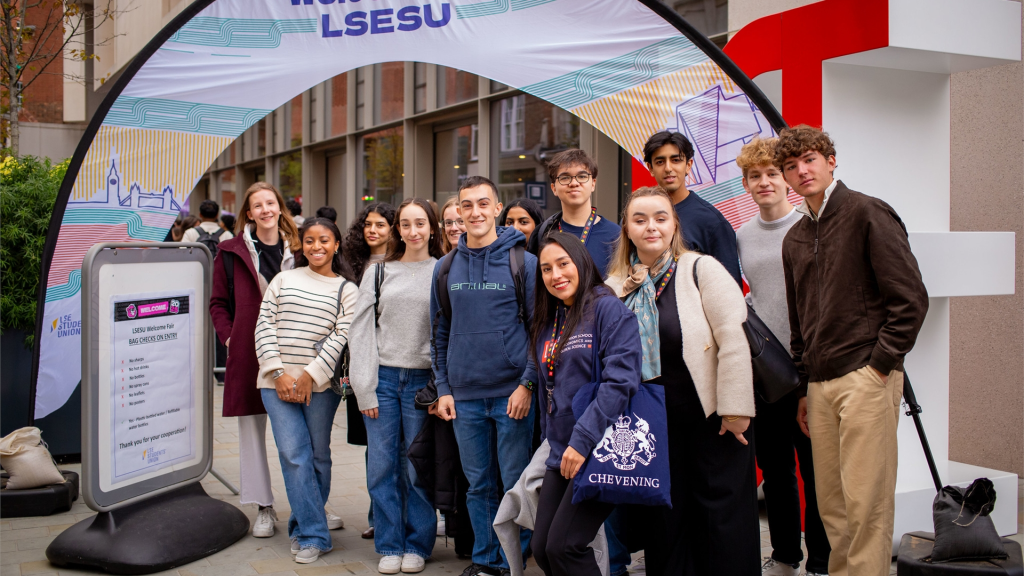
Offered by the UK Foreign, Commonwealth & Development Office, the Chevening Scholarships are prestigious, competitive, and fully funded. These scholarships are awarded to individuals with leadership potential, academic prowess, and a clear vision for the future.
If psychology is your calling, and if your ambition burns bright enough to light up an entire city, Chevening could be your golden ticket. It covers:
- Full tuition fees
- Travel costs
- Monthly living allowance
- Networking opportunities with professionals and global change-makers
Getting a Chevening is like winning the golden key to the castle. Not only does it unlock world-class education, but it also opens doors to the UK’s global network of scholars and leaders.
Commonwealth Scholarships: Building Bridges Across Nations
For students from Commonwealth nations, including India, the Commonwealth Scholarship and Fellowship Plan (CSFP) is a shining beacon. Funded by the UK government, it supports Master’s and PhD psychology candidates aiming to solve new challenges in the psychology domain.
These scholarships are a bridge across continents, promoting knowledge sharing, research excellence, and deep cultural ties. They cover:
- Tuition fees
- Travel expenses
- Living allowance
- Additional research or thesis grants
UK University-specific Scholarships: Don’t Miss the Hidden Gems
Beyond national programs, individual UK universities also offer their own scholarship schemes for international psychology students. A few examples include:
- University of Southampton– Psychology Global Impact Scholarship- £5,000 and £3,000 off tuition fees for studying a postgraduate degree in psychology.
- Queen’s University Belfast– International Postgraduate Scholarships- £2000 – £5000 for full-time postgraduate taught programmes.
- Birmingham City University– Undergraduate Scholarships- £2,000, discounted from the first year’s tuition fees.
- Cardiff Metropolitan University– Vice Chancellor Scholarship- £3,500 Fee waiver.
- Loughborough University– Excellence Scholarships- 20% of tuition fees credited to the tuition fee account.
- Queen Margaret University– QMU International Scholarships- Worth £3,000 for an undergraduate or postgraduate taught program.
- Newcastle University– Vice-Chancellor’s International Scholarships (Undergraduate)- £7,000 tuition fee awards.
- Kingston University London– International Scholarships- £5,000 for studying a postgraduate program.
These are the hidden diamonds in the rough, often overlooked but deeply rewarding. Scholarships are not charity; they are investments in potential. If your mind is wired for psychology and your heart beats with empathy and ambition, the UK is ready to back you.
But remember, these golden opportunities don’t knock twice. Keep your documents ready, tailor your personal statements, and highlight your unique story.

Tuition Fees & Cost of Living for Psychology Students
Tuition fees in the UK can vary widely, but psychology tends to be on the higher end due to its nature and lab requirements.
Undergraduate Fees for Psychology Degree
Range from £12,000 to £30,000 per year
Fees depend on the university, location, and course type. Some prestigious universities like Imperial College London or the University of Cambridge may charge on the higher end.
Postgraduate Fees for Psychology Degree
Range from £17,000 to £38,000 per year. Specialised master’s programmes with placements may have higher fees.
PhD programmes may include funding or stipends, especially for research scholars.
Cost of Living: What It Takes to Stay Afloat
Studying in the UK is not just about tuition; it is about living and thriving. The UK government provides a monthly estimate for living costs, which includes accommodation, food, transport, and essentials.
Typical Monthly Expenses for Students
| Expense Category | Estimated Monthly Cost |
| Accommodation (Rent) | £400 – £1,000 (shared/private room) |
| Utilities (Gas, Electricity, Water) | £50 – £100 |
| Groceries & Food | £150 – £250 |
| Transportation | £50 – £150 (Oyster cards or local travel passes) |
| Internet & Mobile Data | £20 – £40 |
| Books & Supplies | £30 – £60 |
| Clothing & Laundry | £20 – £50 |
| Leisure & Entertainment | £100–£200 |
| Health & Insurance | £30 – £50 |
| Miscellaneous | £30 – £70 |
Total Estimate
- In London: £1,483 – £1,800/month
- Outside London: £1,136 – £1,400/month
Living in London is like living in the fast lane, vibrant, dynamic, and naturally a bit pricier. UK Cities like Sheffield, Newcastle, or Coventry offer a more budget-friendly ride while still packing a punch academically.
With flexible course durations, varying tuition costs, and manageable living expenses, the UK provides a well-rounded experience that pays off in the long run.

Work Opportunities While Studying Psychology in the UK
One of the biggest advantages of studying in the UK is the ability to work part-time while pursuing your degree. This not only helps cover living expenses but also allows psychology students to gain real-world experience.
1. Part-Time Work During Studies
International students on a full-time degree programme can work:
- Up to 20 hours per week during term time.
- Full-time during vacations.
Typical part-time jobs include administrative work, tutoring, customer service, and university-based roles. Many students also find opportunities related to psychology, such as research assistance or mental health volunteering.
2. Internships and Work Placements
Some psychology degrees, especially at the postgraduate level, include mandatory or optional work placements. These are valuable for gaining practical exposure in clinical, educational, or organisational settings.
Examples include:
- Working with mental health clinics or hospitals.
- Supporting school counselling programmes.
- Assisting in behavioural research labs.
Such experiences enhance employability and often lead to full-time opportunities after graduation.
3. Building Professional Networks
The UK’s academic environment encourages collaboration. Students can participate in seminars, conferences, and research groups, connecting with professionals from diverse fields.
Membership in the British Psychological Society (BPS) further helps students access career events, professional development workshops, and mentorship opportunities.

Career Scope After Psychology in the UK
A psychology degree from the UK opens doors to a vast range of rewarding careers. Since psychology blends science, analysis, and human understanding, its applications extend far beyond clinical practice.
Popular Career Paths
| Clinical psychologist | Counselling psychologist |
| Educational psychologist | Forensic psychologist |
| Health psychologist | Occupational psychologist |
| Sport and exercise psychologist | Counsellor |
| Education mental health practitioner | High-intensity therapist |
| Crime scene investigator | Intelligence analyst |
| Learning mentor | Life coach |
| Human resources officer | Marketing executive |
| Neuroscientist | Psychological wellbeing practitioner |
| Psychotherapist | Social researcher |
| Careers adviser | Media buyer |
| Policy officer | Solicitor |
| Advice worker | Advertising account planner |
| Further education teacher | Researcher |
Industries Employing Psychology Graduates
Psychology graduates work across both the public and private sectors, including:
- Healthcare and mental health services
- Education and research institutions
- Corporate and HR consultancy firms
- Marketing, advertising, and consumer research agencies
- NGOs and social service organisations
Average Salary and Growth
According to UK data, psychology professionals earn an average salary of £38,000 to £60,000, depending on specialisation and experience. Entry-level positions may start around £28,000–£30,000, while chartered psychologists and consultants earn significantly more.
Employment for psychologists is projected to grow by over 6% in the coming years, driven by the global focus on mental health, organisational wellbeing, and human performance.
The Broader Impact
Beyond financial stability, psychology offers the satisfaction of making a difference. As a psychologist, you can help reduce stigma around mental health, enhance educational outcomes, and create healthier communities and workplaces. Few careers offer such a profound human and social impact.

Top 10 UK Universities to Study Psychology
- London School of Economics and Political Science
- University of St Andrews
- University of Cambridge
- University College London
- University of Glasgow
- University of Strathclyde
- King’s College London
- Durham University
- University of Bath
- University of Exeter
UK Student Visa Process for Psychology Students
Securing a UK Student Visa is your official entry into one of the world’s most advanced psychology education systems. Here is a clear, detailed breakdown of the application process, including costs, identity verification, financial requirements, and post-application steps.

Start Your Application
You can apply for a Student Visa up to 6 months before your course begins, once you have received your CAS (Confirmation of Acceptance for Studies) from your UK university.
Apply online via the official UK Government site.
Pay Visa and Health Surcharge Fees
Student Visa Fee: £524
Immigration Health Surcharge (IHS): £776 per year of study
The IHS gives you access to the UK’s National Health Service (NHS) during your stay.
Financial Requirements
You must prove that you have enough funds to cover tuition fees and living expenses:
Living Cost Requirements:
£1,483 per month (for up to 9 months) — if studying in London
£1,136 per month (for up to 9 months) — if studying outside London
These funds must be in your (or your guardian’s) account for at least 28 consecutive days, and the 28-day period must end no more than 31 days before the date of your visa application.
Identity Verification: Two Ways
How you prove your identity depends on your nationality and passport type. You will be guided during your application.
You will either:
- Use the UK Immigration: ID Check app to
- Scan your passport
- Take a photo
- Create/sign into your UKVI account
OR
- Book an appointment at a Visa Application Centre (VAC) to:
- Submit your fingerprints and photograph
- Present your passport (which will be returned after processing)
Documents Required
Prepare the following documents:
- Valid passport
- CAS letter (issued by your UK university)
- Unconditional offer letter
- Proof of financial support
- Academic transcripts and certificates
- English language test results (e.g., IELTS UKVI)
- TB Test Certificate (mandatory for Indian students)
After You Apply
Your application may take up to 3 weeks to process. You will be contacted if:
- Your documents need additional verification
- You are called for an interview
- Your personal circumstances require further review (e.g., criminal records)
- You can save and return to your application at any point before submission.
- Need to update your application after submission? Contact UK Visas and Immigration (UKVI) immediately.
If Your Application is Approved
You will receive an eVisa, which is a digital immigration status record accessible through your UKVI online account.
Your approval email or letter will guide you on how to:
Access your eVisa
Log in to or create your UKVI account
If issued a 90-day vignette (temporary visa sticker), you must travel to the UK within that time frame and collect your Biometric Residence Permit (BRP) after arrival.
The UK Student Visa process may feel like engineering a complex system, but with the right components in place (CAS, financials, identity proof, and documents), you will be ready to take off. The eVisa system streamlines the process, and your journey from blueprint to breakthrough begins here.
Still have doubts? ScholarshipKart can help you prepare a document checklist, mock application walkthrough and a seamless visa application.

Psychology Intakes & Application Deadlines
For Indian students aspiring to pursue psychology in the UK, understanding the academic intakes and corresponding deadlines is essential to plan a smooth and timely application process.
The UK education system offers three primary intakes for psychology programs: September, January, and May, with the September intake being the most prominent and widely preferred.
September Intake
The September intake is the main academic term for psychology courses in the UK. It offers the widest selection of psychology specialisations, the highest availability of scholarships, and maximum job opportunities post-study. It also aligns conveniently with the Indian academic calendar, making it the most common choice for Indian applicants.
Application deadlines for this intake vary depending on the university and course, but they generally fall between December and June. Students targeting this intake are strongly advised to begin preparing and applying at least 6–12 months in advance, as popular programs may fill quickly, and some universities offer rolling admissions, allowing early applications and quicker decisions.
January Intake
The January intake, while less common, serves as a valuable alternative for students who may have missed the September deadline or who need additional time for exam results, financial planning, or visa processing. Although the number of available psychology courses is more limited, the January start still provides access to reputable programs.
Deadlines for the January intake typically fall between September and November of the preceding year, requiring students to prepare well ahead to ensure they meet document and eligibility requirements.
May Intake
The May intake is the least common and is usually reserved for a small number of specialised or industry-linked psychology courses. While options may be limited, it can be ideal for students looking to start mid-year without waiting for a full academic cycle.
Application deadlines for May programs are usually set between October and November of the previous year. Due to the fewer number of universities offering May starts, students should verify availability early and explore whether these courses align with their academic and career goals.
Students applying for undergraduate psychology courses will generally apply through UCAS (Universities and Colleges Admissions Service), with a standard application deadline in January for most programs. However, some institutions may continue to accept applications after the UCAS deadline if spaces are still available.
In all cases, students must carefully check individual university websites, as deadlines can vary not just between institutions but also among different psychology disciplines within the same university.
Once a student receives their Confirmation of Acceptance for Studies (CAS) from the university, they should proceed promptly with their student visa application, keeping in mind that visa processing takes time and can be delayed during peak periods.
In summary, Indian psychology aspirants should plan proactively and apply well before deadlines to enhance their chances of admission and scholarships. Early preparation not only improves the likelihood of securing a place in top programs but also allows sufficient time to arrange accommodation, funding, and visas.

Final Thoughts: Is the UK Right for Your Psychology Journey?
If you are fascinated by how the human mind works, the UK is one of the best places in the world to turn that curiosity into a career. With its deep-rooted history in psychological research, BPS-accredited degrees, and hands-on learning opportunities, the UK equips students not just with academic excellence but also with a sense of global purpose.
For Indian students, studying psychology in the UK means joining a legacy of innovation and empathy, one that empowers you to understand people better and use that understanding to create change, whether in hospitals, classrooms, workplaces, or communities.
A UK psychology degree doesn’t just teach you about the mind; it transforms the way you think, analyse, and relate to others. It is a journey of intellectual discovery, emotional intelligence, and lifelong impact.

Interested in exploring the human mind with a Psychology degree in the UK? Book a Free Consultation with ScholarshipKart to discover the right university and course, expert help with applications, visa procedures, and scholarships, and personalised IELTS coaching and SOP guidance. Get insightful study and settlement tips to ensure a smooth transition and a fulfilling academic experience. Let ScholarshipKart help you unlock your potential and shape a meaningful career in Psychology!