
Dubai: Where Education and Opportunity Collide
Looking for the best courses to study in Dubai? Dubai isn’t just a city — it is a global vision carved into glass and steel, an oasis of innovation in the desert. Known for its iconic skyline, luxury lifestyle, and economic strength, Dubai has rapidly emerged as one of the fastest-growing education hubs in the world. From globally ranked universities to industry-aligned programmes, students choosing the best courses to study in Dubai gain more than a degree — they gain international exposure, practical experience, and direct access to global career opportunities.
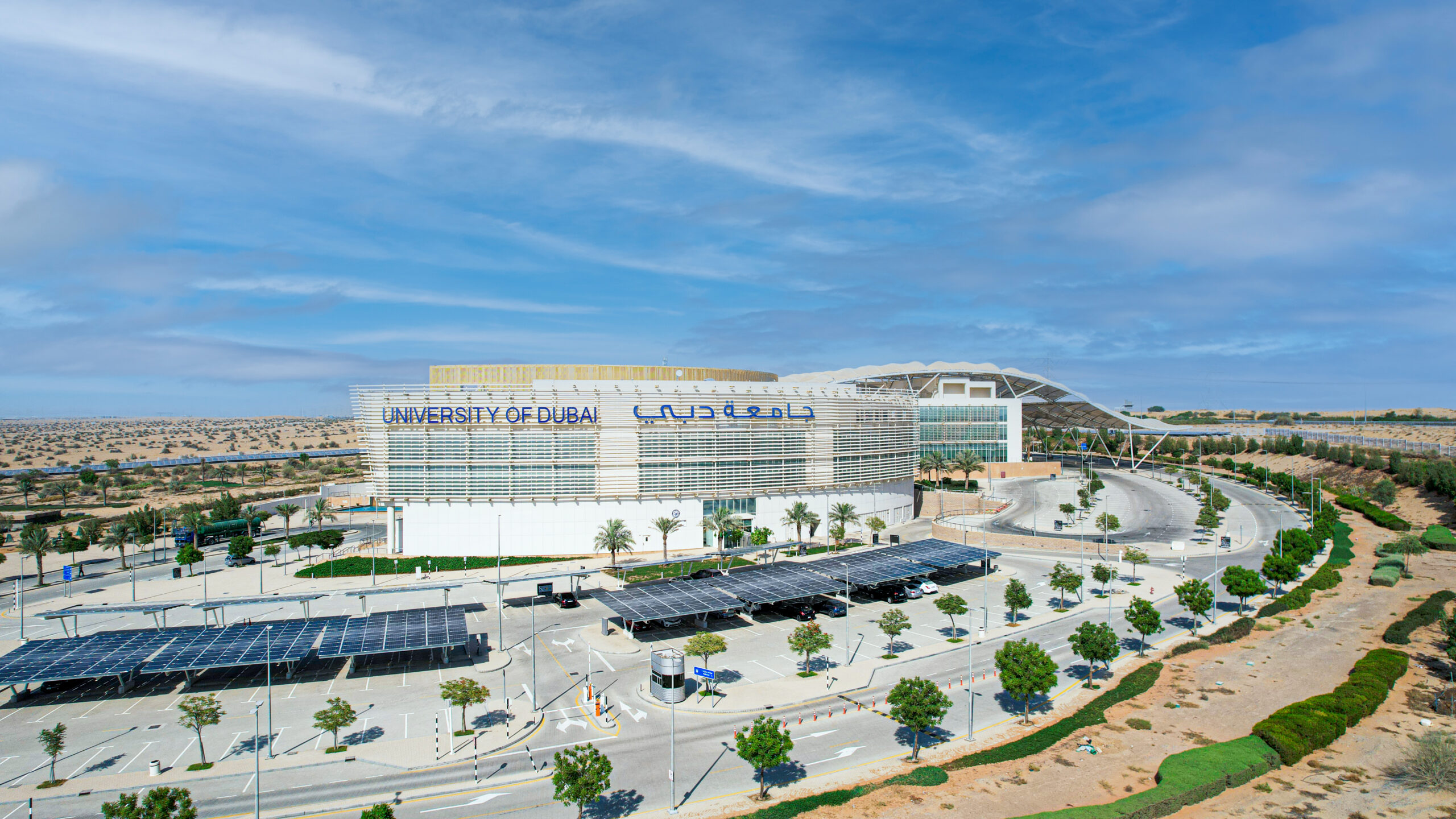
In this guide, we explore the best courses to study in Dubai, analysing career prospects, salary potential, and industry demand for international students.
Dubai is recognised for nurturing talent through world-class universities, industry-aligned curricula, and unmatched professional exposure. With a tax-free economy, booming industries, and a multicultural environment, the city isn’t just an educational destination; it’s a launchpad for ambitious individuals who want to study, grow, and work in an international setting.
Today, students from every corner of the globe are packing their bags and setting their sights on this glittering emirate. Why? Because Dubai offers more than just a degree. It offers a gateway to global careers.
Students who study here don’t just learn from textbooks. They learn from live, high-impact environments where internships, industry collaborations, and mega projects are part of the curriculum, giving graduates immediate practical relevance.
For students from nearby countries like India, Dubai’s accessibility and cultural familiarity make it a natural first choice for international study.
Put simply, studying in Dubai is a strategic investment: you build technical competence and cultural capital at once, setting yourself up to compete in an international job market.
Why Study in Dubai? — Strategic Advantages for Career-Minded Students
Dubai’s geographical location connects East and West, making it a hub for multinational companies, global trade, and cross-border talent flows, which translates into internships and job placements for students.
Universities in Dubai often host branch campuses of internationally ranked institutions, ensuring course content and degree recognition that align with global standards. Industry integration is high. Programmes commonly include internships, guest lectures from practitioners, and applied projects that help graduates hit the ground running.
The multicultural environment with hundreds of nationalities present gives students the soft skills of working across cultures, an asset employers prize. Finally, Dubai’s tax-free income and active job market reduce the time it takes for graduates to convert education into financial independence and career momentum.
Choosing the best courses in Dubai can feel like finding a needle in a haystack. That’s exactly where this guide comes in. We have handpicked and analysed the most in-demand, job-oriented, and future-focused courses you can study in Dubai, complete with their career prospects and industry relevance.
At ScholarshipKart, study abroad education consultants, we have seen a sharp rise in interest among Indian students exploring Dubai for undergraduate and postgraduate study. If you are ready to make that leap, the trick is simple. Book a Free consultation with ScholarshipKart today and learn more about universities, courses, application and visa process.
The Best Courses to Study in Dubai
Dubai offers a wide spectrum of programmes tailored to global industry needs. Here’s a breakdown of the top courses with the best career prospects:
Business & Management — The Engine Room of Dubai’s Economy
Among the best courses to study in Dubai, Business and Management consistently rank high due to strong corporate demand and entrepreneurial opportunities.
Business and management degrees in Dubai are crafted to teach strategic thinking, leadership, and practical decision-making for global markets.
Programmes range from undergraduate Business Administration to specialised MBAs and diplomas covering finance, marketing, HR, and entrepreneurship. Many combine theory with case studies, internships and live projects tied to Dubai’s commercial ecosystem.
Popular Specialisations
- Business Administration (BBA/MBA)
- International Business Management
- Finance and Accounting
- Marketing & Digital Marketing
- Entrepreneurship and Innovation
- Sustainability and Business Ethics
Because Dubai is a business hub, graduates can move into corporate roles, startups, or consulting with a strong advantage: their classroom learning is contextualised against a real international marketplace.
Salary prospects are attractive for senior roles in the city, and entry roles often include clear career ladders into management and specialist functions. For students who want to start businesses, Dubai’s entrepreneurial ecosystem and access to regional capital make it an ideal testing ground for ideas, incubation and networking.
In short, a Business degree here is not just about learning to run a company. It is about learning to read global markets and lead in them.
Banking & Finance — Study Where the Money Moves
Banking and finance courses in Dubai teach core financial analysis, investment strategies, and compliance frameworks that are used in multinational banking centres. The UAE’s banking assets (noted at USD 813 billion in 2024) reflect the scale and stability of the sector.
Programmes such as the Global Investment Banking Analyst Programme give students hands-on finance exposure in a condensed format. Dubai’s financial hubs and the region’s growing wealth management and fintech scenes create steady demand for analysts, investment bankers, compliance officers and corporate finance professionals.
Coursework often blends international finance principles with regional practices such as Islamic banking, giving graduates the versatility to work across different financial systems.
Course Highlights
- Global Investment Banking Analyst Programmes
- Financial Risk Management
- Corporate Finance
- Islamic Banking Principles
For students with a flair for numbers, investment strategies, and risk analysis and who enjoy quantitative problem-solving and strategic financial thinking, a banking and finance qualification from Dubai opens doors in both regional and global markets. The field is competitive, but Dubai’s networks and live client experience can put graduates ahead of the pack.
Arts & Creative Industries — More Than a Side Hustle: Creative Careers in Dubai
Creative courses in Dubai span fine arts, media, design and fashion, and are increasingly important as the city diversifies beyond oil and real estate into cultural tourism and creative commerce.
Because Dubai combines heavy tourism with luxury retail and global events, there is genuine market demand for designers, visual artists, media professionals and creative strategists who understand brand experience and cultural context.
Programmes provide practical portfolios, internships at creative agencies, and exposure to real commissions, which are essential for students looking to monetise their creative skills rather than treat them as hobbies.
Courses in Demand
- Fine Arts
- Graphic Design
- Media & Communication
- Fashion Design
The presence of museums, luxury shopping districts and marketing agencies means graduates can transition into roles in advertising, content creation, cultural programming and experiential design.
Creative careers in Dubai reward people who can combine aesthetic skill with business sense: building a portfolio is as important as building networks. For the creatively minded, Dubai offers both inspiration and a market to turn talent into steady work.
Architecture & Design — Study Among the Icons You’ll One Day Design
Dubai is effectively a live studio for architects and designers. The city’s appetite for bold, large-scale projects gives students unique exposure to ambitious design challenges.
Courses cover sustainable urban planning, structural fundamentals, landscape and interior design, and contemporary materials. All subjects are taught within the context of some of the world’s most recognisable structures.
What You’ll Learn
- Sustainable Design
- Urban Planning
- Structural Engineering Basics
- Interior and Landscape Design
Students benefit from project-based learning that often ties into actual developments, allowing them to graduate with practical experience in designing for extreme climates, high-rise logistics, and luxury retail/ hospitality environments.
Because Dubai prioritises innovation and aesthetics, there is demand for architects who can blend creative vision with regulatory and constructability expertise. These programmes suit those who want to shape skylines and public spaces, and who relish the idea of designing landmarks that will be seen across the globe.
Information Technology & Computer Science — Where Code Meets Big Business
IT and Computer Science in Dubai cover core computing principles while emphasising applied technologies such as cloud computing, cybersecurity, and AI, skills in high demand as Dubai pushes digital transformation across government and industry.
Degree programmes from local campuses of international universities are often designed with practitioner input, include lab work and internships, and provide clear pathways into roles such as software developer, systems analyst, data scientist and network manager.
Core Courses
- Computer Science (AI, machine learning, software design)
- Cybersecurity
- Data Science & Analytics
- Cloud Computing
- IT Project Management
With the tech sector expanding rapidly, students who graduate with hands-on skills in languages, databases and cloud services find many entry points into startups, corporates and government tech projects. IT studies here also stress cybersecurity and data ethics, reflecting regional priorities for secure, resilient systems.
For students who want to build systems that companies and cities rely on, an IT or Computer Science degree in Dubai offers both cutting-edge content and direct industry relevance.
Digital Technology (Cybersecurity & Data) — Practical Skills for a Digital Economy
Courses in digital technology, including HNDs in Cybersecurity and Digital Systems, focus on the nuts and bolts of how modern platforms work, from network architecture to big-data visualisation and cloud deployment.
Course Features
- Machine Learning
- Natural Language Processing
- Computer Vision
- Big Data and Cloud Systems
These programmes are designed to be highly practical: students learn to set up secure environments, implement cloud solutions and extract actionable insights from large datasets. Because many businesses, financial institutions, retailers and government agencies depend on cloud systems and data pipelines, graduates with practical cyber and data skills are immediately employable.
Topics like programming, business intelligence and big data visualisation are taught with industry case studies, so students graduate able to solve actual digital problems. For anyone wanting a career where problem-solving is technical and impactful, Digital Technology programmes provide clear, job-oriented training.
Artificial Intelligence — Studying the Future, Today
Artificial Intelligence courses in Dubai teach machine learning, natural language processing and computer vision, core techniques that underpin automation, predictive analytics and intelligent systems.
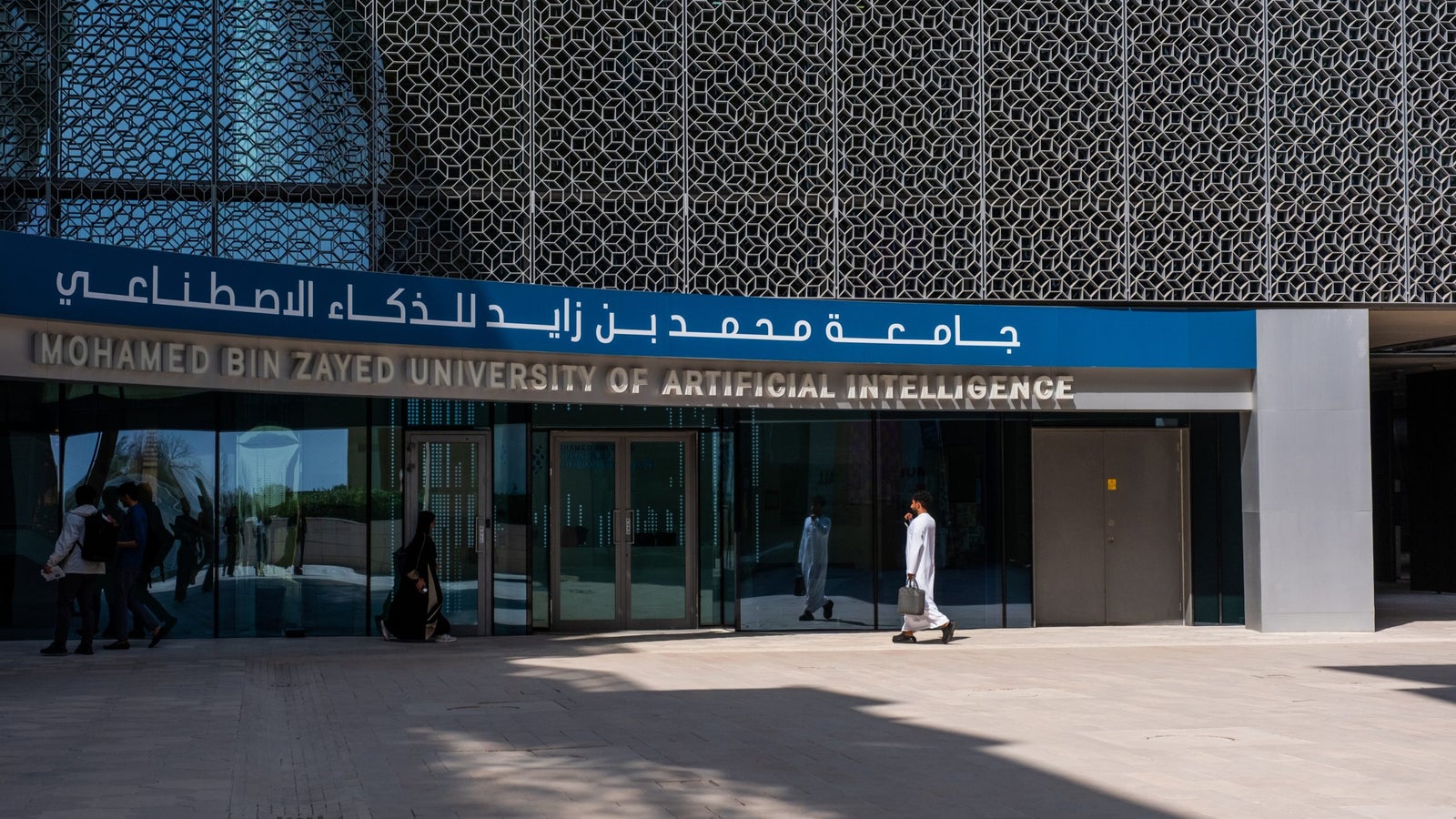
Artificial Intelligence is now considered one of the best courses to study in Dubai because of the UAE’s strong focus on smart cities, automation, and digital transformation.
These programmes are increasingly offered as specialisations within digital technology degrees, and they emphasise practical model building, evaluation and deployment rather than only theoretical math.
Because Dubai pursues smart city initiatives and automated services, there’s demand for AI professionals who can translate models into production systems for healthcare, transport, finance and customer service.
Students trained in AI gain quantitative skills, programming proficiency and exposure to real data problems, a combination that appeals to employers across sectors. For tech enthusiasts who want to build systems that learn and adapt, AI courses in Dubai offer a direct route into high-impact roles.
Hospitality & Tourism Management — Learn to Deliver World-Class Experiences
Hospitality programmes in Dubai cover hotel operations, food & beverage management, event planning, customer experience and luxury brand management, core skills for a city that leads in tourism and global events.
Course Highlights
- Hotel Operations
- Food & Beverage Management
- Event Planning
- Sustainable Tourism
- Customer Experience Innovation
These degrees emphasise practical placements: many courses include mandatory internships at top hotels, resorts and event companies, which is crucial for building managerial competence.
Students learn how to run front-of-house operations, design guest experiences, and manage the commercial aspects of tourism; courses often bring in industry leaders as lecturers and mentors.
Because Dubai hosts year-round tourism and large international events, hotel and event management graduates find abundant opportunities in operations, sales and guest experience roles.
Entry-level salaries are competitive, and experienced managers in luxury hotels command far higher packages, so hospitality education here can translate into rapid career progression for the committed and service-oriented.
Healthcare Management — Combining Care with Leadership
Healthcare Management programmes focus on the administrative and operational sides of medical services: hospital operations, patient care policies, healthcare ethics, and system design.
Topics Covered
- Healthcare Policies
- Medical Ethics
- Patient Care Management
- Healthcare Operations
These courses train students to manage clinics, hospitals and public health initiatives while understanding regulatory and ethical frameworks that govern medical services.
With specialised HND programmes, students get practical exposure to patient workflows, quality assurance and policy implementation, skills needed by health systems that aim for world-class standards.
Graduates can move into roles such as hospital administration, healthcare consulting and public health management, where clinical knowledge must be combined with managerial acumen. For people driven by impact and organisation, healthcare management is a field that delivers tangible societal benefits while also offering stable career paths.
Construction Management — Overseeing the Projects That Shape Cities
Construction Management programmes teach students how to plan, coordinate and supervise building projects from foundation to finish, covering materials, methods, project scheduling, safety and legal frameworks.
Given Dubai’s continual pipeline of mega-construction, from residential towers to transportation networks, trained construction managers are vital for delivering projects on time and within budget.
Courses often integrate civil engineering basics, contract management and site supervision so graduates can transition quickly into site roles, project planning or consultancy.
What You’ll Learn
- Project Management
- Construction Laws & Ethics
- Sustainable Materials
- Civil Engineering Concepts
Practical skills in cost estimation, procurement and health & safety are especially prized by employers who run large, complex builds. For those who want a hands-on role in making urban visions real, Construction Management offers a career that is both technical and managerial.
Engineering Programmes — Technical Depth across Multiple Specialisations
Engineering remains one of the best courses to study in Dubai because of the city’s continuous infrastructure expansion and mega-project development.
Engineering in Dubai spans civil, mechanical, electrical, electronic, computer/software and petroleum/chemical specialisations, each aligned to the city’s infrastructure, energy and technology ambitions.
Degree programmes provide rigorous foundations in mathematics and physics alongside lab work, design projects and internships that connect students with real construction, manufacturing or tech initiatives.
Specialisations in Demand
- Civil Engineering (urban planning, infrastructure)
- Mechanical Engineering
- Electrical and Electronics Engineering
- Computer and Software Engineering
- Petroleum and Chemical Engineering
- Aerospace Engineering
Because Dubai invests in infrastructure, renewable energy and smart systems, engineers find diverse roles in design, research, project execution and maintenance across public and private sectors.
Internationally affiliated campuses, such as Heriot-Watt, American University in Dubai, BITS Pilani Dubai and Middlesex University, bring global curricula and local industry links, which improve employability. With national job creation and infrastructure growth, engineering graduates are well-placed to work on high-impact, visible projects that shape the region.
Information Technology & Computer Science Courses — What Employers Want Now
IT and Computer Science programmes in Dubai combine theoretical foundations like algorithms, systems design, with applied modules in cloud, security, and AI, ensuring graduates can build, deploy and maintain modern software systems.
Core Courses
- Computer Science (AI, machine learning, software design)
- Cybersecurity
- Data Science & Analytics
- Cloud Computing
- IT Project Management
Specialised tracks in data science, cybersecurity and software engineering are designed to meet employer needs for people who know both languages and deployment pipelines. Because government and private sector projects increasingly rely on secure, scalable platforms, graduates who can demonstrate projects, internships and practical lab work stand out in hiring pools.
The tech investment surge expected in the region further raises the demand curve for these skills, making the field a sound long-term choice. For students who want technical careers with tangible business impact, these courses provide both entry routes and continual upskilling opportunities.
Arts & Creative Industries — Turning Talent into Profession
Creative degrees in Dubai emphasise portfolio development, client projects and cross-disciplinary collaboration e.g., branding plus digital experience, so graduates have tangible work to show prospective employers or clients.

The city’s tourism and retail ecosystem creates consistent demand for content creators, experiential designers, fashion professionals and media producers. Course content usually includes studio practice, digital tools, media law and campaigns, a mix that prepares students for both agency roles and freelance careers.
Courses in Demand
- Fine Arts
- Graphic Design
- Media & Communication
- Fashion Design
Real commissions, internships and exhibitions form critical stepping stones to paid work in the creative sector. For those who want a career driven by creativity and commerce, Dubai’s creative industries allow you to monetise artistic skill while building professional expertise.
Top Courses You Must Know
Choosing the best courses to study in Dubai requires understanding market demand, industry growth, and long-term career sustainability
1. Engineering: Engineering students in Dubai gain exposure to skyscraper design, infrastructure systems and advanced manufacturing; curricula emphasize practical design projects, structural analysis and sustainable construction methods. The practical, project-based approach paired with a booming construction sector increases employability immediately after graduation.
2. Business Management: Business degrees focus on leadership, strategic planning and international trade, and include specialisations like finance, marketing and entrepreneurship — preparing graduates for managerial routes in global firms or to run their own ventures in Dubai’s entrepreneurial climate.
3. Computer Science & IT: These courses teach programming, databases, cloud technologies and cybersecurity, preparing students for roles ranging from software development to AI engineering; hands-on labs and industry projects ensure graduates can translate theory into functioning systems.
4. Healthcare: Health programmes combine clinical fundamentals with research and management training; the UAE’s investment in healthcare infrastructure gives students access to modern labs and hospital partnerships for internships and applied learning.
5. Tourism & Hospitality Management: Ranging from diplomas to MBAs, these programmes train students in hotel operations, guest relations, event management and luxury brand strategy — fields that thrive in Dubai’s tourist and events economy and reward strong customer service and operational skills.
Mandatory Pre-Requisites to Study in Dubai — Documents and Essentials
The document list for Dubai programmes is straightforward but crucial:
- Academic transcripts (high school & university)
- English proficiency test scores, such as IELTS/TOEFL, if required.
- Valid Passport Copy
- Statement of Purpose (SOP)
- Letters of Recommendation (LORs)
- Updated CV/Resume
- Student Visa Copy
Many institutions may also ask for essays or portfolios depending on the course (creative, design or architecture), so applicants should prepare work samples in advance. Translation and attestation requirements vary by university, so students must verify specific university policies before submission.
Meeting visa and health requirements on time is essential. Universities typically guide admitted students through the next steps. Attention to detail in documentation not only speeds up admission but also prevents last-minute glitches in the enrolment and visa processes.
How to Apply for Top Courses at Dubai Universities — Step-by-Step
Start by visiting the official website of the university where you wish to study.
Locate the “Apply Now” or “Register Here” portal. This is the primary route for most admissions. Complete the application by entering your educational background, uploading transcripts and any required work samples, and submitting essays such as a Statement of Purpose when requested.
Many programmes will ask about work experience or ask you to attach a CV. Tailor these documents to highlight relevant skills and internships.
Pay the application fee.
After submitting the fees and the application, wait for the offer letter. Once received, proceed with visa formalities. Follow the university’s guidance for student visa application, housing and orientation.
Throughout, maintain copies of every submission and follow deadlines strictly; proactive communication with admissions offices often smooths the process and avoids delays.
Ultimately, selecting from the best courses to study in Dubai should align with your strengths, career goals, and industry trends in the UAE job market.
Conclusion — Choosing Dubai Is Choosing Career Momentum
Choosing to study in Dubai is as much a career decision as an educational one. The city’s fusion of industry, infrastructure and international networks gives graduates visibility and on-the-job relevance from day one.
Whether your students aim to lead businesses, design skyscrapers, code intelligent systems, or manage luxury hotels, the programmes available in Dubai are tailored to deliver practical skills and industry connections.
Encourage students to match a course to both their strengths and the city’s industry demand, prepare the required documentation meticulously, and prioritise programmes that offer internships and applied learning.
In short, Dubai gives ambitious students the tools to turn study into a sustainable, global career; and for those who prepare well, the payoff can be substantial.
Dreaming of studying in Dubai? Connect with ScholarshipKart today. Our expert counsellors help you choose the right university and the ideal course that perfectly fits your career goals. Start your application and begin your academic journey in one of the world’s fastest-growing education hubs today!