
What do the discovery of penicillin, the invention of fibre optics, the global success of Queen and the leadership of one of India’s largest business groups have in common? Beyond their remarkable impact on the world, these achievements have connections to one prestigious institution: Imperial College London.
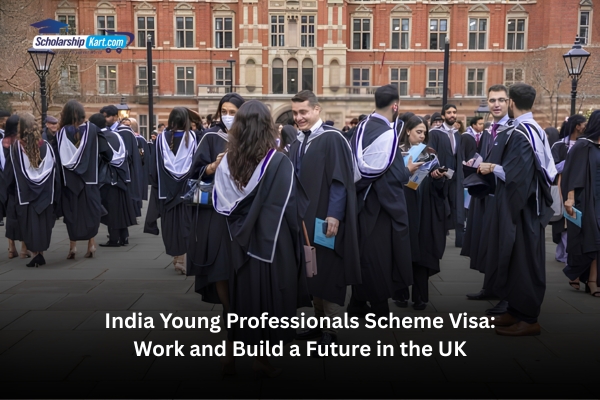
Located in the heart of South Kensington, London, Imperial College London has built an international reputation for academic excellence, scientific discovery and technological innovation. Unlike universities that offer a broad range of academic disciplines, Imperial has a specialised focus on science, engineering, medicine and business. This concentrated approach creates an environment where curiosity meets practical problem-solving, and ambitious students get the opportunity to work on ideas that can transform the future.
But here’s something even more interesting: Imperial’s influence extends far beyond its classrooms and research laboratories. Its alumni network includes Nobel Prize-winning scientists, pioneering medical professionals, celebrated musicians, influential business leaders, political figures and internationally recognised innovators.
Think about it. You could be studying at the same institution that helped shape the careers of Alexander Fleming, Brian May, Maggie Aderin-Pocock and Narinder Singh Kapany!
For students considering studying in the UK, these success stories offer more than just impressive names to admire. They demonstrate how a strong academic foundation, access to world-class research and an environment that encourages independent thinking can open doors to extraordinary opportunities.
Dreaming of studying at Imperial College London? Let ScholarshipKart help you get started. Discover its inspiring alumni, explore your study opportunities and take the first step towards your UK education journey with our expert counsellors!
So, who are the most famous alumni of Imperial College London, and what made their journeys so remarkable? Let’s explore influential personalities whose achievements continue to inspire students and professionals across the world.
Famous Imperial College London Alumni and Their Remarkable Achievements
Imperial’s legacy is not defined by academic rankings alone. It is reflected in the people who have taken their knowledge beyond university and used it to make a difference in the world.
From groundbreaking medical discoveries to technological revolutions, the following personalities represent different dimensions of Imperial’s academic and professional legacy. Some are direct graduates, while others are associated with Imperial through its historic constituent institutions, medical schools or academic appointments. This distinction matters when exploring the university’s history.
1. Sir Alexander Fleming – The Nobel Prize-Winning Scientist Behind Penicillin
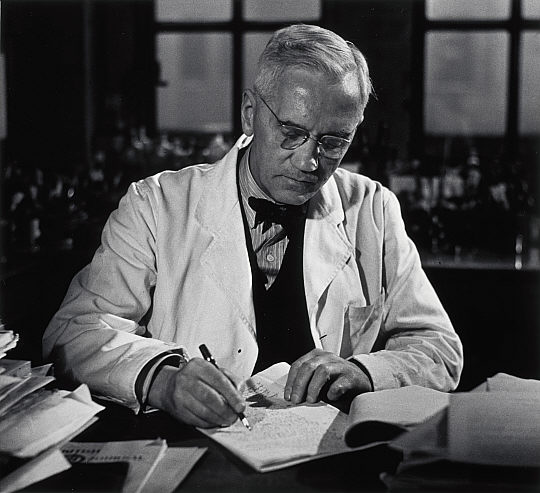
Sir Alexander Fleming was a Scottish physician and microbiologist best known for discovering penicillin, which revolutionised the treatment of bacterial infections. He studied medicine at St Mary’s Hospital Medical School, which later became part of Imperial College London, graduating in 1906. In 1928, his observation of mould inhibiting bacterial growth led to the discovery of penicillin.
He received the Nobel Prize in Physiology or Medicine in 1945, jointly with Howard Florey and Ernst Boris Chain. Fleming was knighted in 1944 in recognition of his remarkable contributions to medical science.
2. Narinder Singh Kapany – The Father of Fibre Optics
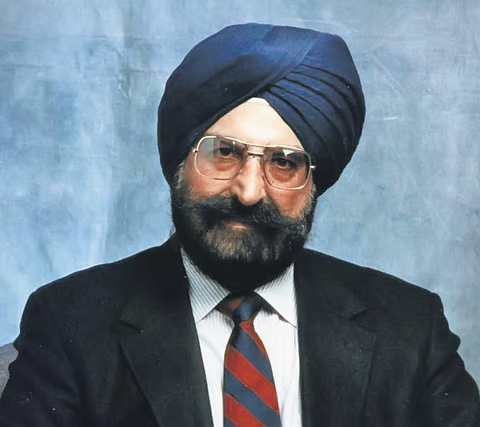
Narinder Singh Kapany was an Indian-American physicist widely recognised as the Father of Fibre Optics for his pioneering contributions to optical technology. He completed his PhD in optics at Imperial College London in 1955, focusing on the transmission of light through optical fibres. His research helped establish the foundations of modern fibre-optic communication, which is essential to high-speed internet and telecommunications.
His innovations also contributed to developments in medical imaging, laser eye surgery and optical instruments. Kapany subsequently pursued an academic and entrepreneurial career in the United States, becoming one of the most influential figures in modern optics.
3. William Crookes – Pioneer of Spectroscopy and Experimental Physics
Sir William Crookes was a British chemist and physicist renowned for his contributions to experimental science and spectroscopy. He studied at the Royal College of Chemistry, an institution associated with Imperial College London’s historical academic foundations. His research explored the behaviour of gases, electricity and matter under different experimental conditions.
He developed the Crookes tube, which helped scientists investigate electrical discharges through gases. Crookes also discovered the element thallium and served as President of the Royal Society, earning international recognition for his scientific contributions.
4. Dame Maggie Aderin-Pocock – British Space Scientist and Science Communicator
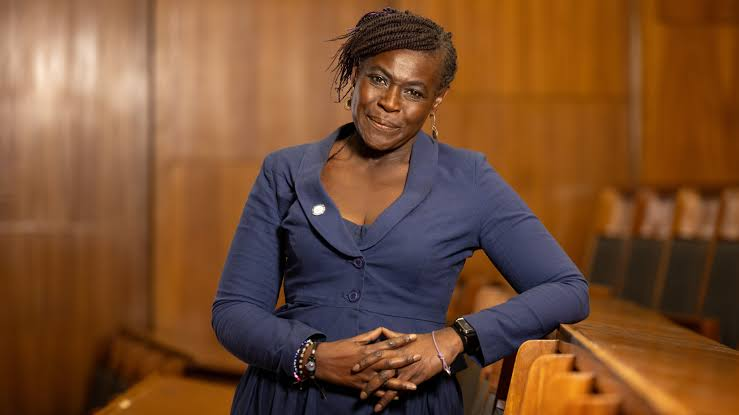
Dame Maggie Aderin-Pocock is a renowned British space scientist, mechanical engineer and science communicator who studied at Imperial College London. She completed her physics degree in 1990 and earned her PhD in mechanical engineering in 1993. Her professional career includes working on advanced scientific instruments and contributing to projects involving space science and defence technology.
She is widely recognised for co-presenting the BBC astronomy programme The Sky at Night, through which she has introduced complex astronomical concepts to wider audiences. Her contribution to science communication and education has made her an influential role model for aspiring scientists and engineers.
5. Cyrus Pallonji Mistry – Former Chairman of the Tata Group
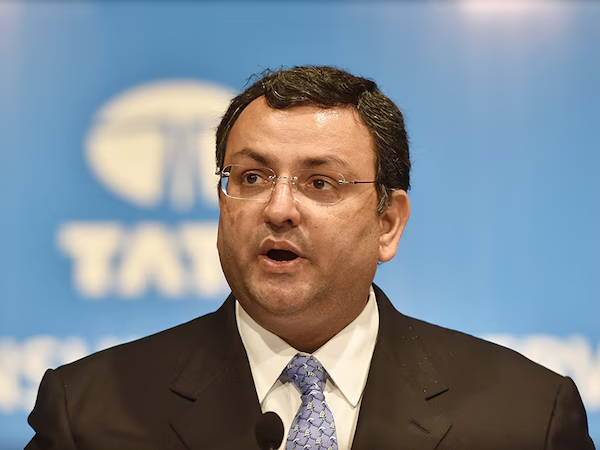
Cyrus Pallonji Mistry (1968–2022) was an Irish-Indian businessman who completed his bachelor’s degree in civil engineering at Imperial College London in 1990. He later earned a master’s degree in management from London Business School in 1996. Mistry began his professional journey with his family’s construction business, the Shapoorji Pallonji Group, eventually becoming one of India’s prominent corporate leaders.
In 2012, he became the chairman of Tata Sons, the holding company of the Tata Group, succeeding Ratan Tata. His appointment attracted international attention, as he was the first chairman of Tata Sons from outside the Tata family in several decades.
6. Sir Brian May – Legendary Musician and Astrophysicist
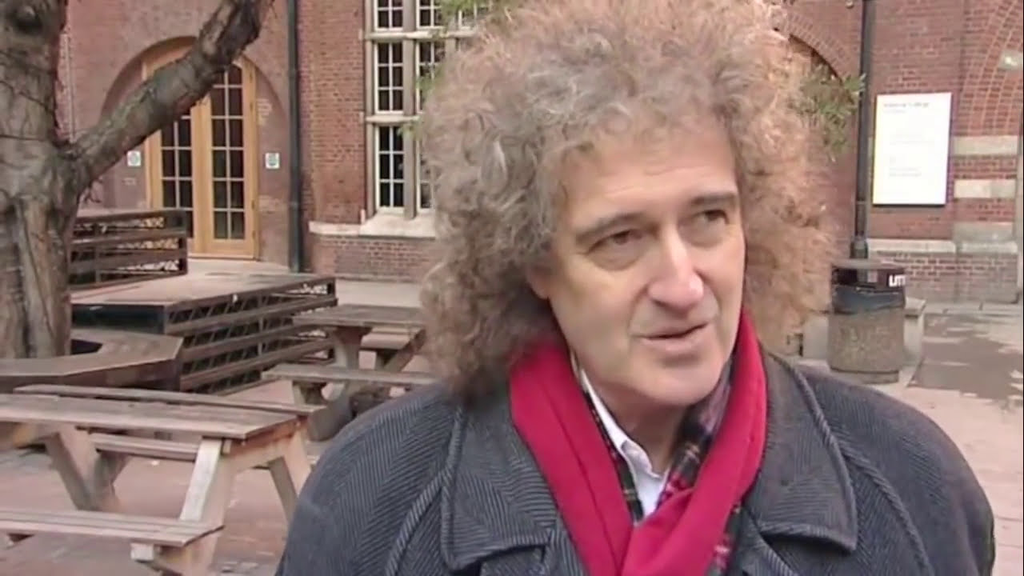
Sir Brian May is an internationally celebrated English musician, songwriter and astrophysicist, best known as the lead guitarist of the rock band Queen. He completed his bachelor’s degree in physics at Imperial College London in 1968 before beginning doctoral research in astrophysics. His musical career took off after he co-founded Queen with Freddie Mercury, Roger Taylor and John Deacon, producing legendary songs such as Bohemian Rhapsody and We Will Rock You.
May later returned to Imperial to complete his PhD in astrophysics in 2007, nearly four decades after beginning his research. He has also contributed to scientific activities associated with NASA’s New Horizons and OSIRIS-REx missions and received the Grammy Lifetime Achievement Award with Queen in 2018.
7. Sir Roger Bannister – The First Athlete to Run a Mile Under Four Minutes
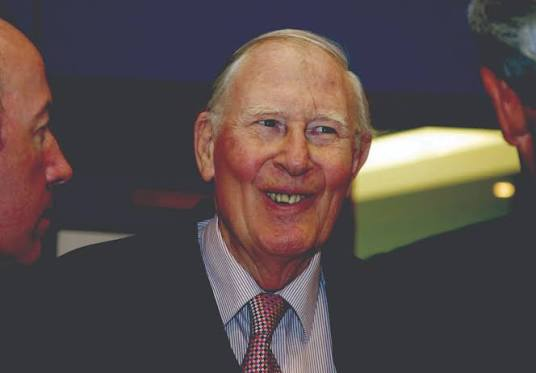
Sir Roger Bannister (1929–2018) was an English neurologist and middle-distance runner who made sporting history in 1954 by becoming the first person to complete a mile in under four minutes. He achieved the remarkable record with a time of 3 minutes and 59.4 seconds while simultaneously pursuing his medical career. Bannister studied medicine at St Mary’s Hospital Medical School, which later became part of Imperial College London.
After retiring from competitive athletics, he established himself as a distinguished neurologist and researcher. His medical publications covered subjects including cardiovascular physiology, the autonomic nervous system and neurological disorders.
8. Rajiv Gandhi – Former Prime Minister of India
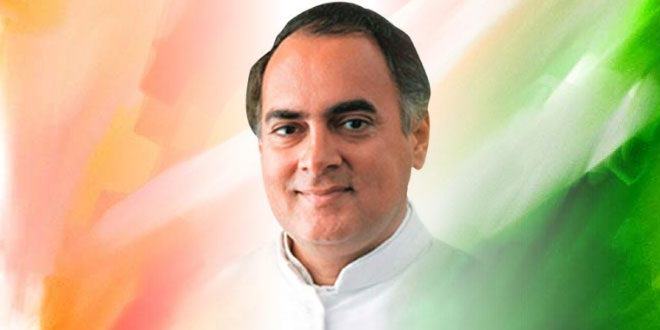
Rajiv Gandhi (1944–1991) was India’s sixth Prime Minister and one of the country’s most prominent political figures. He enrolled at Imperial College London in 1966 to study mechanical engineering but did not complete the programme. After returning to India, he pursued a career as a commercial pilot with Indian Airlines and initially remained outside active politics.
Following the assassination of his mother, Prime Minister Indira Gandhi, in 1984, he entered national politics and became Prime Minister. During his tenure from 1984 to 1989, he promoted technological modernisation, telecommunications development and computerisation across India.
9. H. G. Wells – The Literary Pioneer of Science Fiction
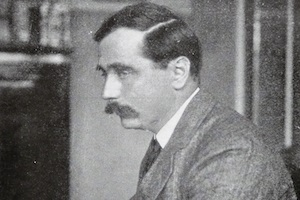
Herbert George Wells (1866–1946), popularly known as H. G. Wells, was an English author and one of the most influential pioneers of modern science fiction. He studied biology at the Normal School of Science, which later became the Royal College of Science and part of Imperial College London’s institutional history. His most celebrated novels include The Time Machine, The Invisible Man, The War of the Worlds and The Island of Doctor Moreau.
His writing explored imaginative scientific possibilities alongside important themes of social change, inequality and human development. Wells’ literary contributions continue to influence contemporary science fiction, cinema and popular culture.
10. Professor Dudley Newitt – Distinguished Chemical Engineering Researcher
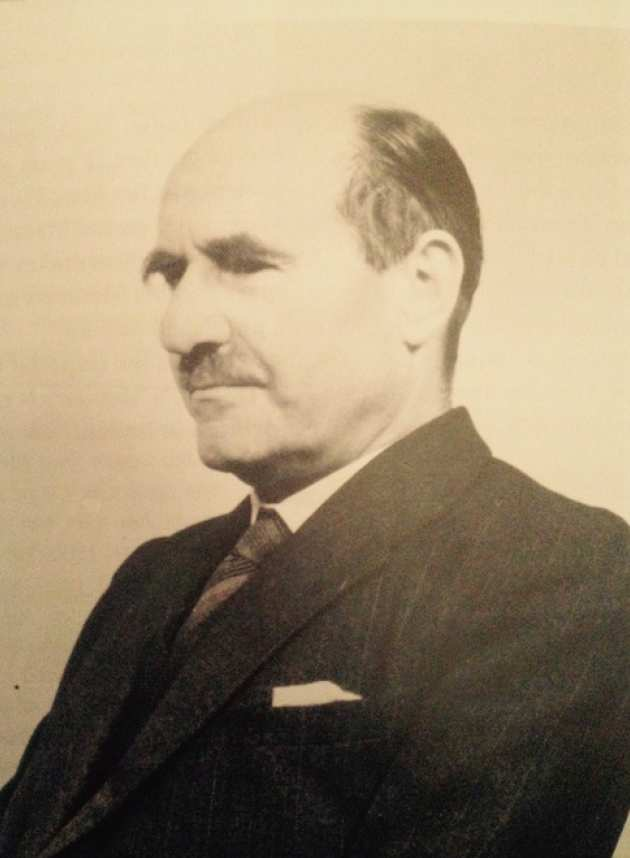
Professor Dudley Maurice Newitt (1894–1980) was a British chemical engineer and academic recognised for his contributions to chemical engineering research. He studied chemistry at the Royal College of Science, later completing postgraduate studies and doctoral research associated with Imperial College London. His research covered areas such as crystallisation, high-pressure technology and the transportation of solid materials.
Newitt became Professor of Chemical Engineering at Imperial and was subsequently appointed Head of Department in 1952. He also served as Pro-Rector from 1956 to 1961 and was elected a Fellow of the Royal Society in recognition of his scientific contributions.
11. Professor Abdus Salam – Nobel Prize-Winning Theoretical Physicist
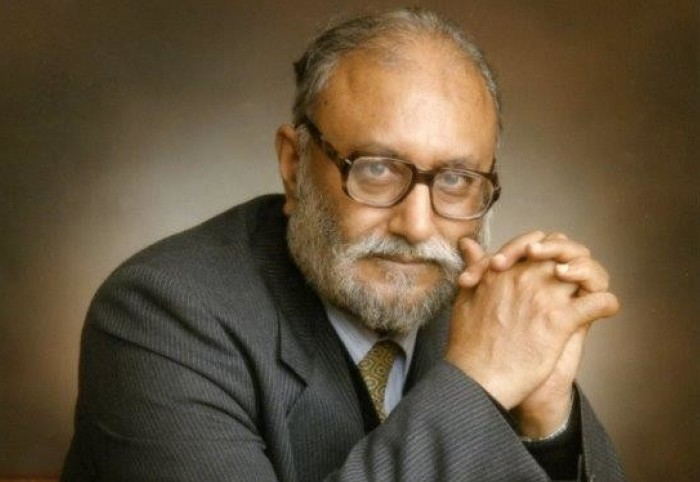
Professor Abdus Salam (1926–1996) was a renowned Pakistani theoretical physicist who made groundbreaking contributions to our understanding of fundamental forces in nature. After completing his higher education at Government College Lahore and the University of Cambridge, he joined Imperial College London in the 1950s. He became Professor of Theoretical Physics and conducted influential research on the unification of electromagnetic and weak nuclear interactions.
In 1979, Salam received the Nobel Prize in Physics jointly with Sheldon Glashow and Steven Weinberg for their contributions to electroweak theory. He also founded the International Centre for Theoretical Physics in Trieste, Italy, to encourage scientific research and collaboration, particularly among scientists from developing countries.
12. Sir George Paget Thomson – Nobel Prize-Winning Physicist
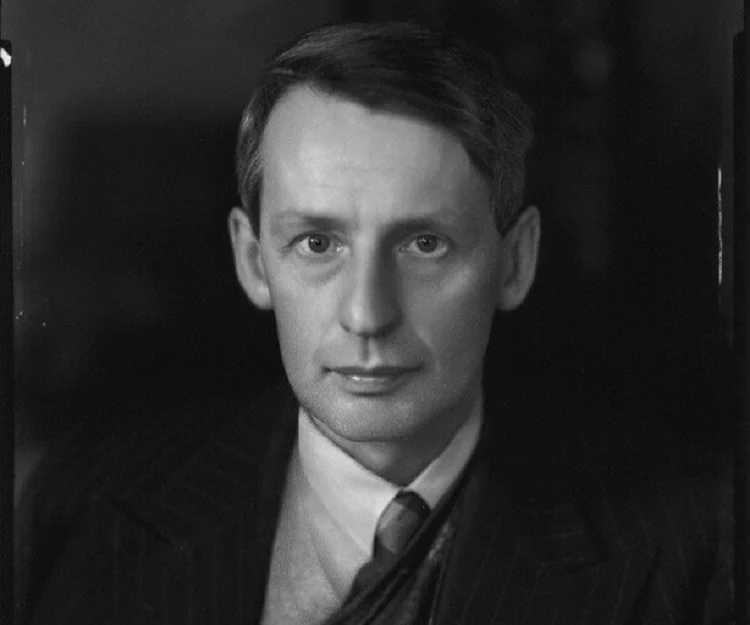
Sir George Paget Thomson (1892–1975) was a British physicist known for his pioneering research into the wave properties of electrons. He served as Professor of Physics at Imperial College London and played an important role in strengthening the institution’s physics department. His experiments on electron diffraction demonstrated that electrons exhibit wave-like properties, providing important evidence for quantum mechanics.
In 1937, he received the Nobel Prize in Physics jointly with Clinton Davisson for their experimental discoveries of electron diffraction by crystals. Thomson also contributed to British scientific research during the Second World War, including investigations into the possibilities of nuclear energy.
13. Professor Roger Sargent – Pioneer of Process Systems Engineering
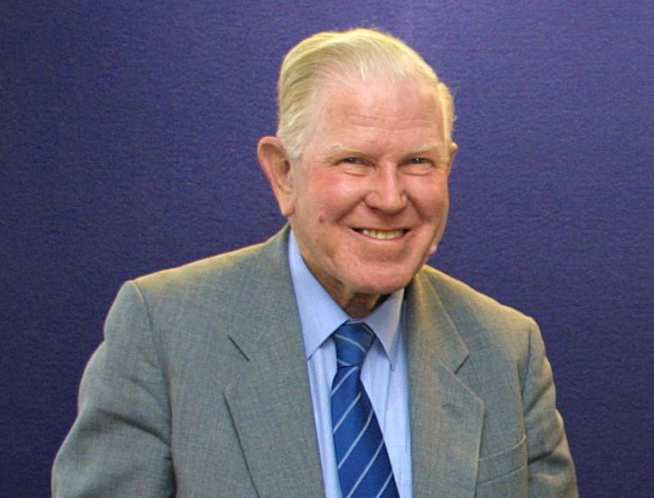
Professor Roger Sargent was a distinguished chemical engineer widely recognised for establishing process systems engineering as an important research discipline. He completed his bachelor’s and doctoral degrees at Imperial College London, where he developed an influential academic and research career. Sargent founded the Centre for Process Systems Engineering at Imperial, encouraging research into industrial process optimisation, mathematical modelling and computer-aided engineering.
His work helped establish new approaches to designing and improving complex industrial processes. In recognition of his contributions, the Institution of Chemical Engineers established the Sargent Medal in 2015 to honour research in computer-aided product and process engineering.
14. John Metcalfe Coulson – Co-Author of a Leading Chemical Engineering Textbook
John Metcalfe Coulson was a British chemical engineer and academic whose contributions to engineering education influenced generations of students and professionals. He completed postgraduate studies and doctoral research in chemical engineering at Imperial College London before pursuing an academic career. He later became the first Head of the Department of Chemical Engineering at Newcastle University.
Coulson is particularly remembered for co-authoring the influential textbook Chemical Engineering with John Francis Richardson, widely known as Coulson & Richardson’s Chemical Engineering. His professional achievements also included receiving the George E. Davis Medal from the Institution of Chemical Engineers.
15. John Francis (Jack) Richardson – Influential Chemical Engineering Academic
John Francis Richardson, popularly known as Jack Richardson, was a British chemical engineer and academic associated with Imperial College London. He completed his first-class bachelor’s degree in chemical engineering at Imperial in 1941 and earned his PhD from the institution in 1949. Richardson subsequently developed an academic career and became Head of the Department of Chemical Engineering at University College Swansea.
He is widely remembered for co-authoring Coulson & Richardson’s Chemical Engineering, an influential textbook used by chemical engineering students and professionals. He also served as President of the Institution of Chemical Engineers in 1975–76 and was elected a Fellow of the Royal Academy of Engineering.
Conclusion
From Alexander Fleming’s discovery of penicillin to Narinder Singh Kapany’s pioneering work in fibre optics, and from Brian May’s extraordinary journey across music and astrophysics to Cyrus Mistry’s corporate leadership, the people connected with Imperial College London demonstrate the remarkable possibilities that education can create.
Their journeys are different, but they share something important: the ability to turn knowledge, ambition and determination into meaningful achievements.
And that is perhaps the most exciting reason to consider Imperial.
If you are planning to study in the UK and want to pursue a career in science, engineering, medicine or business, Imperial College London deserves a place on your university shortlist.
Explore Imperial College London in Person with the G5 Study Tour 2027!
Inspired by the journeys of Imperial College London’s remarkable alumni and dreaming of becoming part of this prestigious institution? Your journey towards studying at a world-class UK university can begin even before you submit your application!
Along with aspiring to study at Imperial, you can explore the university experience through the G5 Study Tour 2027. This is an opportunity to experience university life, discover the academic environment, explore the campus and get a closer understanding of what studying at a leading UK university could feel like.
Whether you are exploring your study abroad options or already considering Imperial College London, experiencing the university environment can help you make a more informed decision about your future.
Want to know more about the G5 Study Tour 2027 or explore your options for studying at Imperial College London? Book a Free Consultation with ScholarshipKart. We would be happy to guide you through the opportunities and help you take your next step towards studying in the UK.
How ScholarshipKart Supports Your Study Abroad Journey
Planning to study abroad involves several important decisions, from choosing the right university and course to exploring scholarships, arranging finances and finding suitable accommodation. With the right guidance, students can navigate these steps with greater clarity and confidence as they prepare for an international education experience.
ScholarshipKart assists students aspiring to study in the UK by providing guidance at various stages of their study abroad journey. Its services cover key aspects of the process, including:
University and Course Selection: Identify academic programmes and universities that align with your interests, academic background and long-term career goals.
Admission Guidance: Get assistance with university applications, understanding admission requirements and keeping track of application deadlines.
Scholarship Assistance: Discover relevant scholarship opportunities and learn about eligibility requirements, application procedures and deadlines.
Student Visa Guidance: Understand student visa requirements and receive guidance on preparing the necessary supporting documents.
IELTS and PTE Preparation: Access preparation guidance to help meet English language proficiency requirements, where applicable.
Accommodation and Pre-Departure Support: Prepare for your move abroad with guidance on accommodation options, travel arrangements and other essential pre-departure considerations.
Educational Loan Guidance: Explore potential education financing options and plan your study-related expenses more effectively.
By offering support across these essential areas, ScholarshipKart helps students make informed decisions, stay organised throughout the application process and prepare for the transition to studying and living in the UK.
FAQs
1. What is Imperial College London famous for?
Imperial College London, ranked second in the world, 1st in the UK and Europe (QS World University Rankings 2027), is globally renowned for its academic excellence, pioneering research and outstanding contributions to science, engineering, medicine and business.
2. Who are the most famous alumni of Imperial College London?
Some notable personalities include Alexander Fleming, Brian May, Narinder Singh Kapany, Maggie Aderin-Pocock and Cyrus Mistry.
3. Is Imperial College London a good university for international students?
Yes, Imperial offers world-class education, research opportunities, international exposure and strong industry connections.
4. Did Brian May graduate from Imperial College London?
Yes, Brian May completed his bachelor’s degree in physics in 1968 and returned to Imperial to complete his PhD in astrophysics in 2007.
5. Did any Nobel Prize winners study or work at Imperial College London?
Yes, notable Nobel laureates associated with Imperial include Alexander Fleming, Narinder Singh Kapany’s contemporary scientific community, and Professor Abdus Salam. Fleming and Salam had different institutional connections, with Fleming studying at St Mary’s and Salam serving as a professor at Imperial.
6. What is the G5 Study Tour 2027?
The G5 Study Tour 2027 is a two-week international academic programme designed for ambitious students, aged 14 to 26, offering an opportunity to explore leading universities and experience their academic environments and campus life.
7. Can students visit Imperial College London through the G5 Study Tour 2027?
The tour offers guided academic visits to the university. This is an exceptional opportunity to experience Imperial’s environment and exposure to its culture shaped by science, engineering, technology, medicine, and innovation.
8. How can I get more information about studying at Imperial or the G5 Study Tour 2027?
Book a free consultation with ScholarshipKart and connect with our study abroad counsellors for guidance on the details of the G5 Study Tour 2027.