
Ready to take your scientific ambitions further? Study a Master’s in Cancer Cell Biology in the UK and explore opportunities to develop advanced research skills, gain practical laboratory experience and learn from experts working across cancer biology and biomedical science.
Cancer research relies on understanding how changes in cells, genes and proteins contribute to the development of disease. For graduates interested in molecular biology, biotechnology and medical research, postgraduate study offers an opportunity to explore these processes at an advanced level.
Studying a Master’s in Cancer Cell Biology in the UK combines specialist academic learning with research-focused training. The country is home to renowned institutions such as the Cancer Research UK Cambridge Institute and The Institute of Cancer Research in London, which investigate cancer biology, diagnosis and treatment.
These institutions reflect the UK’s strong cancer research environment, while relevant master’s programmes can offer expert teaching, specialist laboratory facilities and opportunities for independent research. This learning environment helps them understand modern cancer research while developing skills relevant to scientific careers.
Ready to take your passion for cancer research to the next level? Let ScholarshipKart help you get started. From choosing the right university and course to personalised counselling, university admissions, scholarships and visa guidance, our experts can support you at every step of your study-abroad journey. Explore how studying a Master’s in Cancer Cell Biology in the UK can help you develop advanced scientific knowledge and practical research skills.
Here are 10 important aspects to consider when exploring this postgraduate pathway in the UK.
10 Key Features of Studying a Master’s in Cancer Cell Biology in the UK
1. Research-Led Postgraduate Education
UK postgraduate programmes in cancer cell biology can connect classroom learning with contemporary scientific research. Research-active academics bring their expertise into teaching, helping students understand how scientific knowledge develops and how researchers investigate complex biological questions.
2. Specialist Cancer Biology Curriculum
Students can explore advanced subjects such as molecular oncology, tumour biology, genomics, immunology and haematological malignancies. This specialised curriculum builds on foundational biological knowledge and helps students understand the cellular and molecular mechanisms involved in cancer.
3. Hands-On Laboratory Training
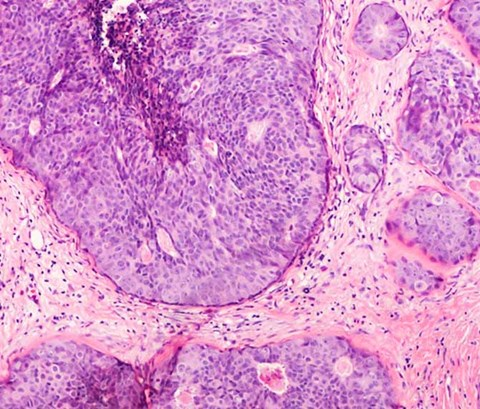
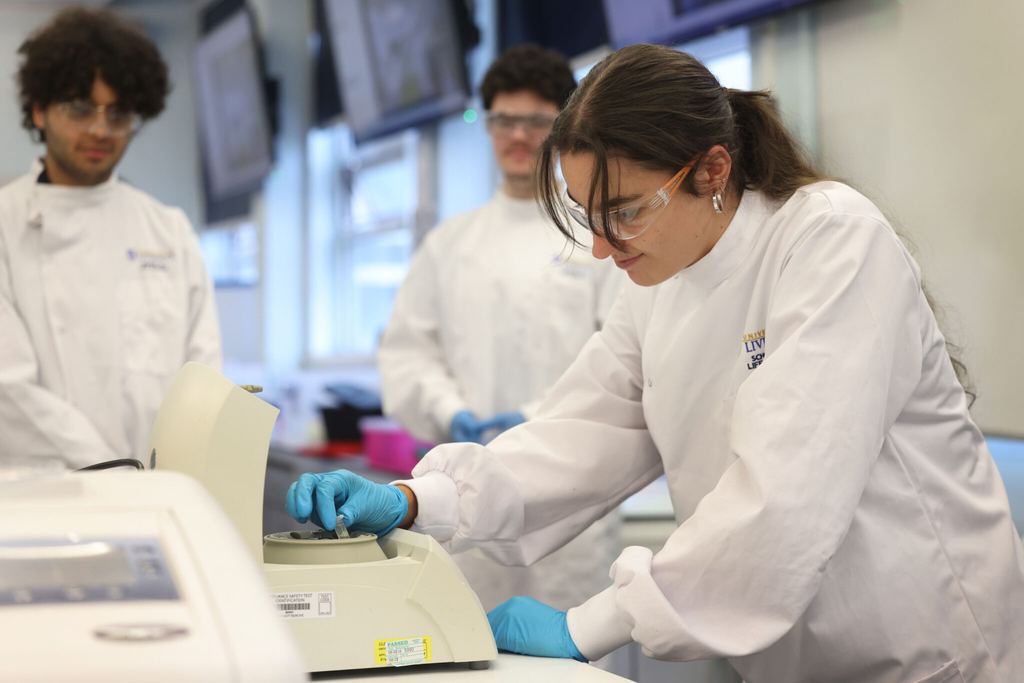
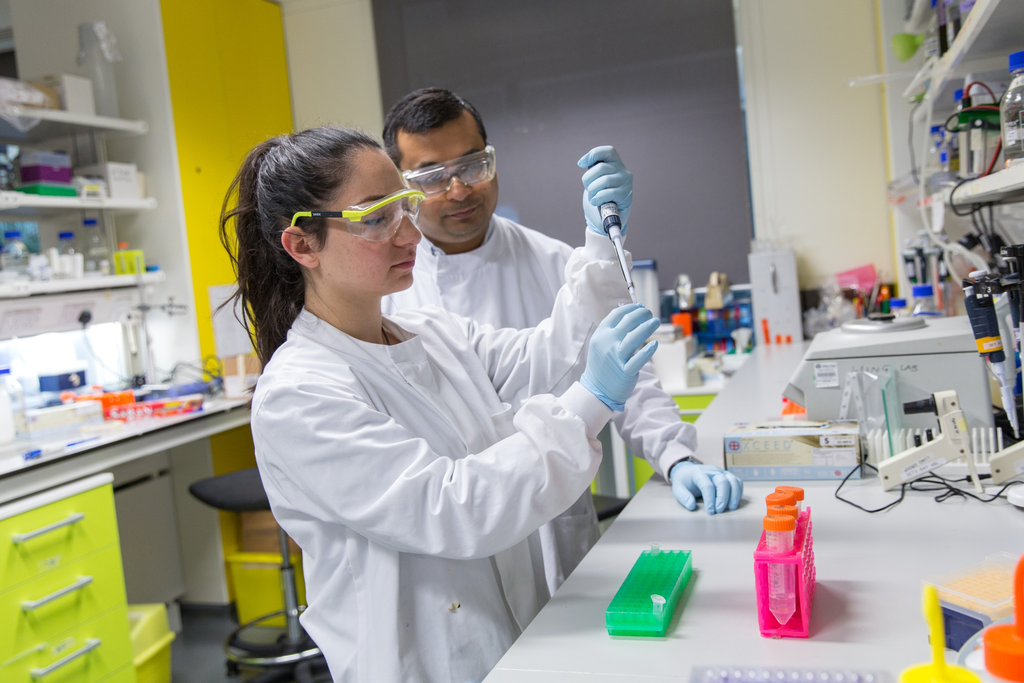
Practical laboratory sessions help students apply scientific concepts through experimental techniques. Depending on the programme, training may include cell culture, RT-PCR, DNA manipulation, histology and protein analysis, providing experience relevant to further laboratory-based research.
4. Teaching from Academic and Clinical Experts
Learning from research-active academics and, where available, external cancer specialists and clinicians introduces students to different perspectives on cancer science. This exposure can help connect fundamental biological concepts with clinical questions and developments in medical research.
5. Insights into Cancer Diagnosis and Treatment
Relevant postgraduate programmes examine the scientific basis of cancer diagnostics and therapeutic approaches. Through topics such as pathology and clinical oncology, students can develop a broader understanding of how knowledge of cancer biology relates to the investigation and management of malignancies.
6. Access to Specialist Research Facilities
Depending on the university, students may have access to advanced microscopy suites, proteomics laboratories, molecular biology facilities and computing resources. These specialist facilities support practical learning and introduce students to technologies used in contemporary biomedical research.
7. Independent Research Project Opportunities
Many research-focused master’s programmes include an independent project that allows students to investigate a chosen scientific question. Projects may take place within an academic research group and, where arrangements permit, in clinical or industrial settings. Some programmes include a six-month laboratory project, although the duration varies by course.
8. Advanced Research and Analytical Skills
Beyond subject knowledge, students develop the ability to critically evaluate scientific papers, interpret experimental data and communicate complex findings. These skills are valuable for postgraduate research and scientific roles that require evidence-based analysis.
9. Exposure to Collaborative Research Environments
Collaboration between universities, hospitals, research institutions and industry can contribute to cancer research education in the UK. Where programmes offer relevant partnerships or project opportunities, students can gain insight into how different scientific environments contribute to biomedical investigations.
10. Preparation for Future Career Opportunities
The knowledge and practical experience gained through a cancer cell biology master’s can support several potential pathways, including cancer research, biotechnology, biopharmaceutical research and further academic study.
Career outcomes depend on individual qualifications, experience and employer requirements, but the programme can provide a foundation for developing specialist expertise.
Who Can Apply for a Master’s in Cancer Cell Biology in the UK?
This postgraduate pathway may appeal to graduates who want to deepen their understanding of cancer biology and develop practical research skills.
It may be suitable for:
- Graduates interested in cellular and molecular biology.
- Aspiring researchers seeking advanced knowledge of cancer development.
- Science graduates interested in improving the scientific understanding of cancer diagnosis and treatment.
- Students looking to develop expertise in biotechnology and medical research.
- Practical learners who value laboratory experience and independent scientific investigation.
Applicants should check the entry requirements of their chosen UK university, including accepted academic backgrounds and any additional requirements specified for the programme.
Conclusion
Studying a Master’s in Cancer Cell Biology in the UK offers an opportunity to develop advanced scientific knowledge, gain practical laboratory experience and understand the research methods used to investigate cancer.
Through research-led teaching, specialist facilities and independent research projects, students can explore the cellular and molecular mechanisms of cancer while strengthening their analytical and experimental skills.
For graduates aspiring to build a future in cancer research, biotechnology or biomedical science, this postgraduate pathway provides a strong foundation for further academic and professional development.
By selecting a programme that aligns with their interests and career ambitions, students can take a meaningful step towards contributing to scientific research and the continuing advancement of cancer biology.
Take the next step towards your future in cancer research. Book a Free Consultation with ScholarshipKart for expert counselling, admission assistance, scholarship guidance and visa support. Explore Master’s programmes in Cancer Cell Biology across the UK and find the course that aligns with your academic interests and career aspirations.
A Master’s in Cancer Cell Biology is a postgraduate programme that explores the cellular and molecular mechanisms behind cancer development. It covers topics such as tumour biology, genetics, molecular oncology and cancer research techniques.
The UK offers research-focused postgraduate education, specialist laboratory facilities and opportunities to learn from academics working in biomedical science. Students can develop advanced scientific knowledge and practical research skills relevant to cancer research.
Applicants generally need a relevant bachelor’s degree in biological sciences, biomedical science, biotechnology, molecular biology or a related subject. Specific academic grades and additional requirements vary by university and programme.
Most full-time master’s programmes in related biomedical and cancer research fields take approximately one year to complete. Part-time options may take longer, depending on the university and course structure.
Students may study molecular oncology, tumour biology, cancer genetics, immunology, genomics, cell signalling, cancer diagnostics and experimental research methods. The exact curriculum varies between programmes.
Many research-oriented programmes include laboratory sessions, experimental techniques and independent research projects. Depending on the course, students may gain experience with cell culture, molecular biology techniques, microscopy and data analysis.