
How does a promising scientific discovery become a medicine that can treat disease safely and effectively? The answer lies in the fascinating field of drug discovery and toxicology, where chemistry, biology, pharmacology and advanced research techniques come together to shape the future of healthcare.
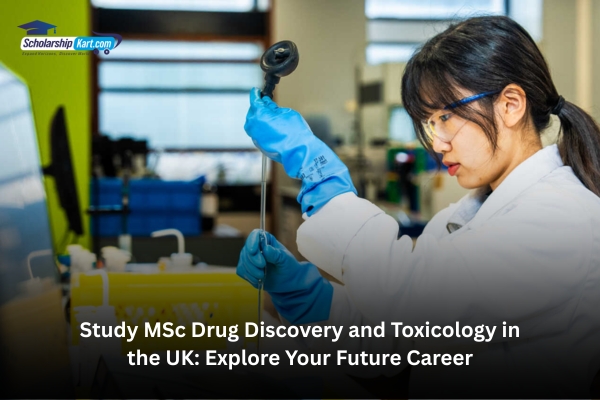
An MSc Drug Discovery and Toxicology in the UK is designed for graduates who want to understand how new medicines are identified, developed, evaluated and assessed for safety. This specialised postgraduate pathway within the broader field of science explores the complete drug discovery journey, from identifying biological targets and designing potential drug molecules to evaluating their effects and considering their suitability for clinical trials.
The course also addresses major challenges facing the pharmaceutical industry, including antibiotic resistance, the need for targeted treatments and the development of medicines with lower financial and environmental costs.
Through practical laboratory sessions, research projects and industry-focused teaching, students can develop the scientific knowledge and transferable skills needed for careers in pharmaceutical research and development.
For graduates with a background in biology, chemistry or related life sciences, the MSc Drug Discovery offered at a UK university provides an opportunity to turn scientific curiosity into expertise that supports the development of future medicines.
Ready to turn your passion for science into a rewarding career? Let ScholarshipKart help you get started. Explore an MSc Drug Discovery and Toxicology in the UK and discover how advanced research, drug development and safety science can shape your future in the pharmaceutical industry. From choosing the right university and course to personalised counselling, university admissions, scholarships and visa guidance, our experts can support you at every step of your study-abroad journey.
10 Reasons to Study MSc Drug Discovery and Toxicology in the UK
1. Gain a Comprehensive Understanding of Drug Discovery and Development
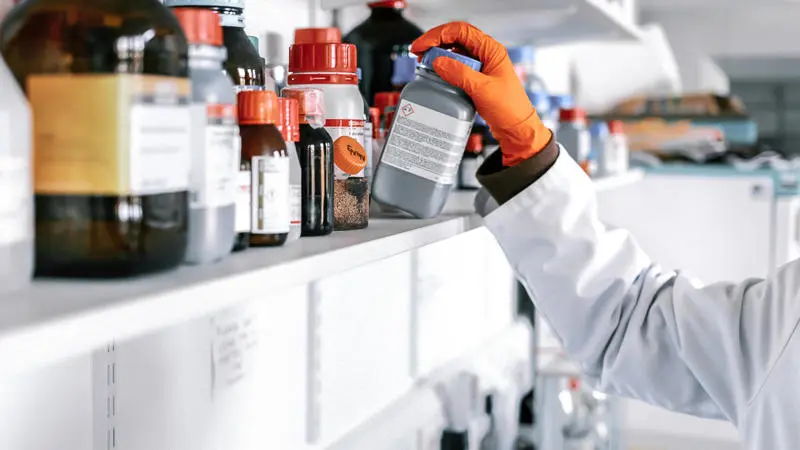
One of the main advantages of an MSc Drug Discovery and Toxicology is the opportunity to explore the different stages involved in bringing a potential medicine closer to clinical use.
Students develop an understanding of how researchers identify promising drug targets, investigate disease mechanisms and evaluate chemical compounds for their potential therapeutic effects.
Key areas of study include:
- Target identification and characterisation.
- Drug design, synthesis and biological evaluation.
- Screening potential drug candidates.
- Preclinical evaluation and toxicology.
- The progression of promising candidates towards clinical trials.
Understanding these interconnected stages helps students appreciate how scientific discoveries are translated into potential treatments and why some drug candidates succeed while others fail.
2. Develop Expertise in Drug Toxicology and Safety Assessment
Discovering a compound that produces a beneficial biological effect is only part of the challenge. Researchers must also investigate whether it can be used safely.
Drug toxicology examines the harmful effects that substances may produce in biological systems. Within pharmaceutical research, toxicological evaluation helps scientists investigate potential risks and understand the relationship between a drug’s exposure, biological activity and safety.
Through pharmacokinetics and toxicology, students explore how medicines move through the body, how they are processed and eliminated, and how these processes can influence their effects.
This knowledge is essential for understanding drug safety, evaluating potential adverse effects and supporting decisions about further development. It also provides a foundation for careers in toxicology, pharmaceutical research and drug safety science.
3. Explore Modern Drug Design and Computational Techniques
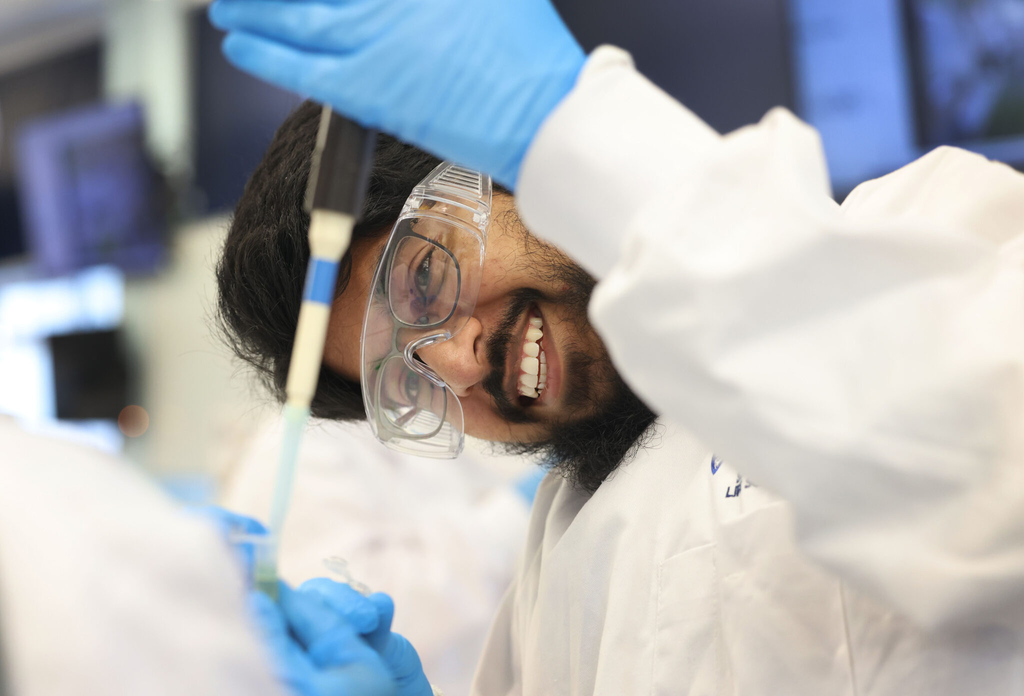
Technology has become an important part of contemporary pharmaceutical research. Computational approaches allow researchers to investigate potential drug molecules and assess their interactions with biological targets.
An MSc Drug Discovery and Toxicology introduces students to computer-aided drug design, a field that uses computational methods to support the identification and optimisation of potential medicines.
Students may explore how molecular properties, target interactions and biological data contribute to the evaluation of candidate compounds.
These approaches complement experimental techniques such as screening and laboratory-based biological evaluation. By combining computational predictions with practical investigation, researchers can make more informed decisions about which compounds deserve further study.
This interdisciplinary knowledge can also support the development of analytical, data interpretation and problem-solving skills valued across pharmaceutical and biotechnology research.
4. Build Practical Laboratory and Research Skills
Practical experience is a key component of postgraduate training in drug discovery. Laboratory-based learning enables students to connect theoretical concepts with the methods used to investigate biological systems and potential medicines.
Depending on the programme, students may gain experience with techniques and facilities involving:
- Cell culture and isolated tissue studies.
- Quantitative polymerase chain reaction (qPCR).
- Protein analysis.
- Immunohistochemistry.
- Drug screening and biological evaluation.
- Statistical analysis and laboratory data interpretation.
- These techniques support investigations into molecular processes, cellular responses and biological targets associated with disease.
Practical training also encourages accuracy, critical thinking and responsible laboratory practice. Developing these capabilities can help graduates prepare for research-focused positions in pharmaceutical companies, biotechnology organisations and academic laboratories.
5. Learn from Pharmaceutical Industry Experts
The UK has an established pharmaceutical research environment, offering opportunities for students to learn about current industry practices and emerging developments in drug discovery.
Programmes with strong industry connections may incorporate guest lectures, specialist workshops and contributions from experienced professionals. Organisations such as GSK, AstraZeneca, Sygnature Discovery and Excellerate Bioscience are examples of pharmaceutical or drug discovery organisations associated with the wider industry landscape.
Teaching may be delivered by research-active academics with experience in pharmaceutical research and development, toxicology and clinical science.
Learning from these specialists can help students understand how scientific principles are applied to real research challenges, from evaluating drug candidates to considering safety, development and regulatory requirements.
Industry engagement can also introduce students to professional expectations and help them build networks relevant to future career opportunities.
6. Investigate Disease Biology and Targeted Treatments
Understanding the biological basis of disease is fundamental to developing effective medicines. Drug discovery researchers investigate how molecular pathways, cellular processes and biological targets contribute to the development and progression of illness.
An MSc Drug Discovery and Toxicology explores areas such as molecular medicine, molecular cell biology, immunology, genomics and pharmacology.
Students learn how researchers identify and characterise biological targets that may be suitable for therapeutic intervention. They also explore how drug molecules can be designed or optimised to interact with these targets.
This knowledge is particularly relevant to the search for targeted treatments and the investigation of complex diseases. It also helps students understand how differences in disease biology can influence therapeutic approaches and the evaluation of potential medicines.
By connecting fundamental biology with drug design, students develop a stronger understanding of the scientific reasoning behind modern pharmaceutical research.
7. Understand Clinical Research and Pharmaceutical Regulation
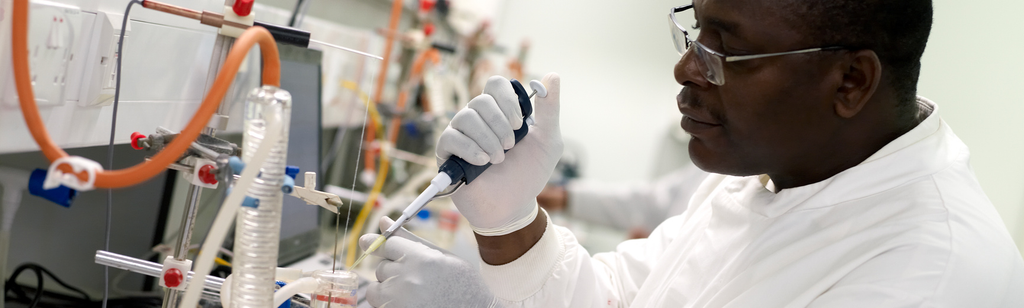
Developing a potential medicine involves more than demonstrating biological activity. Researchers must also consider quality, safety, evidence and the requirements that govern the development and use of pharmaceutical products.
Relevant areas of study may include clinical drug evaluation, regulatory sciences, quality assurance and clinical and regulatory affairs.
Students can explore how evidence gathered during drug discovery contributes to decisions about whether a candidate should progress towards clinical trials. They also develop an understanding of the importance of reliable data, quality standards and appropriate evaluation throughout the development process.
Additional topics, such as nanomedicine and biotechnology products, introduce students to broader areas of pharmaceutical innovation.
This knowledge provides a foundation for understanding the scientific and regulatory considerations that influence medicine development, while helping students appreciate the collaborative nature of pharmaceutical research.
8. Complete an Independent Research Project
An individual research project is often one of the most valuable elements of an MSc Drug Discovery and Toxicology.
Working under the guidance of a dedicated academic supervisor, students investigate a research question connected to drug discovery, toxicology or a related scientific field.
The project typically involves reviewing scientific literature, developing an understanding of relevant research methods, conducting investigations where applicable, and analysing and interpreting findings.
Students may also work alongside research teams whose activities relate to different stages of drug discovery and development.
This experience strengthens several essential skills:
- Scientific literature review and critical evaluation.
- Research planning and data analysis.
- Interpretation of experimental findings.
- Independent thinking and problem-solving.
- Scientific communication and evidence-based reasoning.
Completing a research project can help students identify their interests, demonstrate their analytical abilities and prepare for further research or professional roles in pharmaceutical and biotechnology settings.
9. Develop Skills for Emerging Pharmaceutical Challenges
The pharmaceutical industry continues to face complex scientific and practical challenges. New medicines must be investigated for their potential effectiveness and safety while researchers consider affordability, sustainability and changing healthcare needs.
An industry-focused MSc can introduce students to contemporary topics in drug discovery, drug design, toxicology and 21st-century medicines.
Key challenges include overcoming antibiotic resistance, identifying treatments for difficult diseases and developing medicines with lower financial and environmental costs.
Students also learn how different disciplines contribute to solving pharmaceutical problems. Medicinal chemistry, pharmacology, genomics, computational research and toxicology all provide complementary perspectives on the development of new treatments.
Exposure to these subjects helps students build adaptable knowledge and transferable skills. The ability to assess evidence, analyse complex problems and work across scientific disciplines can be valuable in a rapidly evolving research environment.
10. Explore Diverse Careers After an MSc in Drug Discovery and Toxicology
Graduates can use their scientific knowledge and research experience to pursue opportunities across the pharmaceutical, biotechnology and wider research sectors. Career options depend on the programme completed, practical experience, individual expertise and employer requirements.
Potential career pathways include:
- Drug discovery research: Supporting the identification, screening and evaluation of potential medicines.
- Toxicology: Investigating the safety and potential harmful effects of chemical compounds and drug candidates.
- Pharmaceutical research and development: Contributing to scientific investigations throughout the medicine development process.
- Discovery biology: Studying biological targets, disease mechanisms and responses to potential treatments.
- Academic research: Supporting research projects or progressing towards further postgraduate study.
- Regulatory and quality-related roles: Applying scientific knowledge to areas involving pharmaceutical standards, evidence and quality assurance.
- Data science and analytical work: Using research data, statistics and problem-solving skills in relevant scientific or technical environments.
The analytical and transferable skills developed during the degree may also be useful in healthcare, manufacturing, technology, consultancy, environmental services and other professional sectors.
Pharmaceutical companies such as GSK, Pfizer and AstraZeneca represent examples of major employers in the wider industry. However, employment outcomes depend on individual qualifications, experience, available vacancies and role-specific requirements.
Entry Requirements for MSc Drug Discovery and Toxicology in the UK
Entry requirements vary between universities, so applicants should check the criteria for their chosen programme.
A relevant undergraduate degree at 2:1 level or equivalent may be required, particularly in a subject related to biology or chemistry. Suitable academic backgrounds can include:
- Pharmacy and pharmacology.
- Biochemistry and genetics.
- Biological and life sciences.
- Natural sciences.
- Biomedical sciences.
International applicants may also need to demonstrate English-language proficiency, for example, an IELTS score of 6.5 overall, with no component below 6.0.
Conclusion
An MSc Drug Discovery and Toxicology in the UK offers a valuable opportunity to explore how scientific research contributes to the development of safer and more effective medicines. From computational drug design and medicinal chemistry to toxicology, molecular biology and clinical development, the subject brings together disciplines that shape modern pharmaceutical innovation.
Practical laboratory training, industry-informed teaching and an independent research project can help students develop the knowledge and analytical skills required for a range of scientific careers. Exposure to pharmaceutical professionals and contemporary research challenges can further strengthen their understanding of the industry.
For graduates passionate about chemistry, biology and improving human health, this postgraduate degree can provide a strong foundation for entering pharmaceutical research, biotechnology, toxicology or related fields. By building specialised expertise and developing a research-focused mindset, students can take a meaningful step towards contributing to the discovery and development of future medicines.
Take the next step towards your pharmaceutical career! Book a Free Consultation with ScholarshipKart for expert counselling, admission assistance, scholarship guidance and visa support. Explore MSc Drug Discovery and Toxicology programmes in the UK, and build your expertise in drug development, toxicology and pharmaceutical research.
FAQs
1. What are the entry requirements for an MSc Drug Discovery and Toxicology in the UK?
International students typically need a relevant undergraduate degree in biology, chemistry, pharmacy, pharmacology, biochemistry or biomedical sciences. Some universities require a UK 2:1 degree or equivalent, so applicants should check the specific academic requirements of their chosen institution.
2. What IELTS score is required for an MSc Drug Discovery and Toxicology in the UK?
English-language requirements vary by university and course. One requirement is IELTS 6.5 overall, with no individual component below 6.0, although international students should confirm the criteria for their chosen programme.
3. How long does an MSc Drug Discovery and Toxicology course take in the UK?
Many UK master’s programmes in drug discovery and related pharmaceutical sciences are designed to be completed in one year of full-time study. The duration may vary depending on the university, course structure and whether an optional professional placement is available.
4. What subjects are covered in an MSc Drug Discovery and Toxicology?
Students typically explore drug discovery and development, pharmacology, medicinal chemistry, pharmacokinetics, toxicology and molecular biology. Other areas may include computational drug design, drug screening, regulatory sciences and an independent research project.
5. Can international students gain practical experience during the course?
Yes, many programmes incorporate laboratory sessions, research projects and practical training to develop scientific and analytical skills. Some universities also offer optional professional placements, guest lectures and industry workshops, depending on availability and course structure.
6. What career opportunities are available after an MSc in Drug Discovery and Toxicology?
Graduates can pursue opportunities in pharmaceutical research and development, toxicology, discovery biology, biotechnology and academic research. Depending on their experience and the role’s requirements, they may also explore opportunities in regulatory affairs, quality assurance and scientific data analysis.
7. Can I work in the UK after completing an MSc Drug Discovery and Toxicology?
International graduates may be eligible to apply for a UK Graduate visa or another appropriate immigration route, subject to the rules in force at the time of application. Eligibility depends on factors such as the qualification, sponsoring institution and immigration status, so applicants should consult the official UK government guidance before making plans.
8. Is an MSc Drug Discovery and Toxicology a good choice for an international student?
This degree can be a strong choice for students interested in pharmaceutical research, drug safety and the development of new medicines. UK programmes that combine specialist teaching, laboratory experience and research projects can help graduates build relevant scientific skills for careers in the pharmaceutical and biotechnology sectors.