
Choosing where to study medicine is one of the most important decisions for aspiring doctors. The right medical school should offer more than scientific knowledge; it should help you develop clinical confidence, practical skills, professional judgement and the compassion needed to care for patients.
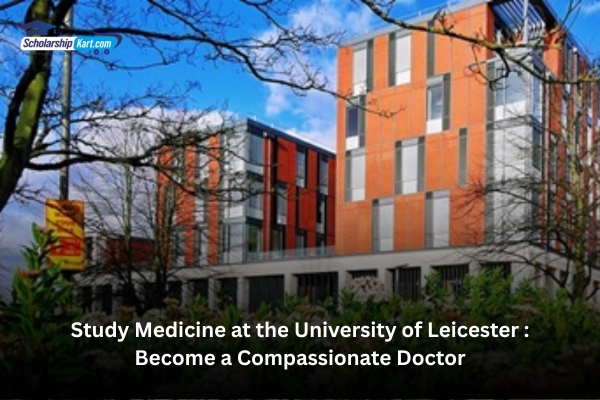
The University of Leicester brings these elements together through an integrated, patient-focused medical education that connects classroom learning with real healthcare experiences from the beginning of your degree.
Founded in 1975, Leicester Medical School celebrated its 50th anniversary in 2025, marking five decades of educating doctors for the modern healthcare environment. As part of the University of Leicester’s College of Life Sciences, the medical school combines established teaching expertise, research-informed education and purpose-built facilities to prepare students for the demands of contemporary medical practice.
The university’s approach places patients at the centre of medical training. Students explore how the human body functions, understand the mechanisms behind disease and develop the communication skills needed to work effectively with patients and healthcare professionals. Early clinical exposure, full-body cadaveric dissection, technology-enhanced learning and hospital placements create opportunities to connect medical theory with practical application.
For students seeking a medical degree that balances scientific understanding, practical experience and compassionate patient care, Leicester offers a structured route towards a career in medicine.
University of Leicester Medicine Rankings and Academic Reputation
University rankings can help prospective students understand how a medical school performs in different areas of higher education. The University of Leicester has received recognition in subject-specific rankings, while its clinical medicine research achievements demonstrate the strength of its academic environment.
University of Leicester Medicine Rankings
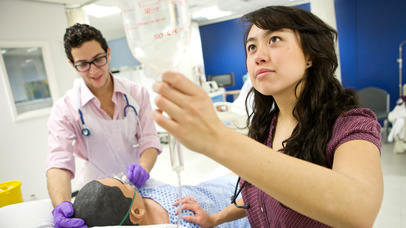
The university’s published Medicine rankings for 2027 include the following positions:
- 2nd in the UK for Medicine: Daily Mail University Guide 2027.
- 5th in the UK for Medicine: The Times Good University Guide 2027.
- 6th in the UK for Medicine: Complete University Guide 2027.
- 10th in the UK for Medicine: The Guardian University Guide 2027.
These positions provide different perspectives on Leicester’s standing as a medical education destination.
A Strong Foundation in Clinical Medicine Research
Research is an important part of Leicester’s academic identity. In the 2021 Research Excellence Framework, the university ranked second in the UK for world-leading research in Clinical Medicine. It was also ranked 30th in the UK for research overall in the REF 2021, according to analysis by Times Higher Education.
In the 2025 Shanghai Global Ranking of Academic Subjects, Leicester placed sixth in the UK and 27th in the world for Clinical Medicine.
This research environment benefits medical students by bringing them into contact with academics and clinicians whose expertise spans areas such as heart disease, cancer and genetics. Learning in a research-active institution can help students understand how scientific discoveries contribute to better diagnosis, treatment and patient safety.
The university’s collaboration with the NHS, businesses and third-sector organisations also supports an environment where education, research and healthcare innovation intersect.
Your journey towards becoming a compassionate, skilled doctor starts with the right choice. Let ScholarshipKart help you get started. From choosing the right university and course to personalised counselling, university admissions, scholarships and visa guidance, our experts can support you at every step of your study-abroad journey. Explore the University of Leicester’s Medicine programmes, review the entry requirements and take the next step towards your future in medicine.
Medicine Courses at the University of Leicester
The University of Leicester offers two undergraduate routes for students interested in becoming doctors: the Medicine MB BCh programme and Medicine with Foundation Year MBChB.
Both routes aim to develop the knowledge, skills, professional attitudes and values required for effective medical practice, but they serve students with different educational starting points.
1. Medicine MB BCh: The Standard Medical Degree
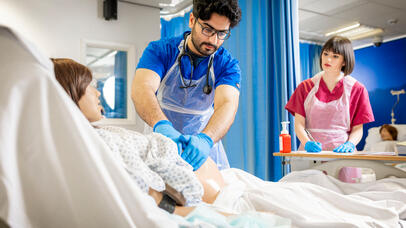
Course duration: 5–6 years
The Medicine MB BCh programme is designed for students who want to build a comprehensive foundation in medical science while developing their clinical abilities through early patient contact and progressive hospital experience.
Rather than separating scientific learning from clinical practice, Leicester follows an integrated curriculum in which students explore medical concepts through the context of patients and their healthcare needs. Teaching combines lectures, small-group activities, clinical skills sessions, cadaveric dissection and supervised clinical learning.
This structure helps students understand not only how the body works but also how diseases develop, how illnesses affect individuals and how doctors apply scientific knowledge when making clinical decisions.
Key features of the Medicine MB BCh degree include:
- Early exposure to patients and healthcare environments.
- Integrated teaching across anatomy, physiology, molecular and cellular science, infection, pharmacology and therapeutics.
- Practical anatomy education through full-body human cadaveric dissection.
- Clinical skills development in a purpose-built Clinical Skills Unit.
- Hospital, general practice and community placements.
- Opportunities to undertake an intercalated degree or research project.
- The possibility of completing an elective placement towards the end of the course.
The programme aims to prepare graduates for the responsibilities of modern medical practice while helping them develop the flexibility needed to respond to changes in healthcare.
2. Medicine with Foundation Year MBChB
Course duration: 6 years
Medicine with Foundation Year provides an alternative pathway for students whose educational backgrounds may make it more difficult to meet the entry requirements for Leicester’s standard five-year MBChB programme.
The course is intended for aspiring medical students who have the motivation and potential to pursue medicine but need an additional year of preparation before progressing to the main medical degree.
The foundation year begins with teaching alongside Biological Science students. Later in the year, students move into medicine-specific modules and gain opportunities to meet patients and develop clinical skills. Successful completion of the integrated foundation year enables progression to the first year of the MBChB course.
This pathway is particularly distinctive because of its emphasis on empathy. Its bespoke curriculum encourages students to approach medicine from the patient’s perspective, recognising that effective healthcare involves understanding people as well as diagnosing and treating disease.
Students develop an appreciation of the emotional, psychological and social dimensions of illness alongside their scientific learning. This foundation can help prepare them for the interpersonal responsibilities they will encounter throughout their medical careers.
The programme reflects Leicester’s commitment to attracting aspirational students from different backgrounds and helping them develop into capable, compassionate and professional doctors.
Inside the University of Leicester Medicine Curriculum

The University of Leicester’s integrated medical curriculum is organised around the relationship between human biology, disease and patient care. Students progress from foundational scientific learning to increasingly intensive clinical responsibilities, building their confidence and competence throughout the degree.
Phase 1: Building Medical Knowledge and Clinical Foundations
Phase 1 lasts two years and focuses on the structure and function of the human body in health and disease. Students study interconnected medical subjects rather than approaching each discipline entirely in isolation.
Teaching includes anatomy, physiology, molecular and cellular science, infection, pharmacology, therapeutics, social sciences and behavioural medicine. These areas help students understand the biological processes behind illness while recognising the wider factors that influence health.
Students also begin developing professional communication and physical examination skills. Initially, they practise with simulated patients, including trained actors, and other volunteers. This provides a structured environment in which they can develop their approach before applying their skills in clinical settings.
Approximately 50% of learning in Phase 1 takes place through guided group work. Clinical Teaching Fellows, who are qualified doctors with at least two years of medical experience, support students as they work through clinical scenarios and apply scientific concepts to patient-related problems.
This approach encourages students to think critically, collaborate with peers and understand how different areas of medical knowledge contribute to clinical decision-making.
Phase 2: Clinical Training in Years 3–5
Phase 2 moves students into full-time clinical environments, where they learn alongside practising doctors in hospitals, general practices and community settings.
The emphasis shifts towards applying knowledge, developing practical competence and understanding the everyday responsibilities of healthcare professionals. Students join teams caring for patients and encounter a range of illnesses, clinical situations and healthcare settings.
Year 3: Medicine, Surgery and General Practice
Students undertake longer, apprenticeship-style placements in medicine, surgery and general practice. These experiences allow them to observe clinical practice, participate in supervised learning and understand how doctors assess and manage patients.
Year 4: Clinical Specialties
- The fourth year focuses on specialty blocks, including:
- Obstetrics and Gynaecology.
- Child Health.
- Cancer Care.
- Psychiatry.
These placements broaden students’ understanding of different patient groups, medical conditions and approaches to treatment. They also highlight the importance of adapting communication and care to individual needs.
Year 5: Preparation for Foundation Doctor Training
The final clinical year includes extended foundation assistantships designed to prepare students for the transition into work as foundation doctors.
Structured learning activities, procedural training, simulation and guidance from experienced clinical teachers help students consolidate their knowledge and develop professional confidence. Placement workbooks and clearly defined learning outcomes provide direction throughout this stage.
Additional Opportunities: Intercalated Degrees and Elective Placements
Students interested in medical research or expanding their academic experience may have the opportunity to undertake an intercalated degree. This involves a period of full-time study or research with experts at Leicester or another institution.
Intercalation can help students explore a particular area of interest in greater depth and understand how research contributes to medical progress.
Towards the end of the medical course, students may also undertake an elective placement in a location of their choice, potentially anywhere in the world. This provides an opportunity to explore a different healthcare environment and broaden their clinical perspective.
Why Study Medicine at the University of Leicester?
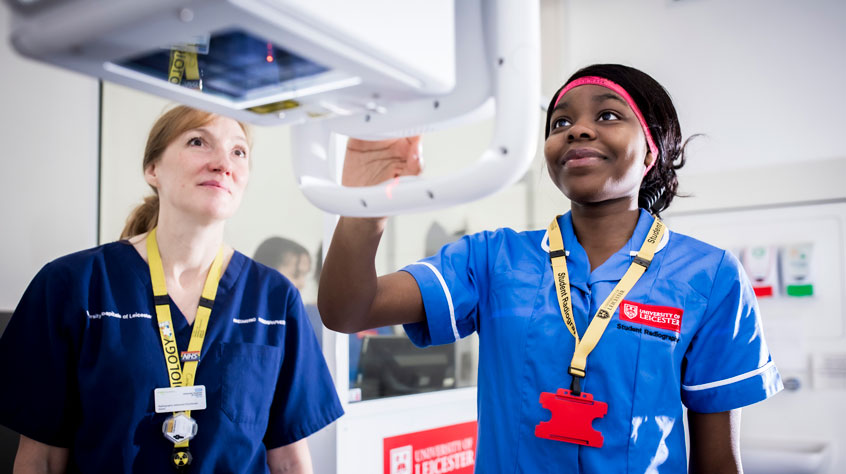
1. Gain Early Clinical Experience
The University of Leicester offers patient-focused medical education from the first year. Students have opportunities to meet patients, develop communication and examination skills, and gain hospital ward experience.
First-year students can also undertake training leading to the Health Care Certificate, preparing them for Healthcare Assistant work. This early exposure helps connect medical theory with real healthcare practice.
2. Learn Through Full-Body Cadaveric Dissection
Leicester is one of the few UK medical schools offering full-body human cadaveric dissection. This hands-on approach helps students develop a deeper understanding of human anatomy and the relationships between different body systems.
Teaching takes place in a purpose-built dissection room in the Maurice Shock Building. It complements classroom learning with practical anatomical experience.
3. Study at the £42 Million George Davies Centre
The state-of-the-art George Davies Centre represents a £42 million investment in medical teaching and applied research. Designed to support medical education and research into areas such as chronic disease and patient safety, it provides a modern learning environment.
The centre supports technology-enhanced teaching and collaboration between students and educators. Its facilities contribute to Leicester’s commitment to preparing capable and caring doctors.
4. Benefit from Technology-Enhanced Learning
Leicester was the first UK medical school to introduce a one-iPad-per-student programme at undergraduate level. Students receive an iPad to access lecture materials, video tutorials, group-work resources and other digital learning content.
The curriculum also incorporates technologies such as 3D printing and 3D reconstructions. These resources support flexible learning throughout classroom teaching and clinical placements.
5. Develop Practical Skills in Specialist Facilities
Students can practise clinical procedures and strengthen their practical abilities in the university’s Clinical Skills Unit. The Simulation Centre at Leicester Royal Infirmary provides an additional specialist learning environment.
These facilities allow students to develop their skills in structured settings before applying them in clinical practice. Combined with supervised placements, they support progressive clinical development.
6. Learn from Experienced Doctors and Researchers
Leicester students learn from experienced academics and medical practitioners working across a range of clinical disciplines. Qualified doctors known as Clinical Teaching Fellows guide small-group sessions and help students apply medical knowledge to clinical scenarios.
Teaching also draws on research expertise in areas such as heart disease, cancer and genetics. This combination connects academic learning with contemporary medical practice.
7. Develop Empathy and Compassion for Patients
The University of Leicester places strong emphasis on empathy as an essential part of medical education. Its Stoneygate Centre for Empathic Healthcare supports teaching and research focused on understanding patients’ perspectives.
Students learn to consider the social, psychological and emotional dimensions of illness alongside its physical effects. This approach encourages the development of compassionate doctors who prioritise patient-centred care.
8. Gain Experience Through Diverse Clinical Placements
Leicester Medical School has an extensive network of teaching hospitals, district general hospitals, general practices and community placements. Students gain experience in Leicester’s city hospitals and healthcare settings across the Midlands, Lincolnshire and Northamptonshire.
These placements expose them to diverse patients, medical conditions and clinical teams. The experience helps prepare students for the responsibilities of working as foundation doctors.
9. Benefit from Strong Clinical Medicine Research
The University of Leicester ranked second in the UK for world-leading research in Clinical Medicine in the 2021 Research Excellence Framework. In the 2025 Shanghai Global Ranking of Academic Subjects, it ranked sixth in the UK and 27th worldwide for Clinical Medicine.
This research environment brings students into contact with expertise across important medical fields. Eligible students can also explore further academic interests through intercalated study and research opportunities.
10. Access Academic and Student Support
Leicester provides academic support to help students manage the demands of medical education. The Centre for Academic Achievement offers guidance on examination preparation, academic writing, presentations, dissertations and referencing.
The AccessAbility Centre provides practical support for students with specific learning difficulties and other disabilities. These services help students develop effective study strategies and access appropriate assistance throughout their degree.
Conclusion
Studying Medicine at the University of Leicester offers an opportunity to develop as both a medical professional and a compassionate caregiver. With a medical school established in 1975, the £42 million George Davies Centre, full-body cadaveric dissection, technology-enhanced teaching and extensive clinical placement opportunities, Leicester brings together the scientific and practical dimensions of medical education.
Its integrated curriculum helps students connect the science of the human body with the realities of patient care. Early clinical exposure introduces the responsibilities of healthcare, while later hospital and community placements provide opportunities to apply knowledge, develop clinical skills and learn alongside practising doctors. Research-informed teaching and the university’s emphasis on empathy further support the development of thoughtful, adaptable and patient-focused future doctors.
The Medicine MB BCh programme offers a structured route for students ready to begin standard medical training, while Medicine with Foundation Year provides an additional pathway for eligible applicants whose educational backgrounds call for further preparation.
Becoming a doctor requires sustained effort, curiosity, resilience and a genuine commitment to helping others. Leicester’s approach to medical education is designed to nurture these qualities alongside academic and clinical competence.
If your ambition is to build a career in medicine, the University of Leicester offers a learning environment in which scientific understanding, practical experience and compassionate care work together. Exploring the available courses and their entry requirements can be your first step towards a rewarding future in healthcare.
Ready to turn your passion for healthcare into a rewarding medical career? Book a Free Consultation with ScholarshipKart for expert counselling, admission assistance, scholarship guidance and visa support. Explore Medicine at the University of Leicester and discover how its patient-focused curriculum, hands-on clinical training and world-class facilities can help you take the first step towards becoming a doctor.
FAQs
1. Can international students study Medicine at the University of Leicester?
International students can explore Medicine programmes at the University of Leicester, subject to the university’s admission requirements and eligibility criteria. Applicants should check the specific entry requirements for their chosen course before applying.
2. How long does it take to study Medicine at the University of Leicester?
The standard Medicine MB BCh programme takes five to six years, while Medicine with Foundation Year MBChB takes six years. The appropriate route depends on your academic background and eligibility for the programme.
3. What Medicine courses are available at the University of Leicester?
The university offers Medicine MB BCh and Medicine with Foundation Year MBChB. The standard programme provides a direct route into medical education, while the foundation-year option offers an additional preparatory pathway for eligible students.
4. What makes the University of Leicester a good choice for international medical students?
Leicester offers an integrated, patient-focused curriculum, early clinical exposure, full-body cadaveric dissection and specialist clinical skills facilities. Its research strengths and diverse hospital and community placements also support students’ academic and professional development.
5. Do medical students at Leicester get clinical experience from the first year?
Yes, students have opportunities to meet patients and develop clinical communication and examination skills from the first year. They can also gain hospital ward experience and undertake training leading to the Health Care Certificate.
6. What teaching facilities are available to Medicine students at Leicester?
Students benefit from the £42 million George Davies Centre, a purpose-built dissection room, a Clinical Skills Unit and the Simulation Centre at Leicester Royal Infirmary. The university also provides iPads and digital learning resources to support teaching and clinical learning.
7. Can international students undertake medical research at the University of Leicester?
Eligible medical students may have opportunities to undertake an intercalated degree involving full-time study or research with experts at Leicester or elsewhere. These opportunities can help students explore specialist interests and develop a deeper understanding of medical research.
8. What career prospects can Medicine graduates expect after studying at Leicester?
The university reports that 98% of graduates are in work or further study 15 months after completing their course. Medical career progression depends on successfully completing the degree and meeting the relevant requirements for further clinical training and professional registration.