
Radiography is a diverse healthcare profession that plays an essential role in diagnosing medical conditions, guiding clinical decisions and delivering effective cancer treatment. Whether you aspire to produce diagnostic images that help identify diseases or use advanced technology to support patients undergoing radiotherapy, GCU offers specialised degree pathways to help you pursue your professional goals.
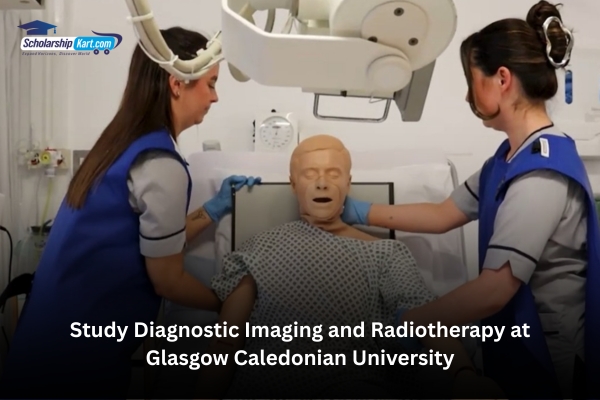
Studying radiography at Glasgow Caledonian University (GCU) lets you combine medical science, advanced imaging technology, and compassionate patient care.
Located in the heart of Glasgow city centre, GCU provides a career-focused learning environment for students who want to contribute to modern healthcare through diagnostic imaging or cancer treatment.
The university offers undergraduate and postgraduate routes in radiography, including the BSc (Hons) Diagnostic Imaging, BSc (Hons) Radiotherapy and Oncology, and MSc Diagnostic Radiography (Pre-registration). Each pathway develops different professional skills, allowing students to select a programme that matches their academic background and career ambitions.
Why Study Radiography at Glasgow Caledonian University?
Glasgow Caledonian University combines academic learning, practical training and professional development to prepare students for careers in contemporary healthcare. Its radiography programmes emphasise technical competence, evidence-based practice and the ability to deliver safe, respectful and compassionate patient care.
Several features make GCU an appealing destination for aspiring radiographers.
Ranked No. 1 in the UK and Scotland for Radiography Education: The Times and Sunday Times Good University Guide 2027 ranks GCU first in Scotland and the UK for radiography education.
Specialist radiography education: GCU is Scotland’s largest provider of radiography education, according to HESA 2025, with established connections across the NHS.
Industry-relevant training: Students can develop practical skills using imaging equipment, digital image-viewing systems and radiotherapy planning technology.
Clinical placement opportunities: Practice-based learning helps students understand professional responsibilities and apply their knowledge in healthcare environments.
Experienced teaching staff: Students benefit from teaching informed by academic expertise, clinical experience and research.
Interprofessional learning: Collaborative learning opportunities help students understand how radiographers work alongside other healthcare professionals.
Patient-centred education: The programmes place importance on dignity, compassion, communication and individual patient needs.
Supportive environment and specialist facilities: GCU’s Glasgow city-centre campus also provides a supportive environment for academic study, collaboration and student life. Its combination of specialist facilities and healthcare-focused education allows students to develop the knowledge and confidence required for professional practice.
Your future in radiography starts with the right choice. Let ScholarshipKart help you get started. From choosing the right university and course to personalised counselling, university admissions, scholarships and visa guidance, our experts can support you at every step of your study-abroad journey. Explore GCU’s radiography courses to find the pathway that matches your ambitions and take the next step towards making a difference in patients’ lives.
Explore Radiography Courses at Glasgow Caledonian University
GCU offers three distinct study pathways for students interested in radiography. Understanding the difference between diagnostic imaging, therapeutic radiography and postgraduate diagnostic radiography is important when deciding which programme best suits your career plans.
BSc (Hons) Diagnostic Imaging: Learn to See Beyond the Symptoms
The BSc (Hons) Diagnostic Imaging degree is designed for students who want to pursue a career in diagnostic radiography. The profession uses medical imaging technology to create pictures of the inside of the human body, helping healthcare professionals investigate injuries, identify diseases and support diagnosis.
The course combines scientific knowledge with practical experience, preparing students to understand both the technical demands of medical imaging and the importance of high-quality patient care.
What Will You Learn in Diagnostic Imaging?
A strong understanding of the human body and disease processes is essential for diagnostic radiographers. The programme develops knowledge across several core areas, including:
- Anatomy: Understanding the structure of the human body and the location of its organs, bones and tissues.
- Physiology: Learning how the body’s systems function and interact.
- Pathology: Exploring diseases, abnormalities and changes that can affect normal bodily structures and functions.
- Imaging technology: Developing an understanding of the technical principles involved in medical imaging and the operation of imaging equipment.
- Patient-centred care: Learning to consider individual needs, communicate appropriately and support patients throughout their healthcare journey.
- Clinical practice: Connecting theoretical knowledge with the practical responsibilities of working in an imaging department.
The programme places a strong emphasis on integrating academic study with clinical practice. This approach helps students understand how scientific principles inform imaging procedures and how professional judgement contributes to safe, effective healthcare.
Students also learn about the different stages of a patient’s healthcare journey. This broader perspective is important because diagnostic radiographers must consider not only image quality but also patient comfort, communication and the purpose of each examination.
This degree is particularly suitable for individuals who enjoy science, are interested in medical technology and want to make a meaningful contribution to patient diagnosis. It may be an excellent choice if you want to develop technical expertise while working directly with patients in a healthcare environment.
BSc (Hons) Radiotherapy and Oncology: Combine Technology with Compassionate Cancer Care
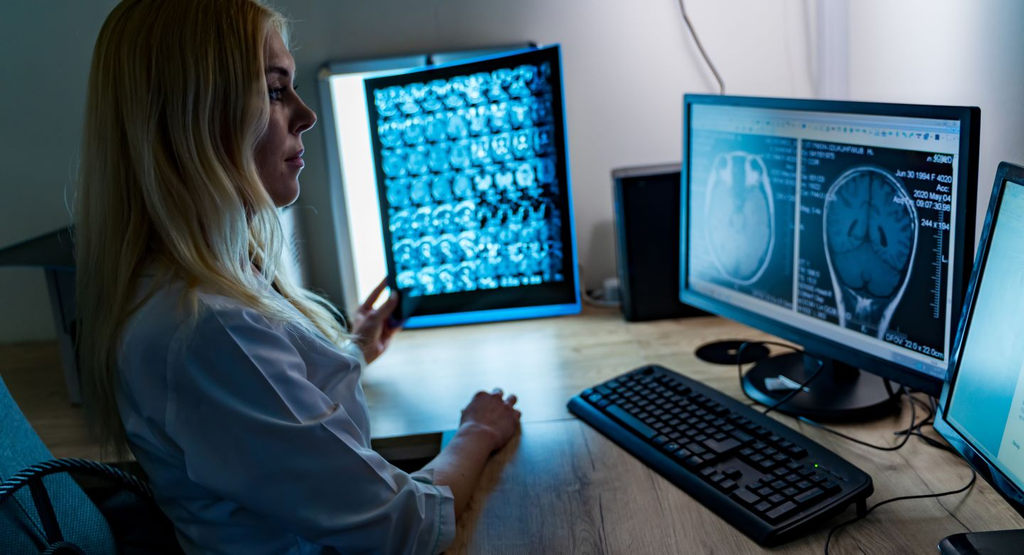
For students interested in cancer treatment, the BSc (Hons) Radiotherapy and Oncology provides a pathway towards becoming a therapeutic radiographer.
Therapeutic radiographers play an important role in cancer care by using advanced technology to plan and deliver radiotherapy treatments. Their responsibilities also involve supporting patients and their families through different stages of treatment.
The course combines scientific understanding, practical technology skills and compassionate communication to prepare students for this specialised profession.
Develop Practical Skills in Radiotherapy Planning
A key feature of the programme is access to a global, cloud-based radiotherapy planning system. This enables students to develop treatment-planning skills in a professional-style environment.
Students also gain practical experience with digital imaging tools used in clinical practice. These learning opportunities help them understand how technology supports treatment delivery and how precision contributes to effective radiotherapy.
Practice placements form another important part of the degree. Students have opportunities to gain experience in major and smaller NHS cancer centres across Scotland, including centres recognised for excellence.
These placements help students understand the realities of cancer care, develop professional confidence and learn how multidisciplinary teams contribute to treatment.
MSc Diagnostic Radiography (Pre-registration): An Advanced Route into the Profession
The MSc Diagnostic Radiography (Pre-registration) offers a postgraduate pathway for individuals seeking to qualify as diagnostic radiographers.
The programme combines advanced learning, scientific and technical development, professional preparation and clinical experience. It is designed to help students develop the competencies needed to practise effectively in a changing healthcare environment.
Diagnostic radiographers use several imaging technologies, including:
- X-ray: Producing images that help clinicians examine bones and other body structures.
- Computed tomography (CT): Creating detailed cross-sectional images of the body.
- Magnetic resonance imaging (MRI): Using magnetic fields and radio waves to generate detailed internal images.
Ultrasound (US): Using sound waves to produce images of internal structures.
The programme develops the scientific understanding and professional skills required to use imaging technologies appropriately within clinical practice.
Key Modules in the MSc Diagnostic Radiography Programme
The course includes modules that support the development of scientific knowledge, technical expertise and professional competence.
- Anatomy and Physiology for Radiographers: Builds understanding of the body and its functions in relation to diagnostic imaging.
- Preparation for Radiographic Practice: Introduces the knowledge and skills needed to prepare for professional responsibilities.
- Radiographic Principles: Develops understanding of the scientific and technical foundations of radiography.
- Pattern Recognition in Radiography: Focuses on recognising patterns in radiographic images.
- Professional Practice Education and Application: Connects academic learning with professional development and practical application.
Together, these modules support the development of radiographers who can work safely, flexibly and effectively within multidisciplinary healthcare teams.
Why Is Person-Centred Care Important in Therapeutic Radiography?
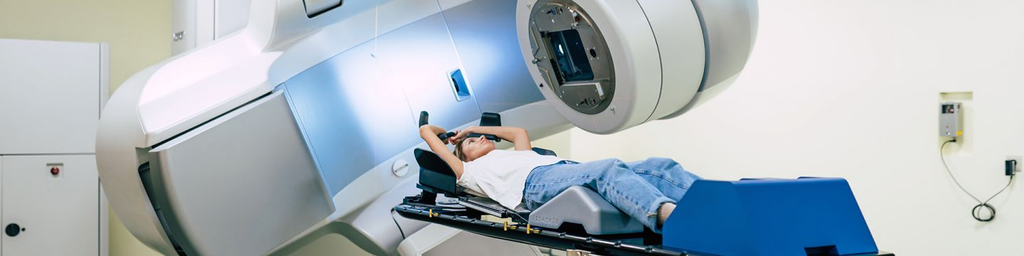
Cancer treatment can be physically and emotionally demanding. Therapeutic radiographers therefore need more than technical knowledge; they must also recognise the individual experiences and concerns of patients.
The course emphasises:
- Providing individualised support throughout treatment.
- Communicating sensitively with patients and their families.
- Helping patients feel safe, respected and understood.
- Applying technical knowledge responsibly in clinical environments.
- Working collaboratively with other healthcare professionals.
GCU is Scotland’s largest provider of therapeutic radiography education and maintains established relationships with NHS partners. These connections help support a learning experience informed by professional practice and developments in cancer care.
This degree may suit students who want to combine medical science, advanced technology and meaningful involvement in the lives of people receiving cancer treatment.
Clinical Placements and Professional Registration
Students have work placement opportunities as part of their learning. These experiences allow them to apply their knowledge, develop practical competence and understand professional expectations in clinical settings.
The course is designed to meet the Health and Care Professions Council (HCPC) Standards of Proficiency. Graduates who successfully complete the programme can be eligible to apply for HCPC registration, subject to the applicable requirements.
The programme also emphasises professional values, including care and compassion, dignity and respect, openness and honesty, personal responsibility, quality and teamwork.
Each cohort comprises up to 15 students, supporting a more personalised approach to learning.
This pathway may appeal to individuals seeking an intensive, career-focused route into diagnostic radiography. Prospective applicants should check the university’s current entry requirements and any relevant prior-degree requirements before applying.
Radiography Facilities and Practical Learning at GCU
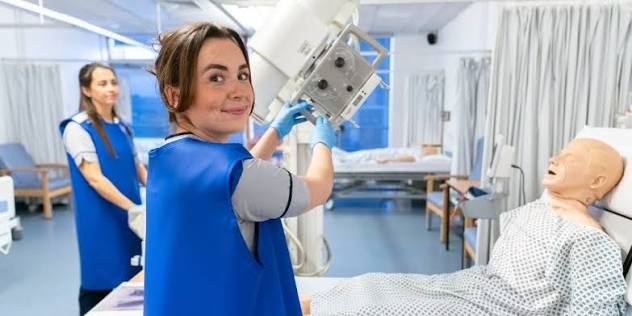
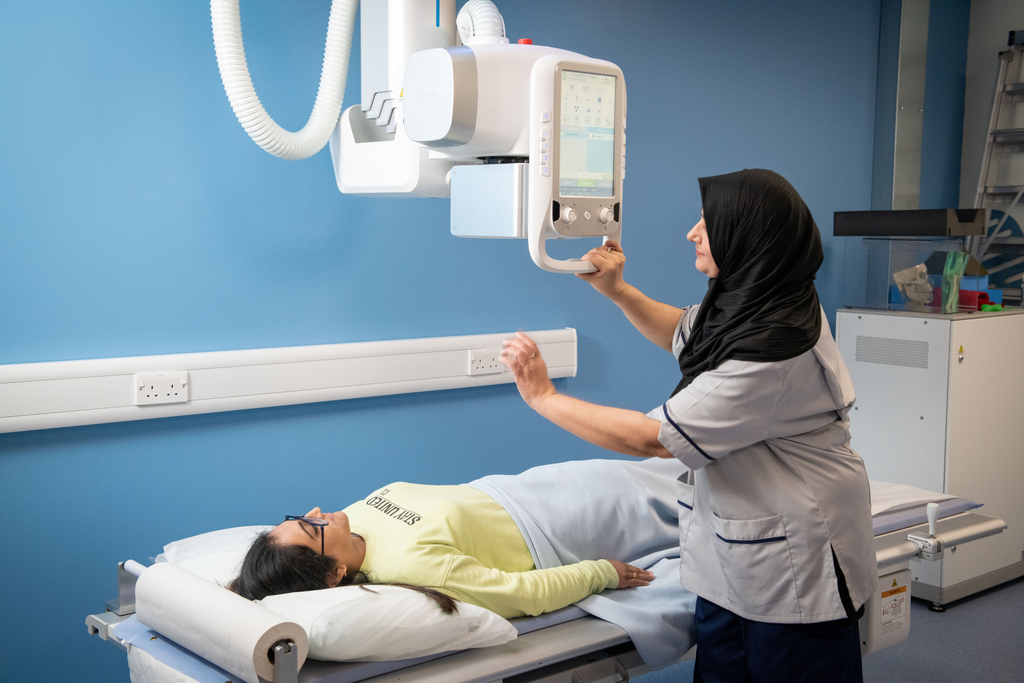
Practical experience is essential for developing the skills needed in diagnostic imaging and therapeutic radiography. GCU’s specialist facilities provide opportunities for students to practise techniques, build confidence and develop their understanding of clinical environments.
Specialist Imaging and Simulation Facilities
The university’s main Glasgow campus houses facilities designed to support radiography education, including:
- Full-scale radiography suites: Environments for learning about imaging procedures and radiographic practice.
- Direct Radiography (DR) systems: Technology that supports practical learning in digital X-ray imaging.
- Ultrasound simulation equipment: Resources for developing an understanding of ultrasound techniques.
- Radiotherapy Planning Suite: A specialist learning environment for radiotherapy planning.
- Interprofessional Simulation Centre: A setting for developing clinical and practical skills through realistic healthcare scenarios.
The Interprofessional Simulation Centre recreates clinical and community environments to help healthcare students prepare for professional practice. Programmable patient manikins allow students to practise responding to simulated situations in a safe, supportive setting.
An integrated camera system can record and replay student activities, providing opportunities to review performance and identify areas for improvement.
These facilities help bridge the gap between classroom learning and the practical demands of healthcare work.
Guest Lectures, NHS Partnerships and Collaborative Learning
Learning extends beyond lectures and simulated practice. Guest lectures from radiography experts provide opportunities to explore professional perspectives, while the involvement of service users and carers helps students appreciate different patient experiences.
GCU’s established NHS partnerships also support clinical learning and connections with healthcare practice.
The GCU Radiography Society brings together students studying Diagnostic Imaging and Radiotherapy and Oncology. As an academic course-based society, it offers a shared community for students with similar professional interests.
Student Support and Learning Resources at Glasgow Caledonian University
A successful university experience depends on more than the course itself. Access to learning resources, appropriate study spaces and opportunities for collaboration can support academic progress throughout a degree.
The Sir Alex Ferguson Library provides a range of resources for independent study and academic development, including:
More than 270,000 books, 350 personal computers, study rooms, extensive online learning resources and a learning café. These facilities provide spaces for individual research, coursework preparation and collaborative study.
A Supportive, Interprofessional Learning Environment
GCU teaches more students in subjects allied to medicine than any other university in Scotland, according to HESA 2025. This creates opportunities to learn alongside students preparing for other healthcare professions.
Interprofessional learning is particularly valuable in radiography because patient care involves cooperation between different specialists. Developing an understanding of other professional roles can help students strengthen communication, teamwork and collaborative decision-making.
The university also emphasises student support and modern teaching methods, helping students engage with academic material and develop confidence as they progress through their studies.
Career Opportunities After Studying Radiography at GCU
A radiography qualification can open pathways into clinical practice, specialist healthcare roles, research and education. The opportunities available depend on the programme completed, professional registration requirements and subsequent clinical experience.
Careers After BSc (Hons) Diagnostic Imaging
Graduates may pursue employment in the UK or internationally, subject to relevant registration and employment requirements.
Potential career settings include:
- NHS hospitals and acute healthcare services.
- Community healthcare services.
- Private diagnostic imaging practices.
- National screening programmes.
- Research and education.
With additional experience and appropriate training, radiographers may progress towards specialist roles or advanced and consultant practitioner positions.
Possible areas of development include ultrasound, image interpretation, breast imaging, reporting, research and education.
Careers After BSc (Hons) Radiotherapy and Oncology
Graduates can pursue careers as therapeutic radiographers, contributing to cancer treatment through radiotherapy planning, treatment delivery and patient support.
The profession combines technical precision with ongoing patient interaction. Opportunities to develop specialist knowledge and professional expertise can arise as individuals gain experience and undertake further development.
Careers After MSc Diagnostic Radiography (Pre-registration)
Successful graduates who meet the relevant registration requirements can enter diagnostic radiography practice.
Career development may include specialist imaging, advanced clinical responsibilities, research, education and leadership. The combination of scientific knowledge, technical skills and patient-centred practice can also support longer-term professional development.
Across these pathways, career progression depends on individual experience, further training, registration status and available roles.
Accreditation and Professional Standards for Radiography Students
Professional standards are an important consideration when selecting a radiography degree because they help ensure that education prepares students for the responsibilities of healthcare practice.
GCU’s radiography programmes are associated with the Health and Care Professions Council (HCPC) and the College of Radiographers, reflecting their focus on professional standards and quality education.
The HCPC is particularly relevant to professional registration for radiographers in the UK.
Entry Requirements for Radiography Courses at Glasgow Caledonian University
Bachelor’s Degree Entry Requirements
A Levels: BBC or equivalent, including A Level qualifications in two sciences.
Master’s Degree Entry Requirements
A first-class or upper-second-class honours degree obtained within the last five years.
Knowledge of research processes and research methods.
English Language Requirements
- IELTS: Overall score of 7.0, with no individual component below 6.5, or equivalent.
- Recognition of Prior Learning (RPL)
Applicants without standard academic qualifications may be considered through GCU’s Recognition of Prior Learning scheme, based on relevant work experience or recognised prior learning.
Conclusion
Studying radiography at Glasgow Caledonian University offers an opportunity to turn an interest in medical science and healthcare into a meaningful professional career. With specialised degree pathways in diagnostic imaging, radiotherapy and oncology, and postgraduate diagnostic radiography, students can develop the scientific knowledge, technical expertise and patient-care skills needed to contribute to modern healthcare.
The combination of experienced teaching staff, specialist simulation facilities, clinical placement opportunities and established NHS partnerships supports learning that extends beyond the classroom. Equally important, GCU’s emphasis on person-centred care prepares aspiring radiographers to approach their responsibilities with compassion, professionalism and respect for every patient.
As medical imaging and cancer treatment continue to rely on advanced technology and skilled healthcare professionals, radiography offers opportunities for continuous learning, specialisation and professional growth. Choosing the programme that aligns with your interests and career goals can be the first step towards a rewarding future in healthcare, where your expertise can make a genuine difference to patients and the wider medical community.
Ready to build a rewarding career in healthcare? Book a Free Consultation with ScholarshipKart for expert counselling, admission assistance, scholarship guidance and visa support. Explore radiography courses at Glasgow Caledonian University and discover how hands-on clinical training, advanced imaging technology and patient-centred learning can help you turn your passion into a profession.
FAQs
1. What radiography courses can international students study at Glasgow Caledonian University?
International students can explore the BSc (Hons) Diagnostic Imaging, BSc (Hons) Radiotherapy and Oncology, and MSc Diagnostic Radiography (Pre-registration) programmes at GCU. Each course offers a different pathway into diagnostic imaging or cancer treatment.
2. What are the entry requirements for international students applying to radiography courses at GCU?
Undergraduate applicants typically need BBC at A Level or equivalent, including two science subjects at A Level. Master’s applicants normally require a first-class or upper-second-class honours degree obtained within the last five years, alongside knowledge of research methods.
3. What IELTS score is required to study radiography at Glasgow Caledonian University?
The stated English language requirement is an IELTS overall score of 7.0, with no individual component below 6.5, or an equivalent qualification. International applicants should confirm the current requirements for their chosen programme before applying.
4. Do radiography students at GCU receive practical training and clinical placement opportunities?
Yes, students benefit from specialist simulation facilities, imaging technology and practice-based learning opportunities. Depending on the programme, placements may include NHS healthcare settings and cancer centres across Scotland, helping students develop clinical skills and professional confidence.
5. What career opportunities are available after studying radiography at GCU?
Graduates may pursue careers as diagnostic or therapeutic radiographers, depending on their qualification and professional registration eligibility. With further experience and training, career development may include specialist imaging, ultrasound, image interpretation, research, education and advanced clinical practice.