
What does it take to become a doctor who combines scientific expertise with compassion, sound clinical judgement and the confidence to make a difference in patients’ lives? At Hull York Medical School (HYMS), medical education is designed around this very question.
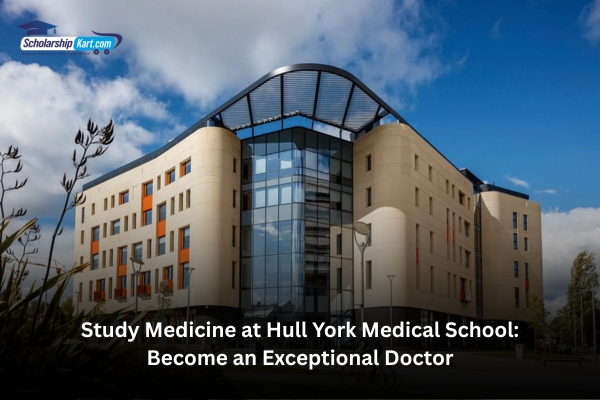
Bringing together academic excellence, early patient contact, practical clinical training and a strong emphasis on patient-centred care, HYMS offers an innovative approach to preparing future doctors for the realities of modern healthcare.
Established through a partnership between the University of Hull, the University of York and NHS trusts across the region, Hull York Medical School combines the academic strengths of two universities with extensive opportunities to learn in real healthcare environments.
Students benefit from access to the facilities, research opportunities, academic expertise and support networks of both university partners while gaining clinical experience across hospitals, general practices and community settings.
The school’s Medicine programme is designed to develop more than theoretical knowledge. It helps students build the communication, analytical, problem-solving and clinical reasoning skills required to assess patients, understand complex medical conditions and contribute effectively to healthcare teams.
From learning through hypothetical patient cases to practising clinical procedures and undertaking supervised placements, students progressively develop the capabilities needed for professional medical practice.
Hull York Medical School was ranked 10th for Medicine in both the Guardian University Guide 2027 and The Times and Sunday Times Good University Guide 2027. These rankings offer an encouraging starting point for prospective students exploring medical education in the UK.
Whether you aspire to work in general practice, pursue a hospital speciality, explore medical research or discover a particular area of healthcare, HYMS provides opportunities to develop your interests throughout your training.
Its central philosophy is straightforward: prepare knowledgeable, confident and compassionate doctors who can respond thoughtfully to the needs of individual patients and the wider healthcare system.
Ready to study Medicine in the UK? Let ScholarshipKart help you get started. From choosing the right university and course to personalised counselling, university admissions, scholarships and visa guidance, our experts can support you at every step of your study-abroad journey. Explore Hull York Medical School’s programmes and take the first step towards becoming an exceptional doctor.
Which Medicine Courses Can You Study at Hull York Medical School?
Hull York Medical School offers two principal routes into its Medicine programme, catering to different stages of academic preparation and widening participation objectives.
1. MBBS Medicine: A Five-Year Medical Degree
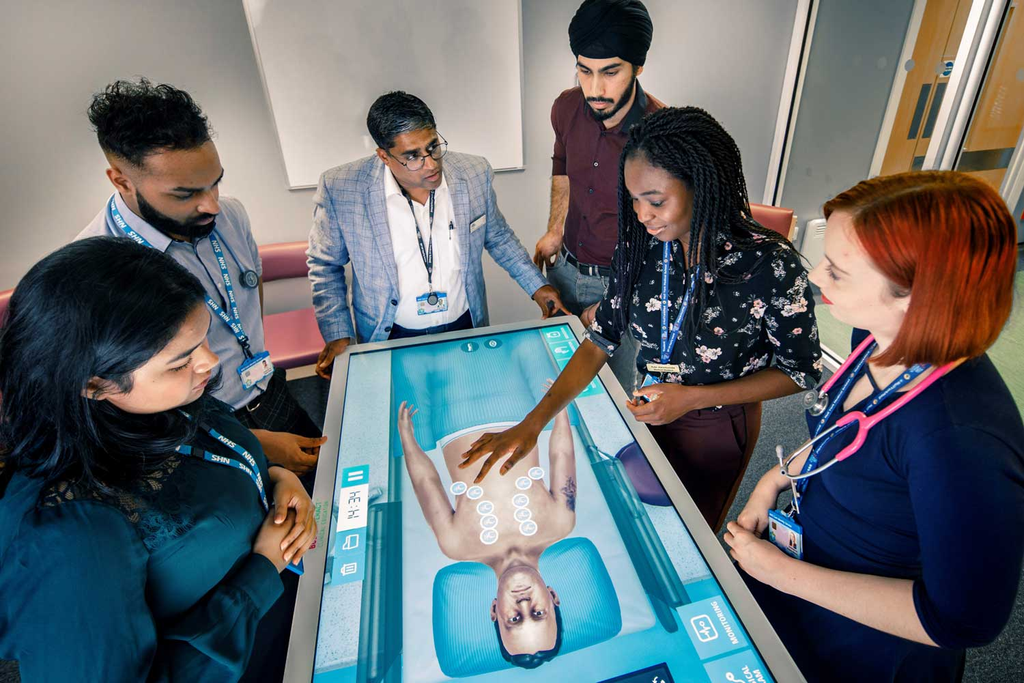
The MB BS Medicine programme is a five-year undergraduate medical degree organised into three progressive phases. Its integrated curriculum combines scientific learning, problem-based learning, clinical skills development, research-related study and supervised patient placements.
Rather than treating medical theory and practical experience as separate subjects, the programme connects them throughout the course. Students explore clinical problems, identify gaps in their knowledge, investigate the relevant scientific principles and apply their understanding to patient care.
The three phases progressively prepare students for greater clinical responsibility:
Phase 1: Develop foundational medical knowledge, clinical skills and problem-solving abilities through problem-based learning and complementary teaching activities.
Phase 2: Build practical experience through full-time clinical placements in hospitals, general practices and community healthcare settings.
Phase 3: Consolidate clinical knowledge, work more closely within multidisciplinary teams and prepare for the transition to junior doctor training.
Students graduate with an MB BS degree awarded jointly by the University of Hull and the University of York.
2. Medicine with a Gateway Year: A Six-Year Medical Programme
The Medicine with a Gateway Year programme is a six-year route designed to widen participation in medical education. It aims to facilitate access to Medicine for students from under-represented backgrounds who meet the school’s contextual eligibility criteria, with particular encouragement for eligible applicants from the Hull York Medical School region.
The additional Gateway Year provides a structured introduction to university study and medical education before students enter the standard Medicine programme.
Based at the University of Hull, this first year helps students strengthen their foundations in human biology, develop introductory clinical skills and build confidence in preparation for the academic and practical demands of medical school.
The Gateway Year includes:
- Human biology: Establish a foundation in the biological concepts that underpin medical learning.
- Anatomy laboratory sessions: Gain hands-on experience in anatomy labs and begin developing an understanding of the human body.
- Professionalism and ethics: Explore the professional responsibilities and ethical considerations involved in medical practice.
- Health and society: Consider health in its broader social context and develop an understanding of factors that influence patient experiences.
- Medical scholarship: Begin developing the academic and research-related skills needed for medical study.
- Local clinical placements: Practise communication, build confidence and develop an empathetic approach to patient care.
The Gateway Year is delivered at the University of Hull’s £28-million health campus, with the Allam Medical Building at its centre. Students who successfully complete the year progress to Phase 1 of the MB BS Medicine programme.
Explore the MB BS Medicine Curriculum at Hull York Medical School
The five-year Medicine degree follows a carefully structured curriculum that moves from foundational learning towards increasingly immersive clinical practice.
Each phase has a distinct purpose, helping students develop the scientific understanding, practical abilities and professional judgement required of a doctor.
Phase 1: Build Strong Medical Foundations Through Problem-Based Learning
Phase 1 introduces students to the principles of medicine through problem-based learning (PBL), a teaching approach that places hypothetical patient cases at the centre of the learning process.
Working in a small group under the guidance of an experienced clinician, students examine a patient scenario and identify the questions they need to investigate. They explore the relevant medical science, discuss possible explanations and determine which areas require further study.
This approach encourages students to become active participants in their education rather than relying exclusively on lectures or memorisation.
Students deepen their understanding through a combination of:
- Anatomy sessions: Develop knowledge of human structure and its relevance to medical practice.
- Clinical placements: Begin encountering patients and observing healthcare delivery.
- Clinical and communication skills sessions: Practise the foundations of effective patient interaction and clinical assessment.
- Lectures and workshops: Explore essential scientific and clinical concepts in greater depth.
- Self-directed learning: Identify learning needs, investigate evidence and take responsibility for academic progress.
- Scholarship and Special Interest Programme (SSIP): Explore research-related topics and develop as an independent scholar.
Following the initial investigation, students return to their PBL group to discuss their findings, address uncertainties and consolidate what they have learned with their clinician tutor.
This cycle of questioning, investigation, discussion and reflection develops intellectual curiosity, teamwork and analytical thinking. It also establishes habits that remain valuable throughout a medical career, when doctors must continually evaluate evidence and update their knowledge.
Phase 2: Develop Clinical Expertise Through Hospital and Community Placements
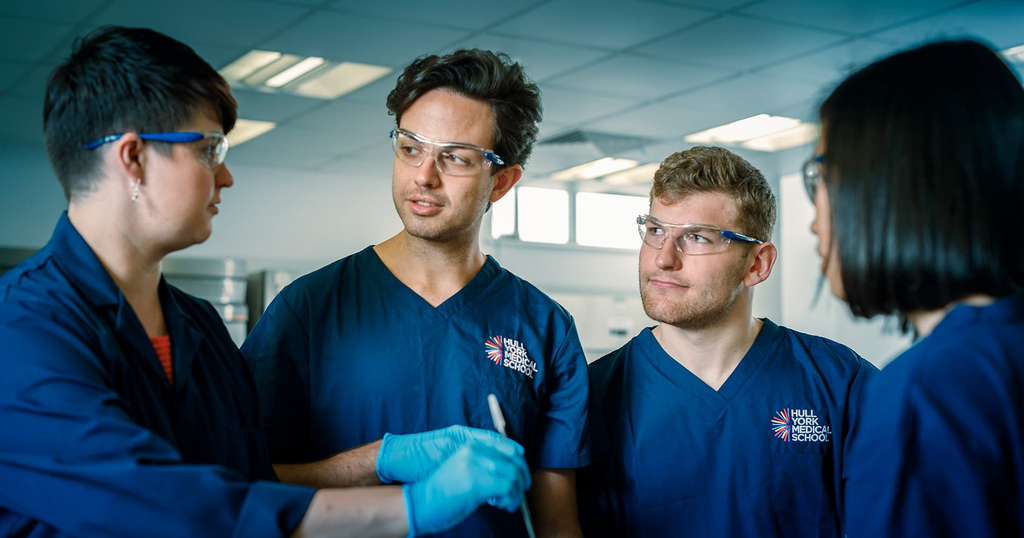
Phase 2 covers Years 3 and 4, when students undertake full-time clinical placements in primary and secondary care.
Primary care placements take place in general practices and community settings, while secondary care placements provide experience in hospitals. Students rotate through different clinical specialities and locations, encountering a range of medical conditions, patient needs and approaches to healthcare delivery.
Under the supervision of dedicated clinical tutors, students develop their ability to:
- Take accurate and relevant patient histories.
- Perform appropriate clinical examinations.
- Recognise symptoms and consider possible explanations.
- Apply medical knowledge to clinical problems.
- Communicate effectively with patients and healthcare professionals.
- Develop clinical reasoning and problem-solving skills.
- Understand how different healthcare professionals contribute to patient care.
The programme also incorporates seminars, teaching sessions and clinical skills training at dedicated facilities within hospital placement sites. Student liaison teams are based at these sites to provide support during clinical training.
An important strength of this phase is the range of environments in which students learn. Placements across urban, rural and coastal communities introduce students to different patient demographics and healthcare needs.
This experience helps future doctors appreciate that effective care requires both sound medical knowledge and an understanding of the individual circumstances surrounding each patient.
Phase 3: Prepare for Professional Medical Practice in Year 5
The final year focuses on consolidating clinical capabilities and preparing students for the next stage of their medical training.
Students continue their placements across primary and secondary care settings, developing greater familiarity with the responsibilities of working within clinical teams. There is increased emphasis on multidisciplinary collaboration, as well as experience of on-call and out-of-hours duties.
These opportunities help students understand how healthcare professionals coordinate care, respond to changing clinical demands and communicate effectively in busy working environments.
Teaching and clinical skills sessions continue at dedicated hospital facilities, supporting students as they refine their practical knowledge and professional judgement.
The aim is to help students enter the next stage of training with a stronger understanding of clinical responsibilities, a more developed approach to patient care and the ability to contribute confidently as junior doctors in training.
The Six-Week Medical Elective: Explore Your Clinical Interests
One of the distinctive opportunities within the Medicine programme is the six-week elective, undertaken before students begin their final-year clinical placements.
The elective gives students the freedom to explore medicine beyond the core curriculum. They can choose to remain in the UK or travel abroad, depending on their interests and plans.
Possible areas of exploration include:
- Spending additional time in a clinical speciality that has captured their interest.
- Investigating a particular area of medical practice.
- Exploring specialist disciplines and their approaches to patient care.
- Undertaking research-related activity that supports their academic interests.
The elective encourages students to reflect on their developing professional interests and discover areas they may wish to explore further during their medical careers. It also offers a valuable opportunity to connect their academic learning with a more focused clinical or research experience.
Where Will You Study Medicine at Hull York Medical School?

When offered a place on the MB BS Medicine programme, students are allocated a home campus at either the University of Hull or the University of York for their first two years.
Both locations follow the same curriculum and provide access to the same standard of academic and clinical teaching expertise. The campus allocation determines where students are primarily based during the initial phase of their training.
From Year 3 onwards, students are allocated a Hull or York base site each year and undertake placements across the region. These include hospitals, GP surgeries and community healthcare providers.
This structure combines the stability of a university base with the opportunity to experience different healthcare settings as students progress through the programme.
Why Choose Hull York Medical School for Medicine in the UK?
Choosing a medical school involves more than comparing course structures. Prospective students should consider the quality of clinical exposure, teaching methods, academic opportunities and the support available throughout their training.
Hull York Medical School brings these elements together through a programme designed around the practical, intellectual and human demands of modern medicine.
1. Learn Medicine Through Early and Extensive Clinical Placements
At HYMS, clinical experience is an integral part of medical education from the early stages of the programme. Students begin meeting patients during their initial years and continue developing their clinical abilities through placements in hospitals, general practices and community settings.
This approach gives students opportunities to connect classroom learning with the experiences of real patients. It also helps them understand how healthcare works across different services, from community-based consultations to hospital treatment.
The placement network includes:
- Castle Hill Hospital, Hull
- Hull Royal Infirmary, Hull
- Diana, Princess of Wales Hospital, Grimsby
- Friarage Hospital, Northallerton
- James Cook Hospital, Middlesbrough
- Scarborough Hospital, Scarborough
- Scunthorpe General Hospital, Scunthorpe
- York Hospital, York
- GP surgeries throughout the region
Community providers offering services such as dermatology, sexual health, mental health, women’s health and paediatrics
These varied settings allow students to encounter different clinical challenges and patient populations. Experience in rural and coastal communities, as well as densely populated urban areas, can broaden their understanding of how healthcare needs vary between communities.
Rotations across specialities also introduce students to different career pathways. From surgery and psychiatry to general practice and paediatrics, students have opportunities to develop a broader understanding of medical practice before progressing towards their future careers.
2. Develop Critical Thinking Through Problem-Based Learning
One of the defining features of Hull York Medical School is its emphasis on problem-based learning. Instead of approaching every topic as an isolated body of facts, students investigate hypothetical patient cases that require them to draw connections between scientific knowledge, clinical symptoms, social circumstances and professional responsibilities.
With guidance from an experienced clinician, students work collaboratively to identify what they need to learn, investigate the relevant evidence and discuss their conclusions.
This teaching approach supports several essential medical competencies:
- Analytical thinking: Examine information carefully and identify the questions that need answering.
- Clinical reasoning: Consider potential explanations for symptoms and develop a logical approach to assessment.
- Independent learning: Recognise gaps in knowledge and take responsibility for addressing them.
- Teamwork: Share perspectives, discuss evidence and learn from other students.
- Professional judgement: Consider ethical issues and the wider context of patient care.
These abilities matter because medical practice rarely involves simply recalling a textbook answer. Doctors must interpret information, consider alternative explanations and make reasoned decisions while keeping patients’ needs at the centre of their work.
By repeatedly practising this approach, students develop a foundation for lifelong learning and evidence-informed clinical practice.
3. Build Patient Communication and Clinical Skills from the Start
Medical expertise depends on more than understanding disease. Doctors must also communicate clearly, gather accurate information, explain decisions and help patients feel heard and respected.
Hull York Medical School integrates clinical communication training into its curriculum from the early stages of study. Students learn how to combine history-taking, physical and mental state examinations, clinical reasoning and patient interaction into a coherent consultation.
Peer physical examination allows students to practise examination techniques on fellow students in supervised, small-group sessions. Conducted in a professional environment, these activities help students understand both the practical process of examination and what it feels like to be examined by another person.
Simulated patient consultations provide another opportunity to practise communication. Students interview simulated patients, many of whom are professional actors who portray realistic patient experiences. They can observe consultations through video links, evaluate their peers’ approaches and practise giving constructive, descriptive and non-judgemental feedback.
The curriculum progressively develops these skills:
In Year 2, students begin focused clinical reasoning sessions to explore the possible causes of patient symptoms.
In Years 3, 4 and 5, communication masterclasses led by general practice and hospital clinicians reinforce consultation skills.
From Year 3, students learn more complex procedures, including suturing, taking blood samples, inserting cannulas and inserting catheters.
From Year 3, simulated clinical scenarios using simulator mannequins help students practise responding to physiological, neurological and pharmacological situations.
Students can participate in and observe simulations, apply their clinical and communication skills, and learn through group feedback.
This combination of practice, observation and reflection helps students become more confident in clinical environments while reinforcing the importance of professionalism, teamwork and patient dignity.
4. Strengthen Clinical Reasoning and Medical Decision-Making
Clinical reasoning is central to safe and effective medical practice. It involves gathering information, interpreting findings, considering possible diagnoses and deciding what further assessment or action may be appropriate.
At HYMS, students develop this ability progressively rather than treating it as a skill that can be mastered through theory alone.
The process involves several connected stages:
- Gather patient information: Ask relevant questions and establish the patient’s medical history.
- Conduct clinical examinations: Identify signs that may help explain the patient’s symptoms.
- Evaluate the evidence: Consider findings from the history, examination and diagnostic investigations.
- Explore possible explanations: Assess which conditions could account for the available information.
- Make reasoned decisions: Use clinical knowledge and logical thinking to determine appropriate next steps.
Focused clinical reasoning sessions begin in Year 2, with further development through workshops during Phase 2. This progressive teaching helps students refine their judgement as their clinical exposure increases.
Combined with problem-based learning and supervised placements, clinical reasoning training encourages students to approach patient problems systematically rather than relying solely on memorisation.
5. Access Two Universities Through One Medical Degree
Hull York Medical School is a partnership between the University of Hull and the University of York, supported by NHS trusts across the region.
This partnership is a significant feature of the student experience. Students benefit from the academic expertise, facilities, research opportunities and support networks associated with both universities while following a shared medical curriculum.
Although students are allocated a home campus for their initial two years, the programme maintains the same curriculum and standard of teaching across both locations.
As students progress, clinical placements expand their experience beyond the university setting. This arrangement connects university-based medical education with the practical demands of healthcare delivery.
For prospective medical students, the partnership offers a combination of academic learning and regional clinical exposure within a single, integrated programme.
6. Tailor Your Medical Education to Your Interests
A medical degree provides the foundations for professional practice, but students may also wish to explore particular research questions, clinical specialities or academic interests.
Hull York Medical School encourages students to make the most of their medical education by pursuing areas of knowledge beyond the core curriculum.
The Scholarship and Special Interest Programme, or SSIP, enables students to explore research-related subjects and develop independent scholarship. The six-week elective provides a further opportunity to investigate a clinical or research interest in greater depth.
Students can also consider additional opportunities within and beyond the standard curriculum.
- Longitudinal Integrated Clerkship: This patient-centred clinical placement opportunity provides another way to engage with clinical learning. Students interested in this option can explore how it fits within the medical programme.
- Research opportunities: Students can investigate research activities that align with their interests and academic aspirations.
- Intercalation: Students may choose to undertake an additional intercalated degree, extending their academic experience beyond the core medical curriculum.
Together, these opportunities encourage students to take an active role in shaping their education. They can investigate topics that interest them, develop additional academic capabilities and gain a clearer understanding of potential future directions in medicine.
7. Learn in a Curriculum Designed for Modern Healthcare
Healthcare professionals must be prepared to work with patients from varied backgrounds, collaborate with colleagues across disciplines and respond to complex clinical situations. Hull York Medical School’s curriculum addresses these demands through an integrated combination of scientific education, clinical training and professional development.
Students develop their knowledge through problem-based learning, lectures, workshops, anatomy sessions and independent study. They then build on this foundation through patient contact, clinical skills training and supervised placements.
The curriculum also emphasises communication, empathy, analytical thinking and resilience. These qualities support the development of doctors who can apply medical knowledge while recognising the personal experiences and circumstances of the people they treat.
By combining academic preparation with progressive clinical responsibility, HYMS aims to equip graduates with the knowledge and practical abilities needed to contribute to patient-centred healthcare.
Student Support and Learning Environments at Hull York Medical School

The transition into medical education can be demanding. Students must manage a substantial academic workload while developing professional skills and adapting to unfamiliar clinical environments.
Hull York Medical School incorporates support into its teaching structure. During clinical placements, student liaison teams are based at dedicated teaching facilities within hospital sites. These teams help students access support while they are learning away from their home campus.
The clinical teaching environment also provides opportunities to practise and revisit skills. Students can develop procedural techniques under the guidance of experienced clinical skills tutors, observe simulated scenarios and learn from feedback.
For students entering through the Gateway Year, the additional year offers a structured transition from school or college to university. Its combination of human biology, anatomy, medical scholarship and introductory clinical experience is designed to help eligible students establish the foundations required for further medical study.
Together, these arrangements support students as they move from academic learning towards the more demanding responsibilities of clinical training.
Career Preparation After Studying Medicine at Hull York Medical School
The MB BS Medicine degree is designed to prepare graduates for the next stage of their medical training. Throughout the programme, students build the scientific knowledge, practical skills and professional attributes required to begin developing as doctors.
Clinical placements introduce them to different healthcare environments, while simulation sessions and clinical skills teaching allow them to practise important techniques before applying them in appropriate supervised settings.
The programme’s emphasis on multidisciplinary teamwork is particularly relevant to professional practice. Doctors work alongside nurses, allied health professionals and other members of healthcare teams, making communication and collaboration essential to coordinated patient care.
Students also have opportunities to explore medical specialities and research interests through their elective, SSIP and additional academic activities. These experiences can help them reflect on their strengths and interests as they consider their longer-term professional direction.
Although a medical degree is the beginning rather than the end of a doctor’s training, the programme’s progressive structure is intended to provide a strong foundation for the transition into junior doctor training.
Conclusion
Studying Medicine at Hull York Medical School offers an opportunity to develop the knowledge, skills and professional values required for a career centred on patient care. Its five-year MB BS programme combines problem-based learning, scientific foundations, early clinical exposure and progressive practical training to prepare students for the realities of modern medicine.
For eligible applicants seeking additional academic preparation, the six-year Medicine with a Gateway Year programme provides an alternative route into the medical curriculum. Its emphasis on human biology, clinical skills, professionalism and the social dimensions of health supports students as they prepare for undergraduate medical study.
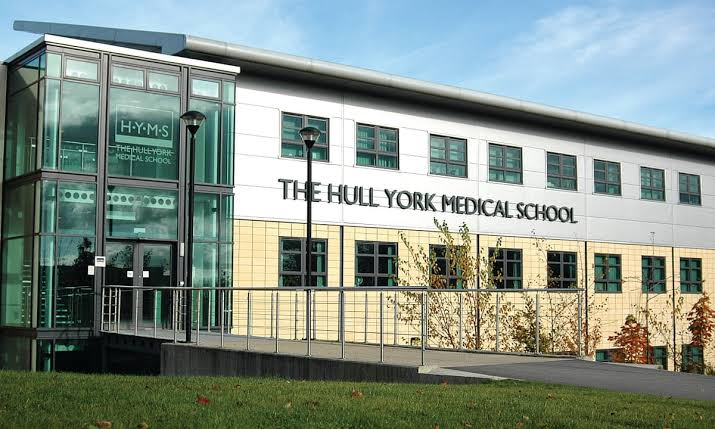
Ultimately, becoming a good doctor involves more than acquiring medical knowledge. It requires curiosity, sound judgement, empathy, resilience and a commitment to learning throughout one’s career. Hull York Medical School’s integrated approach is designed to help students develop these qualities while preparing for the next stage of their professional journey.
If your ambition is to make a meaningful difference through medicine, exploring the MB BS Medicine and Medicine with a Gateway Year programmes at Hull York Medical School could be a valuable first step towards turning that ambition into a rewarding career.
Start your journey towards a medical career today! Book a Free Consultation with ScholarshipKart for expert counselling, admission assistance, scholarship guidance and visa support. Explore Hull York Medical School’s courses, check the entry requirements and take the next step towards your future in medicine.
FAQs
1. Can international students study Medicine at Hull York Medical School?
International students interested in studying Medicine in the UK can explore Hull York Medical School’s MB BS Medicine programme and review the applicable international admissions requirements. Applicants should check the university’s current eligibility criteria, application guidance and availability of places for international students before applying.
2. How long does it take to complete a Medicine degree at Hull York Medical School?
The standard MB BS Medicine programme takes five years to complete and is divided into three phases of medical education and clinical training. The six-year Medicine with a Gateway Year programme offers an additional preparatory year for applicants who meet the relevant contextual eligibility criteria.
3. What degree do students receive after studying Medicine at Hull York Medical School?
Students who successfully complete the MB BS Medicine programme graduate with an MB BS degree awarded jointly by the University of Hull and the University of York. The programme is designed to prepare graduates for the next stage of medical training and the transition towards working as doctors.
4. What are the main teaching methods used at Hull York Medical School?
Hull York Medical School uses problem-based learning, lectures, workshops, anatomy sessions, clinical skills training and supervised clinical placements. These teaching methods help students develop medical knowledge, clinical reasoning, communication skills and the ability to approach patient problems systematically.
5. Do international medical students receive clinical experience during the course?
Clinical placements form an integral part of the Medicine programme, beginning in the early years and continuing throughout the degree. Students gain experience in hospitals, general practices and community healthcare settings across the region, developing their understanding of different patient needs and clinical environments.
6. Where will international students study during the Medicine programme?
Students are allocated a home campus at either the University of Hull or the University of York for their first two years, following the same curriculum at both locations. From Year 3 onwards, they undertake clinical placements across the region, with a Hull or York base site allocated each year.
7. Can international students explore medical research and specialist interests at Hull York Medical School?
The curriculum includes the Scholarship and Special Interest Programme, which allows students to explore research-related topics and develop independent academic skills. Students can also consider the six-week elective, additional research opportunities and intercalation to investigate particular clinical or academic interests, subject to the applicable arrangements.
8. What should international students check before applying to Hull York Medical School?
International applicants should review the current academic entry requirements, accepted qualifications, English-language requirements, application deadlines and international applicant eligibility before submitting an application. They should also confirm tuition fees, visa requirements and whether their intended programme has places available for international students.