
Weather influences almost every aspect of our lives, from the food we grow and the energy we use to the way we travel, work and prepare for natural disasters. As climate change continues to reshape weather patterns and increase the risks associated with extreme weather events, understanding the atmosphere has never been more important. This is where meteorology and atmospheric science play a crucial role.
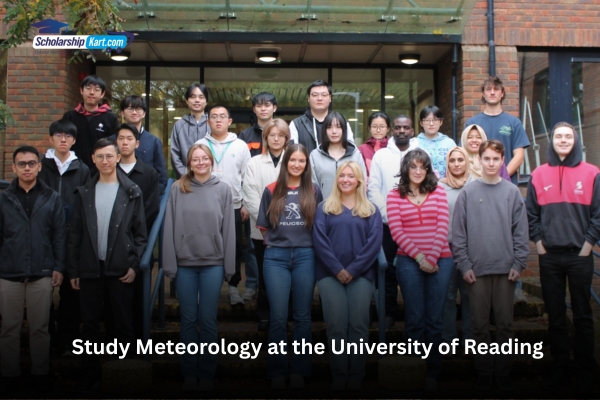
For students interested in science, mathematics, technology and the natural environment, studying meteorology offers an opportunity to explore some of the most pressing challenges facing the world. It is a subject that combines scientific discovery with practical applications, allowing you to understand how the atmosphere works, investigate climate change and contribute to more accurate weather forecasting.
If you are considering studying meteorology in the UK, the University of Reading deserves a place on your shortlist. Ranked 9th in the world for Atmospheric Science (ShanghaiRanking 2026 Global Ranking of Academic Subjects), the university is internationally recognised for its pioneering research, specialist teaching and contribution to understanding weather and climate.
Home to the UK’s only dedicated meteorology department, the University of Reading offers an exceptional environment to develop your scientific knowledge, gain practical experience and prepare for a career in the meteorological and environmental sectors.
Let’s explore what makes studying meteorology at the University of Reading an exciting academic and career opportunity.
Why Study Meteorology and Atmospheric Science in Today’s Changing World?
Meteorology is the scientific study of the atmosphere and the processes responsible for weather. It explores everything from everyday temperature changes and rainfall to hurricanes, thunderstorms, atmospheric circulation and extreme weather events.
Atmospheric science takes a broader approach, examining the physical and chemical processes that shape the Earth’s atmosphere and influence interactions between the atmosphere, oceans and the wider climate system.
But why does this subject matter so much today?
The answer lies in the growing need to understand and respond to environmental challenges.
Climate change, rising global temperatures, changing rainfall patterns and extreme weather events are affecting communities across the world. Accurate weather forecasts and reliable climate predictions are essential for governments, businesses, scientists and individuals to make informed decisions.
Studying meteorology allows you to explore these challenges from a scientific perspective while developing skills that can make a meaningful difference.
Some important areas where meteorology and atmospheric science have a direct impact include:
- Weather forecasting: Understanding atmospheric conditions to improve short-term and long-term weather predictions.
- Climate change research: Investigating global temperature changes, climate patterns and the environmental consequences of human activities.
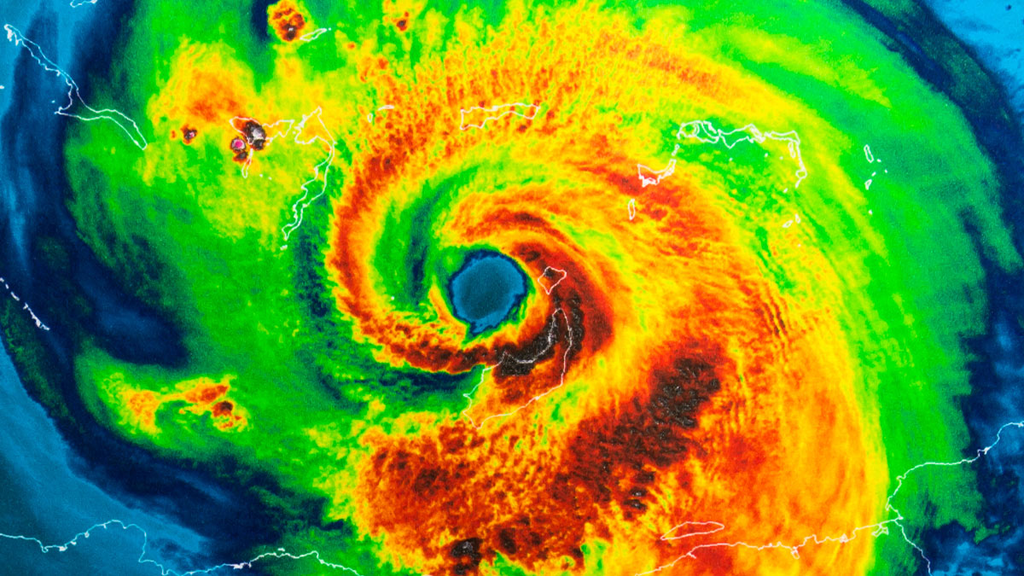
- Extreme weather prediction: Improving our understanding of hurricanes, storms and other potentially damaging weather events.
- Renewable energy: Exploring how weather and atmospheric conditions influence renewable energy generation.
- Environmental protection: Applying meteorological knowledge to pollution prediction, water resource management and environmental consultancy.
- Space weather: Studying atmospheric and space physics to develop better tools for forecasting space weather.
For students who enjoy solving scientific problems and want their education to have a wider purpose, meteorology offers an interesting combination of research, technology and real-world applications.
Why Study Meteorology in the UK?
The UK is an attractive destination for students interested in meteorology, climate science and environmental research. Its academic environment provides opportunities to study these subjects through established scientific departments, specialist research and connections with organisations working in the field.
Choosing the UK also allows you to learn within an internationally connected academic community, where environmental challenges are explored from different scientific and geographical perspectives.
There are several reasons why the UK is worth considering:
1. Access to established meteorological research
The UK has a strong research presence in weather forecasting, atmospheric physics and climate science. Studying in this environment allows you to explore scientific developments that contribute to understanding the Earth’s changing climate.
2. Opportunities to learn from industry professionals
Connections between universities and meteorological organisations can help students understand how scientific knowledge is applied beyond the classroom.
3. A combination of theoretical and practical learning
Meteorology is not limited to textbooks and lectures. Laboratory experiments, atmospheric observations, data analysis and fieldwork are important parts of developing a strong understanding of the subject.
4. International career perspectives
Meteorology and climate science are globally relevant disciplines. The skills developed through studying these subjects can be applied across forecasting, environmental consultancy, climate research and related industries.
Among the UK’s universities, the University of Reading stands out for its specialist focus on meteorology, internationally recognised research and strong professional connections.
Ready to turn your passion for weather, climate and scientific discovery into a rewarding career? Let ScholarshipKart help you get started. Explore Meteorology courses at the University of Reading and discover how world-leading teaching, pioneering research and hands-on learning can shape your future in atmospheric science. Start exploring your study options today!
Courses Offered in Meteorology at the University of Reading
The University of Reading offers undergraduate and postgraduate programmes designed to suit students at different stages of their academic journey.
Whether you are beginning your university education or looking to specialise in a particular area of atmospheric science, you can explore several course options.
Undergraduate Meteorology Courses
Undergraduate programmes introduce students to the scientific principles behind weather, climate and atmospheric processes.
Teaching combines lectures, practical sessions and tutorials with case studies, group presentations and open discussions.
The available courses include:
1. BSc Meteorology and Climate
This programme is suitable for students who want to develop a strong understanding of weather systems, atmospheric science and climate change.
You will explore how the atmosphere works, how human activities influence the climate and how meteorological knowledge can be applied to real-world challenges.
Its modular structure also allows you to select optional modules according to your interests.
2. BSc Meteorology and Climate with International Foundation Year
This programme is designed for international students who wish to study meteorology and climate at Reading but do not yet meet the academic qualifications required for direct entry.
The foundation year helps you strengthen your English language abilities, academic skills and subject-specific knowledge.
It provides a pathway towards progressing to further undergraduate study in meteorology and climate.
3. MMet Meteorology and Climate with a Year in Oklahoma
This integrated master’s programme offers students the opportunity to develop their meteorological knowledge while gaining international academic experience.
The year at the University of Oklahoma provides exposure to one of the leading meteorology schools in the United States and the US National Weather Center.
What makes the undergraduate programmes distinctive?
Their combination of scientific theory, specialist facilities, practical fieldwork, research opportunities and professional connections helps students develop a broad foundation in meteorology and climate science.
Master’s Courses in Meteorology and Climate
For graduates who want to develop advanced subject knowledge or move towards specialist professional roles, Reading offers several postgraduate options.
The available master’s programmes include:
1. MSc Applied Meteorology and Climate
This course is suited to students interested in the practical application of meteorological and climate science.
It offers an opportunity to develop scientific expertise relevant to weather forecasting, atmospheric research and climate-related work.
Its professional relevance is supported by the department’s industry connections and Royal Meteorological Society approval.
2. MSc Atmosphere, Ocean and Climate
This programme explores the relationships between atmospheric processes, ocean systems and the Earth’s climate.
It is an interesting option for students who want to understand the wider physical processes influencing weather and long-term climate patterns.
The course is also approved by the Royal Meteorological Society as meeting the educational requirement for Chartered Meteorologist status.
3. MSc Climate Change and Artificial Intelligence
This programme brings together two increasingly important areas: climate science and artificial intelligence.
It is an option for students interested in exploring how computational approaches and AI can contribute to understanding climate-related challenges.
4. MSc Applied Meteorology and Climate with Management
This programme combines applied meteorology and climate science with management knowledge.
It is particularly relevant for students who want to develop scientific expertise alongside an understanding of management and professional organisational environments.
The programme is approved by the Royal Meteorological Society as meeting the educational requirement for Chartered Meteorologist status.
What makes the master’s programmes distinctive?
Students benefit from research-led teaching, practical laboratory work, field courses, access to live meteorological datasets and opportunities to collaborate with industry partners.
The department also reports that 100% of its master’s students who responded to the Postgraduate Taught Experience Survey 2026 were satisfied with the overall quality of their course (19 respondents).
Entry Requirements to Study Meteorology at the University of Reading
The University of Reading offers undergraduate and postgraduate programmes in Meteorology and Climate for students with a strong interest in mathematics, physics and atmospheric science. Entry requirements vary depending on the course and level of study.
Undergraduate Entry Requirements
- A-levels – Typical offer: ABB.
Applicants must achieve at least a grade B in A-level Mathematics.
- International Baccalaureate (IB)– Typical offer: 32 points overall.
Applicants must achieve a grade 5 in Mathematics at Higher Level.
Students should have a good understanding of mathematics and physics, as these subjects provide the essential foundation for studying meteorology and climate science.
Postgraduate Entry Requirements
Applicants applying for a master’s degree in Meteorology and Climate are normally expected to hold a good undergraduate honours degree (2:2 or above) in one of the following areas:
– Mathematical or physical sciences.
– A closely related scientific subject.
– Environmental or agricultural sciences.
– Geography, provided they have studied Mathematics and Physics at A-level or an equivalent qualification.
A good knowledge of both physics and mathematics is required for admission to these programmes.
English Language Requirements
International applicants whose first language is not English must demonstrate their English language proficiency.
The typical IELTS requirement is:
Overall IELTS score: 6.5
Minimum score in each component: 5.5
Why Choose the University of Reading for Meteorology?
The University of Reading has built an international reputation for improving our understanding of weather and climate. Its Department of Meteorology brings together leading academics, researchers and students who are working to address some of the most important scientific challenges affecting society.
Unlike universities where meteorology is offered as part of a broader subject area, Reading has the UK’s only dedicated meteorology department.
This specialist academic environment gives students the opportunity to learn from experts working across atmospheric science, oceanography, space physics, hydrology, renewable energy and Earth observation.
Here are 12 reasons why the University of Reading is an excellent choice for studying meteorology.
1. Ranked 9th in the World for Atmospheric Science
The University of Reading’s international standing reflects its contribution to atmospheric science research and education.
According to the ShanghaiRanking 2026 Global Ranking of Academic Subjects, Reading ranks 9th in the world for Atmospheric Science, placing it first among the UK universities included in the ranking.
The university also has several other notable achievements:
– 3rd in the UK for research power in Earth Systems and Environmental Sciences, based on the Times Higher Education analysis of REF 2021.
– 4th in the UK for Earth and Marine Sciences, according to the Guardian University Guide 2027.
– 4th in the UK for environmental and ethical performance, according to the People and Planet University League 2025/26.
– First-ever winner of the Times Higher Education award for Outstanding Contribution to Environmental Leadership in 2023.
These achievements demonstrate the university’s strong position in environmental research, scientific teaching and sustainability.
2. The UK’s Only Dedicated Meteorology Department
One of the biggest advantages of studying at Reading is being part of a department dedicated entirely to meteorology.
You will join one of the world’s largest academic communities of atmospheric, ocean and space physicists, gaining exposure to a broad range of scientific specialisms.
The department also hosts significant components of the National Centre for Atmospheric Science (NCAS) and the National Centre for Earth Observation (NCEO).
Furthermore, a new international headquarters for the European Centre for Medium-Range Weather Forecasts (ECMWF) is planned for the university’s Whiteknights campus.
This creates an exciting academic environment for students interested in the future of weather and climate research.
3. Learn from Internationally Recognised Experts
At Reading, your learning experience is shaped by academics who are actively involved in advancing meteorological and climate science.
The department includes five Fellows of the Royal Society, alongside climate experts who contribute to the Intergovernmental Panel on Climate Change (IPCC).
Their expertise covers several important areas, including:
– Extreme weather, from hurricanes to sting jets.
– Long-term climate change.
– Atmospheric and space physics, including lightning and space weather.
– Oceanography.
– Renewable energy.
Learning from researchers working in these areas allows you to understand scientific concepts in the context of current research and real-world challenges.
4. Gain Practical Experience Through Specialist Facilities
Meteorology is a practical science, and the University of Reading provides access to specialist facilities that help bring classroom learning to life.
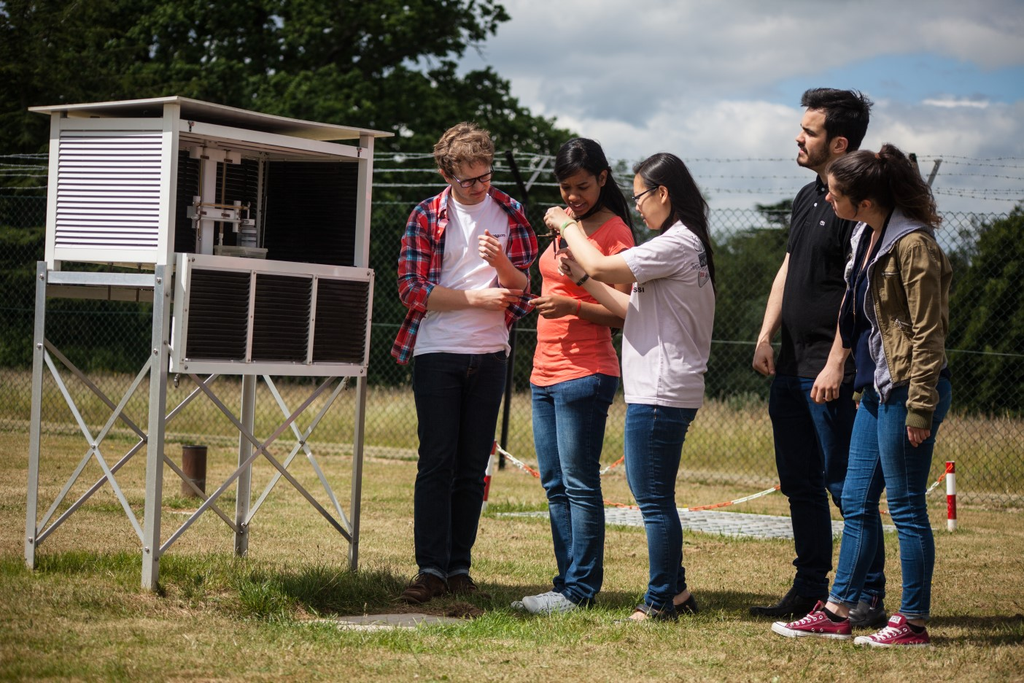
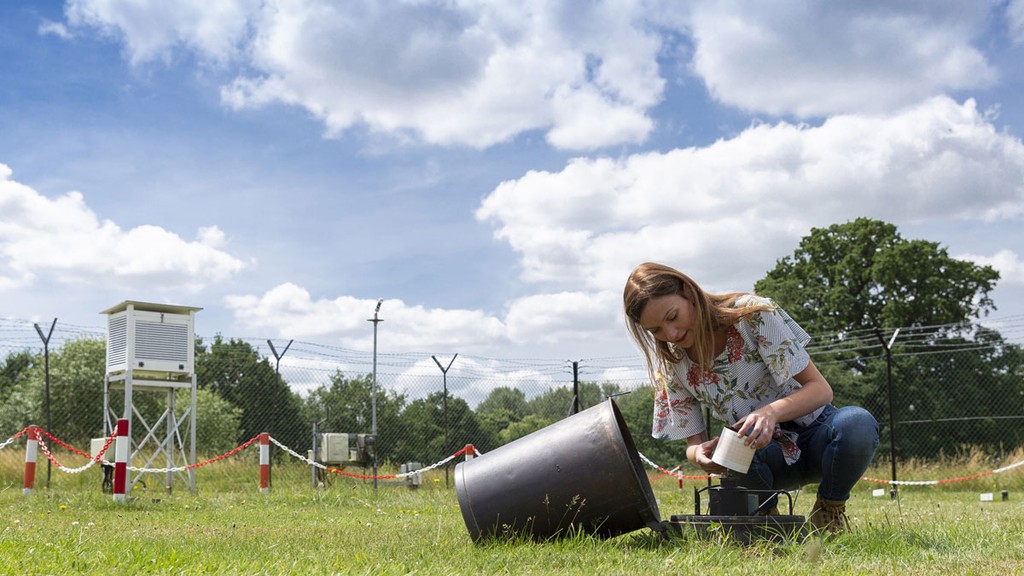
The Reading University Atmospheric Observatory is a particularly valuable resource. With more than 100 years of weather records, it provides a long-term source of meteorological observations for teaching and research.
Students can gain experience with:
– Meteorological instruments used to measure atmospheric conditions.
– Energy balance and turbulent fluctuations in wind, temperature and humidity.
– Fluid dynamics experiments that demonstrate processes related to real weather systems.
– Specialised instrument construction and testing.
– Radiosonde launches to collect atmospheric measurements.
The university also has special permission from the UK Civil Aviation Authority to launch radiosondes from its campus.
These facilities allow you to connect scientific theory with actual atmospheric observations and develop confidence in using professional meteorological equipment.
5. Work with Real-Time Weather and Climate Data
Understanding meteorology requires more than learning how weather systems work. You also need to know how to interpret observations, analyse patterns and make sense of scientific data.
At Reading, students have access to a rich collection of meteorological datasets, including World Meteorological Organization standard measurements.
The university has been recording meteorological observations for over a century, and its data contributes to official UK Met Office statistics.
Working with these datasets helps you develop important technical abilities, including:
– Analysing atmospheric measurements.
– Processing and interpreting scientific data.
– Creating graphs and visual representations.
– Identifying patterns in weather observations.
– Developing programming skills using Python.
These abilities are valuable for both professional meteorological roles and further academic research.
6. Benefit from Industry Connections and Professional Accreditation
The University of Reading maintains strong relationships with commercial and governmental organisations working in meteorology, climate science and related sectors.
Its partners include:
– Met Office.
– Environment Agency.
– NASA.
– European Centre for Medium-Range Weather Forecasts (ECMWF).
– European Space Agency.
– World Meteorological Organization.
These connections create opportunities for student projects, research collaborations and industry-informed teaching.
Professional accreditation is another important advantage. All undergraduate meteorology courses at Reading are approved by the Royal Meteorological Society (RMetS) as appropriate academic training for those seeking Chartered Meteorologist (CMet) status.
At postgraduate level, the MSc Applied Meteorology and Climate, MSc Atmosphere, Ocean and Climate, and MSc Applied Meteorology and Climate with Management are approved by RMetS as meeting the educational requirement for CMet.
This provides a valuable foundation for students interested in developing a recognised professional career in meteorology.
7. Explore Placement Opportunities and Work Experience
Practical experience can make a significant difference when preparing for employment.
At Reading, students have opportunities to undertake professional placements during their degree, with support from a dedicated placements officer and placements team.
Recent placement providers include the UK Met Office and Hydro-JULES.
Depending on your course, you may be able to:
– Complete a placement during a summer vacation.
– Undertake a placement between your second and final year through a course with an integrated placement year.
– Gain initial workplace exposure through the first-year work-shadowing programme.
The work-shadowing opportunity allows first-year students to spend a day observing a placement student or recent graduate in a professional environment.
These experiences can help you understand workplace expectations, build professional contacts and identify the skills required for different meteorological careers.
8. Participate in Research Projects with Real-World Applications
Research is an important part of the learning experience at Reading.
Students can participate in scientific projects that explore current challenges in meteorology and climate science. Some projects are conducted in collaboration with industrial partners, allowing you to investigate problems relevant to professional organisations.
You will have the opportunity to work alongside academics, students and independent researchers in established research groups.
These groups meet regularly, providing opportunities to discuss findings, receive feedback and participate in academic presentations.
For postgraduate students, dissertation projects may also involve collaboration with industry partners.
This is particularly valuable if you are considering a career in scientific research, environmental consultancy or doctoral study.
9. Develop Your Skills Through Fieldwork and Field Trips
Fieldwork allows you to experience meteorology beyond the laboratory.
Undergraduate students have opportunities to participate in field exercises and may be able to attend a summer field study trip during their final year. Previous destinations have included the Isle of Arran and the Lake District.
These trips have involved:
– Measuring energy fluxes.
– Launching and tracking weather balloons.
– Taking meteorological measurements.
– Preparing local weather forecasts.
– Analysing specialist charts and scientific data.
Master’s students also benefit from a dedicated three-day field trip to Leeson House in Dorset.
During the trip, you will collect atmospheric measurements, work with radiosondes, analyse data and prepare group presentations.
Alongside scientific knowledge, these activities help you develop teamwork, communication and analytical skills.
10. Enjoy Flexible Courses and Personalised Academic Support
The University of Reading understands that students may have different academic interests and career ambitions.
Its meteorology courses combine compulsory modules with a range of optional subjects, allowing you to develop core scientific knowledge while exploring areas that interest you.
You can choose to study a broader selection of meteorological topics or focus on particular areas of atmospheric and climate science.
The department also offers an excellent staff-to-student ratio, supporting smaller classes, closer interaction with academics and more opportunities for detailed academic discussions.
The National Student Survey 2025 reported that 100% of responding students from the Department of Meteorology said teaching staff were good at explaining things.
This is an encouraging indicator of the department’s commitment to effective teaching and student development.
11. Gain International Exposure Through the Oklahoma Study Opportunity
If you want to experience meteorology from an international perspective, the MMet Meteorology and Climate with a Year in Oklahoma offers an interesting opportunity.
The programme allows students to advance their studies at the University of Oklahoma, one of the leading schools of meteorology in the United States.
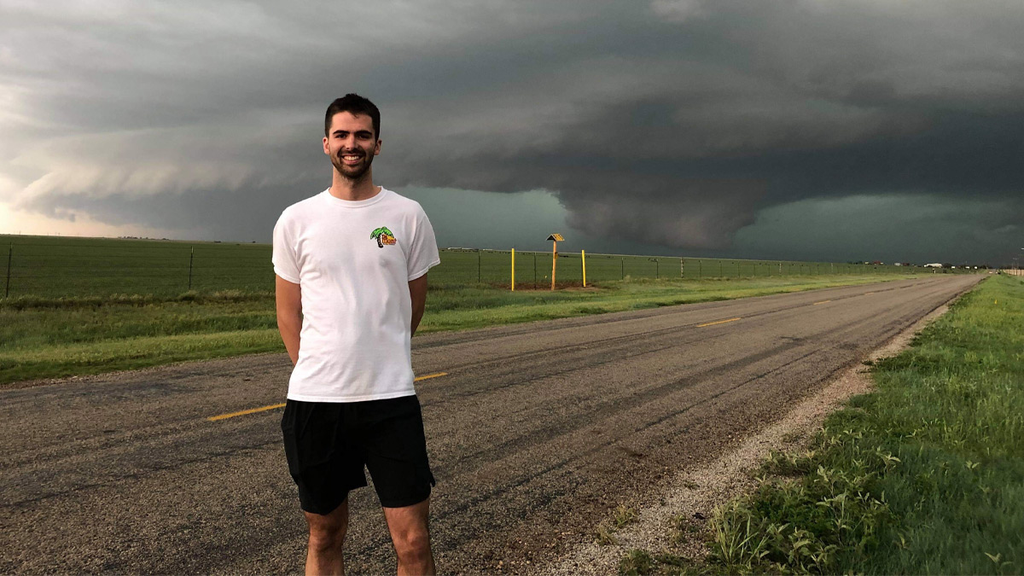
Located in the heart of Tornado Alley, the university is home to the US National Weather Center.
Students have the opportunity to sit in with forecasters based at the centre and gain exposure to a different meteorological environment.
This experience can broaden your understanding of weather forecasting and provide a valuable international dimension to your education.
12. Benefit from an Engaging and Supportive Departmental Community
Studying a challenging scientific subject becomes more rewarding when you have access to a supportive academic community.
The Department of Meteorology brings together students and staff with shared interests in weather, climate and environmental research.
Regular departmental and lunchtime seminars feature guest speakers from the meteorological and climate sectors, alongside researchers from within the department.
These sessions offer opportunities to explore emerging scientific topics, hear different perspectives and develop a deeper understanding of the field.
The department also has a friendly coffee room where students and staff can meet and discuss their interests in climate science.
Career Opportunities After Studying Meteorology at Reading
A degree in meteorology can prepare you for a variety of professional pathways across weather forecasting, environmental science, climate research and related industries.
The University of Reading focuses on developing scientific, mathematical and computing skills that are relevant to professional employment and further research.
92% of its meteorology graduates are in work or further study within 15 months of graduation, based on HESA 2022–2026 data.
For master’s graduates, 95% are in work or further study within 15 months of graduation, while 98% of those in full-time employment are in graduate-level roles (HESA data, 2024–2026).
What Careers Can You Pursue with a Meteorology Degree?
Depending on your interests, qualifications and experience, you could explore opportunities in:
- Broadcast meteorology: Preparing and presenting weather forecasts for television and other media.
- Weather forecasting: Analysing atmospheric data and predicting upcoming weather conditions.
- Water resource management: Applying meteorological and climate knowledge to water-related challenges.
- Environmental consultancy: Supporting organisations with environmental research and scientific assessments.
- Flood modelling: Studying rainfall, atmospheric conditions and their relationship with flood risks.
- Pollution prediction: Analysing atmospheric processes to understand and predict pollution patterns.
Terrestrial and space weather forecasting: Applying specialist knowledge to forecast weather-related conditions on Earth and in space.
Graduates have progressed to employers including:
– Met Office
– Storm Geomatics
– DTN
– Fugro
– Deloitte
The range of career destinations highlights how meteorological knowledge can be applied across different scientific, commercial and environmental sectors.
How ScholarshipKart Supports Your Study Abroad Journey
Planning to study abroad involves several important decisions, from choosing the right university and course to exploring scholarships, arranging finances and finding suitable accommodation. With the right guidance, students can navigate these steps with greater clarity and confidence as they prepare for an international education experience.
ScholarshipKart assists students aspiring to study in the UK by providing guidance at various stages of their study abroad journey. Its services cover key aspects of the process, including:
University and Course Selection: Identify academic programmes and universities that align with your interests, academic background and long-term career goals.
Admission Guidance: Get assistance with university applications, understanding admission requirements and keeping track of application deadlines.
Scholarship Assistance: Discover relevant scholarship opportunities and learn about eligibility requirements, application procedures and deadlines.
Student Visa Guidance: Understand student visa requirements and receive guidance on preparing the necessary supporting documents.
IELTS and PTE Preparation: Access preparation guidance to help meet English language proficiency requirements, where applicable.
Accommodation and Pre-Departure Support: Prepare for your move abroad with guidance on accommodation options, travel arrangements and other essential pre-departure considerations.
Educational Loan Guidance: Explore potential education financing options and plan your study-related expenses more effectively.
By offering support across these essential areas, ScholarshipKart helps students make informed decisions, stay organised throughout the application process and prepare for the transition to studying and living in the UK.
Start Your Journey in Meteorology at the University of Reading
Meteorology is much more than predicting whether it will rain tomorrow. It is a fascinating scientific discipline that helps us understand our planet, investigate climate change and prepare for the environmental challenges of the future.
Choosing the right university is an important part of building a successful academic and professional journey. With its position among the world’s leading institutions for atmospheric science, the UK’s only dedicated meteorology department, specialist facilities and strong industry connections, the University of Reading offers an exciting environment in which to study this subject.
From learning with internationally recognised researchers to working with real-time weather data, participating in field trips and exploring professional placement opportunities, you will have several ways to turn scientific curiosity into practical expertise.
Whether your ambition is to become a meteorologist, contribute to climate research, work in environmental consultancy or pursue advanced scientific study, Reading provides a strong foundation to help you move towards your goals.
If you are passionate about understanding weather, exploring climate science and making a meaningful contribution to our planet, studying Meteorology at the University of Reading could be the beginning of an exciting future.
Take the next step towards a future in meteorology and climate science! With internationally recognised expertise, specialist facilities and excellent industry connections, the University of Reading offers an inspiring environment to achieve your academic and career ambitions. Book a Free Consultation with ScholarshipKart for expert counselling and explore the courses at the University of Reading and begin your application journey today!
FAQs
1. Why should international students study Meteorology at the University of Reading?
The University of Reading is ranked 9th in the world for Atmospheric Science in the ShanghaiRanking 2026 Global Ranking of Academic Subjects. It is also home to the UK’s only dedicated meteorology department, offering international students access to world-leading research, specialist facilities and industry connections.
2. What Meteorology courses are available for international students at the University of Reading?
International students can choose from undergraduate programmes such as BSc Meteorology and Climate, BSc Meteorology and Climate with International Foundation Year, and MMet Meteorology and Climate with a Year in Oklahoma. Postgraduate options include MSc Applied Meteorology and Climate, MSc Atmosphere, Ocean and Climate, MSc Climate Change and Artificial Intelligence, and MSc Applied Meteorology and Climate with Management.
3. Can international students apply for a Foundation Year in Meteorology at the University of Reading?
Yes, the university offers an International Foundation Year pathway for students who do not yet meet the academic requirements for direct entry into its meteorology undergraduate programmes. It helps develop English language, academic and subject-specific skills before progressing to further studies in meteorology and climate.
4. Are Meteorology courses at the University of Reading professionally accredited?
Yes, all undergraduate meteorology courses are approved by the Royal Meteorological Society (RMetS) as appropriate academic training for aspiring Chartered Meteorologists. Selected master’s programmes, including MSc Applied Meteorology and Climate and MSc Atmosphere, Ocean and Climate, also meet the RMetS educational requirements for Chartered Meteorologist status.
5. What practical learning opportunities are available to Meteorology students at Reading?
Students can access the Reading University Atmospheric Observatory, fluid dynamics laboratory, specialist instrument laboratory and real-time meteorological datasets. They can also participate in field trips, radiosonde launches, research projects and practical weather forecasting exercises.
6. Can international students undertake industry placements while studying Meteorology at Reading?
Yes, students have opportunities to undertake professional placements during vacation periods or through courses with an integrated placement year. Recent placement providers include the UK Met Office and Hydro-JULES, and a dedicated placements team supports students in identifying suitable opportunities.
7. What career opportunities are available after completing a Meteorology degree at the University of Reading?
Graduates can explore careers in weather forecasting, broadcast meteorology, climate research, environmental consultancy, flood modelling, pollution prediction and water resource management. Previous graduates have secured opportunities with organisations such as the Met Office, DTN, Fugro, Storm Geomatics and Deloitte.
8. What are the entry requirements for international students applying to Meteorology courses at the University of Reading?
For undergraduate admission, international students typically need ABB at A-level, including grade B in Mathematics, or 32 points in the International Baccalaureate, including grade 5 in Higher Level Mathematics.
For master’s programmes, applicants generally require an undergraduate honours degree of 2:2 or above in a relevant scientific subject, along with a good knowledge of mathematics and physics. The typical English language requirement is IELTS 6.5 overall, with no component below 5.5.