
Study Like an Oxford Scholar: Pursuing a Master’s degree in the UK is both an exciting and demanding academic adventure. Unlike undergraduate studies, postgraduate education calls for greater independence, deeper critical thinking, and a heightened sense of discipline.
You are expected not just to absorb knowledge but to question it, build on it, and create something original. For many international students, especially those entering rigorous UK programmes at top UK universities such as Oxford, Cambridge, or London institutions, the transition can feel overwhelming.
Take charge of your UK Master’s journey with ScholarshipKart! From choosing the perfect course and university to handling applications, visas, scholarships, IELTS preparation, and SOP writing – we’ve got you covered. Plus, receive top study strategies and settling-in tips to make the most of your UK adventure!

Why Studying Smart Matters in a Master’s Journey
The difference between struggling and excelling often lies in study habits. Master’s students need more than just hard work; they need smart strategies that make the most of their limited time, energy, and resources.
Oxford students, for example, are renowned for their ability to manage heavy workloads, engage critically with texts, and craft sophisticated arguments under pressure. These skills aren’t innate; they are cultivated through structured methods and academic discipline.
This guide provides comprehensive, practical, and motivating tips that will help you study like an Oxford student. From time management to essay writing, from note-taking to dissertation planning, you’ll discover strategies that transform the way you approach postgraduate education in the UK.
1. Time Management: Treat Time Like Your Most Valuable Resource
Master’s programmes compress large quantities of learning into tight timelines. The difference between panic and progress is a structured plan.
Oxford-style smart tips:
Plan backwards from deadlines. Break big deliverables like dissertations into monthly, weekly, and daily micro-tasks. If your dissertation is due in six months, allocate the first month to a focused literature sweep, month two to methodology, month three to pilot data, etc.
Use a mix of digital and physical planning. Keep a digital calendar for reminders and a physical diary for daily priorities. The act of writing makes commitments stick.
Timeboxing + Pomodoro. Block specific time for reading, data analysis, and writing. Combine that with 25–50 minute focused sessions and short breaks to maintain sustained attention.
Protect “deep work” slots. Schedule periods for complex thinking, such as analysis and drafting, when you are most alert. Treat them as immovable meetings with yourself.
Estimate realistically and add buffers. Tasks often take longer than planned. Add a cushion and set interim mini-deadlines.
Why it matters: Master’s students who plan deliberately avoid the last-minute rush that kills quality. The Oxford approach is less about constant effort and more about strategic effort.

2. Reading That Works: Purposeful, Strategic, and Critical
At the postgraduate level, you will be expected to read more widely and engage more deeply. Reading efficiently is a competitive advantage.
Oxford-style smart tips:
Read with a question. Start each reading session by asking what you want from the text. Is it background, evidence, critique, or methodology?
Layered reading. Use textbooks for context, then move to seminal articles, then to the most recent specialist papers. Don’t read everything in full unless it is central to your argument.
Reverse-scan technique. For journal articles, read the abstract, conclusion, and discussion first, then the introduction and methods. For long books, scan chapter summaries and conclusions to decide where deeper reading is needed.
Interpret deliberately. Mark arguments, evidence, counterclaims, and methodological details. Note page numbers and citations as you go.
Use library training and databases. Take advantage of subject-specific library sessions, referencing, and reader services to learn efficient search strategies and access primary sources.
Why it matters: Purposeful reading saves hours and produces sharper arguments. You won’t be judged for not reading everything. You will be judged for how well you use what you read.
3. Note-Taking That Powers Writing and Revision
Notes are not a passive record. They are the raw material of essays, seminars, and dissertations.
Oxford-style smart tips:
Use structured systems. Try the Cornell method, mind maps for conceptual connections, or a digital outline in Notion/OneNote for searchable content.
Note: The Cornell Method is a simple and effective note-taking system. Each page is divided into three parts: a large section for main notes, a narrow column for keywords or questions, and a summary section to help you review and remember key points.
Always record full citations and page numbers. This prevents accidental plagiarism and speeds up bibliography creation.
Synthesise as you read. After each source, write a short summary (3–4 lines) describing the argument, evidence, strengths, and weaknesses.
Tag and link. If using digital tools, tag notes by theme, methodology, and potential essay question so you can assemble literature quickly.
Make notes you can reuse. Highlight quotes sparingly and focus on paraphrasing. Paraphrases become your sentences quicker than verbatim notes.
Why it matters: Good notes reduce writing time and increase clarity. Oxford students build note systems that let them craft arguments from a modular library of evidence.
4. Academic Writing: Argument, Clarity, and Intellectual Honesty
Writing at the Master’s level requires intellectual precision. You must make claims, support them, and show where uncertainty remains.

Oxford-style smart tips:
Start by unpicking the question. Break it into component parts and ensure your argument addresses each part.
Plan before you write. A clear skeleton (intro + main claims + evidence + counterargument + conclusion) saves hours of rewriting.
Short sentences, clear labelling. Use shorter sentences and paragraphs that explicitly link back to the question. Use signposting phrases to help the reader follow your argument.
Hedge (using cautious language to express uncertainty) where appropriate. Replace categorical claims with tempered language: “suggests”, “indicates”, “may” to reflect academic caution.
Revise in stages. Write a full draft, rest for 24 hours, return to edit content and structure, then proofread for sentence-level clarity.
Value feedback. Use tutor and peer feedback iteratively. Prepare specific questions for supervisors to get precise advice.
Why it matters: Oxford-style writing is persuasive because it is carefully argued, clearly written, and transparently sourced.
5. Planning and Writing a Dissertation: From Idea to Submission
The dissertation is the flagship project of a Master’s degree. It is a test of research design, execution, and writing discipline.
Oxford-style smart tips:
Narrow your question early. Master’s students often pick topics that are too broad. Tight, focused questions are more feasible and more original.
Create a project timeline. Use Gantt-chart (Bar chart showing what needs to be done, when, and by whom) logic to map tasks and identify dependencies, such as ethics approval before data collection.
Pilot and adapt. If possible, run a small pilot to test methods and refine your approach.
Keep research logs. Document decisions, sources, and versions. They are invaluable during write-ups and for viva-style meetings.
Use referencing and note software. Tools like EndNote, Zotero, or Mendeley will save hours when formatting bibliographies.
Set interim goals with your supervisor. Agreement on interim drafts and chapter deadlines keeps momentum and avoids last-minute panic.
Why it matters: A well-planned dissertation is manageable and often enjoyable. Think of it as a series of achievable steps rather than an insurmountable mountain.
6. Good Academic Practice: Avoiding Plagiarism and Building Credibility
Academic integrity underpins everything. Oxford-era scholars treat referencing as an intellectual practice.
Oxford-style smart tips:
Write down citations as you go. Note full source details while taking notes to avoid errors.
Use software, but understand rules. Referencing tools are efficient, but confirm they match your department’s preferred style.
Quote only when necessary. Prioritise paraphrase and critical engagement.
Understand what counts as plagiarism. Inaccurate paraphrases, missing citations, and reused text from previous assignments can all be highlighted.
Keep drafts and research logs. If questioned, evidence of your research process is reassuring.
Why it matters: Good referencing is a scholarly signature. It shows you can place your work in conversation with others and strengthen the credibility of your argument.
7. Seminars, Supervision, and the Power of Discussion
Tutorials and seminars are the crucible of academic thought: they test ideas and refine arguments.
Oxford-style smart tips:
Prepare to contribute. Read the assigned material and prepare concise comments or questions. Remember, quality over quantity.
Engage rather than perform. Ask clarifying questions, test alternative interpretations, and listen to peers.
Take notes on feedback and new directions. Many dissertation ideas emerge from seminar debates.
Use office hours effectively. Bring specific questions and drafts to supervision meetings. Ask for the kind of feedback you can act on.
Why it matters: Engaging in dialogue accelerates intellectual growth. Oxford students use seminars as laboratories for ideas.
8. Digital Skills and the Modern Researcher
Technology is a multiplier for research productivity if used smartly.
Oxford-style smart tips:
Master data and reference tools. Learn SPSS/R/NVivo software to analyse information and data, and a reference manager early.
Back up everything. Use cloud storage and version control for documents.
Use university training. Many institutions offer free courses on data handling and digital scholarship.
Leverage accessibility tools. Read-aloud features, text-to-speech, and screen readers can multiply study hours and reduce fatigue.
Why it matters: Good digital skills reduce friction in research and free time for deeper thinking.
9. Self-Care, Resilience, and Sustainable Productivity
Sustained academic performance requires rest, routine, and small recoveries.
Oxford-style smart tips:
Prioritise sleep and nutrition. Cognitive performance collapses with poor sleep.
Schedule active breaks. Short exercise or walks improve memory consolidation.
Use campus support. Counselling and study skills services are there for more than crisis management. Use them proactively.
Celebrate milestones. Small rewards after completed drafts or successful seminars keep motivation alive.
Why it matters: Burnout is a productivity killer. Sustainable study beats heroic all-nighters every time.
10. Building an Academic Voice and Future-Focused Networking
A Master’s is the time to find and use your scholarly voice, and to build networks that extend beyond graduation.
Oxford-style smart tips:
Write to contribute, not to impress. Aim for clarity and intellectual honesty rather than ornate vocabulary.
Attend conferences and departmental talks. They are fertile ground for ideas and contacts.
Discuss publication when relevant. Tutors can advise on turning dissertation chapters into articles.
Use career services and alumni networks. Build relationships beyond your peers. The academic community is wider than your cohort.
Why it matters: Your Master’s degree is a professional stepping stone. Cultivate relationships and a reputation for dependable scholarship.
Survive and Thrive in Your First College Class- Ten Crisp, Evidence-Backed Strategies
Starting college can feel overwhelming, but the right habits make all the difference. These ten science-backed strategies will help you not just survive your first class, but thrive with confidence and clarity.
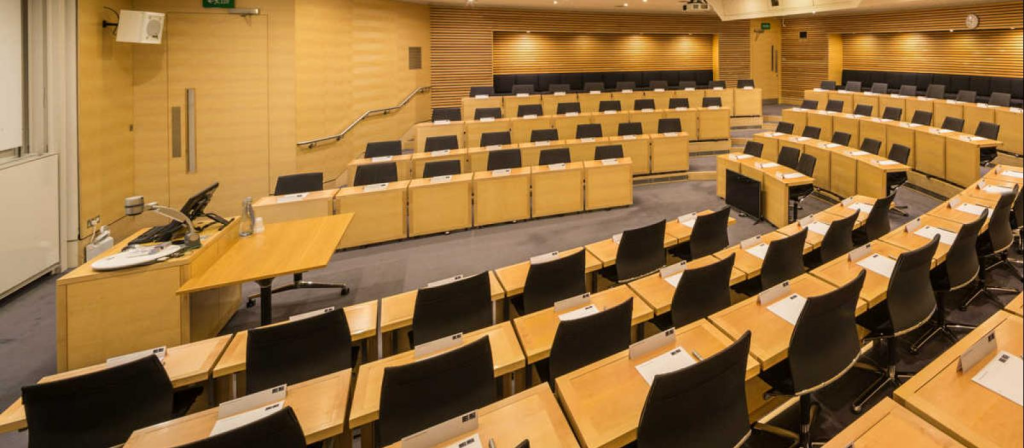
Skip the Cram, Embrace the Span
Cramming gives short-term recall but poor long-term retention. Instead, distribute study sessions over time. Spaced practice strengthens long-term memory, deepens understanding, and makes study time more efficient. Aim for repetitive, spaced retrieval rather than last-minute marathon reviews.
Plan Ahead and Stick to It
Make a study plan with weekly goals and fixed slots for reading, writing, and revision. Procrastination compounds quickly at the Master’s level; a consistent schedule protects you from panic cycles.
Seek Support Before You Sink
Don’t wait until you are overwhelmed. Use tutors, office hours, academic coaching, and peer tutors. Early intervention saves time and reduces stress.
Team Up to Level Up
Form study groups to explain concepts, test each other, and keep accountability. A small, focused group can spot errors, offer alternate perspectives, and keep motivation steady.
Discover How You Learn Best
Test different strategies like active recall, mind maps, teaching others and reflect on what worked. Before reading, note what you already know; after learning, summarise and test yourself. This reflective cycle sharpens learning.
Take Breaks and Respect Sleep
The brain consolidates learning during wakeful rest and sleep. Schedule breaks and avoid marathon sessions; short breaks and proper sleep improve learning efficiency.
Build Your Focus Fortress
Choose a consistent, low-distraction study environment with water, snacks, and reliable Wi-Fi. Keep study materials at hand so your sessions remain focused.
Micro-Rewards, Macro-Motivation
Small intermittent rewards, a short walk, a coffee, or an episode, sustain motivation better than a single reward at the end. Celebrate micro-wins to maintain morale.
Drill It, Don’t Just Read It
Use retrieval practice like flashcards, self-quizzing, rather than passive re-reading. Desirable difficulties, ways that make recall harder, strengthen long-term memory.
Set SMART Milestones
Specific, Measurable, Achievable, Relevant, Time-bound goals turn vague intentions into concrete performance. Example: “I will write 1,000 words of literature review between 10 AM and 1 PM on Saturday.”
Why This Matters: These ten strategies are small, science-backed, and instantly deployable. They form the support for consistent high performance through your Master’s year.
Conclusion: Becoming Your Own Oxford Scholar
Studying for a Master’s degree in the UK is both challenging and rewarding. To succeed, you don’t need to be born a genius. You need to study smart, think critically, and manage your time wisely. Oxford students excel because they approach learning with curiosity, discipline, and resilience.
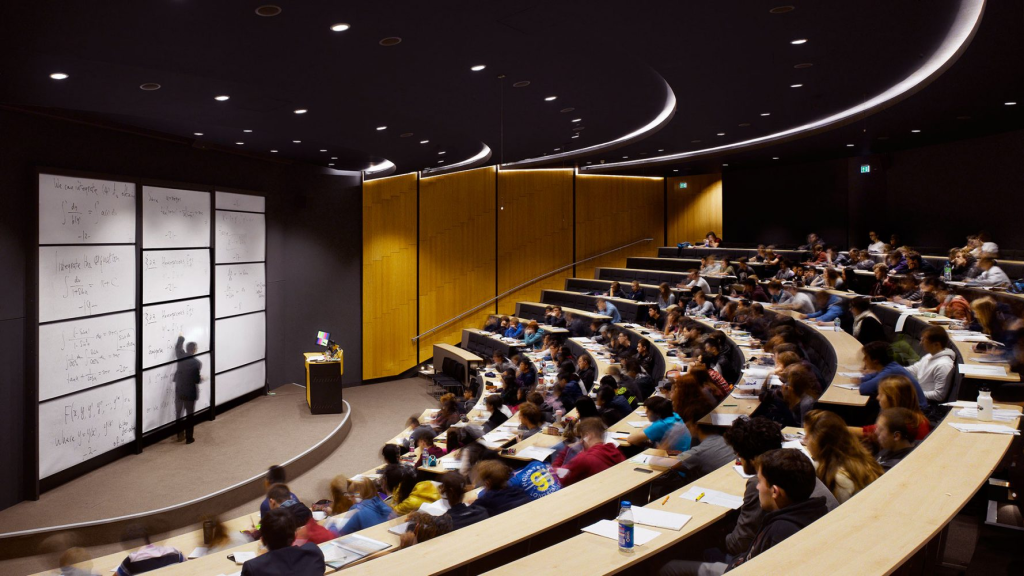
By adopting strategies such as structured time management, purposeful reading, effective note-taking, polished writing, and active participation in seminars, you too can thrive in your Master’s journey.
Add to this the balance of self-care, strong academic ethics, and a willingness to engage with others, and you’ll be well on your way to studying in the UK, not just like an Oxford student, but like a scholar who leaves their own mark.
Your Master’s is a short but transformative experience. With the right approach, you will not only succeed academically but also develop skills that serve you throughout life. Remember, don’t just aim to survive your studies. Aim to thrive, question, and grow. That’s the Oxford way.
Planning to pursue a Master’s in the UK? Book a Free Consultation with ScholarshipKart for expert guidance on selecting the right university and course, managing applications, visas, and scholarships. Boost your chances with IELTS coaching, personalised SOP support, and get essential study and settling-in tips for a successful UK experience!
Pingback: Study Like an Oxford Scholar: UK Master’s Guide – Site Title