
The field of Liberal Arts and Sciences is rapidly gaining popularity among students seeking a well-rounded and interdisciplinary education. Unlike traditional degree programs, it allows students to explore a wide range of subjects, from humanities and social sciences to natural sciences and mathematics. This flexibility encourages creativity, critical thinking and intellectual curiosity.
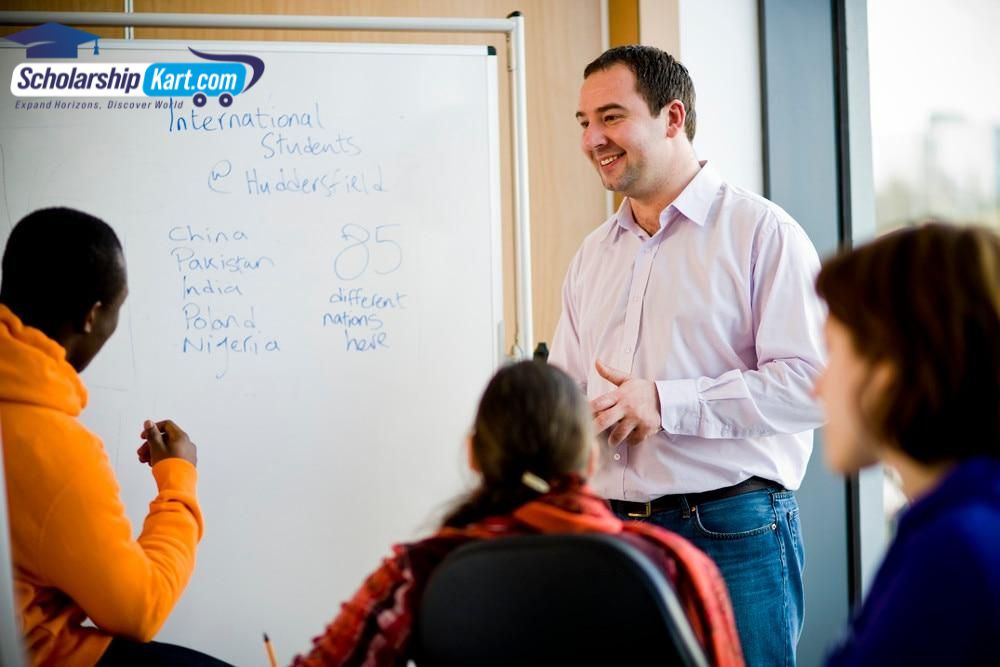
For Indian students, pursuing Liberal Arts and Sciences in the UK offers the perfect balance between academic freedom and global recognition. The UK’s universities are globally renowned for their high academic standards and innovative teaching methods. Moreover, studying in a multicultural environment helps Indian students develop strong interpersonal and cross-cultural skills.
The UK education system also encourages independent research, creative expression and analytical reasoning, skills that are highly valued by global employers. With its long academic heritage, state-of-the-art research facilities, and numerous scholarship opportunities, the UK stands out as a premier destination for this field.
By studying in the UK, Indian students not only gain international exposure but also access an education that nurtures both intellectual and personal growth. In short, studying Liberal Arts and Sciences in the UK is a gateway to limitless career possibilities and a holistic academic experience.
Why Study Liberal Arts and Sciences in the UK?
Studying Liberal Arts and Sciences in the UK offers an unparalleled combination of flexibility, innovation, and academic excellence. The UK’s approach emphasises interdisciplinary learning, allowing students to combine subjects such as literature, philosophy, physics, and political science under one degree.
This unique structure prepares students for a wide range of careers and postgraduate study options. Additionally , UK universities provide strong academic support, small-group teaching, and research-led modules that enhance the overall learning experience.
The international reputation of UK degrees ensures global recognition and high employability after graduation.
Key Benefits of Studying Liberal Arts and Sciences in the UK
- Interdisciplinary Flexibility: Students can design their own study paths by choosing modules from diverse fields like social sciences, natural sciences, and the arts. This flexibility helps develop a versatile knowledge base and transferable skills.
- Globally Recognised Degrees: UK universities such as the University of Birmingham, University of Warwick, and University College London are globally respected for Liberal Arts and Sciences programs, ensuring international credibility and career mobility.
- Strong Emphasis on Critical Thinking: UK education encourages analytical reasoning, problem-solving, and independent thinking, preparing students to tackle real-world challenges with creativity and confidence.
- Innovative Teaching Methods: Courses combine lectures, seminars, group discussions, and project-based learning, providing both theoretical understanding and practical application.
- Excellent Research and Academic Resources: The UK hosts world-class libraries, research centres, and laboratories, offering access to top-tier academic materials and mentorship from leading scholars.
- Cultural Diversity and Global Exposure: Studying in a multicultural environment helps students understand different perspectives and develop intercultural communication skills, essential for global careers.
- Strong Career Prospects: Liberal Arts and Sciences graduates are highly employable in industries like education, public policy, media, business, and international relations due to their broad skill set.
- Scholarship and Financial Aid Options: Numerous universities and government programs offer financial assistance to international students, reducing the financial burden of overseas education.
Types of Liberal Arts and Sciences Degrees in the UK
UK universities offer a wide range of Liberal Arts and Sciences degrees at undergraduate, postgraduate, and doctoral levels. These programmes are designed to provide students with an interdisciplinary education that spans the humanities, social sciences and natural sciences.
Students gain a broad intellectual foundation, critical thinking skills, and the flexibility to explore connections between different fields such as literature, philosophy, biology, and political science.
Undergraduate Liberal Arts and Sciences Courses
An undergraduate degree in Liberal Arts and Sciences typically lasts three to four years. The first year usually introduces students to a broad curriculum, covering subjects from the humanities, sciences and social sciences.
In later years, students have the opportunity to specialise in areas of interest such as cultural studies, environmental science, international relations or data analytics, while still maintaining the interdisciplinary nature of the programme.
Core Subjects in Undergraduate Liberal Arts and Sciences Degrees
- Humanities: Exploring history, philosophy, languages, and literature to understand human culture, creativity, and thought.
- Social Sciences: Examining society, politics, psychology, and economics to interpret human behaviour and social structures.
- Natural Sciences: Studying subjects like biology, chemistry, and physics to develop scientific reasoning and analytical skills.
- Mathematics and Data Studies: Applying quantitative and logical methods to solve complex problems.
- Global and Environmental Studies: Investigating global challenges such as sustainability, climate change, and cultural diversity.
- Communication and Critical Thinking: Strengthening skills in research, writing, and argumentation across disciplines.
Many UK universities also offer optional placement or study abroad years, allowing students to gain real-world experience or global exposure. This enhances both academic learning and employability.
Popular Undergraduate Degrees
- BA Liberal Arts
- BSc Liberal Arts and Natural Sciences
- BA Arts and Sciences
- BLibArts Liberal Arts
Postgraduate Liberal Arts and Sciences Courses
Postgraduate programmes in Liberal Arts and Sciences offer students the chance to pursue advanced interdisciplinary study and research. These degrees typically last one year full-time or two years part-time.
They are ideal for graduates who wish to deepen their understanding of cross-disciplinary themes such as culture, society, sustainability, or digital innovation.
Postgraduate Specialisations in Liberal Arts and Sciences
- MA Liberal Studies: A broad-based programme integrating humanities, social sciences, and cultural studies.
- MSc Interdisciplinary Studies: Focuses on integrating science, technology, and social research to solve complex real-world problems.
- MA Global Cultural Studies: Examines the impact of globalisation, media, and culture in shaping modern societies.
- MSc Environmental and Social Change: Investigates sustainable development and environmental policy through scientific and social perspectives.
- MA Digital Humanities: Combines technology with the humanities to explore data-driven research in art, literature, and history.
Popular Postgraduate Degrees
- MA Liberal Studies
- MSc Interdisciplinary Studies
- MA Global and Cultural Studies
- MLibArts Liberal Arts
PhD in Liberal Arts and Sciences
A PhD in Liberal Arts and Sciences is ideal for students aspiring to contribute original research that bridges traditional academic boundaries. Doctoral programmes usually last three to four years full-time and involve intensive independent research supervised by leading academics.
Students may focus on themes such as cross-cultural communication, environmental ethics, science and society, or digital innovation in the arts. Many PhD students collaborate across departments, contributing to cutting-edge research in multiple disciplines.
Liberal Arts and Sciences Course Duration in the UK
The duration of Liberal Arts and Sciences courses in the UK varies depending on the level of study and the specific structure of the programme. Universities often offer flexible options that allow students to include placements, internships, or study abroad experiences as part of their academic journey.
Undergraduate Liberal Arts and Sciences Courses (BA/BSc): Typically, last three years, or four years if students choose to undertake a placement year or study abroad option.
The initial years focus on interdisciplinary foundations across arts, sciences, and social studies, while later years allow for subject specialisation and independent research projects.
Postgraduate Liberal Arts and Sciences Courses (MA/MSc): These programmes are usually completed in one year for full-time students or two years for part-time students.
The curriculum blends advanced interdisciplinary theory with practical research and professional applications in fields like sustainability, culture, and innovation.
PhD in Liberal Arts and Sciences: Doctoral programmes typically last three to four years and centre on original interdisciplinary research leading to the production of a thesis.
PhD candidates work closely with academic supervisors and may engage in cross-departmental collaborations that integrate multiple areas of study.
Tuition Fees for Liberal Arts and Sciences Courses in the UK
Tuition fees for Liberal Arts and Sciences degrees in the UK vary depending on the university, the level of study, and the location. Below is an approximate range of tuition fees for international students:
Undergraduate Liberal Arts and Sciences Courses: £16,000 to £30,000 per year.
Postgraduate Liberal Arts and Sciences Courses (MA/MSc): £20,000 to £35,000 per year.
Institutions such as University College London (UCL), King’s College London, and the University of Warwick generally have higher tuition fees due to their global reputation, interdisciplinary curriculum, and access to leading academic resources.
Additionally, students should consider the cost of living when planning their budget, especially in major cities like London, where accommodation, transportation, and daily expenses can be significantly higher.
Sample Tuition Fees at Top UK Universities (2026)
| University | Programme | International Fees |
| King’s College London | Liberal Arts BA | £29,000 per year |
| University of Bristol | BA Liberal Arts | £25,500 per year |
| University of Warwick | Liberal Arts BA | £26,290 per year |
| University of Manchester | BA Liberal Arts | £27,800 per year |
| University of Exeter | Liberal Arts BA | £24,950 per year |
Scholarships for Liberal Arts and Sciences Students in the UK
Many UK universities offer scholarships to help international students manage the cost of tuition for Liberal Arts and Sciences degrees. Scholarships are typically awarded based on academic merit, financial need, or research potential, and can greatly reduce the financial burden of studying abroad.
Popular Scholarships for Liberal Arts and Sciences Students
- Chevening Scholarships: Prestigious UK government awards available to exceptional international students pursuing postgraduate studies in various disciplines, including Liberal Arts and Sciences.
- Commonwealth Scholarships: Offered to students from Commonwealth countries, including India, to support postgraduate study and promote global academic collaboration.
- GREAT Scholarships: Jointly funded by the UK Government (British Council) and participating UK universities, these scholarships provide financial support to international students demonstrating strong academic potential and leadership qualities.
- University-Specific Scholarships: Many universities offer their own funding schemes for international students, such as the UCL Global Undergraduate Scholarship, Warwick Chancellor’s International Scholarship, and the King’s Global Award.
- Queen’s University Belfast- International Scholarships- Up to 50% off tuition fees
Think Big Scholarships for international students- £6,500 and £13,000 for up to four years of study
Warwick Undergraduate Global Excellence Scholarship- From £2,000 to half-fee
Exeter Excellence Awards- Worth £3,000, £5,000 or £10,000 towards tuition fees
University of Leeds- International Excellence Scholarships- Worth either £3,000, £6,000 or £16,000
Students are encouraged to apply early for scholarships, as competition is strong and the selection process may include multiple stages such asessays, interviews, and references.
Career Opportunities After Studying Liberal Arts and Sciences in the UK
Graduates of Liberal Arts and Sciences programs are in high demand due to their broad knowledge, critical thinking, and adaptability. They can work in various sectors, including public policy, journalism, education, business, consulting, and cultural management.
Employers value their analytical and communication skills, as well as their ability to connect ideas across disciplines. Many also pursue further studies in law, international relations, or business management.
The UK’s post-study work visa (Graduate Route) allows international graduates to stay and gain work experience for up to two years.
Popular Career Paths in Liberal Arts and Sciences
- Audit Associate
- Assistant Relationship Manager
- Associate Banker
- Client Relations Manager
- Underwriting Assistant
- Account Executive
- Analyst
- Associate
- Economist
- Market Analyst
- Allocation Analyst
- Corporate Social Responsibility Graduate
- Graduate Operations Manager
- Recruitment Consultant
- Sales Executive
- Industry Engagement Assistant
- Programme Coordinator
- Student Recruitment Operations Coordinator
- Teacher of Economics
- Teacher of English (TEFL)
- HR Administrator (Law Firm)
- Junior Clerk
- Marketing Assistant (Law Firm)
- Paralegal
- Trainee Solicitor
- Marketing Executive
- Product Executive
- Public Relations and Social Executive
- Trade Marketing Analyst
- Information Management Assistant
- Parliamentary Assistant
- Research and Events Assistant
- Policy Analyst
- Cultural or Project Coordinator
Average Salary for Liberal Arts and Sciences Graduates
Salaries for Liberal Arts and Sciences graduates vary depending on the sector, location, and chosen career path. Here’s a general breakdown:
Entry-Level Salary: £24,000 to £35,000 per year
Mid-Level Professionals: £40,000 to £65,000 per year
Senior-Level Roles: £70,000 and above
Graduates working in major cities, such as London, or in high-demand sectors, including consulting, communications, education, policy analysis, and cultural management, often command higher salaries due to their interdisciplinary skill set and adaptability across multiple industries.
Graduate Employability for Liberal Arts and Sciences Graduates in the UK
UK universities report strong employability rates for Liberal Arts and Sciences graduates. Over 90% secure employment or pursue further studies within six months of graduation.
Their broad-based education makes them adaptable across sectors such as media, business, and government. Employers appreciate the graduates’ ability to approach problems creatively and manage interdisciplinary projects effectively.
According to the Times and Sunday Times Good University Guide, 2026, the following universities have the highest graduate employability rates for Liberal Arts degrees:
University Graduate Employability Rate
| University | Graduate Employability Rate |
| University College London | 92.5% |
| King’s College London | 90.3% |
| University of Birmingham | 86.5% |
| University of Nottingham | 83.8% |
| University of Exeter | 80.3% |
Entry Requirements for Liberal Arts and Sciences Courses in the UK
Aspiring students applying for a Liberal Arts course must first meticulously review the specific academic entry requirements to ensure their qualifications align with the admissions criteria.
Undergraduate Liberal Arts and Sciences Courses
A-Level Requirements: Typically, AAA to ABB, with a strong academic background across humanities, sciences, or social sciences subjects. Flexibility in subject choice allows students to demonstrate both breadth and depth of knowledge.
International Baccalaureate (IB): Minimum 38–34 points, including at least one subject in science or humanities at Higher Level, depending on the chosen specialisation.
IELTS: An overall IELTS score of 6.5, with no component lower than 6.0. Equivalent English proficiency tests, such as TOEFL or PTE, are also accepted by most universities.
Postgraduate Liberal Arts and Sciences Courses
Bachelor’s Degree: A relevant undergraduate degree in Liberal Arts, Humanities, Social Sciences, or a related interdisciplinary field, usually with a 2:1 or 2:2 classification or equivalent.
Work or Research Experience: Some MA/MSc programmes may prefer applicants with prior academic research, professional experience, or interdisciplinary project work that aligns with the chosen specialisation.
IELTS: A minimum overall IELTS score of 7.0, with no individual component lower than 6.5, or an equivalent recognised English proficiency qualification.
Top Universities for Liberal Arts and Sciences in the UK
The UK is home to several globally renowned universities that are renowned for studying the Liberal Arts and Sciences. According to the Times and Sunday Times Good University Guide, 2026, these are the top-ranking institutions for Liberal Arts and Sciences:
- University of Warwick
- University College London
- University of Manchester
- King’s College London
- University of Birmingham
- University of Exeter
- University of Bristol
- University of Nottingham
- Royal Holloway, University of London
- University of Leeds
Conclusion: Why Study Liberal Arts and Sciences in the UK?
Studying Liberal Arts and Sciences in the UK offers students an exceptional opportunity to develop a diverse skill set, explore multiple disciplines, and gain a global perspective.
The UK’s flexible academic structure, world-class universities, and strong research culture make it an ideal destination for curious and ambitious learners. With high employability rates, global recognition, and a wealth of scholarship opportunities, it provides Indian students with both academic excellence and career advancement.
Ultimately, a UK degree in Liberal Arts and Sciences empowers students to become creative thinkers, ethical leaders, and globally competent professionals ready to shape the world of tomorrow.