
Moving to the UK for higher education is an exciting milestone. You are preparing to study at a new university, experience a different culture, meet people from around the world, and build greater independence. But before you begin this new chapter, one important question deserves your attention: where will you live during your studies?
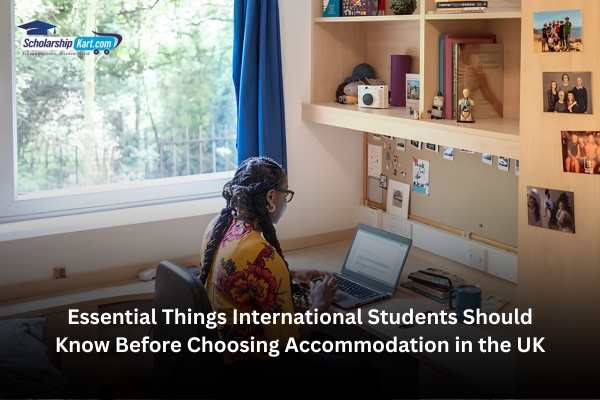
Choosing the right accommodation for international students in the UK involves more than finding a room within your budget. You also need to consider the location, facilities, tenancy agreement, safety arrangements, and responsibilities that come with renting a property in the UK.
Your options may include university halls of residence, private student accommodation, shared houses, and flats. Each offers different facilities, costs, and living arrangements. Some international students prefer university halls because they provide opportunities to meet other students, while others value the independence of private rented accommodation.
There is no single option that suits everyone. Your ideal student home will depend on your circumstances, financial plans, and expectations of university life. The key is to start researching early, compare your accommodation options, and carefully check all the important details before making a final decision.
Moving to the UK for higher education involves many decisions, and finding the right place to live is one of the most important. ScholarshipKart can help you explore student accommodation options and prepare for a comfortable start to your academic journey.
Let’s explore the key things to know about student accommodation in the UK, helping you make an informed decision and prepare for a smoother transition to university life.
How to Choose Student Accommodation in the UK?
1. Understand the Different Types of Accommodation for International Students

Before deciding where to live, familiarise yourself with the main types of student accommodation available in the UK. Your university’s official accommodation website is the best starting point for exploring available rooms, facilities, locations, and application procedures.
University Halls of Residence
University halls of residence are a popular option, particularly for first-year students. They are generally owned or managed by the university and are often located on or near campus.
Rooms may be relatively compact, while kitchens and other communal facilities are shared. Depending on the residence, you may have a shared bathroom or an en-suite shower room.
Advantages of university halls include:
- Opportunities to meet other students and make friends.
- Convenient access to university facilities.
- A student-focused living environment.
- Water, electricity, and broadband often included in the accommodation fee.
- Access to university accommodation staff or residential support, depending on the residence.
However, halls can be busy, and you may need to share facilities with several students. Places are also popular, so your preferred residence may not always be available.
Private Student Accommodation
Private student accommodation is managed by companies or providers rather than directly by your university. These residences are designed specifically for students and may accommodate people attending different universities.
Facilities vary but can include shared kitchens, en-suite bedrooms, communal spaces, and private studios. Heating, electricity, and Wi-Fi are often included in the rent, although you should confirm the terms before signing a contract.
Private student residences may be worth considering if you want purpose-built accommodation and access to student facilities beyond those offered by your university.
Shared Houses and Flats
Shared housing allows you to rent a house or flat with other students. This option is particularly common among second- and third-year students, although first-year and mature students can explore it too.
You may be able to choose your housemates and explore a wider range of neighbourhoods. However, you will generally need to coordinate household responsibilities and may have to manage bills separately.
Some students also choose to rent privately on their own, including studio apartments, although the overall cost may be higher.
Understanding these options gives you a useful starting point. The next step is to determine which arrangements are financially realistic.
2. Calculate the Total Cost of Student Accommodation in the UK
Accommodation costs vary depending on the city, property type, location, facilities, and services included in the rent. Instead of comparing properties by rent alone, calculate the total cost of living in each one.
A room with a higher advertised price may include several household bills, while a cheaper room may require you to pay for additional services separately.
What Expenses Should You Include in Your Budget?
When planning your student accommodation budget, account for:
- Rent: Your regular payment for the room, flat, or house.
- Utilities: Electricity, water, heating, and other applicable household services.
- Internet: Check whether broadband is included in the rental price.
- Deposit: You may need to pay a deposit before moving into private rented accommodation.
- Transport: Include the cost of travelling between your home and university.
- Other essentials: Consider insurance and any applicable television licence costs.
- University halls and private student residences often include some utilities in the accommodation fee. With shared housing, you may need to arrange and pay for these services separately.
How Can You Manage Your Accommodation Budget?
Start by reviewing the accommodation prices published on your university website. Compare what is included in each option and ask the provider to clarify any additional charges.
It is also sensible to consider your other living expenses when deciding how much you can afford to spend on rent.
Remember, the cheapest property is not automatically the best choice. A slightly more expensive room may offer a more convenient location or include services that would otherwise increase your monthly spending.
Your goal is to find accommodation that meets your needs without placing unnecessary pressure on your finances.
3. Choose Accommodation That Matches Your Lifestyle

Once you understand the available accommodation types and their costs, think about the kind of living environment in which you would feel most comfortable.
Moving abroad can involve several adjustments, from learning your way around a new city to managing everyday responsibilities independently. Your accommodation should support this transition rather than make it more difficult.
Consider Your Personal Preferences
Ask yourself a few practical questions before making a decision.
Do you enjoy socialising? University halls offer opportunities to meet students through shared spaces and everyday interactions.
Do you prefer privacy? Consider an en-suite room or private studio if your budget allows.
Would you rather cook or have meals provided? Check whether the accommodation is catered or self-catered.
Are you comfortable sharing facilities? Shared kitchens and bathrooms require consideration for other residents.
Do you want to live with friends? Private rented housing may give you more control over your choice of housemates.
You should also consider your study habits. If you need a quiet environment to concentrate, investigate the available facilities and the general living arrangements before choosing a residence.
There is no need to select accommodation simply because other students prefer it. Focus on what will help you feel comfortable, manage your studies, and maintain a balanced routine.
4. Check the Location and Your Daily Commute
Your accommodation’s location can influence your daily routine, travel expenses, and access to university facilities.
Some halls are situated directly on campus, while others are closer to the town centre or in quieter residential areas. Private houses and flats may be located across a much wider area.
Before choosing a property, investigate how you will travel to lectures, the library, and other university facilities.
What Should You Look for in a Student Neighbourhood?
- Transport connections: Check available bus, train, and other public transport options.
- Travel expenses: Estimate the cost of your regular journey to campus.
- Nearby amenities: Find out where you can access shops and other everyday essentials.
- Convenience: Consider how easily you can reach your university at the times you need to attend.
- The surrounding area: Explore the neighbourhood to decide whether it suits your preferences.
As an international student, you can explore your university’s virtual accommodation tours to get a better understanding of the room layout, available facilities, and surrounding area before making your decision.
Your accommodation should work with your university schedule. A convenient location can make daily travel easier and give you more time to focus on your studies.
5. Read Your Student Accommodation Contract Carefully
After identifying a suitable property, pay close attention to the tenancy agreement or accommodation contract.
This document sets out the terms of your stay, including the rental amount, payment arrangements, tenancy dates, and responsibilities. Reading it carefully before committing can help you avoid misunderstandings later.
How Long Do Student Accommodation Contracts Last?
The length of a student accommodation contract depends on the provider and property.
Common arrangements include:
- Academic-year contracts: Some run from September to June.
- Full-year contracts: Others cover the period from September through August.
- Term-time contracts: Certain options are available only during university teaching periods.
- Longer private tenancies: A privately rented house may require a commitment for a full year or longer.
Check the exact start and end dates before signing. If you plan to remain in the UK during the summer, confirm whether you can stay in the accommodation. If you intend to travel home during the holidays, check whether you will still be responsible for rent while away.
What Should You Check Before Signing?
Make sure you understand:
- The total rent and payment schedule.
- The contract start and end dates.
- Which household bills are included.
- The deposit amount and applicable protection arrangements.
- The rules concerning visitors, shared facilities, and personal belongings.
- The procedure for reporting maintenance problems.
Do not sign a contract simply because you feel pressured to secure a room. If anything is unclear, contact the accommodation provider or your university accommodation office for clarification.
Understanding your contract is the first step towards understanding your rights as a tenant. Once you know the terms of your agreement, you can better identify the protections that apply to your accommodation.
6. Know Your Rights and Responsibilities as an International Student Tenant
Whether you live in university halls or rent privately, you should understand the rights and responsibilities associated with your accommodation.
The legal position can vary depending on the type of residence, the tenancy arrangement, and whether the property is in England, Scotland, Wales, or Northern Ireland. Check the relevant rules for your location rather than assuming every arrangement follows identical requirements.
What Rights Should You Understand?
Important areas to check include:
- Tenancy protections: Understand the legal rules governing your agreement and the circumstances in which your accommodation can be ended.
- Deposit protection: Where required by law, your tenancy deposit must be protected through an authorised tenancy deposit protection scheme.
- Landlord access: Learn when and under what circumstances your landlord can enter the property.
- Repairs: Understand the process for reporting maintenance issues and the responsibilities that apply to the landlord and tenant.
- Safety: Familiarise yourself with the property’s applicable safety requirements.
For applicable private tenancies, landlords generally need to provide at least 24 hours’ notice before entering for certain purposes, such as inspections, unless an exception applies. The exact rules depend on the tenancy and circumstances.
What Are Your Responsibilities as a Tenant?
You should pay rent according to your agreement, follow the applicable accommodation rules, respect your housemates, and take reasonable care of the property.
You should also report maintenance problems promptly and avoid damaging the accommodation or interfering with other residents’ rights.
If you are unsure about your tenancy rights, speak to your university accommodation team or an appropriate housing advice service.
Being familiar with your rights and responsibilities will help you approach renting more confidently and address potential issues through the appropriate channels.
7. Check Accommodation Safety, Security, and Maintenance
Knowing your rights is important, but you should also check the practical arrangements that help keep your home safe and comfortable.
University halls often provide external door locks, bedroom locks, and access to maintenance teams. Depending on the residence, you may also have residential assistants, CCTV, or on-site security staff.
University-owned and privately owned halls may be subject to applicable accommodation codes covering security, repairs, maintenance, fire safety, gas, and electrical standards.
Private houses can have different arrangements, so check what is available at the property you are considering.
What Should You Check Before Moving In?
- Security: Find out how the main entrance and your bedroom are secured.
- Emergency procedures: Learn what to do if a fire or another emergency occurs.
- Maintenance contacts: Keep the relevant phone number, email address, or online reporting details accessible.
- Repair arrangements: Confirm how to report problems involving heating, electricity, water, or other facilities.
- Residential support: Ask whether a residence team or another support contact is available.
If you rent privately, you will generally contact your landlord or property manager about maintenance problems, following the procedure set out in your agreement.
Report issues promptly and keep a record of your communications where appropriate.
A secure and well-maintained home provides a better foundation for university life. Once you are comfortable with the safety arrangements, another important consideration is how you will manage everyday living with other people.
8. Learn How to Manage Shared Student Accommodation

For many international students, moving into shared accommodation is their first experience of living independently with people from different backgrounds.
Sharing a kitchen, bathroom, or living room can be an excellent opportunity to make friends and learn about other cultures. At the same time, it requires cooperation, patience, and respect for other people’s routines.
Establishing a few ground rules early can prevent small disagreements from becoming ongoing problems.
How to Share a Bathroom Respectfully
Keep the bathroom clean after use.
Avoid spending excessive time in the shower during busy periods.
Replace shared essentials, such as toilet paper, when they run out.
Agree on a cleaning rota so everyone contributes fairly.
How to Manage a Shared Kitchen
Discuss whether cookware, utensils, and groceries will be shared or kept separately. Labelling food can prevent misunderstandings, while agreeing on shared purchases can make household management easier.
If everyone is comfortable with the arrangement, you could organise occasional shared meals or a cooking rota. This can help you get to know your housemates while managing food costs and reducing waste.
How Can You Avoid Conflicts With Housemates?
Communicate openly about cleaning, noise, visitors, and the use of communal spaces. Respect other people’s belongings and privacy, and raise concerns calmly when something is not working.
You do not need to become close friends with every housemate, but maintaining a respectful relationship can make your living environment more comfortable.
These everyday habits can help you settle into shared accommodation, develop independence, and enjoy a more positive student experience.
9. Understand Guarantor Requirements and Apply for Accommodation Early
Once you have identified the accommodation you want, check the provider’s application requirements and prepare the necessary arrangements in advance.
International students may encounter additional requirements when renting privately, particularly if the accommodation provider asks for a UK-based financial guarantor.
What Is a Student Accommodation Guarantor?
Many UK landlords require international students to provide a UK-based guarantor. A guarantor is someone who agrees to cover rent and damages if the tenant fails to pay, subject to the terms of the guarantee. However, requirements vary by provider. University accommodation and privately rented shared houses may not require one, while private student accommodation providers often do.
If you do not have an eligible UK-based guarantor, ask the provider about acceptable alternatives. Some companies offer guarantor services, while certain providers may require you to pay a longer period of rent in advance.
Your university may also be able to act as a guarantor. Before signing, check the agreement carefully and ensure the guarantor’s liability is limited to your rent and damages.
When Should International Students Apply?
Begin researching accommodation while comparing your university options. Once your course application has been accepted, you can usually follow your university’s process for applying for a room.
The precise application procedure and deadlines differ between institutions.
To prepare effectively:
Check when accommodation applications open.
Review the official eligibility requirements and application instructions.
Prepare a shortlist of preferred residences and room types.
Submit your application within the relevant timeframe.
Keep track of accommodation offers, payment deadlines, and contract documents.
University halls can be popular, and you may not receive your first-choice room. Select alternatives you would also be happy to accept.
Planning early gives you more time to understand the requirements, ask questions, and explore alternatives if your preferred accommodation is unavailable.
10. Use Official Resources and Follow a Final Accommodation Checklist

You do not need to navigate the accommodation process alone. Your university’s official website and accommodation office can help you understand the available options and identify suitable sources of advice.
The university may also recommend local letting agencies, internal housing services, or other resources for students seeking private accommodation.
If you are considering a shared house, ask the accommodation office or students’ union whether they can connect you with other students looking for housemates.
ScholarshipKart can also help international students find suitable accommodation in the UK, making it easier to explore housing options before their arrival.
Where Can You Find Reliable Accommodation Information?
Start with these resources:
- Your university website: Check available residences, room types, rental costs, facilities, and application deadlines.
- The university accommodation office: Ask about eligibility, private housing options, and the application process.
- The students’ union: Find out whether it offers support for students searching for shared housing.
- ScholarshipKart: Explore accommodation assistance to help you identify suitable housing options in the UK.
- Virtual accommodation tours: Explore facilities online if you cannot visit the campus before arriving in the UK.
- Appropriate housing advice services: Seek clarification about tenancy agreements, deposit protection, and your legal responsibilities.
Your Final Student Accommodation Checklist
Before committing to a property, make sure you have completed these essential steps:
· Confirmed the accommodation type and room facilities.
· Calculated the total expected cost, including applicable bills and transport.
· Checked the location and daily commute to university.
· Read the contract and confirmed the tenancy dates.
· Understood the deposit arrangements and relevant tenancy protections.
· Checked safety arrangements and maintenance contacts.
· Confirmed guarantor requirements, if applicable.
· Reviewed the application instructions and payment deadlines.
· Verified the accommodation through official resources or a visit where possible.
Keep copies of your agreement and relevant correspondence so you can refer to them when needed.
Completing this checklist will help you approach your accommodation decision in a structured way without feeling overwhelmed by too many details at once.
Conclusion
Finding suitable student accommodation in the UK is an important step towards a successful and fulfilling university experience. The right choice can provide comfort and stability as you settle into a new environment and focus on your academic goals.
Rather than searching for a property that meets every expectation, prioritise what matters most to you and choose a home that balances your budget with your personal preferences. Thoughtful planning can help you approach this transition with greater confidence and fewer unexpected challenges.
Your new accommodation is more than just a place to sleep. It is the place where you will build routines, develop independence, and begin an important chapter of your life. With thoughtful planning and the right preparation, you can choose your student home with greater confidence and focus on making the most of your UK education.
Ready to take the next step towards your UK education? Finding accommodation that suits your budget, lifestyle, and study needs can make settling into a new country easier. Book a Free Consultation with ScholarshipKart for expert counselling. Explore suitable student accommodation options and get ready for your new beginning.
FAQs
1. What types of student accommodation are available in the UK for international students?
International students can choose from university halls of residence, private student accommodation, shared houses, and private studios or apartments. The best option depends on your budget, preferred lifestyle, location, and need for privacy.
2. How much does student accommodation cost in the UK?
The cost depends on the city, property type, location, and facilities included. Before choosing, compare the rent and check whether utility bills, internet, and other living expenses are included.
3. Do international students need a UK-based guarantor to rent accommodation?
Some private landlords and student accommodation providers require a UK-based guarantor who agrees to cover certain unpaid costs if you fail to meet your rental obligations. Requirements vary, so check whether alternatives, such as a guarantor service or advance rent payment, are accepted.
4. When should international students book accommodation in the UK?
It is advisable to start researching accommodation as soon as you receive your university offer and understand your likely arrival dates. Applying early gives you more time to compare options and check availability before the academic term begins.
5. Is university accommodation better than private student accommodation?
University accommodation can offer convenient access to campus and opportunities to meet other students, while private accommodation may provide more choice in location, facilities, and living arrangements. Compare the costs, contract terms, commute, and facilities to decide which suits your needs.
6. What should international students check before signing an accommodation contract in the UK?
Check the rental amount, payment schedule, contract duration, deposit terms, cancellation policy, and any additional charges. You should also understand the maintenance arrangements, safety provisions, and your responsibilities as a tenant before signing.