
The world of microorganisms is far more fascinating than it appears. From bacteria that support nutrient cycling to fungi that contribute to decomposition, microscopic life plays a vital role in maintaining ecosystems, supporting agriculture, and shaping the food we eat. At the same time, certain microorganisms cause infectious diseases, creating a need for advanced research, accurate diagnosis, and effective treatment.
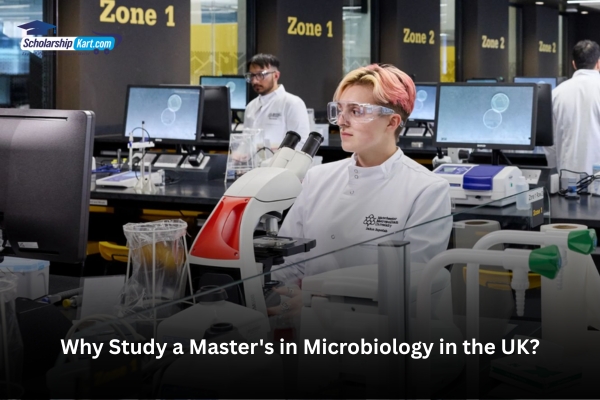
A Master’s in Microbiology in the UK offers students an opportunity to explore this diverse field through advanced scientific learning, laboratory training, and independent research. The subject examines microorganisms such as bacteria, viruses, fungi, algae, and parasites, focusing on their structure, physiology, genetics, classification, and interactions with living organisms and the environment.
UK postgraduate microbiology courses within the broader field of science cover specialist areas such as medical microbiology, environmental microbiology, industrial microbiology, virology, immunology, microbial genetics, and antimicrobial resistance. Depending on the programme, students can also develop practical expertise in microbial identification, diagnostic techniques, molecular analysis, and research design.
Leading institutions, including the University of Oxford, University College London, and the University of Edinburgh, offer established academic and research environments. With opportunities to learn from experienced researchers, undertake laboratory-based projects, and explore applications across healthcare and biotechnology, a master’s degree can help students prepare for diverse scientific careers.
Begin Your Microbiology Journey in the UK! Explore leading universities, discover specialised master’s programmes, and gain the scientific expertise to make a difference in healthcare, biotechnology, and environmental research. Let ScholarshipKart help you get started. From choosing the right university and course to personalised counselling, university admissions, scholarships and visa guidance, our experts can support you at every step of your study-abroad journey.
10 Reasons to Study a Master’s in Microbiology in the UK
1. Develop Advanced Knowledge of Microorganisms
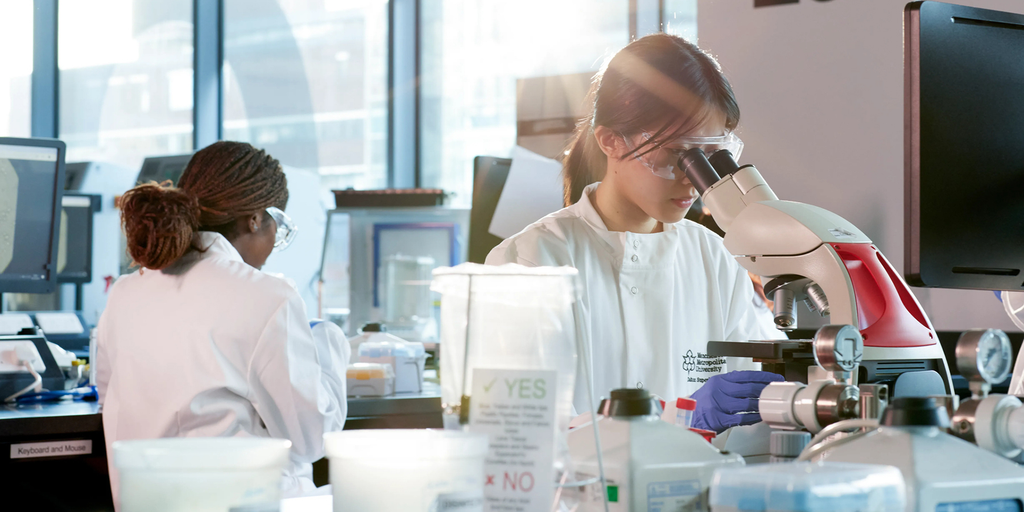
A master’s degree in microbiology takes students beyond the fundamentals of microbial life. It explores how microorganisms function, reproduce, interact with their surroundings, and influence the health of living organisms.
Students develop a deeper understanding of bacteriology, virology, mycology, and parasitology while examining microbial genetics, physiology, and molecular biology. These subjects help explain how microorganisms survive, adapt, cause infections, and contribute to biological processes.
The knowledge gained provides a strong foundation for further research and specialist careers in microbiology, biomedical science, and biotechnology.
2. Explore the Importance of Microbes in the Environment
Microorganisms are essential to the functioning of natural ecosystems. Environmental microbiology examines their role in nutrient cycling, decomposition, and maintaining ecological balance.
Bacteria and fungi, for example, help break down organic matter and return nutrients to the environment. Microbial communities also participate in processes that influence soil quality and ecosystem functioning.
Students interested in environmental science can explore how microorganisms interact with their surroundings and contribute to pollution remediation. This area of study offers valuable insights into the relationship between microscopic life and environmental sustainability.
3. Understand the Connection Between Microbiology and Agriculture
Microbiology has important applications in agriculture, particularly in understanding soil health and the relationship between microorganisms and plants.
Certain bacteria and fungi support plant growth by influencing nutrient availability and soil processes. Studying these interactions helps explain how microbial communities contribute to agricultural ecosystems.
A postgraduate course in microbiology can introduce students to the biological processes that connect microorganisms with crop production, soil fertility, and sustainable farming practices. This knowledge is relevant to those interested in agricultural research, environmental microbiology, and biotechnology.
4. Discover How Microorganisms Influence Food Production
Microorganisms play a significant role in food production, preservation, and quality. Some are used in fermentation, while others can cause food spoilage or foodborne illness.
Food-related microbiology explores the differences between beneficial microorganisms and those that pose risks to food safety. It also examines how microbial activity affects food quality and the processes used to manage microbial contamination.
For students interested in the food and beverage industry, this specialisation provides a scientific foundation for understanding fermentation, microbial growth, and food safety. It can also support career exploration in industrial microbiology and food-related research.
5. Gain Expertise in Medical Microbiology and Infectious Diseases
Medical microbiology focuses on microorganisms responsible for human infections and the methods used to identify, understand, and manage infectious diseases.
Students explore clinically significant bacteria, viruses, fungi, and parasites, learning how infections develop and spread and how they can be diagnosed, treated, and prevented.
Depending on the course, topics may include molecular pathogenesis, immunology, emerging viruses, fungal infections, and epidemiology. Students may also learn how microbiological findings support healthcare decisions.
This specialisation is particularly relevant to students interested in clinical research, biomedical science, infectious disease studies, and public health.
6. Develop Practical Laboratory and Diagnostic Skills
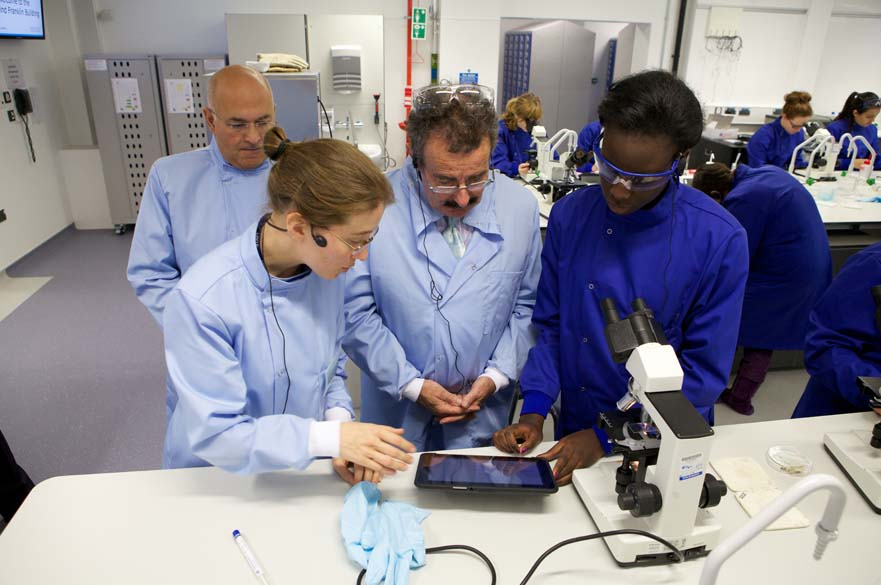
Laboratory experience is an important component of many postgraduate microbiology programmes. Students can build practical skills that help them investigate microorganisms, analyse samples, and interpret scientific findings.
Depending on the curriculum, laboratory techniques may include:
- – Microbial culturing and identification: Investigating microorganisms and distinguishing between different microbial types.
- – Antimicrobial susceptibility testing: Assessing how microorganisms respond to antimicrobial agents.
- – Molecular analysis: Examining microbial genetic material to support identification and research.
- – 16S rRNA sequencing: Using a genetic marker to help identify and classify many bacteria and archaea.
- – MALDI-TOF mass spectrometry: Analysing molecular profiles to assist microbial identification.
- – Mammalian cell culture: Maintaining cells under controlled conditions for relevant biological research.
Access to particular techniques varies by university and programme. Nevertheless, practical training can help students develop technical confidence, laboratory discipline, and analytical thinking.
7. Understand Antimicrobial Resistance and Emerging Infections
Antimicrobial resistance is an important challenge in modern healthcare. It occurs when microorganisms develop the ability to survive treatments that previously controlled them, making some infections more difficult to manage.
Postgraduate microbiology programmes may examine antibiotic resistance mechanisms, resistance genes, antimicrobial susceptibility testing, and approaches to investigating emerging infections.
Students can learn how laboratory findings contribute to research into resistant microorganisms and how accurate microbial identification supports decisions about infection management.
This area of study is particularly valuable for students interested in medical microbiology, pharmaceutical research, infectious disease science, and the development of new approaches to infection control.
8. Learn from Researchers and Industry Specialists
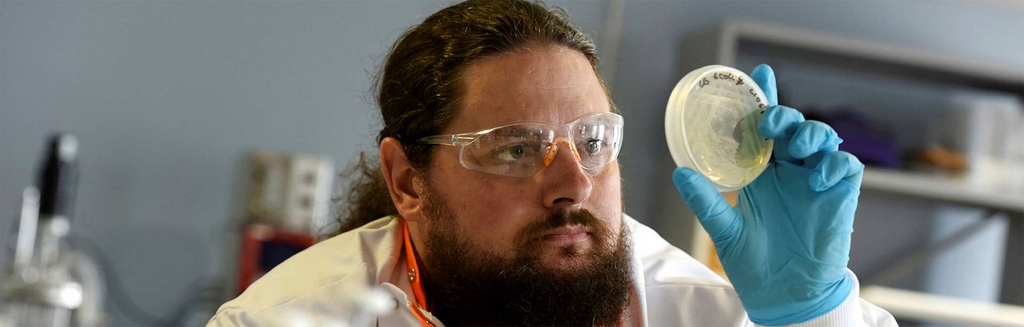
Studying microbiology in the UK can provide opportunities to learn from academics involved in scientific research and, where available, specialists from healthcare and industry.
Some programmes incorporate teaching from NHS specialists in infectious disease, university researchers, and professionals working in the biopharmaceutical sector. Learning from experts can help students connect theoretical concepts with real-world scientific challenges.
Research-led teaching may also introduce students to current investigations into microbial genetics, disease diagnosis, antimicrobial resistance, and biotechnology.
Universities with modern laboratory facilities can provide valuable settings for practical learning. Students should compare individual course structures and facilities to identify the programme that best matches their interests.
9. Complete an Independent Microbiology Research Project
Research is an important part of many master’s degrees in microbiology. An independent project allows students to investigate a defined scientific question, apply relevant methods, and interpret their findings.
Depending on the programme, research topics may involve microbial identification, antibiotic resistance, emerging pathogens, microbiome studies, or biotechnology.
Students can develop skills in research design, data analysis, critical evaluation, scientific communication, and problem-solving. Group activities and problem-based learning may further strengthen collaboration and analytical reasoning.
A research project can also help students identify areas for future specialisation, including academic research, industrial research and development, or further postgraduate study.
10. Explore Diverse Microbiology Career Opportunities
A master’s degree in microbiology can provide a foundation for exploring career opportunities across healthcare, biotechnology, pharmaceuticals, environmental science, food production, and research.
Potential career paths include:
– Medical microbiologist: Investigates microorganisms associated with infectious diseases and contributes to medical research or diagnostic work.
– Clinical microbiologist: Analyses clinical specimens and helps identify microorganisms associated with infections. Specific clinical roles may require additional professional training or registration.
– Industrial microbiologist: Applies microbiological knowledge in industries such as pharmaceuticals, biotechnology, and food and beverages.
– Environmental microbiologist: Studies microbial communities and their contributions to nutrient cycling, pollution remediation, and ecosystem functioning.
– Epidemiologist: Investigates patterns of disease and contributes to understanding outbreaks and disease prevention. Some positions require additional training in epidemiology or public health.
– Public health microbiologist: Studies microorganisms relevant to population health and supports infectious disease surveillance and investigation.
– Microbiome researcher: Examines microbial communities living in and on organisms, including humans, and investigates their biological significance.
– Research scientist: Contributes to laboratory investigations in universities, research institutions, or industrial research and development.
– Science communicator or medical writer: Explains scientific and medical concepts to professional or general audiences, often requiring strong writing and communication skills.
Career eligibility depends on the position, employer, relevant experience, and any additional professional requirements.
What Will You Study During a Master’s in Microbiology in the UK?
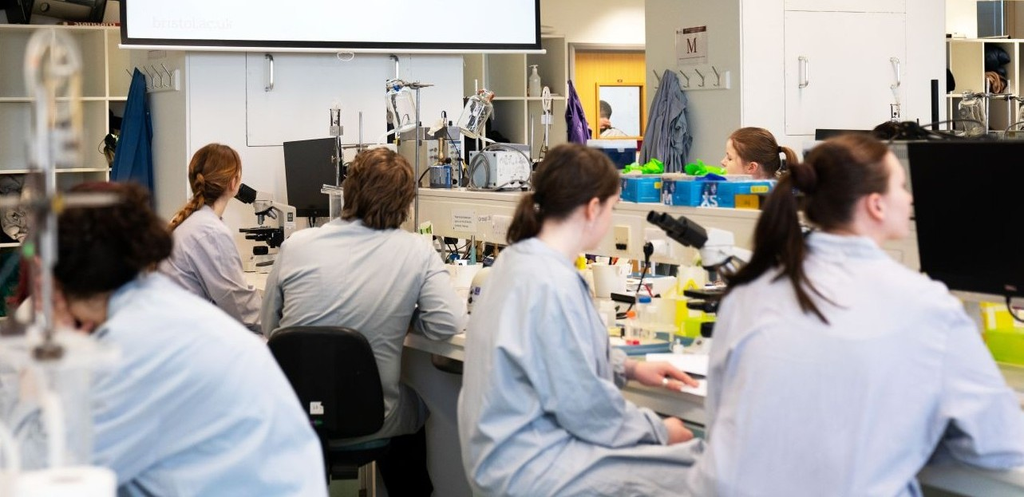
Although module combinations differ between universities, postgraduate microbiology courses may include several interconnected subject areas:
– Microbial genetics and molecular biology: Investigate microbial genes, genetic variation, and molecular processes.
– Immunology and cell biology: Explore immune responses and the biological mechanisms involved in infection.
– Virology and mycology: Study viruses and fungi, including their characteristics and relevance to human health and the environment.
– Antimicrobial resistance: Examine resistance mechanisms and laboratory methods used to investigate antimicrobial susceptibility.
– Diagnostic microbiology: Explore techniques for identifying microorganisms associated with disease.
– Epidemiology: Understand patterns of infection, disease transmission, and approaches to disease prevention.
– Biotechnology: Examine how microorganisms and biological processes can be applied in research and industry.
– Research methods and data analysis: Develop the ability to design investigations, evaluate evidence, and interpret results.
– Independent research: Apply scientific knowledge to a focused research question under appropriate academic supervision.
Some programmes specialise in medical microbiology, while others provide broader coverage of microbial science. Prospective students should review the modules, laboratory opportunities, research facilities, and assessment methods of each course before applying.
Entry Requirements for a Master’s in Microbiology in the UK
Applicants must hold an undergraduate honours degree with a minimum Upper Second-Class (2:1) classification or an overseas equivalent in microbiology, virology, medical laboratory sciences, biomedical sciences, medicine, veterinary medicine, dentistry, pharmacy, or another biology-related subject covering substantial human biology, ideally with microbiology.
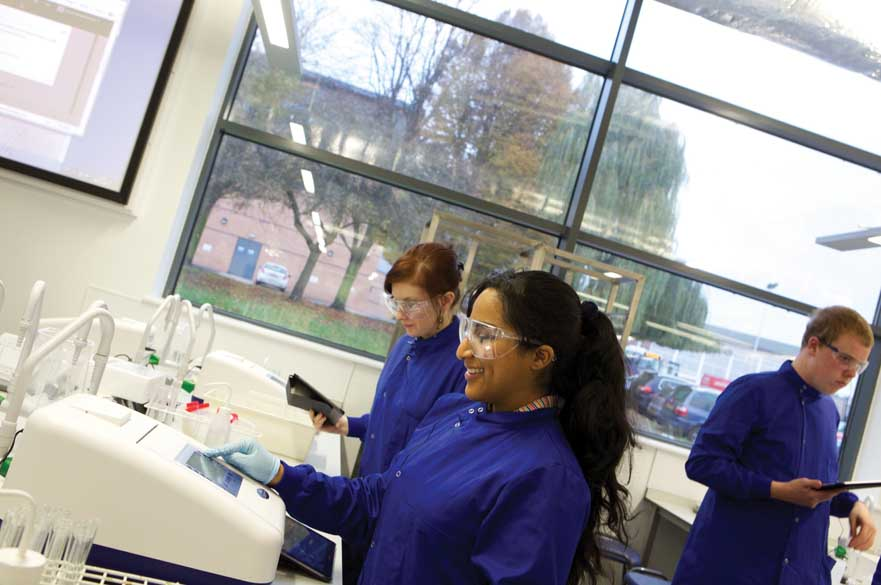
English Language Requirements: International students must achieve an IELTS score of 6.5 overall, with at least 6.0 in each component: Listening, Reading, Writing, and Speaking.
Conclusion
A Masters in Microbiology in the UK offers a valuable opportunity to investigate the microscopic world and understand its far-reaching influence on human health, agriculture, food production, and the environment. From studying beneficial soil bacteria and fermentation to investigating infectious diseases and antimicrobial resistance, the discipline connects fundamental biology with important real-world challenges.
Through advanced modules, practical laboratory training, and independent research, students can develop scientific knowledge and transferable skills that support a range of career pathways. Opportunities in healthcare-related research, biotechnology, pharmaceuticals, environmental science, and academia make microbiology an appealing choice for graduates seeking to build specialist expertise.
The right programme will depend on your interests, whether you are drawn to medical microbiology, environmental applications, microbial genetics, or industrial research. By comparing course content, laboratory facilities, and research opportunities, you can take a considered step towards a rewarding future in microbial science.
End Your Search for the Right Microbiology Course! Take the next step towards your academic and career goals with a Master’s in Microbiology in the UK. Book a Free Consultation with ScholarshipKart for expert counselling, admission assistance, scholarship guidance and visa support. Discover the right programme for your interests and turn your passion for microbial science into a promising future.
FAQs
1. Why should international students study a Masters in Microbiology in the UK?
The UK offers opportunities to study microbiology through research-led teaching, practical laboratory training, and specialised postgraduate programmes. Students can explore areas such as medical microbiology, microbial genetics, environmental microbiology, and biotechnology while developing skills relevant to scientific careers.
2. What are the entry requirements for a Master’s in Microbiology in the UK?
Applicants typically need an honours degree with at least an Upper Second-Class (2:1) classification or an overseas equivalent in microbiology, virology, biomedical sciences, medical laboratory sciences, or a related field with substantial human biology. International students must also meet the English language requirements, such as an IELTS score of 6.5 overall with a minimum of 6.0 in each component, where applicable.
3. How long does a Master’s in Microbiology take to complete in the UK?
Many full-time master’s programmes in the UK take approximately one year to complete, although the duration depends on the university and course structure. Part-time options may take longer, so international students should check the duration of their preferred programme before applying.
4. What subjects are covered in a UK master’s degree in microbiology?
Students may study bacteriology, virology, mycology, immunology, microbial genetics, antimicrobial resistance, and diagnostic microbiology. Depending on the specialisation, the curriculum may also include environmental microbiology, biotechnology, epidemiology, research methods, and an independent research project.
5. Can international students work while studying microbiology in the UK?
Eligible international students holding a Student visa may be permitted to work during their studies, subject to the conditions attached to their visa.
6. What career opportunities are available after a Master’s in Microbiology in the UK?
Graduates can explore opportunities in biotechnology, pharmaceutical research, industrial microbiology, environmental science, academic research, and science communication. Clinical and healthcare-related roles may require additional qualifications, professional registration, or specific experience, depending on the position.