
Architecture in the Modern Age
Architecture is more than just the science of constructing buildings; it is the art of shaping human experiences. For students planning to study architecture in Dubai, the city offers one of the most inspiring environments in the world to learn design, sustainability, and urban innovation. Every structure tells a story, whether it is a futuristic skyscraper piercing the clouds or a serene space designed for reflection.
In today’s world, architecture is not simply about aesthetics. It plays a pivotal role in sustainability, urban development, and cultural preservation. As cities become smarter, greener, and more people-centric, the role of architects is growing ever more critical.
In this rapidly transforming age, the choice of where to study architecture can make or break a student’s career. And when we think of modern marvels and a hub of design innovation, one city stands out like a shining star on the horizon—Dubai.
Why Dubai Inspires Architecture Students
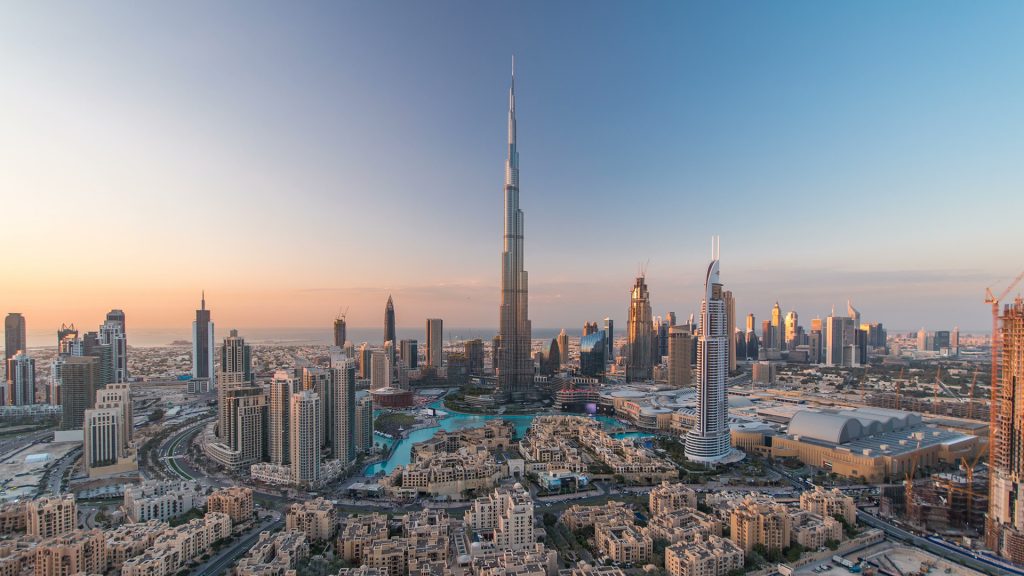
Dubai stands as more than just the financial heartbeat of the UAE. It is a living showcase of architectural brilliance where tradition and modernity walk hand in hand. With a skyline crowned by icons like the Burj Khalifa and the Palm Jumeirah, the city itself becomes an open-air classroom for aspiring architects, offering daily lessons in creativity, sustainability, and design evolution.
What sets Dubai apart is its unique combination of factors: a cosmopolitan environment enriched by over 200 nationalities, world-class universities with internationally accredited programs, cutting-edge digital studios and infrastructure, and a booming construction market that provides abundant internships and career opportunities. Its strategic position at the crossroads of Asia, Africa, and Europe also makes it a global hub for innovation and collaboration.
At the same time, Dubai’s commitment to preserving its rich Islamic heritage ensures that students experience the perfect fusion of cultural depth with futuristic vision. For architecture students, studying in Dubai is truly like “Two Wins, One Choice”, gaining top-tier education while being immersed in a city that itself is the ultimate case study of urban innovation.
At ScholarshipKart, study abroad education consultants, we have seen a sharp rise in interest among Indian students exploring Dubai for architecture courses. If you are ready to make that leap, the trick is simple. Book a Free consultation with ScholarshipKart today and learn more about universities, courses, application and visa process.
Why Study Architecture in Dubai? A Gateway to Designing the Future
Choosing where to study architecture is like laying the foundation stone of your career. The stronger the foundation, the taller the structure you can build.
Dubai, a city synonymous with futuristic skylines and ground-breaking design, has emerged as one of the most inspiring destinations for aspiring architects. But why should you, as a student, pack your bags and head to Dubai for your architectural journey? Let’s dive deep into the reasons.
1. A City That Is a Living Textbook
Dubai isn’t just a place you live in; it is a classroom in itself. Every corner of the city is a lesson in design, sustainability, and innovation.
From the towering Burj Khalifa, the tallest building in the world, to the mesmerising Palm Jumeirah, which reshaped geography itself, Dubai offers real-life examples that no textbook can truly capture. For an architecture student, studying here means being surrounded by daily inspiration.
2. Blend of Tradition and Modernity
Architecture is about the balance between creativity and functionality, tradition and innovation. Dubai perfectly reflects this balance.
While it is home to ultra-modern skyscrapers and smart city projects, the city also treasures Islamic and Arabic architectural heritage. This unique mix gives students a chance to understand how cultural roots can seamlessly integrate with futuristic design.
3. Cutting-edge Technology at Your Fingertips
The future of architecture is being rewritten with technology: AI, BIM (Building Information Modelling), 3D printing, and sustainable materials.
Dubai is at the forefront of adopting these innovations. As a student, you won’t just read about these technologies; you’ll see them in action and often get hands-on exposure. Studying here means you are prepared for tomorrow’s challenges today.
4. Strategic Global Hub
They say location is everything, and Dubai proves that right. Positioned at the crossroads of Asia, Europe, and Africa, Dubai connects you to global markets and opportunities.
Its central location makes it easy for students to explore international collaborations, internships, and projects, giving them a head start in building a global career.
5. Booming Real Estate and Construction Market
Dubai’s skyline is ever-changing. With mega-projects constantly being launched, from smart city districts to eco-friendly towers, the demand for skilled architects is sky-high.
Students studying here can benefit from plentiful internships, industry collaborations, and career placements. Unlike other destinations where students may struggle for opportunities, Dubai places you right in the middle of architectural action.
6. A Cosmopolitan Learning Environment
Dubai is home to people from over 200 nationalities. This cultural diversity enriches classroom discussions, studio projects, and design thinking.
As an architecture student, learning in such a cosmopolitan environment helps you develop a global design perspective, an asset in today’s interconnected world.
7. A Supportive Environment for International Students
Dubai has become increasingly student-friendly with simplified visa policies, tax-free post-study work opportunities, and cultural familiarity for students from regions like India.
Add to that a safe living environment, a high quality of life, and state-of-the-art infrastructure. It becomes clear why students feel at home while studying in Dubai.
8. Exposure to Global Architects and Design Practices
Dubai attracts world-famous architects and designers who contribute to its ever-growing skyline. By studying here, you get opportunities to interact with and learn from these professionals through seminars, workshops, and internships.
Students will be mentored by the very minds shaping the world’s most innovative structures. It is an opportunity that’s hard to find elsewhere.
9. A Future-focused Approach
Dubai’s leadership is committed to innovation and sustainability. With government-backed projects like the Dubai 2040 Urban Master Plan and green building regulations, the city is positioning itself as a global leader in sustainable urban planning.
Students studying here don’t just learn about the present; they prepare to design the cities of the future.
10. Personal and Professional Growth
Studying abroad is not just about academics. It is about personal growth. In Dubai, you learn independence, adaptability, and resilience while being part of a safe and vibrant community.
Professionally, the exposure to internships, networking events, and cutting-edge projects ensures that by the time you graduate, you are not just a degree holder; you are a career-ready architect.
About Architecture Courses in Dubai
Undergraduate Programs (B.Arch)
Duration: 5 years
Focus Areas: Architectural theory, design studios, urban planning, building technologies, and sustainability.
Teaching Methods: Studio projects, digital modelling, internships, and site visits.
Accreditation: Regional and international bodies ensure global recognition.
Postgraduate Programs (M.Arch)
Duration: 1–2 years
Focus Areas: Advanced design research, sustainable development, heritage conservation, and innovation.
Highlights: Many universities offer close collaborations with architectural firms, ensuring practical exposure.
The balance between academic rigour and real-world practice ensures that graduates are industry-ready and globally competitive.
Best Architecture Specialisations to Pursue in Dubai
Choosing the right specialisation is like choosing the right path in a maze. It defines your career direction. Some of the most sought-after specialisations in Dubai include:
- Sustainable Architecture: Designing eco-friendly buildings that align with Dubai’s green initiatives.
- Smart Cities: Learning to design technology-driven urban landscapes.
- Digital Architecture: Exploring parametric design and advanced modelling tools.
- Real Estate Development: Combining design expertise with business acumen.
- Heritage Conservation: Preserving Islamic and cultural architectural legacies.
- Urban Planning: Designing functional, sustainable, and inclusive cities.
- Landscape Architecture: Blending built environments with natural elements.
- Interior Architecture: Focusing on innovative interior spaces.
Top Universities for Architecture in Dubai
Many international students choose to study architecture in Dubai because these universities offer globally recognised degrees and industry exposure.
- Dubai boasts several prestigious institutions, including:
- Heriot-Watt University Dubai
- University of Sharjah – College of Fine Arts and Design
- American University in Dubai (AUD)
- Canadian University Dubai
- Ajman University
- University of Dubai
- Al Ghurair University
- Dubai Institute of Design and Innovation (DIDI)
These universities provide modern studios, industry collaborations, and globally recognised curricula.
Cost of Studying Architecture in Dubai
Before deciding to study architecture in Dubai, students should understand the tuition fees and living costs involved.
When planning to study abroad, one of the biggest considerations for students and parents alike is the financial investment involved. Dubai, while offering world-class education and modern infrastructure, is also known for providing relatively affordable options compared to popular destinations such as the UK, the USA, or Australia.
Let’s break down the cost of pursuing architecture in Dubai so students can plan effectively and avoid last-minute surprises.
1. Tuition Fees
The largest component of studying architecture in Dubai is tuition. On average, students can expect to spend AED 60,000 to AED 100,000 per year, depending on the university and program duration.
Bachelor’s degrees (B.Arch), which typically last five years, tend to be on the higher end of the scale, while postgraduate degrees (M.Arch) spanning one to two years generally fall toward the lower range.
Prestigious universities such as the American University in Dubai or the University of Sharjah may have slightly higher tuition, but this is balanced by their global recognition, advanced studio facilities, and strong industry links.
2. Living Expenses
Living in Dubai provides students with a cosmopolitan lifestyle and high standards of safety. However, this comes with associated costs. On average, international students should budget AED 25,000 to AED 40,000 annually for accommodation, transportation, food, and daily expenses.
Accommodation: University hostels are generally cheaper than private rentals. Depending on location and facilities, shared apartments or student housing can cost between AED 2,500–4,000 per month.
Food: Eating out can be expensive, but cooking at home and using affordable student dining options can keep monthly costs manageable.
Transportation: Dubai’s public transport system (metro, buses, trams) is modern and affordable, costing around AED 300–500 per month, while private taxis add up quickly.
3. Health Insurance
All international students are required to have health insurance while studying in Dubai. The cost usually ranges between AED 2,000 and AED 3,000 per year, depending on the coverage.
Some universities include health insurance as part of their student package, while others require students to arrange it separately.
This ensures that in case of any medical emergency, students can access Dubai’s high-quality healthcare system without financial stress.
4. Visa Fees
To study in Dubai, international students need a valid student visa. The cost typically falls between AED 3,000 and AED 3,500 annually, which covers application processing, medical tests, and Emirates ID issuance. Most universities assist students with the visa application process, making it smoother and less stressful.
While the investment is significant, studying in Dubai often proves more cost-effective compared to the UK, US, or Australia, without compromising quality.
Eligibility Criteria for Studying Architecture in Dubai
Before applying to architecture programs in Dubai, it is essential to understand the eligibility requirements. These criteria ensure that students are well-prepared for the academic rigours of the course and capable of succeeding in both theory and design practice.
The requirements vary for undergraduate and postgraduate programs, but most universities maintain globally recognised standards.
Eligibility for B.Arch (Bachelor of Architecture)
- Academic Qualifications: Students must have successfully completed their 10+2 (or equivalent high school qualification) with at least 60% marks in core subjects such as Physics, Chemistry, and Mathematics.
- These subjects are crucial as they form the foundation for architectural studies, blending science, logic, and creativity.
- Portfolio (if required): Some universities may ask for a portfolio of creative work, which could include sketches, design projects, or artwork. This helps them assess a student’s creative potential and design aptitude even before formal training.
- Letters of Recommendation (LORs) from professors or employers.
- English Language Proficiency: Since the medium of instruction is English, international students must demonstrate language proficiency through standardised tests. The minimum scores usually required are:
- IELTS: 6.0 overall
- TOEFL iBT: 79
Eligibility for M.Arch (Master of Architecture)
- Academic Qualifications: Applicants must hold a Bachelor’s degree in Architecture (B.Arch) or a closely related field. Most universities expect a minimum GPA of 3.0 on a 4.0 scale, which reflects consistent academic performance at the undergraduate level.
- Portfolio and SOP: A portfolio showcasing design projects, internships, or professional work is a key requirement at this level. In addition, students must submit a Statement of Purpose (SOP) highlighting their academic journey, professional experience (if any), career goals, and reasons for choosing Dubai.
- Letters of Recommendation (LORs) from professors or employers.
- English Language Proficiency: A slightly higher level of English proficiency is expected for postgraduate studies:
- IELTS: 6.5 overall
- TOEFL iBT: 85
Additional Requirements
- Some universities may go beyond academics and ask for:
- Interviews to evaluate motivation and fit for the program.
- Work Experience or entrance exams in specific cases, especially for competitive programs.
Job Opportunities after Studying Architecture in Dubai
Students who study architecture in Dubai gain access to career opportunities in global architecture firms, real estate companies, and urban development projects.
Graduates can step into diverse roles such as:
- Urban Planner
- Interior Designer
- Construction Project Manager
- BIM Specialist
- Sustainable Design Consultant
- Landscape Architect
- Structural Engineer
Dubai’s thriving real estate and government-led smart city initiatives open doors for lucrative, long-term careers.
Documents Required
- Students applying for architecture programs must prepare:
- 10th & 12th mark sheets (for bachelor’s applicants).
- Bachelor’s transcripts (for master’s).
- Passport copy.
- IELTS/TOEFL scores.
- Statement of Purpose
- Letters of Recommendation
- Portfolio.
- Resume/CV.
- Proof of funds and health insurance.
- Student visa application.
Final Thoughts
Studying architecture in Dubai is not just about earning a degree. It is about being part of a vision that transforms skylines and communities. From futuristic skyscrapers to sustainable urban solutions, Dubai provides a dynamic environment for aspiring architects to thrive.
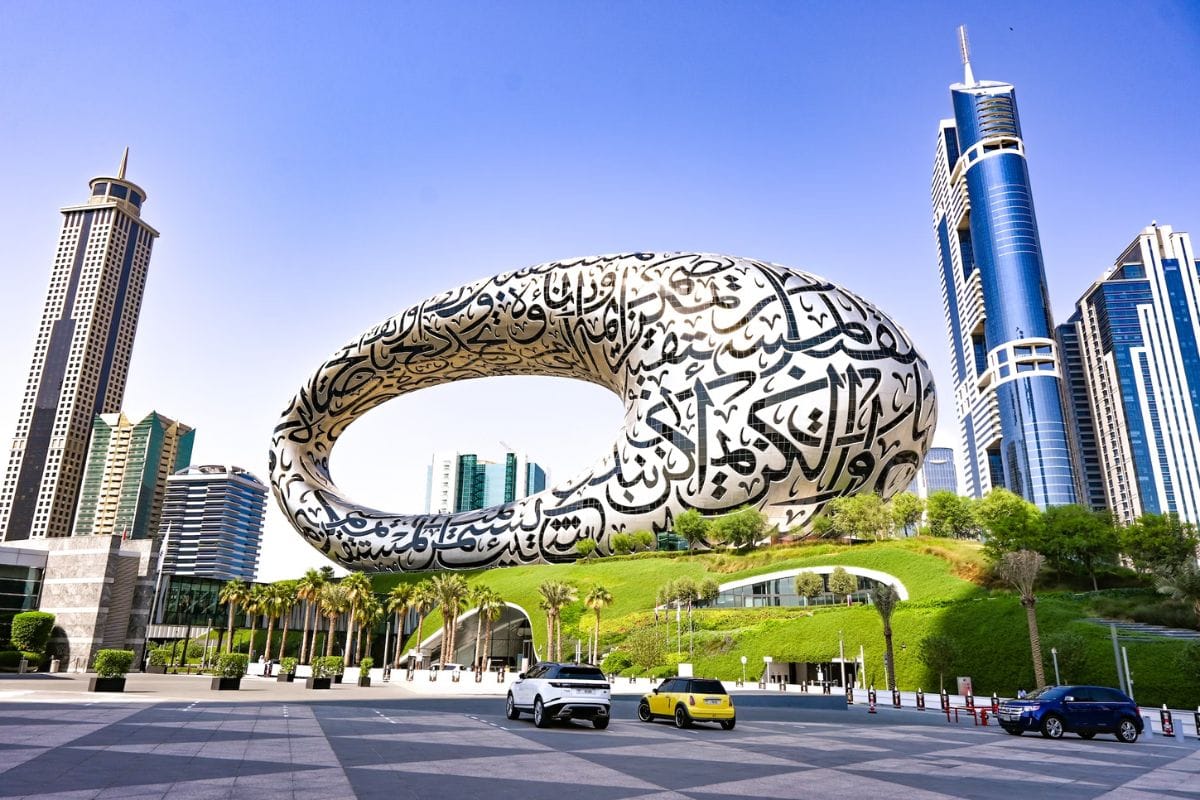
For students who dream of leaving their mark on the world, Dubai offers the perfect canvas to “paint with bricks and mortar.” With world-class universities, global exposure, and career opportunities galore, this is where ambition meets opportunity.
Dreaming of studying for an architecture course in Dubai? Connect with ScholarshipKart today. Our expert counsellors help you choose the right university and the ideal course that perfectly fits your career goals. Start your application and begin your academic journey in one of the world’s fastest-growing education hubs today!
Frequently Asked Questions (FAQs)
Dubai is more than just a modern city; it is a live showcase of some of the world’s most innovative architectural projects, from the Burj Khalifa to sustainable smart cities.
Studying here gives you access to world-class universities, international exposure, and direct industry connections.
A Bachelor of Architecture (B.Arch) usually takes 5 years to complete, while a Master of Architecture (M.Arch) generally lasts 1–2 years, depending on the university and program structure
On average, tuition fees range between AED 60,000–100,000 per year. Adding living expenses, health insurance, and visa fees, students can expect an annual budget of AED 90,000–140,000 for a B.Arch and AED 70,000–110,000 for an M.Arch.
Students need to complete 10+2 with at least 60% in Physics, Chemistry, and Mathematics, demonstrate English proficiency through IELTS (6.0) or TOEFL iBT (79), and, in some cases, submit a portfolio of creative work.
Yes, many universities ask for a portfolio, especially for design-based programs. It helps them evaluate your creativity, artistic potential, and prior exposure to architectural concepts. However, some institutions may waive this for B.Arch applicants.
6. Can I work while studying Architecture in Dubai?
Yes, international students can work part-time for up to 20 hours per week during semesters and full-time during breaks, provided they have the necessary approvals. This allows students to gain practical experience and support their living expenses
Graduates can work as architects, urban planners, interior designers, project managers, or landscape architects. With Dubai’s booming construction and real estate sectors, students have access to internships and job placements in global firms.
Yes, degrees from Dubai’s leading universities are internationally accredited and widely recognised. Graduates can pursue careers or higher education not just in the UAE but also in countries like the UK, USA, Canada, and Australia.
Dubai offers a vibrant, multicultural environment with students from over 200 nationalities. Beyond academics, you’ll enjoy world-class infrastructure, cultural festivals, modern transport, shopping hubs, beaches, and safe student-friendly communities.
The process typically involves:
Submitting an online application through the university’s portal.
Uploading academic transcripts, test scores, SOP, portfolio, and LORs (if required).
Paying the application fee.
Securing a student visa with university assistance.