
The Master of Business Administration (MBA) is one of the most prestigious qualifications in higher education. For decades, it has been the degree of choice for professionals who want to rise to leadership positions, entrepreneurs seeking to expand their horizons, and fresh graduates aiming to gain a competitive edge in the job market.
The Global Appeal of an MBA

An MBA equips students with essential skills like leadership, strategic decision-making,
problem-solving, business communication, and global management perspectives. Its
versatility is unmatched. Graduates can apply their learning to diverse industries such as finance, marketing, technology, healthcare, and logistics.
Traditionally, Indian students have looked to the USA, UK, or Canada for their MBA. While these destinations remain popular, they often come with high costs, longer visa timelines, and more intense competition.
In recent years, Dubai has emerged as a strong alternative for MBA aspirants from India,
thanks to its blend of world-class universities, a booming economy, lower tuition fees,
international exposure, and proximity to India.
This guide is written to serve as the definitive resource for Indian students considering an MBA in Dubai. From understanding the city’s advantages to exploring top colleges, eligibility, costs, scholarships, and career opportunities, you’ll find everything you need to make an informed decision.
Why Study MBA in Dubai?
1. Strategic Location and Connectivity
Dubai’s geographical position is one of its greatest strengths. Located between Asia,
Europe, and Africa, the city serves as a global business gateway. From India, Dubai is just a 3–4 hour flight away, making it much more accessible than Western countries.
This proximity makes it easier for Indian students to travel during holidays and stay
connected with their families.
2. Thriving Business and Economic Hub
Dubai has shifted from being oil-dependent to building a diverse economy. Today, it is a
regional leader in finance, logistics, real estate, technology, healthcare, and hospitality.
With over 28% of its population being international professionals, Dubai offers MBA
graduates a chance to work in truly multicultural environments.
3. Globally Recognised Universities
Top international universities such as London Business School, Hult International Business
School, and Alliance Manchester Business School have campuses in Dubai.
Local universities like the University of Dubai and American University in Dubai are also
highly ranked in the Middle East. The degrees awarded are internationally accredited, giving
Indian students a globally portable qualification.
4. Tax-Free High Salaries
One of the biggest advantages of working in Dubai after an MBA is its zero personal income
tax policy. This means graduates get to keep most of their salary. For high-paying roles in finance, consulting, or technology, this is a massive financial advantage compared to
countries like the US or UK.
5. Safety and Quality of Life
Dubai consistently ranks as one of the safest cities in the world, with an extremely low crime
rate. The city is also known for its modern infrastructure, excellent healthcare system, and clean, organised lifestyle. For Indian students, this means peace of mind while studying abroad.
6. Multicultural Exposure
With over 200 nationalities represented, Dubai is a melting pot of cultures. Indian students
studying for an MBA here can network with peers and professionals from around the world, a huge advantage in today’s interconnected global economy.
7. Affordable Alternative to the West
While MBA programs in the US can cost upwards of ₹1 crore, Dubai offers equally
prestigious programs at half the cost. When combined with lower living expenses and
scholarship options, Dubai becomes an attractive option for middle-class Indian families.
At ScholarshipKart, study abroad education consultants, we have seen a sharp rise in
interest among Indian students exploring Dubai for an MBA. If you are ready to make that
leap, the trick is simple. Book a Free consultation with ScholarshipKart today and learn
more about universities, courses, application and visa process.
Types of MBA Programs in Dubai
Full-Time MBA
- Duration: 12–24 months.
- Suitable for fresh graduates or those wanting an immersive academic experience.
- Includes internships and networking opportunities.
Part-Time MBA
- Designed for working professionals.
- Evening or weekend classes.
- Example: Hult’s part-time MBA with business challenges.
Online/Blended MBA
- Combines online learning with campus workshops.
- Example: Alliance Manchester Business School’s Global MBA.
- Ideal for professionals balancing work and study.
Executive MBA (EMBA)
- Tailored for managers with 7–10 years of work experience.
- Focus on strategic leadership and executive decision-making.
- Example: Bayes Business School EMBA in Dubai.
Best MBA Specialisations to Pursue in Dubai
An MBA is not a one-size-fits-all program. Specialisations allow students to align their
education with their career aspirations. Dubai’s MBA programs offer a variety of
industry-focused concentrations, many of which directly reflect the emirate’s economic
strengths.
1. Supply Chain Management
Dubai is known as the logistics capital of the Middle East, home to global giants like DP
World. An MBA in Supply Chain Management opens doors to careers in procurement,
inventory management, and global operations.
2. Healthcare Management
The UAE government is investing heavily in healthcare. With increasing demand for
hospitals, clinics, and medical research, healthcare management professionals are in
demand. Indian students with a background in life sciences can benefit greatly.
3. Marketing
Dubai has established itself as a leading destination for luxury retail, booming real estate, vibrant tourism, and premium hospitality services. Specialising in marketing can lead to roles in brand management, digital marketing, and international advertising.
4. Tourism and Hospitality Management
With attractions like the Burj Khalifa, Palm Jumeirah, and luxury resorts, Dubai’s tourism
industry thrives year-round. Hospitality management is one of the most rewarding MBA
specialisations here.
5. Human Resource Management
Managing a multicultural workforce requires specialised skills. An MBA in HR prepares
students for leadership roles in talent acquisition, employee engagement, and organisational development.
6. Finance
Dubai’s financial sector is booming, particularly at the Dubai International Financial Centre (DIFC). Finance specialisation can lead to roles in investment banking, risk management, and corporate finance.
7. Real Estate Management
With ever-evolving skyscrapers and mega projects, real estate remains a major industry in Dubai. MBA graduates in this field often secure roles in project management, property development, and investment analysis.
8. Entrepreneurship
Dubai is a global startup hub, supported by incubators like Dubai Future Foundation.
Students aspiring to launch their own ventures can benefit from networking opportunities and access to investors.
9. International Business
As Dubai connects global markets, international business specialisation prepares students to manage cross-border trade, global partnerships, and multinational corporations.
10. Information Technology Management
With initiatives like Smart Dubai 2025, IT professionals are in high demand. Specialising in IT management opens careers in fintech, blockchain, AI, and data analytics.
Top MBA Universities in Dubai
Choosing the right university is crucial. Below are the leading options for Indian students:
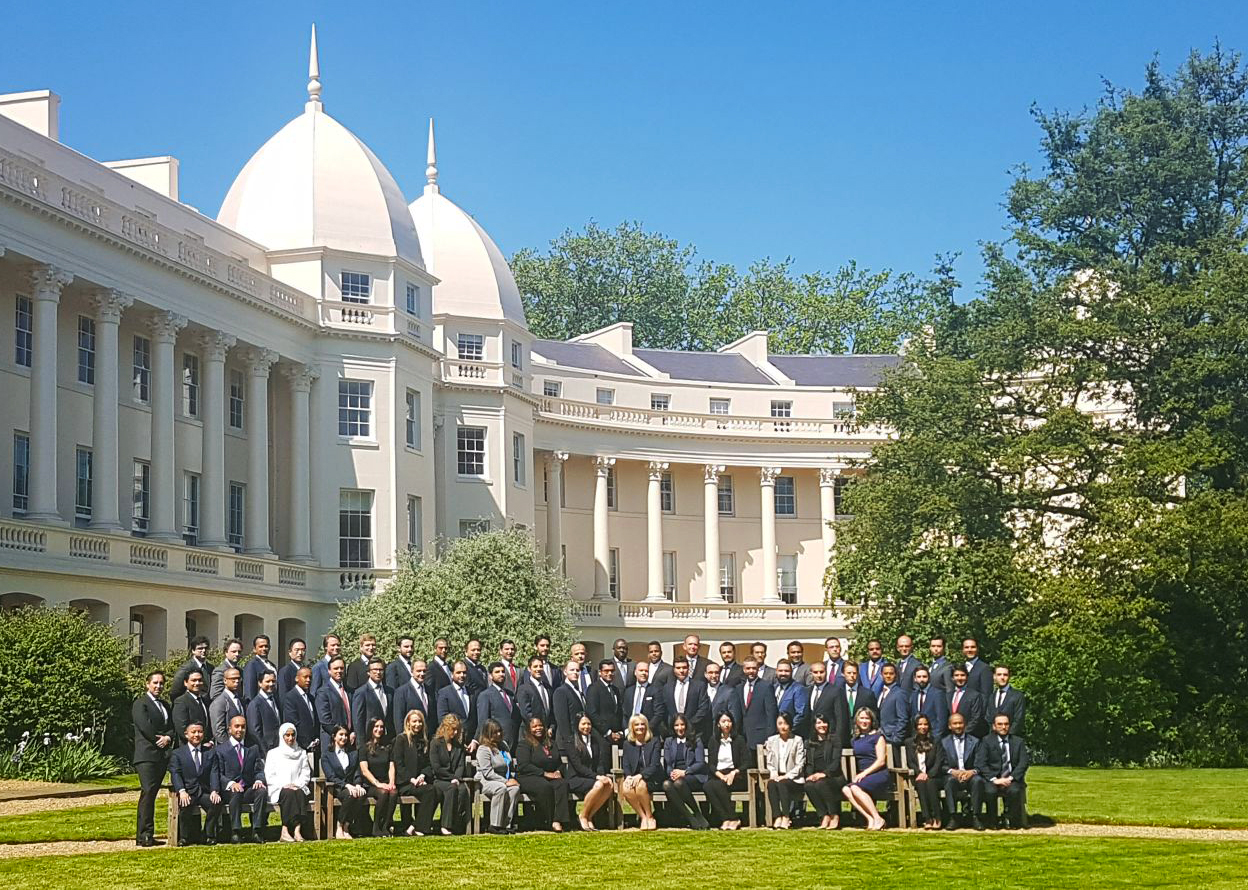
1. London Business School (Dubai Campus)
- Located in the Dubai International Financial Centre.
- Ranked among the world’s top 10 business schools.
- Offers Executive MBA with direct access to banks and consulting firms like Barclays and HSBC.
2 Hult International Business School
- Known for its global rotation program across campuses in Dubai, London, and Boston.
- Offers flexible full-time and part-time MBAs.
- Strong focus on entrepreneurship and leadership.
3. Alliance Manchester Business School (Dubai Centre)
- Offers a Global Part-Time MBA with blended learning.
- Popular among working professionals.
- Strong focus on the digital economy and fintech.
4. SP Jain School of Global Management
- Ranked among Asia’s leading business schools.
- Offers Global MBA programs with industry-linked projects.
- Strong focus on international student cohorts.
5. University of Dubai
- Affordable tuition fees.
- Offers MBA specialisations in Marketing, HR, and Finance.
- Ideal for Indian students with less than 2 years of experience.
6. American University in Dubai (AUD)
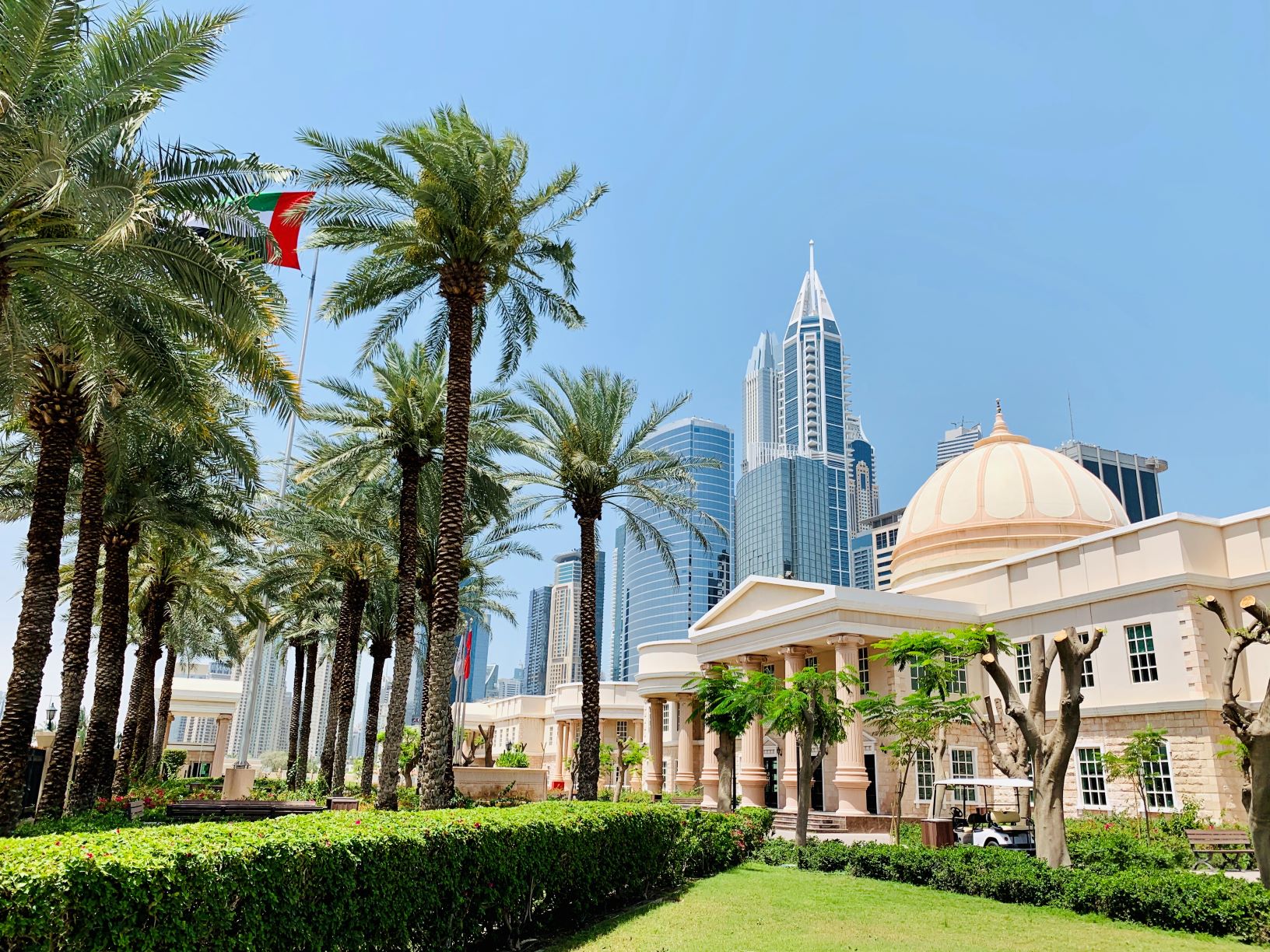
- Ranked among the top 10 universities in the Middle East.
- Accepts students with minimal work experience.
- Known for excellent campus life and multicultural exposure.
7. University of Wollongong in Dubai (UOWD)
- Established in 1993, one of the first foreign universities in Dubai.
- Offers MBAs accredited by the Australian education system.
- Flexible programs for working professionals.
Eligibility Criteria for Indian Students
Before applying for an MBA in Dubai, Indian students need to ensure they meet the entry requirements. While each university may have slightly different standards, the following are common across most institutions:
1. Bachelor’s Degree
- Indian students must hold a recognised undergraduate degree (BBA, B.Com, BA, B.Tech, or equivalent) from a UGC-approved university.
- The minimum percentage requirement is usually 55–60% aggregate marks, although top-tier institutions like London Business School or Hult may prefer higher academic performance.
- Students from a non-business background (such as engineering, science, or humanities) are still eligible, provided they demonstrate interest and potential in management.
- Tip for Indian students: If your graduation percentage is slightly lower, strengthen your application with strong work experience, a powerful SOP, and recommendation letters to balance academic shortcomings.
2.Work Experience
For most full-time MBAs, Dubai universities prefer candidates with 2–5 years of professional
work experience. This ensures students bring real-world insights to classroom discussions.
However, institutions like the University of Dubai and the American University in Dubai
(AUD) also accept fresh graduates who show leadership potential.
Internship experience during undergraduate studies can sometimes be counted towards the requirement.
Advice: If you are a fresher, highlight entrepreneurial projects, NGO involvement, or family business contributions to show practical exposure.
3. English Language Proficiency
Since Dubai universities follow international teaching standards, English proficiency is mandatory.
- IELTS: Minimum score of 6.0–6.5 overall (some institutions accept 5.5 with conditions).
- TOEFL: Equivalent minimum of 80–90 (iBT).
Exemptions: Some universities waive this requirement if the student studied in an English-medium institution throughout their degree in India.
- Preparation Tip: Start preparing for IELTS/TOEFL at least 3–4 months before applying to achieve the best score and increase your scholarship chances.
4. Entrance Tests (GMAT/GRE)
- Many Dubai universities waive GMAT/GRE requirements, especially for candidates with strong academic or professional records.
- However, top-tier business schools like London Business School may require a competitive
- GMAT score (above 600).
- A good GMAT score can also strengthen your application for scholarships.
Application Requirements for Indian Students
To apply for an MBA in Dubai, Indian students need to compile a well-prepared application package. Here’s what universities usually ask for:
- Academic Transcripts – Certified copies of mark sheets and degree certificates from your undergraduate program.
- Passport – Valid passport with at least 18 months of validity at the time of applying.
- Student Visa – After securing admission, the university will assist in arranging a UAE student visa.
- Updated CV/Resume – Highlighting academic qualifications, work experience, internships, projects, and achievements.
- Statement of Purpose (SOP) – A 1,000–1,500 word statement of purpose outlining your career goals, motivation for pursuing an MBA, and why you chose Dubai.
- Letters of Recommendation (2–3) – Usually from academic professors and/or professional supervisors who can vouch for your skills and leadership potential.
- English Proficiency Test Scores – IELTS/TOEFL scorecards, if required.
- GMAT/GRE Scores – Only if demanded by your chosen institution.
- Financial Proof – Some universities may ask for bank statements or sponsorship letters to ensure you can fund tuition and living expenses.
- Pro tip: Tailor your SOP to highlight why Dubai specifically (global exposure, proximity to India, tax-free salary benefits) — this shows clarity of purpose to admissions committees. Application Timeline
Dubai universities generally offer two major intakes:
- January Intake (Spring Semester)
- September Intake (Fall Semester)
Some universities may also offer a July (Summer) intake, though this is less common.
When Should Indian Students Apply?
- Apply 6–8 months before the intake date to maximise your chances of securing scholarships and ensure smooth visa processing.
- For the September intake, applications should ideally be submitted by January–March.
- For the January intake, aim to apply by June–August of the previous year.
- Tip: Since UAE visa processing is faster than in Western countries (often completed within 3–4 weeks), Indian students can plan more flexibly, but early applications always increase scholarship chances.
Cost of Studying an MBA in Dubai
One of Dubai’s biggest attractions is that it offers internationally recognised MBAs at a
fraction of the cost compared to the USA or the UK.
- Tuition Fees
- Range: AED 82,400 – AED 299,500 (approximately ₹18–65 lakhs).
- Comparatively, US MBAs can cost ₹80 lakhs–1.2 crore, making Dubai a 50% cheaper option.
- Public universities like the University of Dubai charge lower tuition compared to premium schools like London Business School.
2. Living Expenses
- Monthly range: AED 5,500 – AED 6,800 (₹1.2–1.5 lakhs).
Breakdown:
- Accommodation: AED 2,500–4,000/month.
- Food & groceries: AED 1,200–1,800/month.
- Transport: AED 300–500/month.
- Personal expenses: AED 1,000–1,500/month.
3.Hidden Costs
- Visa & Health Insurance: AED 4,000–6,000 annually (₹90,000–1.3 lakhs).
- Flight tickets: ₹25,000–40,000 per round trip India–Dubai.
- Textbooks & course materials: AED 2,000–4,000/year (₹40,000–90,000).
- Budget Tip: Shared accommodation and student discounts on metro passes can reduce monthly expenses significantly.
Scholarships for MBA in Dubai
Dubai universities actively encourage international diversity, which benefits Indian students applying for scholarships.
Types of Scholarships
- Merit-Based Scholarships
- For students with excellent academic records, high GMAT scores, or strong professional achievements.
Can cover 25–50% of tuition fees.
2. Need-Based Financial Aid
- Granted to students who demonstrate financial difficulty.
- Requires proof of family income and financial statements.
3. Research Assistantships
- Available for MBA students participating in faculty-led projects.
- Includes tuition fee waivers or monthly stipends.
4. Sports & Community Scholarships
- Awarded to students with outstanding sports achievements or community service contributions.
5. Alumni Scholarships
- Discounts for students who previously studied at the same university.
- Tip for Indian Students: Many universities have early-bird scholarships for applications
- submitted before deadlines. Apply early to maximise chances.
Career Opportunities After an MBA in Dubai
Dubai’s economy is dynamic, offering jobs in finance, consulting, logistics, real estate,
technology, and hospitality.
Top Industries Hiring MBAs
- Finance & Banking – Jobs at Emirates NBD, HSBC, and DIFC firms.
- Consulting – Firms like PwC, KPMG, and EY actively hire MBAs in Dubai.
- Technology – Growing demand for roles in AI, data science, and IT management.
- Supply Chain & Logistics – Opportunities at DP World, DHL, and Emirates.
- Real Estate & Construction – Demand for project managers due to mega projects.
- Luxury Retail & Hospitality – With Dubai being a shopping capital, roles in marketing and brand management are plentiful.
- Healthcare – Hospital administration roles due to rising medical tourism.
Popular Job Roles After MBA
- Marketing Manager
- Financial Analyst
- Investment Banker
- HR Manager
- Supply Chain Manager
- Business Development Manager
- Entrepreneur/Startup Founder
- Chief Data Officer
Salary Expectations
Average MBA graduate salary: AED 250,000–350,000 per year (₹55–75 lakhs).
Executive MBAs and professionals in finance/consulting can earn even more.
Tax-free income means Indian graduates can save a larger portion compared to peers in the
US/UK.
Living in Dubai as an Indian Student
For Indian students, Dubai offers both modern comforts and cultural familiarity.
1. Accommodation
On-campus housing: Available at some universities, convenient but slightly expensive.
Shared apartments: Common among Indian students, costing AED 2,500–4,000/month.
Popular student areas: Dubai International Academic City (DIAC), Bur Dubai, and Al Nahda.
2. Food
Wide availability of Indian groceries and restaurants.
Affordable options like Saravana Bhavan, Bikanervala, and local cafeterias.
Monthly food budget: AED 1,200–1,800 (₹25,000–40,000).
3. Transport
Well-connected metro and bus system.
Monthly metro pass: AED 300 (₹6,500).
Taxis and ride-sharing (Careem, Uber) for convenience.
4. Part-Time Work Opportunities
Students can work 15–20 hours per week during semesters.
Common jobs: Retail, cafes, hospitality, or university research assistantships.
Earnings: AED 30–50/hour (₹700–1,100).
5. Indian Community in Dubai
Over 2.8 million Indians live in the UAE, making it the largest expatriate community.
Strong support system with Indian cultural associations, temples, and events like Diwali
celebrations.
Conclusion
For Indian students aspiring to build careers in finance, consulting, supply chain, healthcare, technology, or entrepreneurship, Dubai offers one of the most practical, affordable, and rewarding MBA destinations in the world.
With its internationally accredited universities, multicultural exposure, strategic location, and booming economy, Dubai is not just a study destination; it is a launchpad for global
leadership.
If you are ready to take the leap into international business education without the
overwhelming costs of the US or UK, Dubai could be your perfect MBA destination in 2025.
Dreaming of studying for an MBA in Dubai? Connect with ScholarshipKart today. Our
expert counsellors help you choose the right university and the ideal course that perfectly fits your career goals. Start your application and begin your academic journey in one of the world’s fastest-growing education hubs today.
FAQs: MBA in Dubai for Indian Students
Yes, an MBA degree from Dubai is globally recognised. Many universities in Dubai are accredited by international bodies like AACSB, EQUIS, and AMBA, and some have strong affiliations with Western universities.
Graduates often secure roles in global companies, making it a valuable qualification for international careers
in Dubai?
Most universities in Dubai require a bachelor’s degree with at least 55–60% aggregate marks. 2–5 years of work experience for regular MBA programs (though some accept fresh graduates).
IELTS/TOEFL scores (minimum IELTS 6.0–6.5). GMAT/GRE scores may be required in some universities, but are often waived.
or UK?
MBA tuition fees in Dubai range between ₹18–65 lakhs, while the same degree can cost ₹80 lakhs–1 crore in the US or ₹60–90 lakhs in the UK.
Living costs in Dubai are also comparatively lower, making it a cost-effective choice for Indian students without compromising global recognition.
Dubai?
Dubai offers opportunities across multiple industries such as:
Finance & Banking – Investment bankers, analysts, corporate finance managers.
Consulting – Business strategy and management consulting.
Technology – Product managers, data analysts, and digital marketing roles.
Logistics & Supply Chain – Operations managers in global trade hubs.
Hospitality & Luxury Retail – Brand managers and marketing professionals.
Graduates often earn between AED 250,000–350,000 annually (₹55–75 lakhs).
Yes, very much. Dubai has a large Indian diaspora of over 2.8 million people, making cultural adjustment easier. Indian food, festivals, and community events are common, while the city also offers world-class infrastructure, safety, and modern amenities.
Yes, international students in Dubai are allowed to work 15–20 hours per week during their studies. Many take up roles in retail, hospitality, or internships, which not only help financially but also add valuable work experience.
Absolutely. Universities provide a variety of scholarships, such as:
Merit-based scholarships for academic excellence.
Need-based financial aid. Sports and community service scholarships.
Alumni discounts for returning graduates.
Some scholarships can cover up to 50% of tuition fees, reducing the overall cost
significantly.
Dubai is considered one of the safest cities in the world, with very low crime rates and strict law enforcement. Female students often highlight feeling secure even when travelling late at night.
The city’s modern infrastructure and reliable public transport further ensure a safe living environment.
Not always. While some universities may ask for GMAT/GRE scores, many Dubai institutions waive the requirement if applicants have a strong academic background or relevant work experience. Instead, they focus on your academic transcripts, SOP, and interviews.
for an MBA?
Dubai offers a unique combination of benefits:
Proximity to India (3–4 hour flight).
Lower costs compared to US/UK MBAs.
Tax-free salaries after graduation, ensuring higher savings.
Global exposure with peers from 200+ nationalities.
Career opportunities in booming industries like finance, consulting, logistics, and technology.
Cultural familiarity with a large Indian community. For many, Dubai is the perfect balance of affordability, opportunity, and international
recognition.