
Life begins with a remarkable code written into our DNA. Molecular genetics explores this code, examining how genes function, how genetic information is inherited, and how changes in DNA influence health, disease, and the development of living organisms.

By connecting biology with advanced scientific research, the subject helps us understand life at its most fundamental level and opens doors to discoveries that can transform the future of healthcare and biotechnology.
For students fascinated by the science behind human health, inherited conditions, and genetic innovation, molecular genetics offers an intellectually rewarding field with far-reaching career possibilities.
From investigating the genetic causes of diseases to contributing to personalised medicine, gene-based therapies, and cutting-edge biotechnology, this discipline places students at the forefront of scientific progress.
The UK is an attractive destination for studying molecular genetics, combining a strong academic tradition with a research-driven learning environment. Students can benefit from access to modern laboratory facilities, expert academic guidance, and opportunities to explore emerging developments in genetics and molecular biology.
With universities offering specialised programmes and links to research institutions, the UK provides an environment where scientific curiosity can develop into practical expertise. Choosing to study molecular genetics in the UK is more than an academic decision; it is an investment in understanding the science shaping tomorrow.
Whether your ambition is to pursue research, enter the biotechnology and pharmaceutical industries, or contribute to advances in medical science, this field can provide a meaningful foundation for a future built around discovery, innovation, and impact.
Ready to explore a future in molecular genetics? Let ScholarshipKart help you get started. From choosing the right university and course to personalised counselling, university admissions, scholarships and visa guidance, our experts can support you at every step of your study-abroad journey. Discover how studying in the UK can help you turn your passion for genetics into a rewarding academic and professional journey.
5 Best Molecular Genetics Master’s Programmes in the UK
The UK offers a range of postgraduate programmes for students interested in genetics, genomics, molecular biology, and genetic disease research. When choosing a course, look beyond the degree title and consider its laboratory training, research opportunities, clinical exposure, and career relevance.
Here are five master’s programmes worth exploring for students planning to specialise in molecular genetics.
MSc Molecular Genetics at the University of Leicester
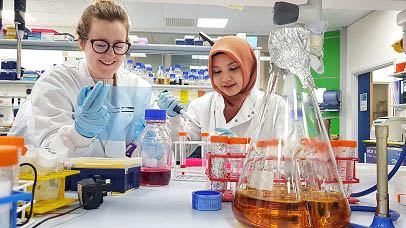
Curious about how genes shape life and how genetic discoveries can transform science and healthcare? The MSc in Molecular Genetics at the University of Leicester offers biological sciences graduates an opportunity to explore modern genetics while developing the practical skills needed for scientific research.
What Does the Course Offer?
This one-year, full-time programme combines intensive teaching with hands-on laboratory training. In the first semester, students explore key concepts in molecular genetics, learn modern laboratory techniques, and develop skills in experimental design.
The second semester focuses on an extensive six-month research project, giving students the opportunity to join an active research group and investigate a topic of interest. Along the way, they gain experience in analysing scientific data, evaluating research papers, and presenting their findings — essential skills for future researchers.
What Makes Leicester Stand Out?
The University of Leicester has a remarkable place in the history of genetics. It is where Professor Sir Alec Jeffreys pioneered DNA fingerprinting, a discovery that transformed forensic investigations and genetic identification worldwide.
Today, the university continues to explore molecular genetics across areas such as cancer research, biotechnology, and agricultural science. Its research-led learning environment allows students to engage with real scientific questions while developing their analytical thinking and laboratory expertise.
For students aspiring to careers in genetic research, biotechnology, or biomedical science, this MSc offers a valuable combination of practical experience, specialist knowledge, and the opportunity to learn at a university renowned for its contribution to genetics.
Human and Molecular Genetics MSc- University of Sheffield
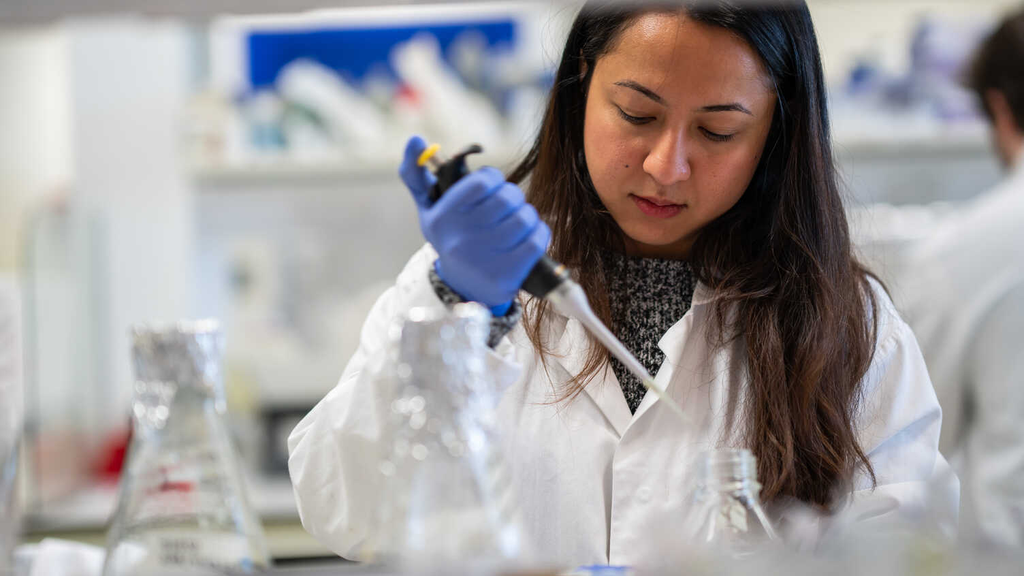
The Human and Molecular Genetics MSc at the University of Sheffield brings together advanced genetics, practical laboratory training, and clinical experience to help students understand how genetic discoveries translate into patient care.
What Does the Course Offer?
The programme focuses on identifying genetic changes linked to rare diseases and cancer. Students develop practical skills through laboratory training in techniques such as PCR, DNA analysis, CRISPR, cytogenetics, and human cell culture. They also learn to interpret genomic evidence, analyse data, and understand how genetic findings support clinical diagnosis.
A substantial research project provides the opportunity to investigate a molecular genetics question under academic supervision and contribute to meaningful scientific research.
What Makes Sheffield Stand Out?
One of the programme’s biggest advantages is its partnership with the Julia Garnham Centre, established through collaboration between the University of Sheffield and Sheffield Children’s NHS Foundation Trust.
This specialist genomics facility offers students NHS-focused training and a year-long, credit-bearing NHS placement — a valuable opportunity to connect classroom learning with clinical practice.
With extensive hands-on laboratory experience, access to specialist expertise, and exposure to healthcare diagnostics, the MSc offers an excellent foundation for students aspiring to careers in clinical genomics, genetic testing, biomedical research, and molecular diagnostics.
MSc Human Molecular Genetics at Imperial College London

How do genetic variations contribute to human diseases, and how can genomic research improve diagnosis and treatment? The MSc in Human Molecular Genetics at Imperial College London explores these questions, offering a research-focused programme for science graduates aspiring to careers in genetics, healthcare, or biomedical research.
What Does the Course Offer?
This one-year, full-time programme combines specialist teaching with practical laboratory training and independent research. Students study molecular genetics, rare and common genetic diseases, analytical methods, and laboratory genomics. Key topics include gene regulation, genetic variation, bioinformatics, cancer genetics, epigenetics, and precision medicine.
The curriculum is delivered through lectures, tutorials, and laboratory sessions led by experts in the field. Students also complete a substantial six-month research project, with opportunities to work in participating laboratories across leading research institutions. The project develops their ability to investigate scientific questions, analyse findings, and communicate research outcomes effectively.
What Makes Imperial Stand Out?
A major advantage is its strong connection to advanced genetics research. The programme brings together theoretical knowledge, modern genomic technologies, and practical investigation, helping students understand how scientific discoveries can address complex human diseases. Regular curriculum updates also help reflect developments in this rapidly evolving field.
For graduates aiming to pursue careers in academic research, pharmaceuticals, healthcare, or biotechnology, this MSc offers a strong foundation in human genetics and genomics, with opportunities to develop the specialist skills needed for further research or professional progression.
MSc Molecular Genetics at Brunel University London

Interested in understanding how genetic changes influence ageing, disease, and human health? The MSc in Molecular Genetics at Brunel University London offers an opportunity to explore genome biology and the molecular mechanisms that shape living organisms.
What Does the Course Offer?
The programme covers key areas such as genome structure, gene regulation, chromosome analysis, telomere biology, and inherited and acquired mutations. Students also explore the genetic basis of rare diseases and cancer, gaining insights into how changes in DNA can affect biological processes.
Learning combines research-led teaching with practical laboratory experience. Students develop skills in advanced genomic techniques, data analysis, bioinformatics, and critical evaluation of scientific literature. Core modules in molecular medicine, research methods, and scientific communication complement an extensive independent research project.
What Makes Brunel Stand Out?
A key strength of the programme is its focus on connecting fundamental genetics with real-world biomedical challenges. Students learn from experienced researchers while developing the technical, analytical, and communication skills required to investigate complex genetic questions.
For graduates considering careers in biomedical research, pharmaceutical science, clinical diagnostics, or biotechnology, this MSc provides a valuable foundation. It can also support further academic specialisation, including doctoral research in areas such as genetic disease and gene therapy.
With its blend of specialist knowledge, practical training, and independent research, Brunel offers an appealing option for students seeking to advance their understanding of modern molecular genetics.
MSc Medical Genetics and Genomics at the University of Glasgow

How is genomics changing the way genetic conditions are diagnosed and treated? The MSc in Medical Genetics and Genomics at the University of Glasgow explores the growing role of genetic science in modern healthcare, preparing students to understand genetic disorders and the technologies transforming medical diagnosis.
What Does the Course Offer?
The programme combines lectures, case-based learning, laboratory practicals, and problem-solving activities to develop a strong understanding of medical genetics. Students explore genetic mutations, DNA variants, and modern diagnostic methods, including microarray analysis and next-generation sequencing.
Practical training also introduces students to specialist genomics software, genetic databases, and the interpretation of genetic findings. Through teaching from university academics and NHS clinicians, students gain insight into how genetic testing supports patient care, family counselling, and population screening.
What Makes Glasgow Stand Out?
A major strength of the programme is its close collaboration with the NHS West of Scotland Genetic Services. This connection gives students valuable exposure to clinical practice and current developments in genetic diagnostics. The course is also accredited by the Royal Society of Biology, supporting academic and professional development.
With an emphasis on practical skills, clinical applications, and emerging genomic technologies, the MSc provides a strong foundation for graduates considering careers in genetic diagnostics, biomedical research, or further study at PhD level. It is particularly suited to students who want to understand how advances in genetics can improve healthcare and patient outcomes.
Conclusion
Molecular genetics is more than an emerging area of science; it is a field shaping the future of medicine, healthcare, and biotechnology. For students who want to be part of this progress, choosing the right postgraduate programme is an important step towards building a meaningful career. The best choice will depend on your academic interests, preferred learning environment, and long-term ambitions.
Take time to compare course structures, research opportunities, practical training, and entry requirements before making your decision. With the right preparation and a genuine curiosity about science, studying molecular genetics in the UK can be the beginning of a future driven by discovery, innovation, and lasting impact.
Your future in molecular genetics starts with the right choice. Take the next step by exploring UK universities, reviewing their entry requirements, and identifying the programme that best fits your career goals. Book a Free Consultation with ScholarshipKart for expert counselling, admission assistance, scholarship guidance and visa support. Start planning your study abroad journey today and move closer to a future in scientific discovery and innovation.
The UK offers research-focused education, advanced laboratory facilities, and opportunities to explore genetics, genomics, molecular biology, and biomedical research. Students can develop practical and analytical skills relevant to careers in biotechnology, pharmaceuticals, healthcare, and scientific research.
Some universities offering relevant postgraduate programmes include the University of Leicester, University of Sheffield, Imperial College London, Brunel University London, and the University of Glasgow. Students should compare current course availability, modules, research opportunities, and entry requirements before applying.
Applicants generally need a bachelor’s degree in a relevant subject, such as genetics, molecular biology, biotechnology, biochemistry, biomedical science, or another life science. Specific academic requirements vary by university and programme.
Most full-time master’s programmes in molecular genetics and related disciplines take approximately one year to complete. The exact duration depends on the university, course structure, and research component.
Common topics include DNA structure and function, gene regulation, genetic mutations, genomics, molecular biology, bioinformatics, genetic disorders, cancer genetics, and modern laboratory techniques. Some programmes also include independent research projects and clinical or diagnostic applications.
Graduates may explore careers in genetic research, biotechnology, pharmaceutical development, biomedical science, molecular diagnostics, genomics, and laboratory research. Further study, including a PhD, may be beneficial for students pursuing specialised or academic research roles.