
Architecture is more than the art of designing buildings. It is about shaping the spaces where people live, work, learn and connect, while responding to environmental challenges, cultural identities and the changing needs of society. But what does it take to become an architect who can balance creative ambition with practical responsibility? At Cardiff University, the answer begins with an education that brings design innovation, sustainability, professional practice and research together.

The Welsh School of Architecture at Cardiff University offers an environment where aspiring architects can explore ideas, experiment with emerging technologies and understand how the built environment influences people’s lives.
Located in Cardiff, the capital of Wales, the School draws on the city’s rich heritage, diverse cultures and varied landscapes to connect architectural learning with real-world contexts. Its longstanding commitment to sustainability and human wellbeing gives students an opportunity to think beyond individual buildings and consider the wider impact of their design decisions.
The School also combines a strong academic reputation with practical learning, specialist facilities and opportunities to engage with contemporary architectural challenges. With undergraduate and postgraduate programmes designed to develop creative, critical and professional skills, Cardiff University provides a compelling setting for students who want to contribute to a more thoughtful and sustainable built environment.
Ready to turn your passion for design into a meaningful career? Let ScholarshipKart help you get started. From choosing the right university and course to personalised counselling, university admissions, scholarships and visa guidance, our experts can support you at every step of your study-abroad journey.
Why Study Architecture at Cardiff University?
Choosing the right architecture school can influence how you develop as a designer, understand professional responsibilities and prepare for your future career. Here are compelling reasons why studying architecture at Cardiff University could be a valuable step towards your ambitions.
1. Study at One of the UK’s Leading Architecture Schools

The Welsh School of Architecture has established a strong reputation for architectural education and research. Its position in national subject league tables reflects its standing within the UK’s architecture education landscape.
In the 2027 tables, it ranks fifth in the Complete University Guide, sixth in the Times University Guide and eighth in the Guardian University Guide. The School has also been placed 50th in the QS World University Rankings for architecture, demonstrating its international profile.
For prospective students, these rankings offer useful context when comparing architecture degrees in the UK. However, the School’s appeal extends beyond league table positions to its emphasis on design, sustainability, research and professional development. Students can build their architectural knowledge in an academic environment that values both creative exploration and the practical consequences of design.
2. Choose an Architecture Degree That Matches Your Career Goals
Cardiff University’s Welsh School of Architecture offers undergraduate and postgraduate programmes designed to develop creative, technical and professional skills for a changing built environment.
The three-year, full-time BSc Architectural Studies introduces students to architectural design, while the four-year BSc Architecture with a Year of Study Abroad adds an international learning experience. Both programmes emphasise design innovation, inclusion, wellbeing and sustainability, preparing graduates to create people-focused spaces that respond to changing technological, social, cultural, economic and professional contexts.
At postgraduate level, the two-year Master of Architecture (MArch) develops advanced architectural design skills and provides opportunities to strengthen professional knowledge and experience. The Architecture and the Built Environment (MArch) pathway encourages students to create innovative, integrated and interdisciplinary design solutions to contemporary challenges. Students can choose optional modules to specialise in key built-environment research areas, developing their technical expertise, critical thinking and individual professional outlook.
Cardiff University’s postgraduate taught programmes also reflect the School’s research strengths in sustainability, conservation, professional studies and urban design. Through design projects, specialist learning and engagement with contemporary architectural issues, students can deepen their understanding of the built environment and explore their chosen areas of interest.
3. Learn Architecture Through a Strong Focus on Sustainability
Sustainability is a central part of the Welsh School of Architecture’s identity. Rather than treating environmental responsibility as a separate consideration, the university encourages students to explore how architectural decisions affect the planet and the wellbeing of present and future generations.
This approach brings questions about climate change, material choices, building performance and the responsible use of technology into architectural thinking. Students are encouraged to consider how buildings can respond to their immediate surroundings while contributing to wider environmental objectives.
The School’s focus on sustainability also connects architectural design with the United Nations Sustainable Development Goals. This encourages students to reflect on the relationship between buildings, communities and global challenges. By developing an understanding of environmental and social responsibility alongside design skills, students can work towards creating spaces that are functional, inclusive and responsive to changing needs.
4. Develop Practical Design Skills Through Studio-Based Learning
Architectural education requires more than understanding theories, studying buildings and learning technical principles. Students must also develop the ability to turn ideas into designs that respond to real constraints and opportunities.
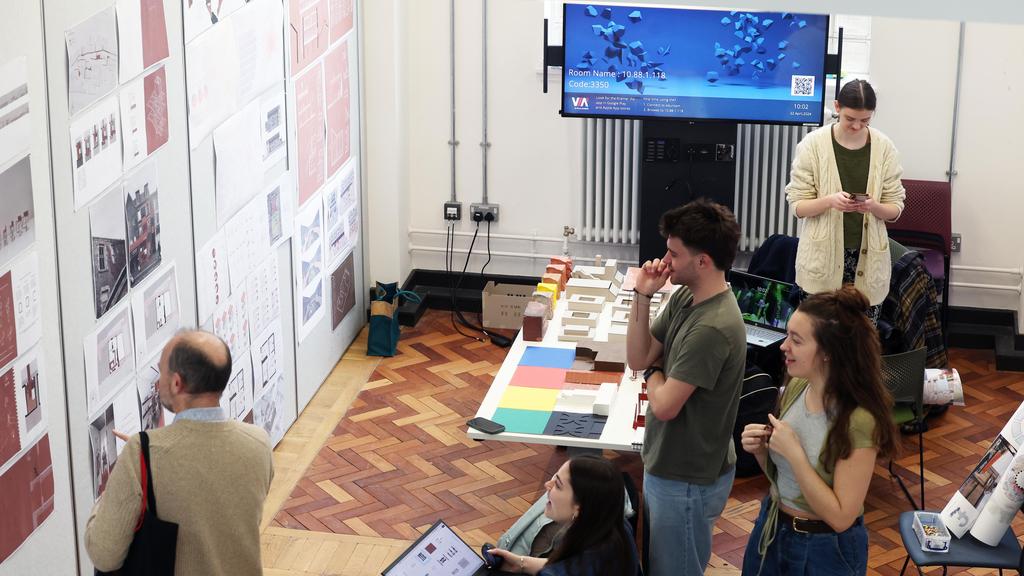
Cardiff University’s undergraduate architecture education places considerable emphasis on project-based learning, with approximately two-thirds of the BSc programme currently based on studio project work. This design-led approach gives students opportunities to investigate problems, develop concepts, test solutions and refine their proposals.
The design studio is also an important space for discussion, collaboration and constructive feedback. Students interact with peers, academic staff and industry practitioners while exploring different approaches to architectural problems.
Through this process, they can strengthen their visual communication, analytical thinking and ability to explain design decisions. The emphasis on making and experimentation supports the development of a personal design approach grounded in practical understanding.
5. Benefit from a Research Environment with International Strength
Research plays an important role in shaping the academic environment at the Welsh School of Architecture. In the Research Excellence Framework (REF) 2021, 96% of the School’s research was assessed as world-leading or internationally excellent.
The School was ranked first for its research environment and fourth overall within its discipline, according to its stated REF results. These outcomes highlight the strength of its research culture and its contribution to architectural knowledge.
For students, a research-informed environment can provide opportunities to engage with questions that extend beyond conventional design practice. Research across architecture, the arts, humanities and sciences helps illuminate the relationship between buildings, people, technology and the environment.
The School’s broad expertise also reflects the interdisciplinary nature of contemporary architectural challenges. This connection between teaching and research encourages students to question established assumptions, investigate new ideas and develop more informed design responses.
6. Explore Specialist Architecture Facilities and Digital Fabrication
Access to specialist facilities can help architecture students bridge the gap between digital ideas and physical design. The Welsh School of Architecture provides dedicated environments for experimentation, model-making and technical exploration.
Its digital fabrication laboratory supports the creation of computer-generated components and models, allowing students and researchers to explore how digital design can inform physical production. These resources complement the studio-based approach by offering opportunities to test and communicate architectural ideas.
The university also has an architectural robotics laboratory featuring a six-axis, high-accuracy robotic arm. This facility supports research into the potential of robotic construction and digital fabrication in architecture.
Together, these resources introduce students to technological developments that may influence the future of building design and production. Exposure to digital fabrication and robotics can encourage a more experimental approach to materials, construction methods and the relationship between design and making.
7. Learn in the Historic Bute Building
The Welsh School of Architecture is based in Bute Building, a Grade II listed building that provides a distinctive setting for architectural study. Learning within a historic building offers a tangible connection to the questions architects encounter when considering heritage, adaptation and the relationship between existing structures and contemporary needs.
The building is not simply a place to attend classes; it forms part of the environment in which students develop their understanding of architecture.
The School’s facilities include studios, specialist laboratories, a library and exhibition areas within its wider learning environment. A major reconfiguration of the School also includes work to redesign Bute Building. This context reflects the ongoing relationship between architecture, the preservation of existing buildings and the changing requirements of educational spaces.
For students interested in architectural conservation and adaptive reuse, the setting provides a relevant backdrop for thinking critically about historic buildings and their future.
8. Access Dedicated Architecture Library Resources
Strong architectural work depends on research, observation and the ability to draw on reliable reference material. The Architecture Library is conveniently located within the School, giving students access to books, journals, reference works, technical literature and audio-visual resources.
Its collection supports the different stages of architectural study, from investigating historical precedents to developing technical knowledge and researching contemporary design questions. The library also holds a rare books collection, adding a distinctive resource for students exploring architectural history and related subjects.
Having specialist resources within the School can make it easier to connect independent research with studio projects and taught modules. Students can investigate how architectural ideas have developed over time, compare design approaches and deepen their understanding of materials, construction and building performance.
These resources also support the development of research and critical reading skills. Such abilities are important when students need to justify design decisions through evidence rather than relying on visual appeal alone.
9. Connect Architectural Theory with Real-World Practice
A successful architecture degree should help students understand not only how buildings are designed but also how architectural decisions work in practice. Cardiff University’s teaching approach combines design projects with modules exploring the historical, theoretical, cultural, political and geographical dimensions of architecture.
This broader perspective helps students understand that buildings exist within complex social, environmental and economic contexts. It encourages them to consider how a design might affect different users and how local conditions influence architectural solutions.
The School also emphasises the relationship between practical experience and theoretical understanding. Its postgraduate learning approach encourages students to reflect on professional practice and develop their own professional perspectives.
Students are challenged to think critically about innovation, commercial awareness and the wider significance of their decisions as architects. This combination can help them develop a more considered approach to design, balancing creative possibilities with technical, ethical and professional responsibilities.
10. Learn from Academic Experts and Experienced Practitioners
Architectural education benefits from exposure to people who understand both the intellectual and practical dimensions of the profession. At the Welsh School of Architecture, students learn from academic staff and experienced tutors from leading UK architectural practices.
Their specialisms span a wide range of areas, giving students opportunities to encounter different perspectives on design, research and professional work. This combination supports a learning environment in which ideas can be explored from more than one viewpoint.
Engagement with teacher-practitioners can also help students appreciate how architectural concepts are developed, assessed and applied in professional settings. Through tutorials, design reviews and studio discussions, students can receive feedback and reflect on the reasoning behind their proposals.
These interactions encourage them to question assumptions, communicate ideas clearly and develop confidence in presenting their work. Learning from researchers and practitioners can therefore support both creative development and a stronger understanding of architectural responsibilities.
11. Develop a Personal Design Identity Through Creative Experimentation

Architecture students need to develop more than technical competence; they also need to understand what kind of designer they want to become. Cardiff University’s teaching approach encourages grounded creativity, combining imaginative thinking with engagement in real-world challenges.
Students are encouraged to experiment with design, take creative risks and explore alternative approaches to architectural problems. This creates space for independent thinking while maintaining a connection to the practical and ethical implications of design.
The studio environment supports this process by bringing together students, staff and industry practitioners for discussion and review. Students can explore how their interests relate to questions such as climate change, community wellbeing, cultural identity and building performance.
At postgraduate level, the opportunity to develop a specialism in a key built-environment research area provides another route for shaping an individual direction. Over time, this combination of experimentation, reflection and research can help students develop a recognisable design approach grounded in evidence and purpose.
12. Engage with Communities and Contemporary Global Challenges
Architecture has a direct relationship with the places people inhabit and the communities that use them. The Welsh School of Architecture encourages students to connect design work with local communities and broader global challenges, including climate change.
Its emphasis on grounded creativity invites students to investigate how architectural ideas can respond to specific places rather than relying on generic solutions. This approach helps them consider the environmental, cultural and social factors that shape the built environment.
The School’s Living Lab was designed to encourage engagement with local communities, industry, professional organisations and academics within Cardiff University and beyond. This facility reflects a wider commitment to collaboration and exchange across different areas of expertise.
Students are encouraged to consider ethical questions and the influence of architecture on society, including how spaces can support inclusion and wellbeing. By connecting design learning with the needs of real people and places, they can develop a stronger understanding of architecture as a public-facing profession.
13. Benefit from Professional Accreditation and a Route Towards Becoming an Architect
For students who want to become registered architects in the UK, understanding the educational pathway is an important part of choosing a university. Cardiff University offers qualifications that form part of the professional education route, including the BSc Architectural Studies (Part 1) and the Master of Architecture (MArch, Part 2).
Both are approved by the Royal Institute of British Architects (RIBA) and the Architects Registration Board (ARB), according to the School. These approvals provide an important foundation for students planning their architectural education around professional requirements.
The School’s programmes focus on developing design ability alongside the wider skills needed in architectural practice. Students explore professional and ethical responsibilities, technological choices, commercial awareness and the relationship between design and society.
The BSc and MArch form stages of the educational pathway, rather than an automatic guarantee of registration. Students should check the current RIBA and ARB requirements, as well as the relevant course details, to understand the complete route towards becoming a registered architect in the UK.
14. Strengthen Employability Through Career Support and Professional Skills
A degree in architecture can lead to opportunities in different professional and built-environment settings, but graduates also need to communicate their abilities effectively. Cardiff University supports students in preparing professional CVs and portfolios during their studies.
Dedicated career events and opportunities to learn from practising architects and industry consultants can help students understand professional expectations and explore potential employment routes. The School also notes that industry contacts regularly advertise graduate positions within the School.
The University identifies six graduate attributes that guide the development of skills valued by employers:
- Collaboration: Working productively with people from different backgrounds and areas of expertise.
- Effective communication: Presenting design proposals, research and ideas clearly.
- Ethical, social and environmental awareness: Recognising the wider consequences of architectural decisions.
- Independent and critical thinking: Evaluating evidence and developing reasoned design solutions. Innovation, enterprise and commercial awareness: Exploring new ideas while understanding professional realities.
- Reflection and resilience: Learning from feedback, adapting to challenges and improving work over time.
These attributes are relevant to a profession in which architects must coordinate with clients, consultants, communities and other built-environment professionals. Developing them alongside design skills can help graduates approach professional responsibilities with greater confidence.
15. Prepare for Advanced Architectural Careers and Further Development
Cardiff University’s architecture programmes are designed to support students as they progress from foundational learning towards more advanced professional capability.
Undergraduate graduates typically continue their training towards becoming registered architects, while the MArch builds on existing knowledge to develop greater independence, critical thinking and specialist understanding. The School reports strong graduate prospects, with the majority of MArch graduates going on to work in the architectural profession. This provides encouraging context for students considering advanced architectural education.
The postgraduate programme also supports different ways of contributing to the profession. Previous MArch graduates have established architectural practices, not-for-profit community-focused organisations, charitable foundations and professional collaborative networks.
These examples demonstrate that architectural education can prepare students for varied professional directions rather than a single career model. By combining advanced design, professional reflection and engagement with contemporary challenges, the MArch can help students develop the perspective needed to contribute to the evolving built environment.
Entry Requirements for Studying Architecture at Cardiff University
Undergraduate Architecture Degree Entry Requirements
A-levels: AAA–AAB.
International Baccalaureate (IB): 34–36 points overall, including a grade 6 in one Higher Level (HL) subject, or grades 666–665 across three HL subjects.
English Language Requirements (IELTS Academic): An overall score of at least 6.5, with a minimum of 5.5 in each subskill.
Postgraduate Architecture Degree Entry Requirements
Academic Qualifications: A 2:1 honours degree in Architecture from a UK institution recognised by the Royal Institute of British Architects (RIBA) or the Architects Registration Board (ARB), or an equivalent architecture degree from an overseas university.
English Language Requirements (IELTS Academic): An overall score of at least 6.5, with a minimum of 5.5 in each subskill.
Career Opportunities in Architecture
- Architect
- Architectural Technologist
- Building Control Surveyor
- CAD Technician
- Interior And Spatial Designer
- Town Planner
- Urban Designer
- Building Surveyor
- Commercial/Residential Surveyor
- Construction Manager
- Estates Manager
- Historic Buildings Inspector/Conservation Officer
- Landscape Architect
- Planning And Development Surveyor
- Production Designer, Theatre/Television/Film
- Project Manager
- Structural Engineer
- Sustainability Consultant
- VFX Artist
Conclusion
Choosing an architecture school is ultimately about deciding what kind of architect you aspire to become. If your ambition is to create thoughtful, innovative and environmentally responsible spaces, Cardiff University’s Welsh School of Architecture offers an academic setting in which to develop that vision.
Its emphasis on grounded creativity encourages students to question conventional approaches, consider the needs of diverse communities and make design decisions with purpose. This perspective is particularly valuable for aspiring architects who want their work to respond to the realities of a changing world.
Before applying, consider which programme aligns with your academic background, preferred area of specialisation and professional goals. Review the course structure, entry requirements and relevant accreditation arrangements to ensure that your chosen pathway supports your intended career progression.
The right architecture degree should challenge the way you think, strengthen your design judgement and prepare you to take responsibility for the spaces you create. If these are the qualities you seek in your education, Cardiff University deserves a place on your shortlist.

Take the next step towards your architectural future! Book a Free Consultation with ScholarshipKart for expert counselling, admission assistance, scholarship guidance and visa support. Explore Cardiff University’s undergraduate and postgraduate architecture courses, review the entry requirements, and find the programme that will help you shape your vision into reality.
FAQs
1. Why should international students study Architecture at Cardiff University?
Cardiff University’s Welsh School of Architecture combines design-led education, sustainability-focused learning and internationally recognised research. Its specialist facilities, practical learning opportunities and focus on the built environment make it an attractive option for students seeking an architecture degree in the UK.
2. What Architecture courses are available at Cardiff University for international students?
Cardiff University offers a three-year BSc Architectural Studies, a four-year BSc Architecture with a Year of Study Abroad, and a two-year Master of Architecture (MArch). Students can explore undergraduate and postgraduate options according to their academic qualifications and career goals.
3. Is Cardiff University’s Architecture degree accredited by RIBA and ARB?
The BSc Architectural Studies (Part 1) and Master of Architecture (MArch, Part 2) are approved by the Royal Institute of British Architects (RIBA) and the Architects Registration Board (ARB). International students should check the latest course-specific approvals and UK registration requirements before applying.
4. What are the entry requirements for international students applying to Architecture at Cardiff University?
Entry requirements vary depending on the chosen architecture programme, previous qualifications and individual academic background. International applicants should consult the official course pages for current academic criteria, English-language requirements and any portfolio or additional application requirements.
5. Can international students gain practical experience while studying Architecture at Cardiff University?
Yes, Cardiff University’s architecture education combines design projects, studio learning and engagement with professional practice. The School also emphasises work-based learning, including a practice-based first year in the relevant undergraduate pathway, so applicants should check the structure of their chosen programme.
6. What facilities are available to Architecture students at Cardiff University?
Students can access specialist resources such as the architectural robotics laboratory, digital fabrication laboratory, workshop, Architecture Library and Hybrid Studio. These facilities support architectural research, model-making, digital design experimentation and collaborative studio learning.
7. What career opportunities are available after studying Architecture at Cardiff University?
Graduates can pursue architectural training and explore opportunities across the wider built environment, depending on their qualifications and experience. The School supports career preparation through CV and portfolio development, career events and opportunities to engage with practising architects and industry consultants.
8. Can international students pursue a career as a registered architect in the UK after graduating from Cardiff University?
International students can work towards becoming registered architects in the UK by completing the relevant education, practical experience and professional assessment requirements. The BSc Architectural Studies and MArch provide recognised stages of the educational pathway, but graduates must meet the applicable ARB registration requirements in force when they qualify.