
Biomedical sciences are at the forefront of efforts to understand human health, investigate disease and develop new solutions to some of the world’s most complex healthcare challenges.
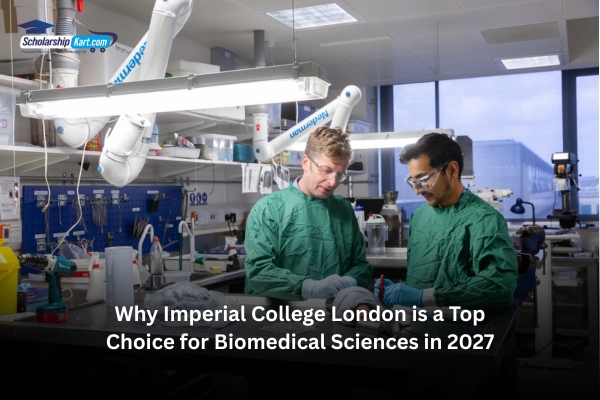
From molecular biology and genetics to immunology, neuroscience, cancer research and biomedical technology, the discipline brings together scientific knowledge and innovation to improve the prevention, diagnosis and treatment of disease.
Choosing the right university for Biomedical Sciences can shape the way you learn, research and prepare for the future of healthcare. For international students considering the UK in 2027, Imperial College London deserves particular attention as it is ranked 1st for Biomedical Sciences in The Times and Sunday Times Good University Guide 2027.
But what makes Imperial stand out beyond its No. 1 ranking? Is it the strength of its biomedical research, its links with medicine and healthcare, its specialist areas of study, or the opportunities created by its interdisciplinary approach?
From cutting-edge research and clinical connections to cancer biology, neuroscience, immunology, genomic medicine and biomedical technology, there are several factors that make Imperial an interesting choice for aspiring biomedical scientists.
So, why study Biomedical Sciences at Imperial College London in 2027? Let’s explore the key reasons international students should know.
Make Your 2027 Imperial Dream a Plan. From choosing the right study pathway to submitting your application and securing scholarship and visa support, ScholarshipKart is here to guide you at every step. Speak to a ScholarshipKart Counsellor Today.
Top Reasons to Study Biomedical Sciences at Imperial College London in 2027

Students may consider Imperial for biomedical sciences in 2027 for several reasons, from its academic standing and research environment to its laboratory-focused curriculum and connections with healthcare.
1. Study Biomedical Sciences at a Globally Recognised University
Imperial’s international standing provides an important academic context for students studying biomedical sciences.
For 2027, Imperial is ranked 2nd in the world and 1st in the UK and Europe in the QS World University Rankings 2027. Imperial has also been named University of the Year 2027 by The Times and Sunday Times Good University Guide.
The university’s subject-level reputation is also relevant to biomedical science students. Imperial is ranked 6th in the world for Life Sciences and Medicine in the QS World University Rankings by Subject 2026.
Meanwhile, Imperial is ranked 1st for Biomedical Sciences in The Times and Sunday Times Good University Guide 2027.
These rankings provide useful external indicators of Imperial’s position in biomedical sciences and related areas. However, students should also look beyond rankings and consider the curriculum, research opportunities, teaching environment and academic support available on their chosen programme.
2. Learn in a Research-Intensive Biomedical Sciences Environment
Biomedical sciences is fundamentally a research-driven discipline. Understanding disease requires scientists to investigate biological mechanisms, test hypotheses, analyse evidence and develop new approaches to healthcare.
Imperial places considerable emphasis on research. According to the Research Excellence Framework 2021, Imperial had a greater proportion of world-leading research than any other UK university and ranked first in the UK overall for the proportion of 4-star, or “world-leading”, research.
For biomedical sciences students, this research culture can influence the way they approach their studies. Instead of viewing biomedical science simply as a collection of established facts, students can develop the ability to think scientifically, evaluate evidence and understand how research contributes to advances in healthcare.
Imperial’s biomedical sciences provision is designed around this philosophy. The Medical Biosciences programs specifically aim to develop students’ ability to think like scientists through a research-intensive and laboratory-focused curriculum.
3. Develop Practical Laboratory and Research Experience Through Biomedical Sciences
One of the strongest features of studying Biomedical Sciences at Imperial College London is the emphasis on applying scientific knowledge through practical learning and research.
Biomedical sciences education at Imperial combines scientific theory with laboratory investigation, research-led learning and opportunities to explore real-world healthcare questions. Students can develop an understanding of human biology and disease while learning how biomedical research is used to investigate health challenges and support advances in medicine.
Key areas of development can include:
- Laboratory-based scientific investigation
- Human biology and disease
- Molecular approaches to biomedical science
- Scientific reasoning and critical thinking
- Research and data analysis
- Scientific communication
- Research ethics
- Independent investigation
- Analysis of biomedical questions
This practical approach helps students move beyond learning concepts in isolation and understand how scientific knowledge is investigated, tested and communicated in real biomedical research settings.
4. Gain Hands-On Experience in Biomedical Research
Independent research is an important part of developing as a biomedical scientist. It gives students the opportunity to move beyond established concepts and investigate a specific scientific question using research methods, critical analysis and evidence-based reasoning.
At Imperial College London, research-focused study can give students experience of exploring biomedical questions in greater depth. Depending on the programme, this may involve an independent research project or an external research placement, allowing students to experience how scientific investigation is carried out in real research environments.
An independent biomedical research project can help students develop skills in:
- Designing and planning scientific investigations
- Applying research methods to biomedical questions
- Analysing and interpreting scientific findings
- Critically evaluating evidence
- Communicating research outcomes
- Working independently and managing a research project
These skills are relevant across a wide range of pathways, including biomedical research, laboratory science, pharmaceutical and biotechnology industries, postgraduate study and further specialisation in medical and life sciences.
More importantly, project-based research helps students understand how biomedical knowledge is generated, not simply how existing scientific knowledge is learned.
5. Understand How Biomedical Science Explores Human Disease
A key part of Biomedical Sciences is understanding how diseases develop through processes that occur at molecular, cellular and biological levels. This helps connect fundamental discoveries in biology with the medical challenges researchers and healthcare professionals seek to address.
At Imperial College London, this broad scientific approach is reflected in research spanning areas such as:
- Gene regulation
- DNA storage, copying and repair
- Epigenetic mechanisms
- Stem cells
- Cellular senescence
- Cancer and ageing
- Metabolism and growth
- Neuroscience and neurodegeneration
- Immunology and inflammation
- Genomic medicine
- Molecular medicine
Exploring these areas allows biomedical science to connect questions about how the human body works with questions about why disease occurs and how it can be better understood, diagnosed or treated.
The breadth of research at Imperial also highlights the interdisciplinary nature of Biomedical Sciences, where molecular and cellular discoveries can contribute to advances in medicine and healthcare.
6. Access a Wide Range of Biomedical Science Specialisms
Biomedical sciences are a broad field rather than a single research area. Imperial’s undergraduate and postgraduate portfolio covers numerous biomedical and closely related specialisms.
The areas provided include:
- Medical Biosciences
- Molecular Bioengineering
- Biomedical Engineering
- Biomedical Research
- Cancer Biology
- Computational Biomedicine
- Experimental Biomolecular Sciences
- Experimental Neuroscience
- Genes, Drugs and Stem Cells
- Genomic Medicine
- Immunology
- Molecular Medicine
- Neurotechnology
- Reproductive and Developmental Biology
- Translational Neuroscience
This range allows students to see how biomedical science connects with molecular biology, medicine, engineering, computation, neuroscience and technology.
For students planning postgraduate study, this breadth can also provide a useful view of the different directions in which biomedical research can develop.
7. Learn From Research Connected to Real Healthcare Challenges
A defining characteristic of biomedical sciences is the movement from scientific discovery towards healthcare application.
At Imperial, students can learn from and alongside faculty working at the forefront of translating biomedical breakthroughs into clinical settings. The university also highlights its close connections with healthcare partners.
This relationship between discovery and clinical application is important because biomedical research does not exist in isolation. Scientific findings can contribute to the development of diagnostics, therapies, technologies and approaches to patient care.
Imperial’s research environment includes departments and divisions working across areas such as immunology, inflammation, neuroscience and cancer.
Immunology and Inflammation Research
The Department of Immunology and Inflammation investigates mechanisms connecting the immune system with disease and works towards translating these findings to advance medicine.
Its multidisciplinary environment brings together scientists with clinical and research backgrounds, supporting experimental and clinical research approaches.
Neuroscience and Neurodegenerative Disease
The Division of Neuroscience investigates mechanisms involved in neurodegeneration and neuroinflammation, areas relevant to neurological disorders.
The division is also home to the Multiple Sclerosis and Parkinson’s Tissue Bank, illustrating the connection between biomedical research resources and the study of neurological disease.
Cancer Biology and Translational Research
Imperial’s cancer research focuses on translating high-quality basic research into clinical studies and developing approaches to stratified and personalised cancer treatment.
Research includes work on:
- Epigenetic therapies
- Drug resistance
- The immune system in cancer
- Cancer diagnostics
- Patient stratification
- Personalised treatment approaches
These areas demonstrate how biomedical science can contribute to research questions that have direct relevance to cancer diagnosis and treatment.
8. Benefit From Imperial’s Connection With Healthcare Partners
The relationship between university research and healthcare is another important reason to consider biomedical sciences at Imperial.
Imperial College Academic Health Science Centre brings together research, medicine, healthcare and education with the objective of translating scientific discoveries into healthcare solutions. Imperial’s wider health ecosystem combines academic and clinical expertise to address complex healthcare challenges.
Imperial College Healthcare NHS Trust operates five hospitals in central and west London:
- Charing Cross
- Hammersmith
- Queen Charlotte’s & Chelsea
- St Mary’s
- The Western Eye
The Trust is one of the largest NHS trusts in the country, with more than 15,000 staff and responsibility for acute and specialist healthcare.
For biomedical sciences, these connections matter because they help place scientific education within a broader ecosystem of medicine, research and healthcare delivery.
9. Experience an Interdisciplinary Approach to Biomedical Innovation
Modern healthcare problems rarely belong to one scientific discipline.
Developing a new biomedical technology, for example, can require knowledge of biology, medicine, engineering, mathematics, programming and device design. Imperial’s related bioengineering provision reflects this interdisciplinary approach.
Imperial’s Department of Bioengineering describes its work across biomedical engineering, biological engineering and biomimetics. Its research involves collaborations across Imperial’s faculties, London hospitals and international universities and research centres.
Bioengineering programmes can combine:
- Medical science
- Mathematics
- Laboratory science
- Engineering
- Computer programming
- Device prototyping
- Problem-solving
- Practical project work
Students can therefore see how scientific knowledge can be transformed into technological solutions for healthcare.
10. Build Skills for Biomedical Technology and Healthcare Innovation
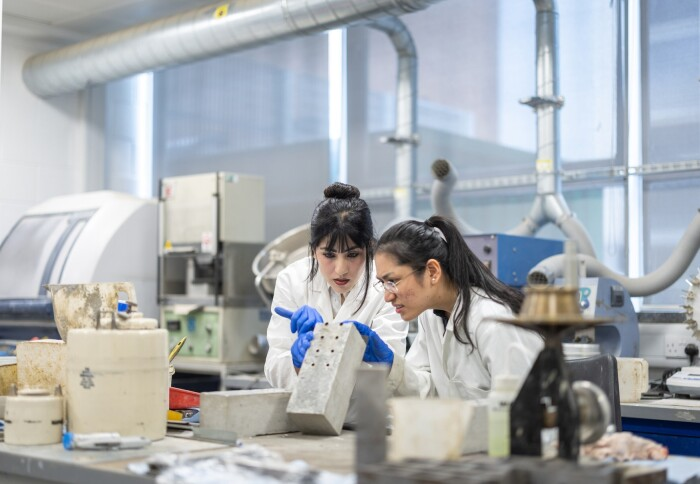
Biomedical Sciences increasingly intersect with technology, engineering and data-driven approaches to healthcare. This interdisciplinary connection allows scientific knowledge to be translated into new tools, technologies and approaches that can address real healthcare challenges.
At Imperial College London, this connection is reflected in technology-focused areas of study and research that explore how innovation can improve human health. Students can encounter disciplines including medical science, mathematics, computer programming, laboratory science and device prototyping, gaining insight into how different fields contribute to biomedical innovation.
Project-based learning can further develop the ability to apply scientific and technical knowledge to real-world problems. This can include designing, developing and testing solutions to biomedical challenges.
The combination of biomedical science, engineering and technology is particularly relevant to emerging areas such as personalised medicine, medical technology and healthcare innovation, where advances in one field can create new possibilities across the wider healthcare landscape.
11. Study in an Environment That Encourages Scientific Communication and Ethics
Being a biomedical scientist requires more than technical knowledge.
Researchers need to communicate scientific findings clearly, work effectively with others and understand the ethical responsibilities associated with scientific research.
At Imperial College London, these skills are integrated into the wider learning and research environment. Students can develop their ability to communicate scientific ideas, present research findings and approach biomedical questions with an awareness of professional and ethical considerations.
Key skills can include:
- Communicating scientific findings clearly
- Presenting scientific data
- Scientific and professional writing
- Grant writing
- Research collaboration
- Critical and scientific problem-solving
- Understanding research ethics
These capabilities are particularly valuable in biomedical research, where scientists often work across disciplines and need to communicate complex findings to researchers, healthcare professionals and wider audiences.
Developing both scientific expertise and the ability to communicate and apply it responsibly can therefore form an important part of studying Biomedical Sciences.
12. Benefit From Strong Student Experience and Academic Support
Academic quality is only one part of studying Biomedical Sciences. The quality of teaching, academic support and the overall learning environment can also shape how students experience their studies.
Imperial’s student experience is supported by strong feedback from students on relevant biomedical programmes. In the 2026 National Student Survey (NSS), the Medical Biosciences BSc achieved a top-ten position in six domains among Russell Group competitors and ranked first for Academic Support, with 96.2% of respondents reporting satisfaction. Teaching on the course recorded 92.4% satisfaction.
The programme also performed strongly in the 2025 NSS, ranking first against other London medical schools in all but one NSS theme.
These results provide student-reported insight into areas such as academic support, teaching and the learning experience, offering a perspective beyond university rankings and institutional reputation.
13. Study Biomedical Sciences in London
Location can add an important dimension to studying Biomedical Sciences. As a London-based university, Imperial College London operates within a major international ecosystem spanning research, healthcare, education and industry.
For biomedical sciences, this creates opportunities to learn within an environment connected to hospitals, healthcare organisations, research institutions and companies working across different areas of science and medicine. The proximity of these organisations can help connect academic learning with the wider applications of biomedical research.
Imperial also has a strongly international community, with students from more than 140 countries and connections with universities, knowledge organisations and industry around the world. For international students, this provides an opportunity to study Biomedical Sciences in an environment where scientific research and collaboration extend well beyond the university itself.
14. Choose From Undergraduate and Postgraduate Biomedical Science Courses
Imperial’s biomedical sciences offering extends beyond a single undergraduate degree.
At undergraduate level, the Medical Biosciences BSc is a three-year full-time programme beginning in October 2027. Students can also consider Medical Biosciences with Management BSc, a four-year programme delivered jointly by Imperial Business School and the School of Medicine.
At postgraduate level, students can explore specialisms across areas such as cancer biology, computational biomedicine, experimental neuroscience, genomic medicine, immunology, molecular medicine, neurotechnology and translational neuroscience.
This progression can be useful for students who want to develop from broad biomedical knowledge towards a more specialised area of research.
15. Prepare for Further Study and Biomedical Science Careers
Biomedical Sciences can provide a foundation for a wide range of scientific, healthcare and research-related pathways. The discipline develops transferable capabilities such as scientific reasoning, laboratory investigation, analytical thinking, research, communication and evidence-based problem-solving.
Depending on their interests, experience and further qualifications, students can explore pathways across areas such as:
- Biomedical research
- Pharmaceutical research
- Biotechnology
- Medical technology
- Laboratory science
- Genomic medicine
- Cancer research
- Neuroscience
- Immunology
- Molecular medicine
- Postgraduate research
- Academic and research careers
- Science communication
The interdisciplinary nature of Biomedical Sciences also allows students to develop interests in specific areas of medical and life sciences through research projects, specialist study and practical experience.
The course also provides opportunities to develop a deeper specialism through final-year optional modules and an independent research project.
An example of how study in Biomedical Sciences at Imperial College London can lead towards advanced research training is the opportunity for eligible Medical Biosciences BSc students to apply for an MRes scholarship.
The Medical Biosciences Master Scholarship supports eligible students who wish to continue into postgraduate study within Imperial’s Faculty of Medicine. This creates a potential pathway from undergraduate study in a biomedical sciences-related programme to more advanced research training and specialisation.
Biomedical Sciences at Imperial College London: What Makes the Experience Different?
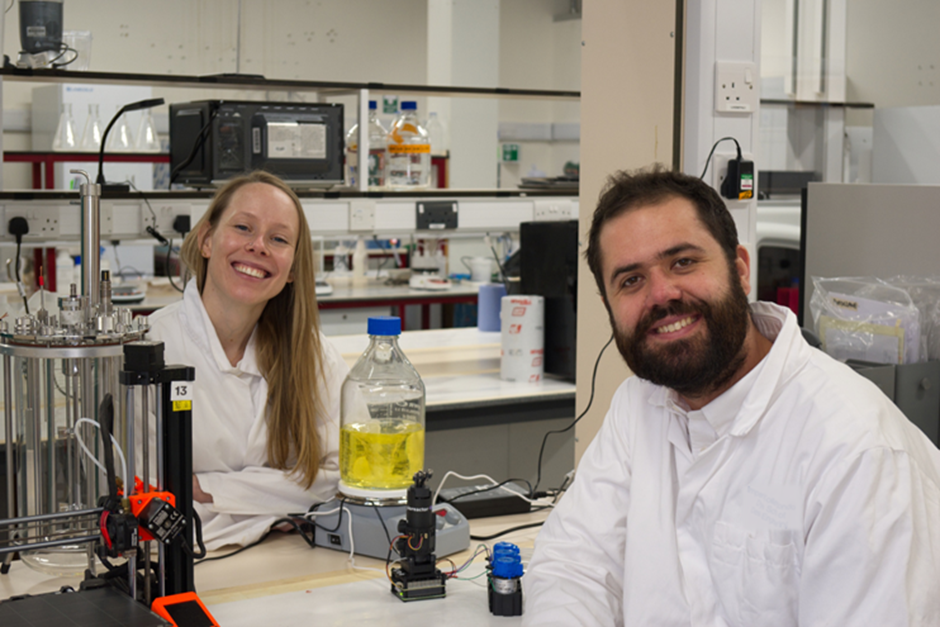
Taken together, the Imperial approach brings several elements into one academic environment:
- Research-intensive learning rather than theory alone
- Laboratory experience based around authentic research environments
- Human biology and disease as central areas of study
- Independent research during the final year
- Specialist biomedical science pathways at undergraduate and postgraduate level
- Clinical and healthcare connections
- Interdisciplinary collaboration across medicine, science and engineering
- Scientific communication and ethics
- Exposure to biomedical innovation and technology
- London-based access to a major healthcare and research ecosystem
This combination is particularly relevant for students who want to understand not only what happens in human disease, but also why it happens and how scientific research can contribute to better diagnosis, treatment and healthcare technologies.
Is Biomedical Sciences at Imperial College London a Good Choice for 2027?

For students considering biomedical sciences in 2027, Imperial offers a combination of internationally recognised academic standing, research strength, laboratory-focused education and links with healthcare.
At the institutional level, Imperial is 2nd in the world and 1st in the UK and Europe in the QS World University Rankings 2027, while its Biomedical Sciences subject ranking is 1st in The Times and Sunday Times Good University Guide 2027.
Its research environment adds another important dimension. Imperial reports the highest proportion of world-leading research of any UK university in the REF 2021, while its biomedical ecosystem spans medicine, bioengineering, neuroscience, immunology, cancer research and other life-science disciplines.
Furthermore, Imperial offers a range of scholarships and funding opportunities for eligible international students aspiring to pursue studies related to Biomedical Sciences, such as the Imperial Inspires Scholarships of £15,000 per year.
These scholarships can help reduce the financial burden of tuition and living costs, making an Imperial education more accessible to talented students from around the world.
Conclusion
Choosing Biomedical Sciences at Imperial College London in 2027 means choosing to study within an environment where scientific research, healthcare and innovation are closely connected. Imperial’s strength lies not in a single biomedical subject, but in the breadth of expertise and research opportunities across the discipline.
From cancer biology, immunology and neuroscience to genomic medicine, molecular medicine, bioengineering and biomedical technology, Imperial provides exposure to the diverse areas shaping the future of biomedical science. Its research-intensive culture, practical focus and links with healthcare partners can help students understand how scientific discoveries are developed, tested and translated towards real healthcare applications.
Imperial’s London location adds another dimension, placing its biomedical community within a major ecosystem of hospitals, research organisations, universities and healthcare networks. Combined with its international outlook and strong research reputation, this creates an academic setting in which students can engage with biomedical science as a constantly evolving field rather than as a collection of isolated subjects.
For 2027, the opportunity is particularly relevant for students who want to go beyond learning established scientific knowledge and explore how research can help solve human healthcare problems. Whether the interest is in understanding disease at a molecular level, investigating new therapeutic approaches, exploring biomedical technologies or pursuing research-led innovation, Imperial’s wider biomedical sciences environment offers multiple avenues for further development.
Ultimately, Biomedical Sciences at Imperial College London is about turning scientific understanding into possibilities for better healthcare. Its combination of specialist research, interdisciplinary expertise, practical investigation and healthcare connections makes it an environment where students can build the knowledge and perspective needed to explore the next generation of biomedical discoveries.
Ready to Explore Biomedical Sciences at Imperial College London?
Book a Free Counselling Session with ScholarshipKart. Get personalised guidance from experienced counsellors on course selection, applications, scholarships and UK student visa requirements for 2027 entry.
FAQs
1. Which is the No. 1 university for Biomedical Sciences in the UK in 2027?
According to The Times and Sunday Times Good University Guide 2027, Imperial College London is ranked No. 1 for Biomedical Sciences. This ranking reflects Imperial’s position among UK universities for the subject.
2. Why study Biomedical Sciences at Imperial College London?
Imperial offers a research-intensive environment where Biomedical Sciences connects with medicine, healthcare, technology and scientific research. Students can benefit from practical learning, research opportunities and Imperial’s connections across the healthcare and biomedical ecosystem.
3. Is Biomedical Sciences at Imperial suitable for international students?
Yes. Imperial has a highly international student community, with students from more than 140 countries. International students can study Biomedical Sciences within London’s globally connected environment for research, healthcare, education and innovation.
4. What can I study within Biomedical Sciences at Imperial?
Biomedical Sciences covers a broad range of areas, including molecular medicine, cancer biology, neuroscience, immunology, genomic medicine, stem cells and biomedical technology. The breadth of these areas allows students to explore different aspects of human health and disease.
5. Does Biomedical Sciences at Imperial include practical and laboratory learning?
Yes. Practical learning is an important part of biomedical sciences education, with opportunities to develop laboratory, research, analytical and scientific communication skills. Research-focused learning can help students connect scientific concepts with real biomedical questions.
6. What career opportunities are available after studying Biomedical Sciences?
Biomedical Sciences can provide a foundation for careers and further study in areas such as biomedical research, biotechnology, pharmaceutical research, medical technology, laboratory science and genomic medicine. Students may also progress to postgraduate research or further specialisation in medical and life sciences.
7. Can I pursue postgraduate research after studying Biomedical Sciences at Imperial?
Yes. Biomedical Sciences can provide a foundation for postgraduate study and advanced research training. For eligible Medical Biosciences BSc students, Imperial also offers an opportunity to apply for the Medical Biosciences Master Scholarship for continuation into postgraduate study within the Faculty of Medicine.
8. What makes Imperial’s Biomedical Sciences environment different for international students?
Imperial combines a London location with strong connections to healthcare organisations, hospitals, research institutions and industry. Its international community and global academic connections also give students opportunities to learn in a diverse and internationally connected scientific environment.