
The UK has long been recognised as one of the world’s leading destinations for creative education. From internationally acclaimed conservatoires to specialist performing arts colleges, the country offers exceptional opportunities for students who dream of building successful careers in music, drama, dance, filmmaking, and the wider creative industries.

Unlike traditional universities that provide education across multiple academic disciplines, specialist performing arts institutions focus almost entirely on nurturing artistic talent through practical training, professional mentorship, and real-world performance experiences.
Choosing the right institution is one of the most important decisions for aspiring performers. While university rankings offer valuable insights into student satisfaction and graduate outcomes, every conservatoire and performing arts college has its own teaching philosophy, industry connections, and creative environment.
Understanding these differences is essential before beginning the application journey.
Let’s explore the leading specialist arts, drama, and music institutions in the UK. Let’s understand how conservatoires differ from traditional universities, their advantages and challenges, the admissions process, and what students should consider before selecting the institution that best matches their ambitions.
What Are Conservatoires and Performing Arts Colleges in the UK?
Conservatoires and performing arts colleges are specialist higher education institutions dedicated to developing professional artists, performers, musicians, actors, dancers, and creative practitioners. Their teaching approach differs significantly from that of traditional universities because practical training forms the foundation of every programme.
Historically, the term “conservatoire” referred primarily to institutions specialising in music education. Its origins date back to the sixteenth century, when dedicated schools trained musicians and composers through intensive practical instruction.
Over time, conservatoires expanded their academic offerings beyond classical music. Today, many provide education across several performing arts disciplines, and some no longer include the word “conservatoire” in their official names.
Performing arts colleges and drama schools generally place greater emphasis on acting, contemporary music, dance, musical theatre, or technical production. Although every institution has its own academic strengths, they all share a common objective of transforming creative passion into professional expertise through immersive, practice-based learning.
Students enrolled at these institutions typically follow demanding schedules. Daily classes often run from morning until late afternoon, while rehearsals, workshops, performances, and productions frequently continue during evenings and weekends. Alongside formal teaching, students are expected to dedicate substantial independent time to practising and refining their craft.
This intensive learning environment closely mirrors professional creative industries, preparing graduates for careers that demand technical excellence, discipline, resilience, and artistic confidence.
How Are Specialist Performing Arts Institutions Different from Traditional Universities?
Although both conservatoires and universities award recognised higher education qualifications, their educational priorities differ considerably.
Traditional UK universities usually offer students a broader academic experience by combining lectures, seminars, research, and independent study across numerous subject areas. Students often benefit from wider elective choices, larger student communities, diverse extracurricular activities, and greater flexibility if they decide to change academic direction during their studies.
Specialist performing arts institutions, on the other hand, are designed specifically for students who already know they want to pursue careers within the creative industries. Their curriculum revolves around practical performance, creative development, collaborative projects, and professional preparation rather than broad academic exploration.
Instead of primarily learning through lectures, students spend much of their time performing, rehearsing, composing, producing, creating, or participating in workshops that simulate real industry environments. Continuous practical assessment helps students refine both their technical abilities and artistic identity throughout their course.
These institutions also recreate professional working conditions by encouraging teamwork, regular public performances, production work, and creative collaboration. This approach enables students to develop industry-ready skills long before graduation.
Why Choose a Conservatoire or Performing Arts College?
For students who are passionate about music, acting, dance, or performance, specialist institutions offer several distinct advantages that can significantly shape their professional development.
One of the greatest strengths of conservatoires is their commitment to creative education. Rather than following a one-size-fits-all curriculum, many programmes encourage students to develop their individual artistic voice. Training is designed to nurture creativity while allowing learners to refine their unique talents according to their interests and career aspirations.
Professional expertise is another defining characteristic of these institutions. Teaching staff are frequently experienced industry practitioners who continue to work professionally alongside their academic responsibilities. Their practical knowledge allows students to gain valuable insights into current industry expectations, professional standards, and career pathways.
The facilities available at specialist institutions also contribute substantially to the learning experience. Students often train using professional-standard resources, including grand pianos, recording studios, soundproof rehearsal rooms, theatres, performance venues seating more than one hundred audience members, production spaces, and specialist technical equipment. Regular access to such facilities helps students become comfortable working within professional creative environments.
Equally valuable are the professional networks students begin building throughout their studies. Conservatoires frequently collaborate with industry organisations, performers, production companies, orchestras, and creative professionals.
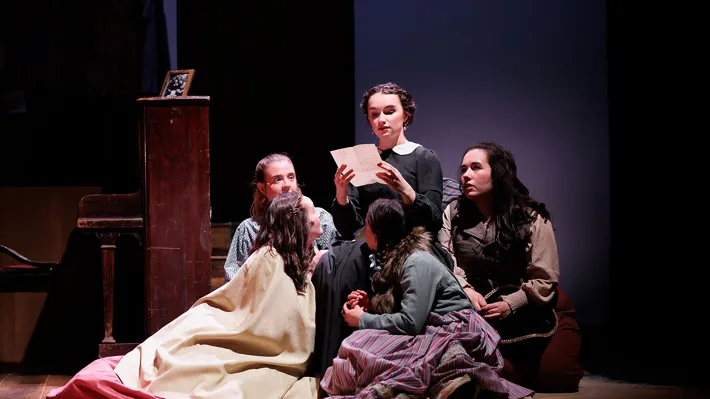
These connections provide students with opportunities to learn directly from experienced practitioners while expanding their professional contacts before entering the job market.
Perhaps most importantly, students study alongside equally committed performers who share similar ambitions. This collaborative environment encourages continuous artistic growth, mutual inspiration, and professional development.
Is a Conservatoire Always the Best Choice?
Although specialist performing arts institutions offer exceptional opportunities, they are not necessarily the ideal option for every student.
Their greatest strength, their specialised focus, can also become a limitation for individuals with broader academic interests. Students wishing to explore multiple disciplines alongside their creative education may find fewer opportunities to diversify their studies compared with larger universities.
Career flexibility is another consideration. Since conservatoires concentrate heavily on performing arts education, graduates who later decide to pursue entirely different professions may need additional qualifications or further academic study.
Competition for admission also remains extremely high. Places are limited, and applicants compete against many talented performers from across the UK and around the world. Academic achievements alone are rarely sufficient, as auditions, interviews, portfolios, or recorded performances play a central role in the selection process.
The workload is equally demanding. Beyond academic requirements, students must continually rehearse, practise, perform, and participate in workshops. Maintaining this level of commitment can sometimes contribute to physical strain, repetitive injuries, performance anxiety, or burnout if students struggle to balance their responsibilities.
Cost may also influence decision-making, particularly for postgraduate and international students. While undergraduate tuition fees may be capped for eligible UK residents, specialist education can be more expensive for students outside these funding arrangements.
For individuals who wish to keep multiple career options open or enjoy a wider university experience with varied extracurricular activities, a traditional university may offer greater flexibility while still providing opportunities to study performing arts.
How to Choose the Best Performing Arts Institution in the UK for 2027
Choosing the right performing arts institution is one of the most important decisions for aspiring musicians, actors, dancers, and creative professionals. Unlike traditional universities that offer a wide variety of academic subjects, conservatoires and specialist performing arts colleges are designed to provide intensive training in specific creative disciplines.
Finding the institution that best aligns with your artistic goals, preferred learning style, and long-term career ambitions can significantly shape your educational experience and future success.
Before applying, consider the area of performing arts you want to specialise in. Some institutions have long-standing traditions in classical music, while others are recognised for their strengths in acting, musical theatre, dance, contemporary music, filmmaking, or production arts.
Identifying your preferred discipline will help narrow your choices and ensure that the curriculum matches your career aspirations.
It is equally important to understand each institution’s teaching approach. Conservatoires are known for practical, performance-based education that places students in rehearsal rooms, studios, theatres, and performance venues rather than traditional lecture halls.
Daily schedules often involve classes throughout the day, followed by rehearsals, workshops, or performances during evenings and weekends. Students should be prepared for an intensive learning environment that requires regular practice and continuous artistic development.
The facilities available at an institution can also influence your overall learning experience. Many specialist colleges provide access to professional-standard resources such as recording studios, soundproof practice rooms, theatres, performance venues, grand pianos, and dedicated rehearsal spaces.
Training with industry-standard equipment helps students gain practical experience while becoming familiar with professional creative environments before entering the workforce.
Another important consideration is the opportunity to learn from experienced industry professionals. Many conservatoires employ practising musicians, actors, directors, producers, and creative specialists who bring current industry knowledge into the classroom.
Their expertise allows students to develop practical skills while gaining valuable insights into professional expectations and creative careers.
Students should also explore the professional networks and industry collaborations offered by each institution. Connections with performing arts organisations, production companies, orchestras, and creative partners can provide valuable opportunities for performances, workshops, collaborations, and professional development throughout the course.
While specialist institutions offer exceptional creative training, they are best suited to students who are confident about pursuing careers in the performing arts. Their highly focused curriculum leaves less room to explore unrelated academic subjects or alternative career pathways.
Students with broader academic interests may prefer the wider flexibility offered by traditional universities, where changing courses or combining different disciplines is often easier.
Finally, whenever possible, visit the institution before making your decision. Experiencing the campus, exploring the performance spaces, observing the learning environment, and gaining a sense of the creative community can help you determine whether it feels like the right place to develop your talent.
Every conservatoire and performing arts college has its own culture and atmosphere, and finding one where you feel inspired, supported, and challenged is just as important as its reputation.
Ultimately, the best performing arts institution is not simply the one with the strongest reputation but the one that complements your artistic vision, supports your creative growth, and provides the training and opportunities needed to achieve your professional ambitions.
A thoughtful and well-informed choice will help you build a strong foundation for a successful career in the creative industries.
Ready to turn your passion for music, acting, dance, or theatre into an international career? ScholarshipKart helps you compare UK performing arts institutions, identify the right course, understand admission requirements, and explore scholarship opportunities. Book a free consultation with our expert counsellors today and take the first step towards studying at your ideal UK institution.
Leading Specialist Performing Arts Institutions in the UK for 2027
The UK’s specialist performing arts sector includes institutions that have shaped generations of successful artists, musicians, actors, filmmakers, and creative professionals. Each offers a distinctive educational experience while sharing a commitment to intensive practical training and artistic excellence.

BIMM University: Industry-Focused Creative Education
BIMM University has established itself as one of the UK’s leading specialist providers of creative arts education. Its programmes span music, performing arts, filmmaking, and creative technology, allowing students to develop practical skills that closely align with modern creative industries.
The university maintains partnerships with globally recognised organisations, including Sony Music and Spotify, providing students with opportunities to build professional knowledge alongside valuable industry networks. These collaborations help bridge the gap between higher education and professional employment by exposing students to current industry practices.
The success of BIMM University’s educational approach is reflected in its accomplished alumni, including George Ezra, Tom Odell, and Ella Mai, who have each achieved international recognition within the music industry.
Guildhall School of Music & Drama: Professional Excellence in London’s Cultural Centre
Situated within London’s Barbican, the Guildhall School of Music & Drama has earned an international reputation for preparing musicians, actors, and production artists through intensive conservatoire training.
Its close working relationships with leading artistic organisations, including the London Symphony Orchestra, allow students to learn within an environment deeply connected to professional performance. This collaborative approach helps students experience industry expectations while still completing their education.
Guildhall’s distinguished alumni include Michaela Coel, whose success demonstrates the institution’s longstanding commitment to nurturing creative excellence across multiple performing arts disciplines.
Institute of Contemporary Music Performance (ICMP): Shaping Modern Music Careers
The Institute of Contemporary Music Performance focuses specifically on contemporary music education, offering programmes in performance, songwriting, music production, and music business.
Its relatively small class sizes enable personalised teaching and greater interaction between students and instructors. Individual tuition further supports artistic development, allowing students to refine their technical abilities while building confidence in their creative identity.
Strong industry connections complement this personalised educational model, helping students prepare for careers within today’s rapidly evolving music industry.
LAMDA: One of the UK’s Most Historic Drama Schools
The London Academy of Music & Dramatic Art, widely known as LAMDA, is recognised as the UK’s oldest drama school. For generations, it has specialised in conservatoire-level education across acting, directing, and production arts.
Its West London campus includes professional theatres and purpose-built studios that provide students with authentic performance environments throughout their training.
Learning takes place through continuous practical experience, allowing students to strengthen both technical performance skills and creative interpretation.
The institution’s alumni include internationally recognised actors such as Benedict Cumberbatch and David Oyelowo, reflecting its long-standing contribution to professional theatre and screen performance.
Leeds Conservatoire: Multidisciplinary Creative Training
Leeds Conservatoire has developed into the UK’s largest multidisciplinary conservatoire, offering programmes across classical music, jazz, popular music, acting, and musical theatre.
Located within Leeds’ vibrant cultural quarter, the conservatoire combines practical education with strong industry engagement. Its partnership with organisations such as Opera North enhances students’ exposure to professional performance while supporting valuable collaborative experiences.
Leeds Conservatoire also became the first conservatoire in the UK to remove audition fees, making specialist arts education more accessible to aspiring performers during the admissions process.
Liverpool Institute for Performing Arts (LIPA): Collaboration Across Creative Disciplines
Founded by Sir Paul McCartney, the Liverpool Institute for Performing Arts offers degrees spanning acting, dance, music, filmmaking, and technical arts.
Students representing more than forty countries study together within a collaborative creative environment where interdisciplinary projects reflect the realities of today’s entertainment and creative industries.
This emphasis on teamwork allows performers, filmmakers, technicians, and designers to gain experience working alongside professionals from complementary artistic disciplines.
By encouraging collaboration throughout students’ education, LIPA prepares graduates for careers within an increasingly interconnected global creative sector.
Rose Bruford College
Rose Bruford College specialises in professional education across acting, stage management, theatre design, and technical theatre. Alongside undergraduate programmes, it also offers foundation and postgraduate courses that support students at different stages of their creative journey.
Located on the outskirts of London, the college places strong emphasis on practical learning and production-based training. Its alumni include acclaimed actor Gary Oldman, highlighting its long-standing contribution to theatre and screen performance.
Royal Academy of Dramatic Art (RADA)
Since its establishment in 1904, the Royal Academy of Dramatic Art has provided vocational education for actors, theatre designers, and technical specialists. Its programmes focus on developing practical skills required for professional careers within theatre, television, and film.
Based in central London, RADA combines rigorous conservatoire training with regular opportunities for performance and production work. Its graduates include award-winning performers such as Cynthia Erivo and Taron Egerton, whose careers reflect the institution’s enduring reputation for artistic excellence.
Royal Academy of Music
Founded in 1822, the Royal Academy of Music is the UK’s oldest conservatoire dedicated to music education. It offers undergraduate and postgraduate programmes covering a wide range of musical disciplines, enabling students to specialise according to their interests and career goals.
Located near Regent’s Park in London, the academy provides world-class facilities that support performance, composition, and advanced musical study. Students benefit from extensive opportunities to develop their skills within professional-standard learning environments.
Royal Central School of Speech and Drama
The Royal Central School of Speech and Drama, a part of the University of London, is widely recognised for its practical and collaborative approach to performing arts education. Its programmes span acting, musical theatre, writing, design, and production, allowing students to explore different aspects of the creative process while developing specialist expertise in their chosen field.
The institution places strong emphasis on creative collaboration, encouraging students from different disciplines to work together on productions and practical projects. This interdisciplinary approach reflects the realities of the performing arts industry, where actors, writers, designers, directors, and production teams work collectively to bring performances to life.
Through hands-on learning and continuous creative practice, students graduate with both technical competence and valuable collaborative experience.
Royal College of Music
Situated in Kensington, the Royal College of Music is internationally recognised as one of the world’s leading conservatoires for music education. The institution offers programmes in musical performance, composition, and conducting, providing students with specialist training supported by experienced professionals and outstanding facilities.
A defining feature of the Royal College of Music is the regular opportunity for students to perform in professional settings. Frequent performances allow aspiring musicians to build confidence, refine their stage presence, and gain practical experience before beginning their professional careers.
This combination of intensive musical training and real-world performance opportunities prepares graduates for the demands of the global music industry.
Royal Conservatoire of Scotland
As Scotland’s national conservatoire, the Royal Conservatoire of Scotland delivers specialist education across music, drama, dance, film, and production. Located in Glasgow, the institution provides an environment where creativity, innovation, and collaboration form the foundation of student learning.
Students are encouraged to work across disciplines, developing an appreciation for the collaborative nature of the creative industries. Whether studying music, acting, dance, filmmaking, or production, learners benefit from opportunities to collaborate on practical projects that mirror professional artistic practice.
Among its successful alumni is actor Ncuti Gatwa, reflecting the conservatoire’s contribution to nurturing internationally recognised creative talent.
Royal Northern College of Music
Based in Manchester, the Royal Northern College of Music specialises in both classical and contemporary music education. Its programmes are designed to develop technical excellence while preparing students for the evolving demands of the professional music industry.
Students regularly perform in the institution’s purpose-built venues, enabling them to gain valuable stage experience throughout their studies. Manchester’s vibrant music and arts scene further enhances the learning experience by exposing students to a dynamic creative environment where professional performances and artistic collaborations are part of everyday life.
Trinity Laban Conservatoire of Music and Dance
Trinity Laban combines specialist education in contemporary dance, dance science, and music, making it one of the UK’s distinctive multidisciplinary conservatoires.
Its London campuses feature purpose-built studios, rehearsal spaces, and theatres that support practical learning across multiple performing arts disciplines.
Collaboration remains central to Trinity Laban’s educational philosophy. Musicians, composers, dancers, and choreographers regularly work together, enabling students to understand how different creative disciplines intersect within professional performance.
This collaborative training helps graduates develop both artistic versatility and practical industry experience.
How to Apply to UK Conservatoires Through UCAS Conservatoires
Applying to a specialist performing arts institution differs slightly from applying to a traditional university. Many conservatoires participate in UCAS Conservatoires, a dedicated admissions service designed specifically for undergraduate, postgraduate, and other programmes in music, dance, drama, screen, and production.
Students begin by registering their details through the UCAS Hub before creating a single application that can be submitted to as many as six participating conservatoires. This streamlined process allows applicants to explore multiple specialist institutions while managing their applications through one platform.
It is important to note that students can also submit separate applications through UCAS Undergraduate to universities offering performing arts-related degrees. However, applicants can ultimately accept a place through only one admissions route.
Those who receive offers through both systems must decide which institution and application scheme best aligns with their academic and career goals.
Although UCAS Conservatoires simplifies the application process, individual institutions may have additional entry requirements depending on the course.
Applicants are commonly required to attend an audition, participate in an interview, submit a portfolio, or provide a recorded performance that demonstrates their creative abilities and potential.
Understanding UCAS Conservatoires Application Decisions
After submitting an application, conservatoires communicate decisions through UCAS Conservatoires using several response categories. Applicants invited to demonstrate their skills receive an audition pending notification before progressing through the admissions process.

Successful applicants may receive either an unconditional offer, confirming that all entry requirements have already been met, or a conditional offer that depends on achieving specific academic or other admission requirements.
Some applicants may be placed on a reserve list, where they remain eligible for a place should vacancies become available.
Applicants who are unsuccessful will receive confirmation of that outcome through UCAS, while those who decide not to continue with a particular application can formally withdraw it. Regardless of the decision, official offers are only confirmed once applicants receive notification directly from UCAS.
Since application deadlines and reply dates vary depending on the course and conservatoire, prospective students should carefully monitor the admissions timeline and ensure that all required materials, including auditions and supporting documents, are submitted within the specified deadlines.
Conclusion
Choosing to study at a specialist arts, drama, or music institution in the UK is an exciting step towards building a professional career in the creative industries.
Conservatoires and performing arts colleges offer an immersive educational experience that combines intensive practical training, expert guidance from industry professionals, access to professional-standard facilities, and valuable opportunities to perform, collaborate, and develop artistic confidence.
However, selecting the right institution requires thoughtful consideration. Every conservatoire has its own strengths, teaching approach, and creative environment, making it essential to choose one that aligns with your artistic interests, learning preferences, and long-term career aspirations.
Taking the time to research programmes, understand the admissions process, prepare thoroughly for auditions or portfolios, and experience the institution firsthand can make a significant difference in finding the right fit.
Whether your ambition is to become a musician, actor, dancer, composer, filmmaker, or production specialist, the UK’s specialist performing arts institutions provide an inspiring environment where talent can flourish.
With dedication, consistent practice, and the right training, students can develop the skills, confidence, and professional experience needed to pursue rewarding careers in the ever-evolving world of the performing arts.
Choosing the right performing arts institution is a major decision, but you don’t have to make it alone. From selecting the best conservatoire or arts college to preparing your application, visa, and scholarship documents, ScholarshipKart provides end-to-end guidance. Connect with our experts today and begin your journey to studying performing arts in the UK with confidence.
A conservatoire is a specialist higher education institution focused on practical training in areas such as music, acting, dance, drama, and other performing arts.
Some leading specialist institutions include Guildhall School of Music & Drama, LAMDA, Leeds Conservatoire, LIPA, RADA, Royal Academy of Music, Royal College of Music, Royal Conservatoire of Scotland, Royal Northern College of Music, and Trinity Laban.
It depends on your goals. Conservatoires are ideal for students seeking intensive, practical performing arts training, while traditional universities generally offer broader academic flexibility and opportunities to study different disciplines.
Students can study disciplines including music, acting, drama, dance, musical theatre, filmmaking, songwriting, music production, theatre design, and technical production.
Many conservatoire programmes require an audition, interview, portfolio, or recorded performance as part of the admissions process. Requirements vary by institution and course.
Many specialist institutions accept applications through UCAS Conservatoires. Applicants can create an application through the UCAS Hub and apply to participating conservatoires through the dedicated admissions system.