
Moving to the UK to study is an exciting milestone. You get to experience a new culture, meet people from around the world, explore different cities and take an important step towards your future career.
But let’s be honest: moving to a new country also comes with a few worries. You might wonder whether your accommodation is secure, how safe it is to travel at night or what you should do if something goes wrong.
If you’re an international student, especially if you’re moving away from home for the first time, these concerns are completely understandable. Everything from using public transport to opening a bank account can feel unfamiliar during those first few weeks.
The reassuring part is that the UK has established emergency services, public healthcare facilities and university support systems to help students settle in. Many universities also have dedicated international student teams, campus security services and wellbeing advisers who can guide you when you need assistance.
Of course, no country is completely free from risk. The key is knowing how to protect yourself, recognise potential problems and make sensible decisions without missing out on the experience you came here for.
Planning to study in the UK? Let ScholarshipKart help you get started. From choosing the right university and course to personalised counselling, university admissions, scholarships and visa guidance, our experts can support you at every step of your study-abroad journey. Make your journey smoother by choosing the right student accommodation and learning how to stay safe in your new surroundings.
So, how can you stay safe in the UK as an international student? Here are 10 practical tips to help you feel more confident, protect your belongings and make the most of your student life.
10 Smart Ways to Stay Safe in the UK as an International Student

1. Get to Know Your Surroundings and Stay Alert
When you first arrive in the UK, you’ll probably be busy unpacking, attending university inductions and getting to know your classmates. Amid all the excitement, take a little time to familiarise yourself with your new neighbourhood.
Start by exploring the area around your accommodation during daylight. Find the nearest supermarket, pharmacy, bus stop and healthcare facility. It’s also worth identifying the routes you’ll regularly use to travel between your accommodation and campus.
When heading out after dark, stick to familiar, well-lit streets and avoid taking shortcuts through isolated areas. Keep the volume of your headphones low enough to hear what’s happening around you, and avoid displaying your phone or other expensive belongings unnecessarily in crowded places.
It’s a good idea to save your university security number and the local police non-emergency number, 101, in your contacts. You may never need them, but having them ready can be reassuring.
Most importantly, trust your instincts. If a situation or location makes you uncomfortable, move somewhere safer or contact someone you trust. Staying alert doesn’t mean being afraid of everything; it simply means giving yourself the confidence to handle unfamiliar situations.
2. Travel Safely, Especially After Dark
Getting around is a big part of university life. Whether you’re travelling to lectures, meeting friends in the city centre or returning from a late-night event, knowing your transport options can make everyday journeys much easier.
The UK has extensive public transport networks, including buses, trains and, in London, the Underground. Before leaving, check your route and the time of your last available service. If you’re planning a late evening out, decide how you’ll get home before you leave.
Need a taxi? Book a licensed minicab through a reputable operator or verified ride-hailing app. In London, black cabs can be hailed on the street, while private-hire vehicles generally need to be booked in advance. Avoid getting into unmarked vehicles or accepting unsolicited lifts from strangers.
Before entering a booked car, check that the vehicle and driver details match your booking. If you’re travelling alone, consider sharing your journey details with a friend.
And if you’re going out with classmates, make a simple plan for getting everyone home safely. It might seem like a small thing, but knowing your options in advance can save you from unnecessary stress when you’re tired or unfamiliar with the area.
3. Choose Secure Student Accommodation

Your accommodation should be somewhere you can relax, study and feel comfortable. Whether you’re considering university halls, purpose-built student accommodation or a private shared house, it’s worth checking the security arrangements before signing a contract.
Look for practical features such as secure entry systems, well-lit entrances, CCTV in appropriate communal areas and accessible staff or maintenance support. Ask the accommodation provider who to contact if you lose your keys, notice a security problem or need help outside normal office hours.
Once you move in, get into the habit of locking doors and windows when appropriate. Don’t leave your laptop, phone or valuables where they can easily be seen from outside, and avoid letting unfamiliar visitors follow you through a secure entrance without checking whether they’re authorised.
Sharing a house? Agree on basic security rules with your housemates, including locking the front door and checking who is expected to visit. If you’re responsible for the smoke alarms, test them monthly and familiarise yourself with the building’s fire evacuation procedure.
Private rentals require a little extra care. Arrange an in-person viewing or a reliable virtual viewing, verify the landlord or letting agent, and understand the tenancy agreement before making payments. Never rush into transferring a deposit simply because someone claims another student is ready to take the property.
A secure, well-managed place to live can make settling into life in the UK considerably more comfortable.
4. Recognise Scams and Protect Your Money
Scams are worth taking seriously, particularly when you’re new to the UK and still learning how local banking, rental and immigration processes work.
You might receive an unexpected phone call claiming to be from the Home Office, HM Revenue and Customs (HMRC), the police or even your university. The caller may sound convincing and insist that you must pay a fee immediately to avoid arrest, a fine or problems with your visa.
Pause before doing anything. Unexpected demands for urgent transfers, gift cards, passwords or one-time passcodes are major warning signs. End the conversation and contact the organisation through its official website or verified contact details if you need to check whether the request is genuine.
Rental scams are another risk for students. Be cautious of properties advertised at unusually low prices, landlords who refuse reasonable viewing arrangements or anyone who pressures you to pay before you have verified the property. Where applicable, check that your tenancy deposit will be protected through an authorised scheme, such as the Deposit Protection Service (DPS) or MyDeposits.
Looking for a part-time job? Be wary of opportunities that require unexplained upfront payments for training or ask for sensitive banking information before you have established that the employer is legitimate.
Opening a UK bank account, if you’re eligible, can make managing everyday expenses easier. Use banking alerts where available, monitor your transactions and avoid carrying large amounts of cash.
Remember, you don’t have to respond to a financial demand immediately. Taking a few minutes to verify it could save you money and a great deal of worry.
5. Protect Your Digital Life and Personal Information
Your phone and laptop will probably be two of your most-used possessions in the UK. You’ll rely on them for university work, banking, accommodation searches, communication and staying connected with family back home. That makes digital safety just as important as physical security.
Start with the basics: use strong, unique passwords and enable two-factor authentication on important accounts wherever possible. If you use public Wi-Fi in cafés, libraries or transport hubs, be cautious about accessing sensitive accounts. For banking or other confidential activities, use a trusted connection or your university’s recommended VPN when appropriate.
Be particularly careful with emails and text messages that claim to come from your university, bank or immigration authorities. Unexpected links, suspicious attachments and urgent requests for personal details should make you stop and check. Your university should not ask you to disclose your password by email.
Think about what you share on social media, too. Posting your accommodation address, live location or travel plans publicly can reveal more about your routine than you intend. Review your privacy settings and limit access to personal information.
It’s also sensible to back up your coursework and important files to a secure, separate location. Keep a record of valuable electronics, including serial numbers and photographs, and consider registering eligible devices through Immobilise.
Buying or selling items online? Arrange exchanges in public places and use secure payment methods. A little caution can help you enjoy the convenience of online services without exposing yourself to avoidable risks.
6. Look After Your Physical and Mental Health
Staying safe isn’t only about avoiding theft or recognising scams. Your health and wellbeing matter just as much, particularly when you’re adjusting to a different country, climate and academic environment.
One of the first things to do after arriving is register with a local general practitioner (GP). Ideally, arrange this within your first few weeks rather than waiting until you feel unwell. Having a GP in place makes it easier to seek routine medical advice when you need it.
Eligible international students can generally access NHS services during their studies, subject to the applicable rules and charges. If you need medical advice in England but it isn’t an emergency, NHS 111 can help you understand what to do next. For a life-threatening emergency, call 999.
Healthcare arrangements differ across England, Scotland, Wales and Northern Ireland, so check the guidance that applies where you live. Some services, including certain prescriptions and dental treatments, may involve charges depending on your circumstances.
It’s also worth checking your vaccination history and asking your healthcare provider whether any vaccinations are recommended.
Then there’s mental health, which can sometimes take a back seat when you’re busy with assignments and making new friends. Feeling homesick, lonely or overwhelmed is not unusual when you move abroad. You don’t have to pretend everything is fine just because studying overseas is an exciting opportunity.
Many universities offer counselling, wellbeing advisers, peer-support groups and other forms of student support. Staying in touch with loved ones, building a routine and finding activities you enjoy can also make a difference.
If you’re struggling, reach out early. Asking for help is a positive step towards feeling settled and making your time in the UK a healthier experience.
7. Enjoy Nights Out Without Taking Unnecessary Risks
Freshers’ events, student parties and evenings with friends can become some of your favourite university memories. You don’t need to avoid socialising to stay safe; a few sensible habits can help you enjoy yourself with greater peace of mind.
Whenever possible, go out with friends you trust and agree on how you’ll return home. Keep your phone charged, check your transport options and let someone know if your plans change. If a friend becomes unwell or seems unusually confused, stay with them and get help rather than leaving them to travel home alone.
If you drink alcohol, know your limits and never feel pressured to drink more than you want. Watch your drink being prepared, keep it with you and avoid leaving it unattended. If you suspect drink spiking or suddenly feel unwell, tell a trusted friend or venue staff. Call 999 if you or someone else is in immediate danger or experiencing a serious medical emergency.
You should also feel comfortable saying no. Whether someone is pressuring you to drink, go somewhere else or take part in an activity you dislike, you have every right to make your own decision.
Keep an eye on your spending, too. Banking alerts and contactless payment limits, where available, can help you monitor transactions. Carry only the cash you need and keep a backup payment option secure.
A good night out should leave you with happy memories, not worries about how you’ll get home or whether your friends are safe.
8. Keep Your Passport, Visa and Important Documents Safe
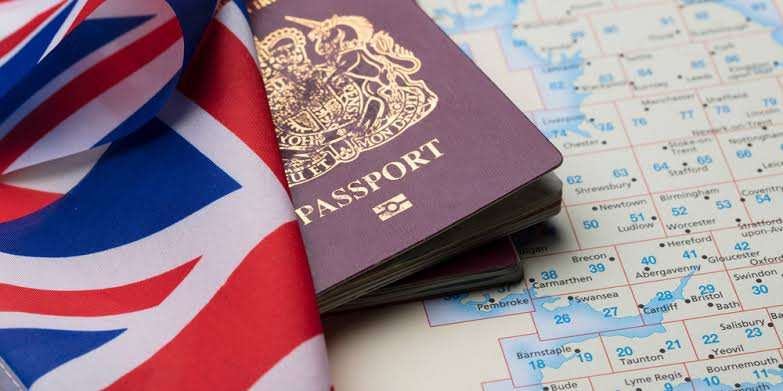
Your passport and immigration documents are essential when studying abroad, so it’s worth taking a few precautions to keep them secure.
Store your passport and other original documents in a safe place in your accommodation. You generally don’t need to carry your passport everywhere unless it’s required for a particular purpose. Instead, keep secure digital copies of relevant documents, such as your passport identification page, visa records, university correspondence and tenancy agreement.
Make sure your digital copies are stored in a protected account. Avoid sharing sensitive documents with people whose identities you haven’t verified or uploading them to unfamiliar websites.
If your passport is lost or stolen, contact your country’s embassy or consulate for advice on obtaining a replacement. If you believe it was stolen, report the incident to the appropriate authorities and keep any police reference number you receive. Follow official guidance if your immigration documents or status also need attention.
It’s equally important to understand the conditions attached to your Student visa, including any applicable restrictions on working. If you’re uncertain about a visa-related request or requirement, contact your university’s international student advice team or consult official UK government guidance.
Keeping your documents organised might not be the most exciting part of preparing for university, but it can save you considerable time and stress if something unexpected happens.
9. Know Who to Contact in an Emergency
Hopefully, you’ll never need emergency services during your studies. Still, knowing what to do before an emergency happens can help you respond more calmly if you ever need assistance.
Save these important numbers in your phone:
- 999: For emergencies requiring the police, ambulance or fire and rescue service.
- 112: An alternative emergency number available in the UK.
- 101: For non-emergency police matters, such as reporting a theft that has already happened.
- 111: For non-emergency healthcare advice in England.
If you call 999, explain which service you need and describe the situation as clearly as you can. For non-emergency medical concerns, NHS 111 can help you identify an appropriate next step in England.
Your university is another important source of support. Find out whether your campus has a security hotline, an emergency contact number, a safety app or a security escort service. These arrangements vary between institutions, so check what is actually available rather than assuming every campus offers the same facilities.
When you arrive, take a few minutes to read the fire safety notices in your accommodation. Know the evacuation routes, identify the assembly point and understand how to report a fault or security concern.
If you experience harassment, discrimination or an uncomfortable interaction on campus, you can also speak to the relevant university support team. Your personal tutor, international student office or student welfare service may be able to explain your options.
Being prepared doesn’t mean expecting something bad to happen. It simply means knowing where to turn if you need help.
10. Build a Support Network and Choose Your City Carefully

Moving abroad can feel much easier when you have people around you who understand what you’re going through. Even if you’re naturally independent, having a few trusted contacts can make a real difference during your first weeks in the UK.
Start by attending welcome-week events and joining societies that interest you. International student groups, cultural societies, sports clubs and language exchange activities are all useful ways to meet people and become part of the university community.
If you’re an Indian student, connecting with other Indian students may help you navigate practical questions about food, accommodation and everyday life. At the same time, getting to know people from different backgrounds can make your university experience even more rewarding.
Choosing the right city is another important part of feeling comfortable. Manchester, Liverpool, Glasgow and Preston are popular student destinations, while London attracts students from across the world with its many universities and extensive transport network.
However, it’s important not to assume that any city is completely safe simply because it has a large student population. Safety can vary between neighbourhoods, and your experience will depend partly on where you live, how you travel and the precautions you take.
Before choosing your university, research the local area, check transport connections and ask about campus security and student welfare services. When comparing accommodation, consider secure entry, lighting, access to staff and the distance to your university. If you prefer single-sex accommodation, ask about the available options before booking.
Finally, keep in touch with a trusted friend or family member, particularly while you’re getting used to your new surroundings. You don’t need to report every move, but having someone you can call when you need advice or reassurance can help you feel more at home.
Conclusion

Studying in the UK is about much more than earning a degree. It’s an opportunity to become more independent, discover new interests, build meaningful friendships and experience life in a different part of the world.
It’s completely natural to have questions about personal safety when you’re moving somewhere unfamiliar. The good news is that you don’t need to have everything figured out before you arrive.
Start with the basics: choose your accommodation carefully, plan your journeys, protect your personal information and learn how to recognise common scams. Register with a GP, save emergency contacts and find out how your university can support you. Just as importantly, give yourself time to build friendships and become familiar with your surroundings.
Remember that staying safe doesn’t mean avoiding new experiences or worrying about every possible risk. It means making informed choices, recognising when something doesn’t feel right and knowing where to seek help.
Your university, local services and student community can all play a part in helping you settle in. Use the support available to you, ask questions whenever you’re unsure and don’t hesitate to reach out when you need assistance.
With a little preparation and a sensible approach to personal safety, you can spend less time worrying about the unfamiliar and more time enjoying everything your UK student journey has to offer.
Ready to begin your UK student journey with confidence? Book a Free Consultation with ScholarshipKart for expert counselling, admission assistance, scholarship guidance and visa support. Learn how to protect yourself, avoid common scams, travel safely and make informed decisions in your new surroundings.
FAQs
1. Is the UK safe for international students?
Yes, the UK offers established public services, emergency assistance and university support systems that help international students settle in safely. However, like any country, it has risks, so staying aware of your surroundings and following basic safety precautions is important.
2. Which UK cities are safe for international students?
Cities such as Manchester, Liverpool, Glasgow and Preston are popular with international students because of their established student communities and transport links. Before choosing a city, research specific neighbourhoods, local crime information, accommodation security and transport options.
3. How can international students stay safe when travelling at night in the UK?
Use well-lit, familiar routes, plan your journey home in advance and choose licensed taxis or verified ride-hailing services. When possible, travel with friends, keep your phone accessible and share your journey details with someone you trust.
4. What should I do if I face an emergency in the UK?
Call 999 or 112 if you need emergency police, ambulance or fire services, and dial 101 for non-emergency police assistance. You can also contact your university’s security team or student support office for guidance, depending on the situation.
5. Is student accommodation in the UK safe for international students?
University halls and purpose-built student accommodation may offer security features such as controlled entry, CCTV in communal areas and on-site support staff. Before booking, check the property’s security arrangements, visitor policies, emergency contacts and maintenance procedures.
6. How can international students avoid scams in the UK?
Be cautious of unexpected calls, emails or messages demanding urgent payments or requesting banking passwords, one-time passcodes or sensitive personal information. Verify landlords, job offers and official requests through trusted channels, and never pay a rental deposit before checking that the property and arrangement are legitimate.