
Anatomy and physiology are where the map of the human body meets the instruction manual for life. Anatomy tells us what the body is composed of, including organs, tissues, cells, and structures, and physiology explains how these parts work together to keep us alive, thinking, moving, and adapting.
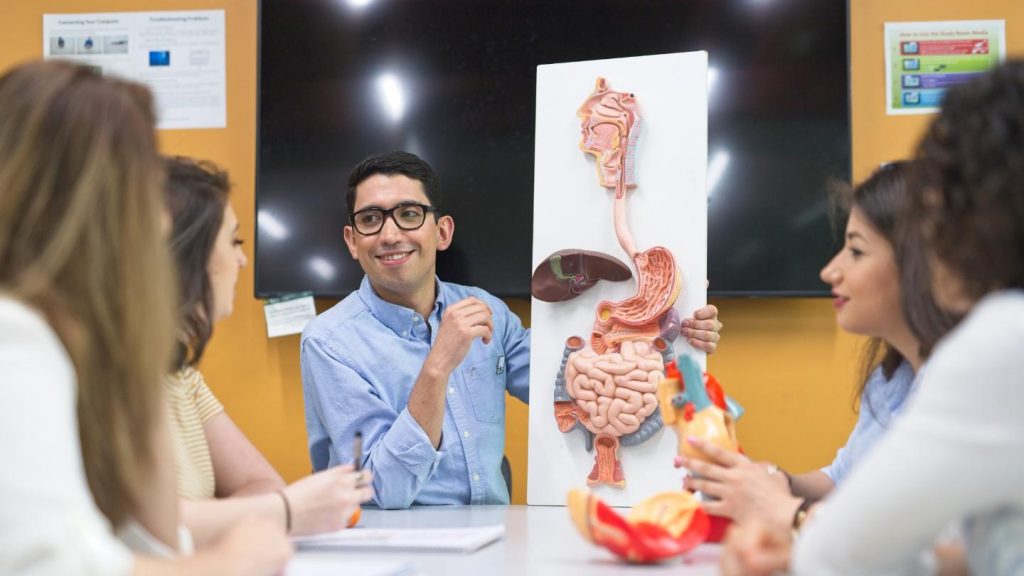
More than almost any other branch of the biological sciences, anatomy and physiology link molecular events inside cells to the behaviour of whole organs and entire organisms. That integrated perspective is what places physiology at the heart of medical science: understanding how things normally function is the only reliable way to identify what goes wrong in illness, and to design better diagnostics, treatments and technologies.
Studying anatomy and physiology in the United Kingdom offers students a rare combination of rigorous scientific grounding, practical hands-on training and diverse pathways into healthcare, research and industry.
UK degree programmes in this subject are structured to give deep, evidence-based knowledge about how our bodies operate, why diseases arise, how symptoms appear, and what treatments do to tissues and organ systems.
Courses often bring together anatomy, biochemistry, pharmacology, genetics and immunology in coherent modules so students learn not only facts, but how to reason scientifically about the living body.
Whether you aim for physiotherapy, cardiology, neurophysiology, biomedical science, sports science, or a career in medical research, a degree in anatomy and physiology gives you the tools and language to succeed.
Eight compelling reasons to study Anatomy & Physiology in the UK
Foundational science with broad, practical applications
Anatomy and physiology are the building blocks of medicine and allied disciplines. By learning how biological systems work at cellular and organ levels, you gain the essential knowledge required for medical technology, diagnostics and therapeutic innovation.
The discipline supports surgical planning, medical imaging interpretation, device design and many other real-world applications.
From molecules to whole-body function — a uniquely integrated perspective
Physiology spans a remarkable range of scale: from molecular mechanisms inside single cells to the emergent behaviour of organ systems that allow us to think, eat, sleep and perform exercise.
This scale of study trains you to think across levels of complexity. This is an intellectual skill that is valuable in research, clinical problem-solving, and interdisciplinary innovation.
Direct route to health and clinical careers
A degree in anatomy and physiology prepares you for diverse medical fields such as physiotherapy, neurophysiology, cardiology and biomedical science.
It also gives you strong preparation for professional training programmes such as medicine, dentistry, physiotherapy, and the core scientific background required for postgraduate clinical specialisation.
Strong basis for translational research and medical technology
Physiological studies of normal function are the basis for understanding abnormal function in disease and for developing new therapeutic treatments.
Anatomy and physiology inform medical device design, prosthetics, orthotics, drug delivery systems and imaging technologies. If you aim to work at the interface of medicine and technology, this subject is an ideal foundation.
Practical, hands-on training and real laboratory experience
Many UK programmes offer lab-based teaching, practical sessions and in some cases, cadaveric dissection or Thiel-embalmed cadaver experience. Hands-on skills such as dissection, tissue handling, experimental design and clinical simulation give graduates tangible, employable expertise that theoretical study alone cannot provide.
Opportunities for research and specialised study
A modern physiology degree is rarely just a set of lectures. It commonly includes independent research projects in the final year, where students can work alongside academic staff on real scientific questions.
Such projects yield practical skills in experimental methods, data analysis and scientific communication, exactly the capabilities needed for further research degrees or for research-intensive roles in industry.
Versatility and employability
Anatomy and physiology degrees are modular and often housed inside broader subject areas like Human Biology, Applied Medical Sciences, Anatomical Sciences, etc., meaning you can tailor your study to interests like neuroscience, pharmacology, exercise science, genetics or public health.
This versatility supports a wide range of careers and often results in strong graduate employment outcomes.
Transferable analytical and technical skills
Beyond the content knowledge, studying anatomy and physiology trains you in analysis, problem-solving, quantitative reasoning, laboratory technique and scientific writing, skills that parallel those used across healthcare, biotechnology, public health and education.
Employers value graduates who can design experiments, interpret data and communicate findings clearly.
Dreaming of studying Anatomy and Physiology in the UK? Connect with ScholarshipKart for expert advice on selecting the right universities, choosing the ideal course, and preparing with tailored IELTS coaching to strengthen your application.
Top UK Universities to Study Anatomy and Physiology
According to The Times and Sunday Times Good University Guide 2025, the top universities to study anatomy and physiology in the UK are:
1. University of Edinburgh
Suggested Programme- BSc (Hons) Physiology
The BSc (Hons) Physiology at Edinburgh is designed to give a deep understanding of human physiology across multiple systems. Students cover cellular physiology, neurophysiology, endocrinology and integrated system-level topics.

The course at the University of Edinburgh combines lectures, laboratory work and practical sessions so learners gain both theoretical knowledge and hands-on experience. Critical thinking, problem-solving and independent research are central: students are trained to interpret physiological data, design experiments and carry out research-led projects.
What you will learn
Fundamental cell and molecular physiology that underpins organ function.
System-level physiology, including neural, cardiovascular, respiratory and endocrine systems.
Practical laboratory skills and experimental design.
Research skills through independent projects and supervised research.
Entry requirements
A Levels: AAB
International Baccalaureate: 34 points with 655 at Higher Level.
International fee: £36,800.
Why Edinburgh stands out
The course is structured to be research-informed and practical, ensuring students leave with both conceptual understanding and applied laboratory experience. The emphasis on critical thinking and independent research prepares graduates for diverse career paths in health and science.
2. University of Glasgow
Suggested Programme– BSc (Hons) Physiology and Sports Science
Glasgow’s BSc (Hons) Physiology & Sports Science focuses on human physiology with a strong applied emphasis on sports and exercise.
At the University of Glasgow, the curriculum covers cardiovascular and respiratory physiology, muscle physiology, exercise biochemistry and related human-body studies. Teaching integrates practical laboratory sessions, research projects and seminars to develop hands-on skills and analytical thinking.
What you will learn
Cardiorespiratory physiology and the body’s systemic response to exercise.
Muscle function, bioenergetics and exercise biochemistry.
Practical measurement techniques used in sports science and human physiology labs.
Research methods applied to exercise and performance questions.
Entry requirements
A-level: AAB – BBB
IB diploma: 34 (6,5,5).
International fee: £31,800.
Why Glasgow stands out
This programme’s distinctive strength is the close link between physiology and sports/exercise application: ideal for students who want to study human systems with a practical focus on performance and physical health.
3. University of Aberdeen
Suggested Programme– BSc Physiology
Aberdeen’s physiology programme is taught using varied and engaging methods and is continuously updated to reflect current research. The curriculum provides the scientific content of pre-clinical medicine while also offering cellular-to-whole-body perspectives.

At the University of Aberdeen, teaching is supported by a virtual learning environment (MyAberdeen) which provides lecture slides, practice tests and tutorial support.
What you will learn
Core pre-clinical science content (biochemistry, cell biology) integrated with whole-body physiology.
Skills for experimental design informed by current research.
Practical use of physiological measurement techniques across systems.
Exceptional Teaching and support features
Innovative use of ‘educational voting’ handsets (clickers) to boost engagement.
Personal tutors are assigned from Year 1 to Year 4 for mentoring and academic development.
Integration within the Institute of Medical Sciences to align teaching with medically related research and learning.
Entry requirements
Applicants who have scored BBBB (or better) are encouraged to apply. BBC is a minimum that can be considered.
IB: 32 points, including 5, 5, 5 at HL, with two Mathematics/Science subjects at HL.
Tuition fees: £24,800.
Why Aberdeen stands out
Aberdeen emphasises a research-informed, student-engaged approach to teaching, supported by digital learning and personal tutors. The programme’s integration with medical sciences prepares students well for clinical or research progression.
4. Queen’s University Belfast
Suggested Programme– BSc Human Biology
Queen’s Human Biology is an integrated course combining human anatomy and physiology with genetics, microbiology and immunology. It places anatomy, microanatomy and physiology at the core.
However, Queen’s University Belfast provides flexibility to choose specialist modules such as pharmacology, cardiovascular pathology and treatment, topographical anatomy, exercise science, embryology, public health science and neuroscience.
What you will learn
Integrated human biology with emphasis on tissue structure (anatomy) and function (physiology).
Foundational mammalian biochemistry, genetics and molecular biology.
Specialist options to tailor study toward pharmacology, cardiovascular science, neuroscience or exercise medicine.
Facilities and practical experience
Queen’s has modern anatomy teaching units, state-of-the-art physiology teaching spaces and refurbished biomedical science laboratories. The final-year research project gives students hands-on experience working with researchers in the School.
Entry requirements
A-level: AB (in any order in Biology/Human Biology and Chemistry) + GCSE Mathematics grade C/4.
IB: 33 points overall, including 6,5,5 at Higher Level to include Higher Level grades 6,5 in Biology and Chemistry + GCSE Mathematics grade C/4.
Tuition fees: £26,600.
Why Queen’s stands out
The degree’s flexibility and the School’s investment in modern teaching facilities make Queen’s an attractive option for students who want both breadth and specialisation opportunities, plus a strong research-led final year.
5. Loughborough University
Suggested Programme– BSc (Hons) Human Biology
Loughborough’s Human Biology degree blends anatomy and physiology with population biology, global health, physical activity and nutrition.

At Loughborough University, the course is modular and designed to consider the human from the molecular level up to population effects, with an international perspective and emphasis on how lifestyle and environment influence disease risk.
What you will learn
Structure and function of the human body across scales — cellular biology through to population health.
Biochemistry, genetics, genomics, growth, development and ageing.
Influence of diet, exercise and lifestyle on health and disease.
Teaching strengths
The degree is taught by active researchers with expertise in human population biology, physical activity, nutrition and human genetics. The modular structure allows for increasing specialisation over the years.
Entry requirements
Typical A-level offer: AAB including Biology or Human Biology. Chemistry, Physics, Geography or Environmental Science may be considered on a case-by-case basis if A-level Biology was not previously studied.
Typical IB offer: 35 (6,6,5 HL) with 5 in Biology at HL.
Tuition fees: £30,700.
Why Loughborough stands out
Loughborough’s unique angle is its population-level perspective and strong research-led teaching in human development, exercise and nutrition.
6. University of Dundee
Suggested Programme– BSc (Hons) Anatomical Sciences
Dundee’s Anatomical Sciences is a hands-on course covering classical gross anatomy as well as post-genomic molecular and cell biology. It takes students through human development to adulthood and includes full-body dissections using Thiel-embalmed cadavers, providing a very practical and realistic anatomy learning environment.
What you will learn
Gross anatomy and detailed regional anatomy through dissection.
Molecular and cell biology relating to anatomical development and disease.
Practical dissection skills, advanced anatomical techniques and research methods.
Teaching and facilities
The University of Dundee is noted for being the first UK university to use the Thiel embalming method and is now the leading Thiel facility in the UK. Thiel-embalmed cadavers retain lifelike properties, giving students realistic dissection experiences.
The course combines theory and practice; first-year Life Sciences modules give a strong foundation, leading to later dissection and research work.
Dundee has high student satisfaction in anatomy. It is ranked 1st in Scotland for overall student satisfaction in Anatomy, as per the National Student Survey 2025.
Entry requirements
A-level/GCE: ABB. Essential subject: Biology, plus equivalent of GCSE Chemistry and GCSE Mathematics.
IB: 28 points, including 5, 5, 4 at higher level.
Tuition Fees: £28,200.
Why Dundee stands out
Dundee’s Thiel cadaver teaching, high student satisfaction and hands-on approach to anatomy make it a prime choice for students who want deep practical experience.
7. Swansea University
Suggested Programme- BSc (Hons) Applied Medical Sciences / MSci (Hons)
Swansea’s Applied Medical Sciences degree covers human anatomy and physiology alongside cell biology, genetics, pharmacology and neuroscience with clinical and applied relevance.
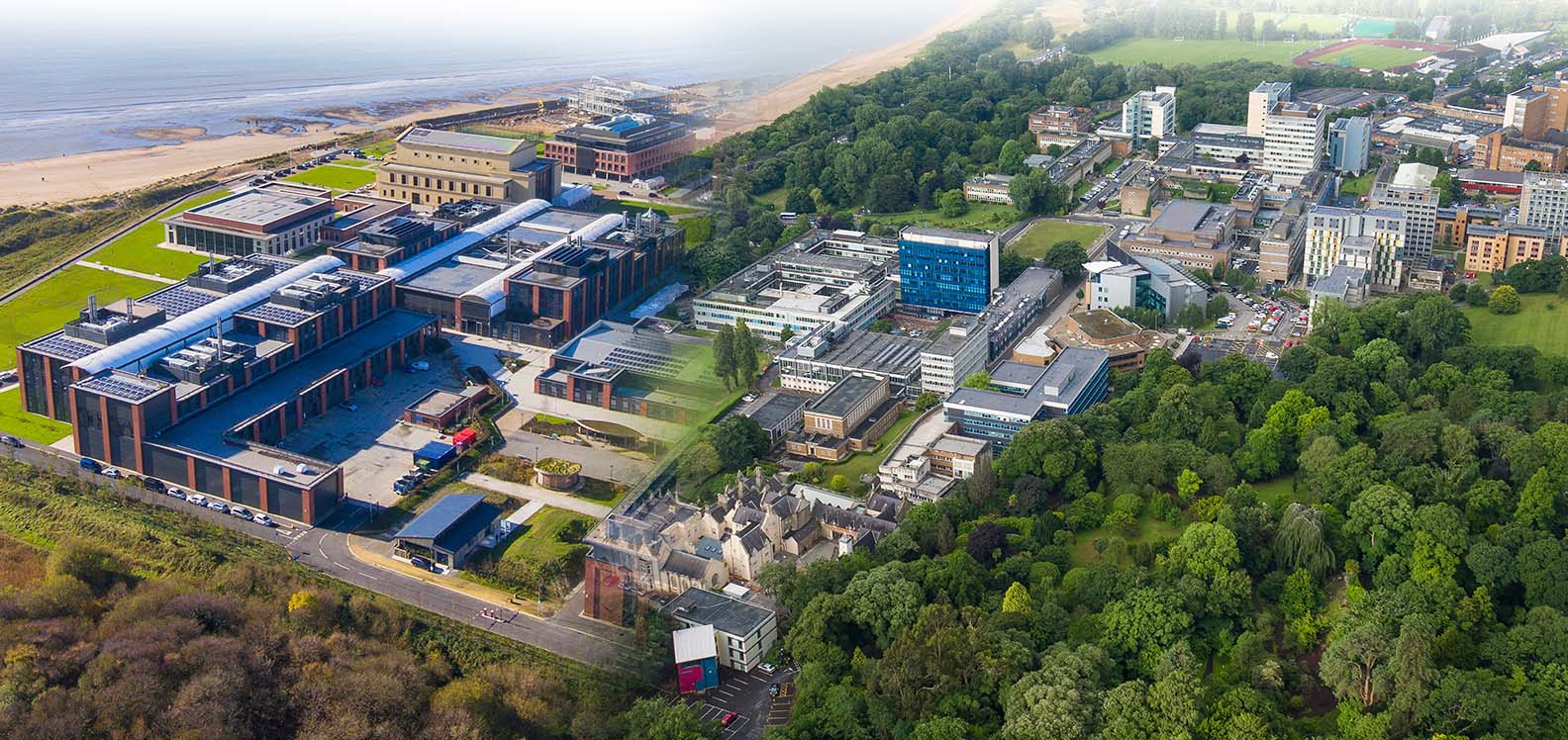
At Swansea University, the course provides three employability strands (Medical Science in Practice, Enterprise and Innovation, Medical Science in Research) that students may choose in their second year, subject to eligibility. Swansea also offers cadaver-based anatomy experience in Year 1 on some routes.
What you will learn
Comprehensive human anatomy and physiology with clinical relevance.
Cell biology, genetics, pharmacology and neuroscience, and their applied contexts.
Research techniques and applied medical science skills relevant to laboratory and clinical settings.
Teaching strengths and employability
Access to Medical School research and teaching facilities, including an anatomy suite and research laboratories.
The three employability strands allow students to tailor their degree toward practice, research or enterprise, increasing career readiness.
Reported high graduate outcomes: 98% of Applied Medical Sciences graduates are in employment and/or study 15 months after leaving Swansea (Graduate Outcomes Survey 2025).
Entry requirements
A-level: AAB–BCC to include A Level Biology or Chemistry and one other STEM subject. GCSE grade C/4 in English and Maths.
IB: 34 to include a minimum score of 6 at Higher Level Biology or Chemistry plus one other STEM subject.
Tuition Fees: £22,750.
Why Swansea stands out
Early cadaver experience, strong integration with the Medical School, structured employability options and excellent graduate outcomes are Swansea’s primary strengths.
How the subject content prepares you for real-world impact
Anatomy and physiology are not just academic subjects; they are directly applied in clinical decision-making, device design, diagnostics and therapeutics. Here are several ways the knowledge and skills you gain will translate into tangible impact:
Surgical planning and simulation: Anatomy provides the precise map surgeons need; physiology explains how tissues will behave under stress. These sciences together enable the creation and use of 3D models and virtual simulations for pre-operative planning.
Medical imaging and diagnostics: Understanding normal anatomical relationships and physiological function is essential for interpreting imaging modalities (ultrasound, CT, MRI) and dynamic imaging of organs like the heart and lungs.
Prosthetics, orthotics and biomechanics: Knowledge of musculoskeletal anatomy and physiology informs the design of prosthetic limbs, braces and wearables that restore or augment function.
Medical device and implant design: Implant success depends on an intimate knowledge of anatomy (where the device will sit) and physiology (how tissues respond to foreign materials and mechanical forces).
Drug delivery and pharmacokinetics: Physiology is the backbone of how drugs are absorbed, distributed, metabolised and excreted; insights that help pharmacologists design safer and more effective drug regimens.
Virtual and augmented reality in education: Anatomy and physiology form the content that VR/AR uses to create immersive training environments for students and clinicians.
Personalised healthcare and public health: Population-level physiological understanding, like how lifestyle, genetics and environment interact, and helps design public-health interventions and personalised medicine strategies.
In short, anatomy and physiology provide the scientific rationale behind almost every therapeutic decision, technological design and preventive strategy in modern medicine.
Conclusion — why this is the right moment to study Anatomy & Physiology in the UK
Anatomy and physiology remain as relevant today as ever because they are the knowledge base for understanding health, disease and human performance. They combine elegant scientific theory with urgent, applied outcomes: a single insight in physiology can change the way we treat disease, design a device or improve a human life.
The UK’s university programmes, as described here, provide a mix of rigorous teaching, practical training (including cadaveric experience in some places), hands-on research opportunities and clear employability pathways.
Together, these elements make UK degrees in anatomy and physiology a strong platform for careers in healthcare, research, medical technology and public health.
From the University of Edinburgh’s deep system-level physiology training and Dundee’s industry-leading Thiel cadaver experience to Glasgow’s sports-focused physiology and Loughborough’s population and activity-focused approach, each programme has a distinct flavour.
The right choice depends on whether you prefer a research-led environment, practical dissection, exercise and performance focus, or an applied medical sciences pathway. Remember, studying in the UK is tailored toward employability.
If you have a passion for how the human body works, a curiosity about the root causes of disease and an appetite for hands-on scientific exploration, study anatomy and physiology in the UK. The UK degree offers a rich, rigorous and rewarding route to making a meaningful difference in health and science.
The degrees described here equip you with detailed anatomical knowledge, physiological insight, laboratory and research skills and the practical understanding needed to translate science into better diagnostics, therapies and technologies.
Turn your UK study dream into reality! Book a Free Consultation with ScholarshipKart, get end-to-end support for smooth applications, hassle-free visa guidance, and access to scholarships that make pursuing Anatomy and Physiology abroad affordable and achievable.
FAQs:(Frequently Asked Questions)
Some of the best universities include the University of Edinburgh, University of Glasgow, University of Aberdeen, Queen’s University Belfast, Loughborough University, University of Dundee, and Swansea University. Each offers unique strengths such as research-led programs, hands-on cadaveric experience, and applied medical science modules.
Entry requirements vary by university but generally include:
A-levels: AAB–BBB, with Biology as a core subject
International Baccalaureate: 28–35 points, with Higher Level Biology
Some universities may also require Chemistry or Mathematics at GCSE/A-level level.
International tuition fees typically range from £22,000 to £36,800 per year, depending on the university and program. Additional costs may include lab fees, textbooks, and living expenses.
Graduates can explore careers in physiotherapy, cardiology, neurophysiology, biomedical science, sports science, medical research, medical technology, and public health. The degree also provides a strong foundation for postgraduate clinical programs such as medicine or dentistry.
The UK offers a combination of rigorous scientific education, hands-on laboratory training, research opportunities, and global career pathways. Students gain both theoretical knowledge and practical skills, including cadaveric dissection, lab experiments, and clinical simulations, making them highly employable worldwide.