
Pursuing a Master’s in Nuclear Physics in the UK offers students the opportunity to study one of the most advanced and influential areas of modern science. Nuclear physics stands at the frontier of scientific discovery, shaping our understanding of the universe while powering some of humanity’s most transformative technologies.

As one of the most advanced and scientifically ambitious nations in the world, the UK has become a global hub for nuclear research, nuclear energy development, and advanced physics education. For international students seeking an intellectually rich, research-driven, and industry-aligned master’s experience, the UK offers unparalleled academic environments.
From world-leading laboratories to historic institutions that have produced some of the greatest nuclear physicists in history, studying in the UK provides the ideal setting to explore the atomic nucleus, nuclear reactions, nuclear energy systems, and the physics of the cosmos.
Why the UK Is the Ultimate Destination for Nuclear Physics Education
The UK’s reputation in nuclear physics education is built on decades of groundbreaking scientific progress, robust investment in nuclear innovation, and a network of universities where theory meets practice at the highest level.
With nuclear reactions such as fusion, fission, and radioactive decay underpinning modern advancements in medicine, energy production, materials science and astrophysics, studying nuclear physics in the UK means joining a community that is shaping the future.
UK universities host world-class nuclear laboratories, collaborate with major international research centres such as CERN, and work closely with national agencies and cutting-edge industries supporting energy security, medical innovation, environmental safety, and astrophysical exploration.
These factors collectively make the UK one of the most exciting places in the world to pursue a master’s degree in nuclear physics or its related fields.
Ready to pursue a Master’s in Nuclear Physics in the UK? Connect withScholarshipKart to find the right universities, choose the ideal course, and navigate applications, visas, scholarships, IELTS preparation, and SOP guidance, all in one place. Start your journey today!
Top UK Universities for Nuclear Physics Master’s Degrees
The UK hosts a diverse range of master’s programmes, each offering specialised knowledge, advanced research training and strong industry alignment. Based solely on the information provided, the following programmes represent some of the nation’s leading master’s opportunities in nuclear physics and related areas.
University of Cambridge
Suggested Course: MPhil in Nuclear Energy
International Fees: £60,673 per year
The University of Cambridge offers one of the most influential programmes in the field: the MPhil in Nuclear Energy. Developed by the Department of Engineering in collaboration with the Cambridge Nuclear Energy Centre, it addresses the global demand for experts capable of supporting the emerging nuclear renaissance.
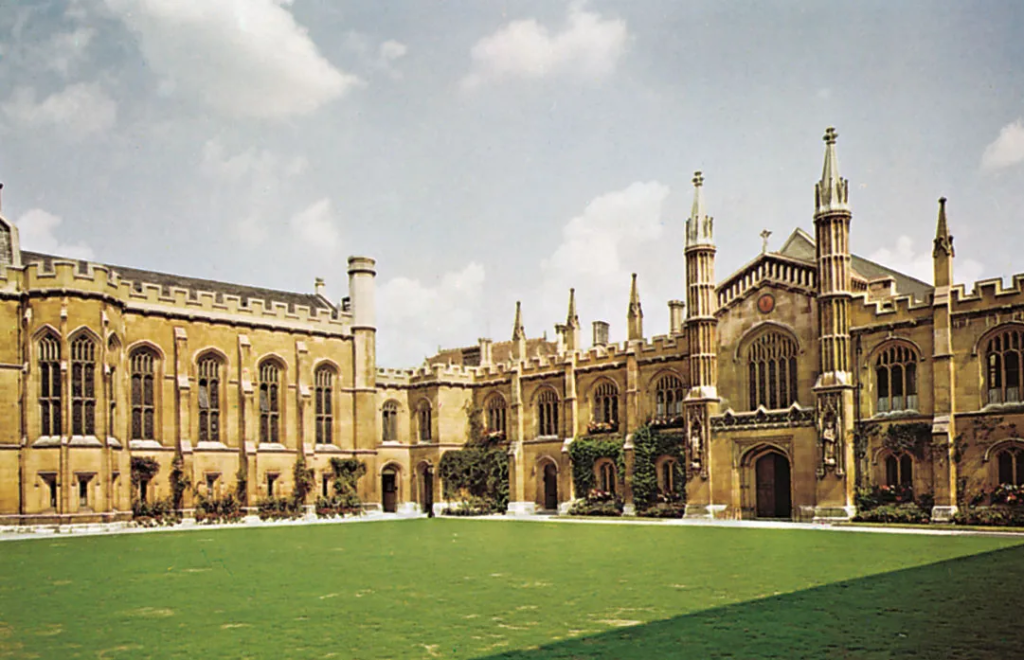
This is a flexible, one-year programme designed for scientists and engineers seeking to contribute to climate change solutions and energy security through nuclear power generation. Students gain a rigorous grounding in nuclear technology, including modelling, simulation, and evaluation of nuclear systems.
Beyond technical training, the programme also covers nuclear governance, proliferation prevention, energy policy, economics and management. Its flexibility allows students to tailor the degree toward engineering-focused or policy-oriented pathways. Whether one’s interest lies in the nuclear industry, health physics, radiological protection or research, Cambridge provides the foundation for both professional and academic advancement.
Graduates emerge with an understanding not only of nuclear power generation but also of the critical social, political and environmental dimensions of nuclear energy deployment.
University of Birmingham
Suggested Course: MSc in Physics and Technology of Nuclear Reactors
International Fees: £31,500 per year
Since 1956, the University of Birmingham has operated one of the UK’s most established nuclear reactor physics programmes. Rooted in the history of Britain’s first nuclear reactor, the MSc in Physics and Technology of Nuclear Reactors delivers both theoretical and practical learning at exceptional depth.
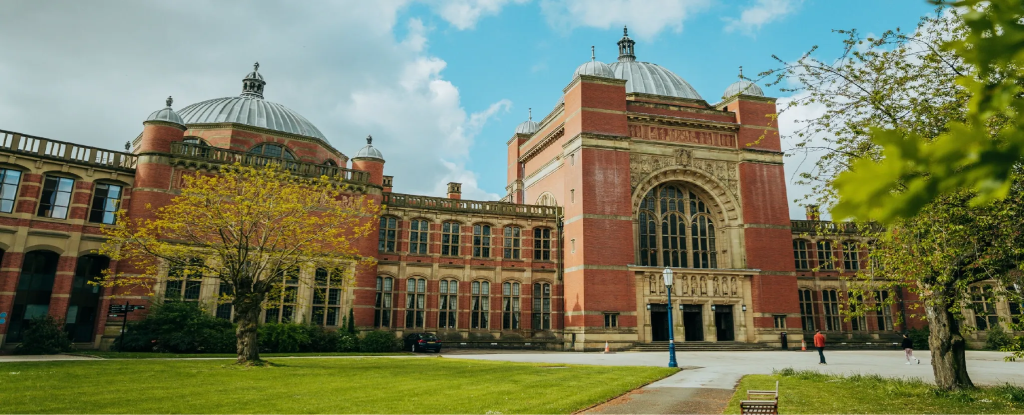
Students study core areas including radiation protection, reactor engineering, nuclear power technology and materials science. With field trips, industry seminars, training reactor visits and hands-on research projects, the programme bridges theory with real-world application.
Expert-led lectures, 1:1 supervision, laboratories and industry placements build students’ analytical, technical and problem-solving skills. For those aiming to enter reactor physics, nuclear safety, fusion, environmental protection or nuclear engineering industries, Birmingham offers a comprehensive and practice-rich pathway.
University of Bristol
Suggested Course: MSc in Nuclear Science and Engineering
International Fees: £35,900 per year
University of Bristol’s MSc in Nuclear Science and Engineering stands out through its close partnership with the South West Nuclear Hub and numerous industry leaders. As the UK invests in large-scale nuclear projects such as Hinkley Point C, Bristol trains students to be at the forefront of the nation’s nuclear workforce.

The programme blends physics and engineering, focusing on nuclear fission and fusion energy, reactor systems, safety culture and professional nuclear practice. With industry-sponsored research projects and strong employer connections, Bristol graduates are prepared to enter roles in energy companies, regulatory agencies, laboratories and academic research.
The university’s high ranking in physics research further strengthens the academic quality of this master’s experience.
University of Edinburgh
Suggested Course: MSc in Particle and Nuclear Physics
International Fees: £39,200 per year
The University of Edinburgh offers a highly advanced MSc in Particle and Nuclear Physics that integrates experimental techniques, theoretical modelling and modern computational tools. Students learn to navigate large-scale data sets, apply machine learning and work with sophisticated detectors used in major international collaborations.

The programme includes compulsory courses in research skills, data analysis, machine learning and a specialised dissertation. Students can customise their learning by choosing from a range of optional modules aligned with their career ambitions. This degree is well-suited for individuals aiming for careers in scientific research, detector development, data science or academia.
University of Glasgow
Suggested Course: MSc in Nuclear and Environmental Physics
International Fees: £33,210 per year
University of Glasgow’s MSc in Nuclear and Environmental Physics explores how nuclear processes influence energy generation, environmental modelling and medical physics. Students develop computational, observational and theoretical skills essential for understanding complex nuclear systems.

Through advanced laboratory training, radiation detection modules, research projects and interaction with international experts, students gain a wide-ranging skill set. This programme prepares graduates for careers in nuclear energy, environmental monitoring, medical physics or academic research and equips them with transferable skills in project management, communication and data analysis.
Lancaster University
Suggested Course: Nuclear Engineering MEng
International Fees: £30,770 per year
Lancaster University’s four-year MEng in Nuclear Engineering blends general engineering with specialisation in nuclear systems, materials, thermodynamics and decommissioning. With state-of-the-art facilities and strong industry partnerships, students gain extensive design, building and testing experience.
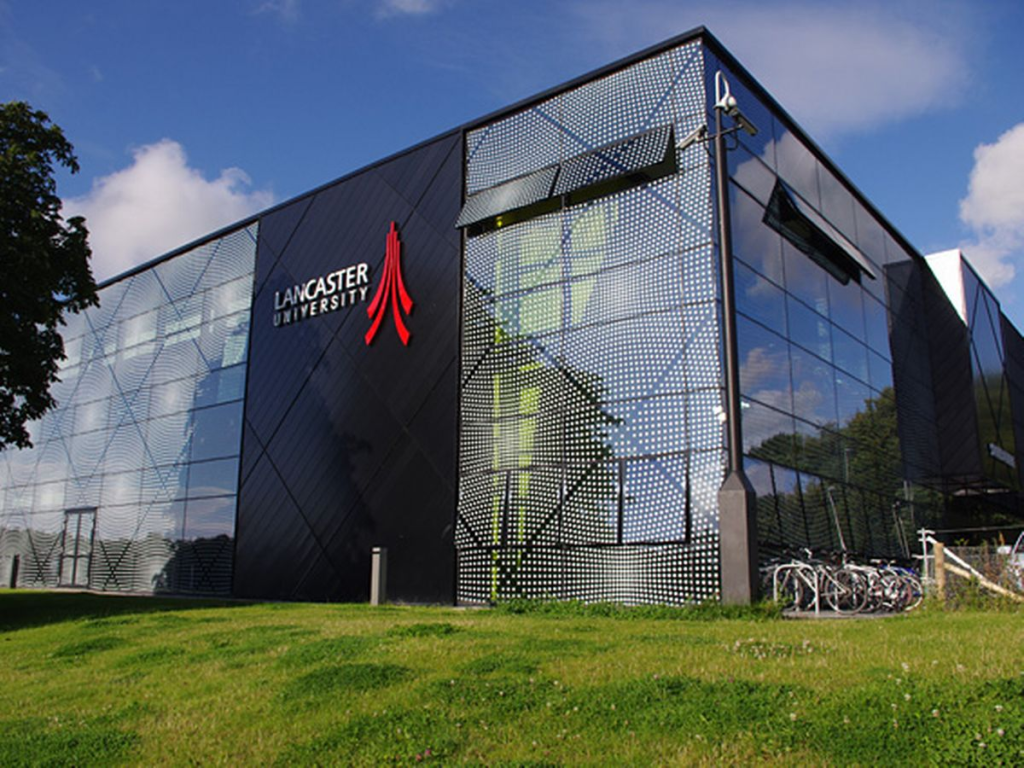
In the later years, students undertake individual projects in areas such as radiometrics, cosmic radiation or accelerator mass spectroscopy, working closely with major nuclear companies. The programme provides a direct pathway into engineering careers and supports progression towards Chartered Engineer status.
Conclusion: A Gateway to Discovery and Innovation
Choosing to study a master’s in nuclear physics in the UK means entering a world where scientific curiosity meets real-world impact. Whether your interest lies in nuclear energy, radiation protection, astrophysics, fusion, reactor engineering, theoretical physics or environmental modelling, UK universities offer world-class courses and cutting-edge training supported by rich research ecosystems and powerful industry connections.
The UK has consistently shaped the future of nuclear science, advancing technologies that improve health, protect the environment, and deepen our understanding of the universe. A master’s degree from a UK institution is more than an academic achievement; it is an opportunity to contribute to global scientific advancement, join influential research networks and build a career that can change the world.
With exceptional teaching, groundbreaking research, interdisciplinary collaboration and practical training, the UK remains one of the most inspiring destinations to study nuclear physics at the postgraduate level.
Take the next step toward your UK Nuclear Physics Master’s with expert support. Book a Free Consultation with ScholarshipKart for personalised guidance on university selection, scholarship advice, application assistance, visa support, IELTS coaching and stand out SOP guidance. Get expert guidance now!
Yes. The UK is a global leader in nuclear research, energy systems, fusion technology and advanced physics education with strong industry collaboration.
Most universities require a bachelor’s degree in physics, engineering, or a related discipline with strong mathematics foundations.
International tuition fees typically range from £25,000 to £60,000 per year, depending on the university and programme.
Graduates can work in nuclear energy, fusion research, radiation protection, medical physics, data science, or pursue PhD research globally.
Yes. ScholarshipKart provides end-to-end guidance including university selection, applications, SOPs, IELTS preparation, visas and scholarships.