
Forensic science is far more than a subject; it is the meeting point of science, law, and justice. It applies biological, chemical, and psychological principles to analyse evidence, investigate crime scenes, and present facts in court.
In today’s world, where accuracy and integrity in criminal justice are critical, forensic science plays a vital role in safeguarding fairness and truth.
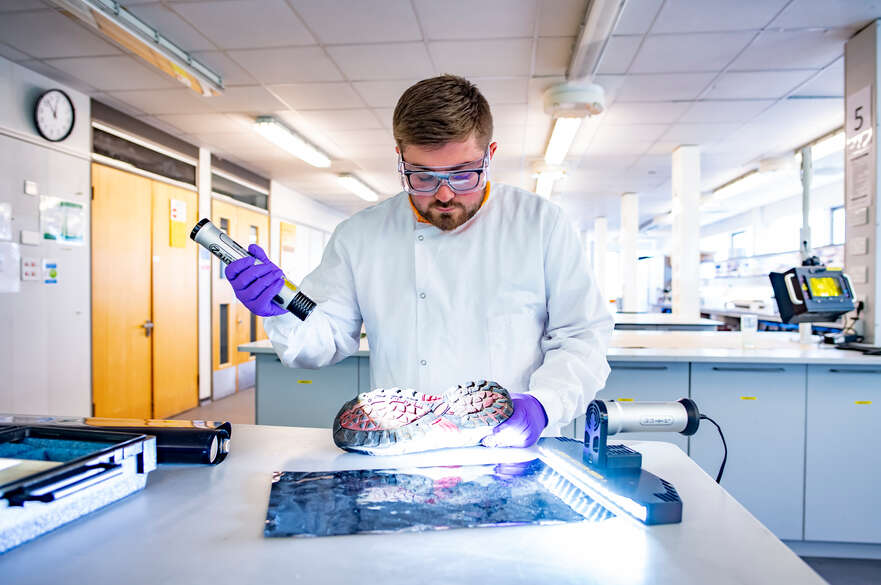
Why Study Forensic Science in the UK: A Degree that Bridges Science and Justice
The UK has earned a reputation as a global leader in forensic education, thanks to its elite universities, cutting-edge laboratories, and close ties with the criminal justice system. UK degrees in forensic science are highly regarded worldwide, producing graduates who are not only skilled but also trusted to handle sensitive investigations with precision.
The UK’s practical teaching approach, ranging from simulated crime scenes to advanced DNA and fire analysis, gives students an edge in real-world applications.
Studying forensic science in the UK equips graduates with the ability to influence investigations, contribute to public safety, and strengthen justice systems globally. But why should you choose the UK for this subject? Let’s explore ten compelling reasons.
10 Reasons to Study Forensic Science in the UK

1. Dynamic Career Opportunities
A forensic science degree in the UK opens doors to multiple professional paths. Graduates are not restricted to one career. Instead, they can work as crime scene investigators, DNA analysts, toxicologists, digital forensic officers, or even criminal intelligence analysts.
These opportunities extend across law enforcement, public health, financial fraud, cybercrime, and research institutions, giving students flexibility to shape their careers according to their interests.
2. Unmatched Job Security
Forensic science is a specialised discipline that few professions can replicate. In criminal investigations, forensic experts provide essential evidence that cannot be substituted. Their role in DNA profiling, fingerprint analysis, toxicology, and digital forensics ensures long-term demand.
With increasing complexity in modern crime, from cyber fraud to terrorism, forensic science specialists remain indispensable, offering a high level of career stability.
3. Hands-On Practical Learning
UK universities are known for their strong emphasis on experiential learning. Forensic science programmes provide access to mock crime scenes, laboratories equipped with state-of-the-art technology, and real-world simulations.
Students don’t just study theories; they apply their knowledge in forensic genetics, ballistics, and fire analysis. Many courses also include placements with police forces, labs, or forensic service providers, giving students invaluable professional exposure.
4. Interdisciplinary Academic Pathways
Forensic science blends multiple fields, including chemistry, biology, psychology, law, and technology. In the UK, students can pursue joint honours degrees such as Chemistry with Forensic Investigation or Psychology with Forensics.
Some universities even offer study abroad opportunities, broadening global perspectives. This multidisciplinary design ensures graduates are versatile and adaptable in various industries.
5. Transferable Professional Skills
Studying forensic science equips students with more than technical knowledge. Skills such as analytical thinking, problem-solving, communication, report writing, and the ability to interpret complex data are highly transferable.
These abilities are valuable not only in forensic roles but also in sectors like healthcare, finance, cybersecurity, and research, broadening career opportunities beyond crime labs.
6. Diverse Work Environments
Unlike many scientific careers confined to laboratories, forensic scientists in the UK work in varied settings, such as crime scenes, courts, research labs, and field investigations. This makes the career dynamic and engaging.
Professionals might spend one day examining DNA in a laboratory and the next day presenting expert testimony in a courtroom.
7. Clear Progression Pathways
Forensic science in the UK is structured to provide growth at every stage. Graduates can work their way up to chartered status as forensic practitioners, specialise in niche fields such as digital forensics or fire investigation, or advance to supervisory roles such as casework examiners.
Pursuing further research or a PhD can lead to academic careers or leadership positions in forensic laboratories.
8. Learn While You Work
The UK also offers placements and on-the-job training models where students gain practical experience alongside academic learning. Placements in scientific research or with police forensic units allow learners to earn an income while studying.
This model not only reduces financial strain but also ensures that students graduate with professional experience already under their belt.
9. Contribution to Public Safety
Perhaps the most fulfilling aspect of a forensic science career is the ability to serve society. Forensic scientists help solve crimes, identify perpetrators, and deliver justice for victims and their families.
By analysing blood splatter patterns, DNA traces, or digital data, they provide evidence that can be the difference between freedom and conviction. Their work enhances public safety and instils public confidence in the justice system.
10. Global Recognition of UK Degrees
UK forensic science programmes are often accredited by the Chartered Society of Forensic Sciences (CSFS), an internationally respected body. Accreditation assures employers that graduates possess the necessary scientific expertise, crime scene training, and courtroom preparation.
This recognition makes UK degrees highly valued worldwide, enabling graduates to pursue careers not only in the UK but across Europe, North America, and beyond.
Want to pursue Forensic Science in the UK? Book a Free Consultation with ScholarshipKart for expert guidance on the right course selection, application, visa processes, scholarships, IELTS coaching, and SOP preparation. Take the smart step toward a rewarding career today!
Undergraduate and Postgraduate Forensic Science Courses in the UK
The UK provides diverse options for studying forensic science, allowing students to choose between broad-based programmes and highly specialised tracks.
Undergraduate Forensic Science Programmes
BSc Forensic Science (Single Honours): A comprehensive undergraduate course covering core scientific subjects alongside forensic applications. Students study chemistry, genetics, biology, and psychology while learning how to apply this knowledge in legal contexts.
Joint Honours Degrees: Options such as Chemistry with Forensic Investigation or Forensic Science with Psychology combine disciplines, offering a broader academic base.
Course Duration: 3–4 years, depending on placements or foundation years.
Typical Modules: Organic and inorganic chemistry, forensic genetics, anatomy and physiology, psychology of criminal behaviour, fire analysis, and courtroom evidence presentation.
Postgraduate Forensic Science Programmes
MSc Forensic Science: A one-year full-time or two-year part-time course offering advanced knowledge in specialised areas such as toxicology, anthropology, DNA profiling, or digital forensics.
MPhil/PhD in Forensic Science: Research-led programmes for those seeking careers in academia, advanced consultancy, or cutting-edge forensic innovation.
Key Features:
Postgraduate study often involves deep specialisation, allowing students to become experts in highly technical areas.
Many programmes are accredited by the Chartered Society of Forensic Sciences (CSFS), which enhances employability by signalling that graduates meet professional standards.
How Undergraduate and Postgraduate Degrees Support Career Progression
Both undergraduate and postgraduate degrees serve as stepping stones, but each contributes differently to a forensic scientist’s career journey.
Undergraduate Degrees (Foundation and Entry-Level Preparation)
An undergraduate degree lays the groundwork by covering the scientific principles, legal frameworks, and practical techniques needed in the profession. Students develop core knowledge in chemistry, biology, genetics, and psychology, while also gaining experience in laboratory work and simulated crime scenes.
This stage prepares graduates for entry-level positions such as laboratory technicians, junior forensic scientists, or crime scene investigators.
Postgraduate Degrees (Specialisation and Advancement)
While not always essential, postgraduate study provides a significant career advantage. Master’s programmes allow students to specialise in niche fields like toxicology, digital forensics, or forensic anthropology, which are often sought after by employers. Postgraduates are typically considered for higher-level roles more quickly and may enter at supervisory grades.
A PhD offers opportunities in academic teaching and advanced research, leading to careers at universities, government research institutes, or high-profile consultancy roles. Postgraduates also gain a competitive edge internationally, as their advanced training positions them as experts in their chosen fields.
Together, both degrees form a ladder of progression. The undergraduate stage establishes broad scientific and forensic skills, while postgraduate study refines expertise and accelerates advancement in leadership or specialist roles.
Career Path After a Forensic Science Degree
A degree in forensic science unlocks a spectrum of career possibilities across law enforcement, research, healthcare, government, and even the corporate sector. The role you pursue often depends on the skills you develop and the area you choose to specialise in.
Some of the most common and rewarding career paths include:
Crime Scene Investigator (CSI): These professionals are first on the ground at crime scenes, carefully collecting and preserving evidence such as fingerprints, blood samples, and weapon traces. Their work is critical to ensuring that evidence remains uncontaminated and admissible in court.
Forensic Biologist or Geneticist: Specialists who examine biological samples like hair, saliva, or body fluids. DNA profiling conducted by these experts has become one of the most reliable methods of linking suspects to crimes.
Forensic Toxicologist: Experts in detecting drugs, alcohol, and chemical substances in human bodies. Toxicologists often play a role in cases involving poisoning, overdose, or drug-facilitated crimes.
Digital Forensic Analyst: With cybercrime on the rise, digital forensic specialists are in high demand. They recover and analyse data from computers, mobile phones, and digital storage devices to uncover evidence of fraud, hacking, or other cyber offences.
Ballistics and Firearms Expert: These professionals analyse firearms, ammunition, and ballistic evidence, determining whether a weapon was used in a crime and reconstructing shooting events.
Expert Witness: Forensic scientists often present their findings in court as expert witnesses. Their ability to explain scientific evidence clearly and objectively helps judges and juries make informed decisions.
Research Scientist or Academic: Graduates with strong research interests can enter academic roles, contributing to the development of new forensic techniques or teaching future forensic professionals.
Career progression is also possible beyond direct casework. Many professionals move into supervisory positions such as casework examiners or laboratory managers, overseeing teams, managing investigations, and conducting independent research.
Salary Expectations
The salary potential for forensic science graduates in the UK reflects both their experience and area of expertise.
Entry-Level Roles: Starting salaries typically range from £25,000 to £32,000 per year. Graduates entering as junior analysts or assistants earn at this level while building experience.
Mid-Level Professionals (2–5 years’ experience): Salaries increase to £32,000–£40,000, depending on the role. Positions such as casework examiner or experienced laboratory analyst fall within this range.
Specialist and Senior Roles: Forensic experts in specialised areas like toxicology, digital forensics, or firearms analysis can earn between £40,000 and £50,000. Supervisory roles and consultancy positions may offer even higher pay scales.
Academic or Consultancy Roles: Those who pursue advanced degrees and move into academic research, teaching, or private consultancy can command salaries that exceed £50,000, especially in niche areas.
It is important to note that salaries also vary depending on the employer. Government departments, police forces, and public health agencies typically follow set salary bands, while private forensic consultancies may offer higher pay packages based on demand and expertise.
Forensic science may not be the highest-paying career at the entry level, but it offers strong progression, financial stability, and the intrinsic reward of contributing to justice and public safety.
Top Universities to Study Forensic Science in the UK
According to the Guardian University Guide rankings, 2026, the top universities to study Forensic Science in the UK are:
University of Central Lancashire
University of Lincoln
University of West London
Conclusion: A Career that Shapes Justice and Society
Forensic science is not just a career choice, it is a commitment to truth and justice. By combining scientific rigour with real-world impact, forensic scientists safeguard fairness in legal systems and enhance public safety.
Studying in the UK provides unmatched benefits: world-class education, global recognition, hands-on learning, and diverse career prospects.
Whether you envision yourself solving crimes as a forensic investigator, leading cutting-edge research, or presenting expert testimony in court, a UK forensic science degree is a powerful stepping stone. It prepares you for a rewarding profession where every piece of evidence you analyse could change lives.
Choosing forensic science in the UK means choosing excellence, responsibility, and a future where your work directly contributes to justice and society.Turn your ambition of studying Forensic Science in the UK into reality with ScholarshipKart. From choosing the perfect course and securing scholarships to navigating applications, visa process, SOP writing and IELTS coaching—we provide complete support at every stage. Start your journey with confidence!