
Applying to universities in Dubai has become increasingly popular among Indian and international students seeking globally recognised degrees and quality education abroad. Over the last two decades, Dubai has transformed into one of the fastest-growing international education hubs, offering world-class universities, modern infrastructure, and a multicultural environment. With British, American, Australian, and Canadian institutions operating branch campuses, students can earn global qualifications while studying in the Middle East.
From British and American curricula to Australian and Canadian universities establishing their campuses here, Dubai provides students with global qualifications while staying in the Middle East.
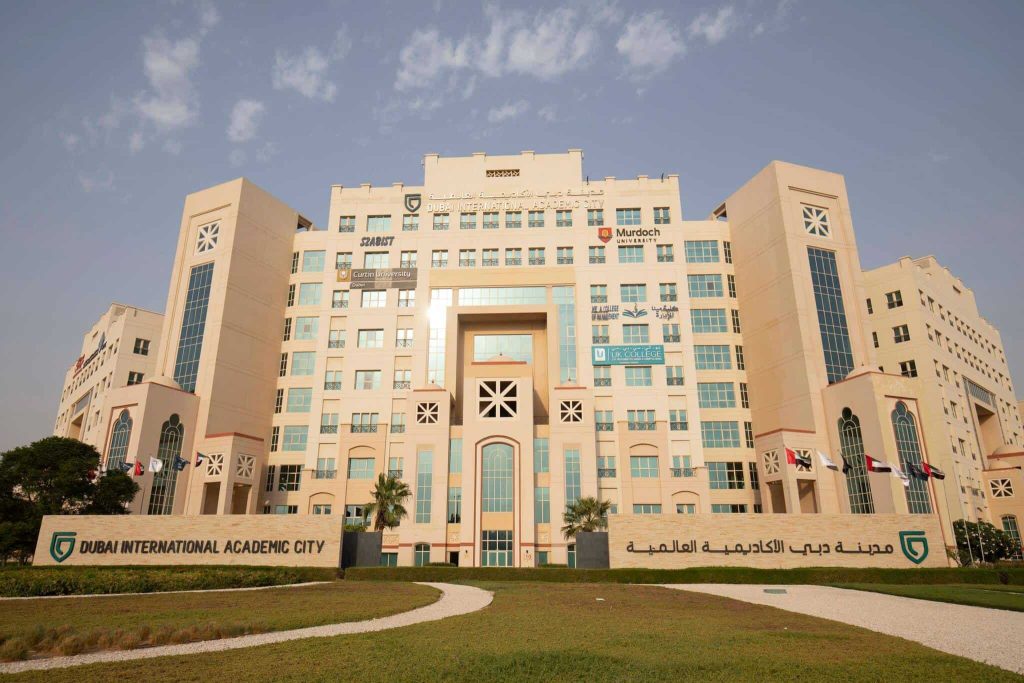
Dubai as a Global Education Hub
With over 50 international branch campuses and several homegrown universities, Dubai has positioned itself as a strong alternative to traditional study-abroad destinations like the US, UK, or Australia.
For Indian students, especially, the proximity, cultural familiarity, affordable living, and high academic quality make studying in Dubai a golden opportunity. Remember, well begun is half done, and to embark on this journey successfully, understanding the application process is crucial.
This guide will walk you through step by step, from researching universities to securing your student visa, ensuring your study in Dubai takes flight smoothly.
Why Choose Dubai for Higher Education?
Before jumping into the nuts and bolts of the application, let’s first ask: Why Dubai? Here are some compelling reasons:
- Internationally Recognised Degrees: Universities in Dubai offer globally accredited programs, ensuring your qualification is valued worldwide.
- Strategic Location: Just a short flight away from India, Dubai acts as a gateway between the East and West.
- Cultural Diversity: With students from over 180 nationalities, Dubai provides a multicultural learning environment.
- Career Opportunities: The Emirate is a business hub with thriving industries such as finance, logistics, technology, and hospitality, offering great internship and job opportunities.
- Safe and Modern Lifestyle: Dubai is ranked among the world’s safest cities and offers excellent healthcare, transport, and recreational facilities.
- Affordable Alternative: Compared to the UK or US, Dubai offers relatively lower tuition fees and living costs without compromising quality.
In short, Dubai gives you the best of both worlds. Global education with regional comfort.
At ScholarshipKart, study abroad education consultants, we have seen a sharp rise in interest among Indian students exploring Dubai for undergraduate and postgraduate study. If you are ready to make that leap, the trick is simple. Book a Free consultation with ScholarshipKart today and learn more about universities, courses, application and visa process.
Applying to Universities in Dubai: Step-by-Step Process Explained
Step 1: Research and Shortlist Universities
Your study abroad journey begins with thorough research. Start by identifying universities that align with your career aspirations, learning style, and budget.
Key factors to consider:
- Accreditation: Ensure the institution is recognised by the UAE’s Ministry of Education and relevant international bodies.
- Programs Offered: Compare curricula, specialisations, and faculty expertise.
- Global Recognition: Check whether the degree is accepted in your home country or other regions where you may work.
- Campus Location and Facilities: Consider factors like libraries, labs, sports complexes, and student housing.
- Placement Support: Explore internship opportunities and graduate employability rates.
Step 2: Understand Admission Requirements
Different universities and programs have varying eligibility criteria, but here’s a general breakdown:
For Undergraduate Programs:
- High school diploma or equivalent (minimum GPA of 2.5–3.0).
- IELTS (5.5–6.5) or TOEFL iBT (79–100).
- SAT/ACT scores (required by some institutions).
- Personal statement or essay.
- Letters of recommendation.
- Documents of extracurricular activities.
- Resume
For Postgraduate Programs:
- Bachelor’s degree (minimum GPA of 3.0).
- IELTS (6.5–7.0) or TOEFL iBT (90–100).
- GRE/GMAT scores (for business/technical programs).
- Work experience (for MBA and specialised degrees).
- Research proposal (for research-based master’s/PhD).
- Academic or professional references.
Admission requirements can feel like a maze without a map. Consulting professional study abroad advisors can help you save time and avoid errors.
Step 3: Gather and Prepare Your Application Documents
Once you have zeroed in on your course and university, start preparing your application documents. Some of these may take time to collect, so plan well in advance.
- Essential documents include:
- Academic transcripts and certificates.English test scores (IELTS/TOEFL).
- Valid passport copy (at least 6 months validity).
- Passport-size photographs (as per university specifications).
- Personal statement/essay.
- Letters of recommendation.
- Resume/CV.
- Portfolio (for creative courses like design, media, or architecture).
- Financial proof (bank statements or sponsor details).
If your documents are in a language other than English, ensure they are professionally translated and attested.
Step 4: Complete the Application Form
Most universities in Dubai use online application portals.
Process overview:
- Create an account on the university portal.
- Fill in personal and academic details.
- Upload scanned documents.
- Pay the application fee. Fees vary for different universities in Dubai.
- Submit before the deadline.
Important deadlines:
Fall intake (September): Apply between January–May.
Spring intake (January/February): Apply between September–November.
Summer intake (May/June): Apply between February–April.
Don’t wait until the eleventh hour. Universities often give priority to early applicants.
Step 5: University Assessment & Entrance Tests
After submission, universities may conduct additional assessments, such as:
- Entrance exams for specific programs.
- Interviews (in person or online) to assess inspiration, impetus and suitability.
- On-the-spot essays to evaluate writing and analytical skills.
- Portfolio reviews for creative courses.
Step 6: Receive and Accept Your Offer
If you clear the assessments, the university will issue an offer letter. It usually contains program details, fee structure, and any conditions you must meet.
Next steps:
Accept the offer before the deadline.
Pay the deposit or first tuition instalment.
Submit any pending documents (for conditional offers).
Step 7: Apply for Your Student Visa
Universities in Dubai act as sponsors and generally assist students in obtaining their visas.
The cost of obtaining a student visa in Dubai generally includes several components. Visa processing fees range between AED 2,500 and AED 3,500.
In addition, students are required to complete Emirates ID registration and medical tests, which typically cost between AED 700 and AED 1,500. Finally, health insurance, which is mandatory for all international students, usually falls within AED 1,000 to AED 1,500.
Required documents:
- Completed visa application form.
- Passport copy (6 months validity).
- Passport-size photos (white background).
- University acceptance letter.
- Proof of tuition fee payment.
- Health insurance certificate.
- Medical fitness test results (after arrival in Dubai).
Processing usually takes 2–3 weeks. Visas are valid for one year and can be renewed annually.
Step 8: Prepare for Arrival and Orientation
The final step before your exciting new chapter begins!
Things to take care of:
- Accommodation: Arrange housing. Either on-campus or off-campus.
- Health Insurance: Mandatory for all international students. Medical insurance covers most student healthcare expenses across a wide network of UAE hospitals and clinics, including outpatient, inpatient, and emergency care.
- Banking: Open a local account to manage expenses easily.
- Cultural Preparation: Learn about UAE laws, etiquette, and customs to settle in comfortably.
Don’t miss your university’s induction program. It is your chance to meet peers, professors, and explore the campus.
Final Thoughts
Applying to universities in Dubai becomes simple and manageable when you follow the right steps, prepare your documents early, and stay aware of deadlines.
Applying to universities in Dubai may seem like climbing a mountain, but once you break it into manageable steps, the journey becomes exciting and rewarding. Dubai offers not just an education but a complete experience, academic excellence, cultural diversity, and professional growth opportunities.
So, if you are ready to spread your wings and soar high, follow this guide, prepare wisely, and Dubai could soon be the place where your global career takes off.
Dreaming of studying in Dubai? Connect with ScholarshipKart today. Our expert counsellors help you choose the right university and the ideal course that perfectly fits your career goals. Begin your academic journey in one of the world’s fastest-growing education hubs today!
Frequently Asked Questions
Many students have questions about applying to universities in Dubai, especially regarding eligibility, IELTS requirements, and visa procedures.
1) Is IELTS mandatory to study in Dubai?
Universities typically require IELTS Academic or TOEFL iBT to prove English proficiency. Scores vary by program. Your visa sponsorship depends on you meeting the university’s conditions.
2) What’s the ideal application timeline?
Start 9–12 months before intake. Finish tests and documents 3–5 months before classes start. Apply well before the published deadlines.
3) Do all universities need SAT/ACT or GRE/GMAT?
No. Some American-curriculum undergrad programs ask for SAT/ACT. Many business/analytics master’s programs prefer GMAT/GRE. Therefore, check each program page.
4) Can I work part-time while studying?
Dubai has regulated part-time work; permissions may be required, and rules vary by institution and free zones. Always confirm with your university’s international office.
5) How long does the visa take and how long is it valid?
Processing is commonly 2–3 weeks. Student visas are usually valid for 1 year and are renewable for the duration of your program.
6) What is a realistic document list?
Transcripts, test scores, passport, photos, SOP, LORs, CV, portfolio (if applicable), and financial proof. If any doc isn’t in English, translate and attest.