
Stanford Summer School
Summer School at Stanford University is more than an academic program. It is an invitation to experience learning at one of the world’s most influential universities.
Each summer, Stanford opens its doors to ambitious students from across the globe, offering them the chance to study on campus, earn official Stanford credit, and immerse themselves in a culture known for innovation and excellence.
The program blends rigorous academics with vibrant campus life, making learning both challenging and deeply rewarding. Students do not simply attend classes; they become part of a living, breathing academic community.
By combining challenging academics with a rich array of extra-curricular programming, Stanford Summer Session shares the university’s culture of innovation, academic excellence, and global responsibility.
Stanford Summer Session provides high-achieving and ambitious students a truly transformative educational experience at a world-class university, offering far more than a traditional summer course.
Program Overview
Stanford Summer Session functions as Stanford University’s fourth academic quarter, carrying the same academic standards, expectations and credit value as the fall, winter and spring terms.
Students enrol as visiting Stanford students and take real Stanford courses taught by Stanford faculty and instructors. All courses offered during the Summer Session appear on an official Stanford transcript, making the program academically meaningful and globally recognised.
With more than 130 courses available across over thirty departments, the program allows students to explore potential majors, strengthen academic foundations, or study subjects that are uniquely Stanford.
The Summer Session attracts a diverse cohort, with students coming from more than 60 countries, creating a truly international classroom experience. This diversity enriches discussions, broadens perspectives, and builds global networks that often last well beyond the summer.
Academic Structure
The Summer Quarter condenses Stanford’s traditional 10-week academic term into an intensive 8-week format. This accelerated structure maintains academic rigour while allowing students to focus deeply on fewer subjects.
Each unit typically represents approximately three hours of work per week, including lectures, readings, assignments and preparation. Because of the condensed timeline, students often find the experience intellectually demanding but highly engaging.
All students who require an I-20 for visa purposes must enrol in at least 8 units.
Residential students are required to take a minimum of 8 units.
Undergraduate commuter students must enrol in at least 3 units.
High school commuter students are required to take a minimum of 5 units.
Stanford courses generally range from 2 to 5 units, allowing students to customise their academic workload based on goals and availability.
Courses Offered
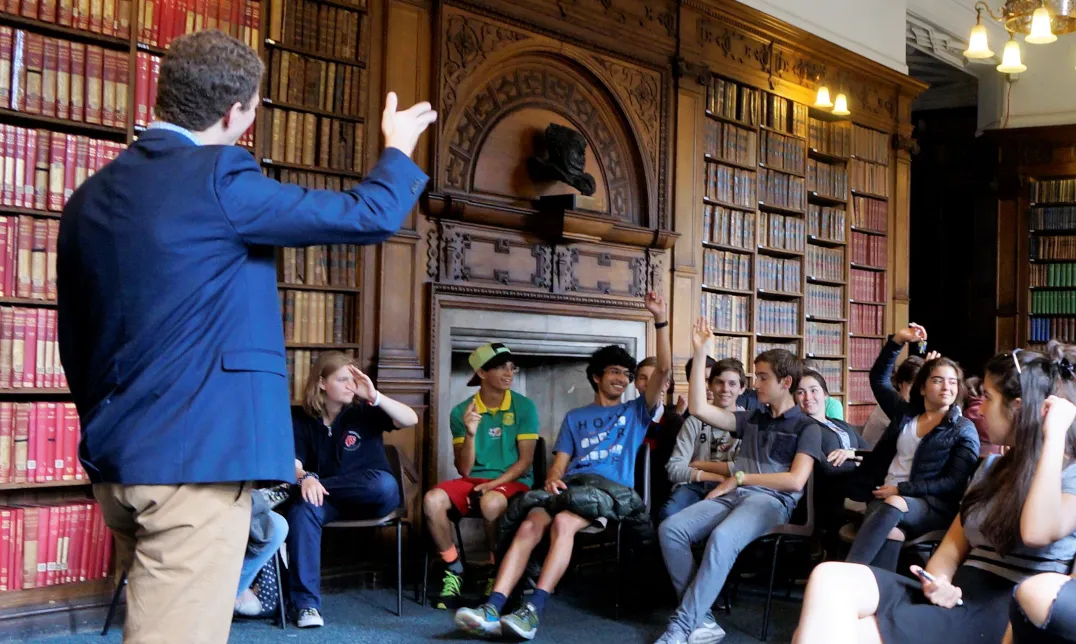
Stanford Summer Session offers a carefully curated selection of foundational courses and signature Stanford classes. These courses are grouped into seven broad interest areas, making it easier for students to design an academic experience aligned with their interests and aspirations.
Subjects span both technical and creative disciplines, reflecting Stanford’s interdisciplinary philosophy.
Students can explore fields:
Computer Science and Engineering
Creativity and Design

Innovation and Entrepreneurship

Math and Data Science
Natural Sciences

Personal Development

Social Sciences and Humanities

Writing and Public Speaking
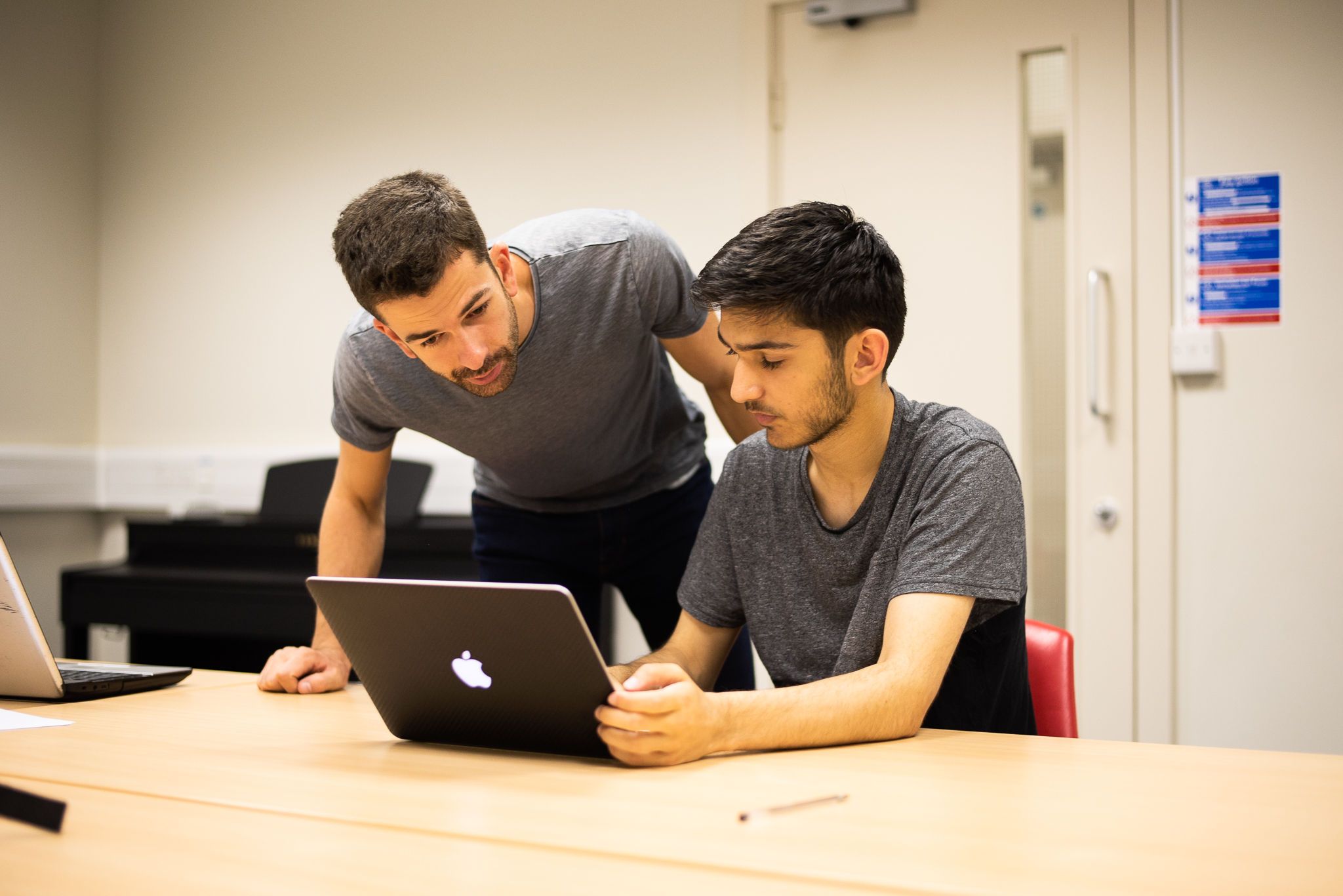
Many courses integrate real-world problem solving, collaborative projects, and hands-on learning, giving students practical exposure alongside theoretical knowledge.
Who Can Apply
Stanford Summer Session welcomes a wide range of learners, making it one of the few programs where high school students, undergraduates, graduates, and gap year students can study side by side.
Advanced high school students can preview college-level study before graduation.
Undergraduate students gain an opportunity to explore career paths, challenge themselves academically, and join a global network.
Graduate students benefit from the rare chance to be visiting Stanford students during the summer.
Gap year students can begin or conclude their year with a meaningful academic experience.

Residential and Commuter Options
Students can choose between residential and commuter options based on preference and availability.
Residential students live on campus in undergraduate residence halls, fully immersing themselves in Stanford’s lifestyle. Living on campus allows students to walk or bike to class, dine with peers, and participate easily in social activities. Residential spaces are limited, making early application essential.
Commuter students live nearby and travel to campus for classes and activities. This option suits students who prefer flexibility while still benefiting from the academic and social environment of Stanford.
Both residential and commuter students are fully integrated into the Summer Session community.

Program Features and Learning Outcomes
One of the defining features of Stanford Summer School is its balance between academic intensity and experiential learning.
Students develop subject-matter expertise while also building critical thinking, communication and collaboration skills. Exposure to Stanford’s teaching methods encourages intellectual independence, creativity and curiosity.
By the end of the program, students typically report improved academic confidence, a clearer understanding of their interests and enhanced global awareness.
Studying alongside peers from diverse cultural and academic backgrounds fosters adaptability and cross-cultural communication, skills that are increasingly valuable in a globalised world.
Grading and Academic Credit
Academic courses in Stanford Summer Session are typically offered for a Letter Grade (e.g. A+, A, A-, B+, B, B-, and so on) or an elected Credit/No Credit option.
Regardless of the grading choice, all courses carry full Stanford University academic credit.
Students select their preferred grading basis through Axess, which is Stanford’s student platform, and may change it until the Change of Grading Basis Deadline.
This flexibility allows students to balance academic rigour with personal goals.

Eligibility Criteria
Eligibility requirements vary by student category.
High school students
- Must be current sophomores, juniors, or seniors at the time of application.
- Be at least 16 years old at the start of the program, and no older than 19 by the last day.
- Must not be matriculating at Stanford as first-year students.
Undergraduate students
- Must be at least 18 years old.
- Have completed high school or an equivalent qualification.
- Have some university or post-secondary experience.
Graduate students
- Must be at least 18.
- Have completed or nearly completed their university degree.
Gap year students
- Must be 18 or older
- Have graduated from high school.
- Not entering Stanford as first-year students.
- All courses are taught in English, and students must be comfortable communicating in English in academic settings.
International students are required to hold an appropriate visa, typically an F-1 Student Visa, and must present required documents such as an I-20, proof of funding, and a valid passport upon arrival.

Student Life at Stanford Summer School
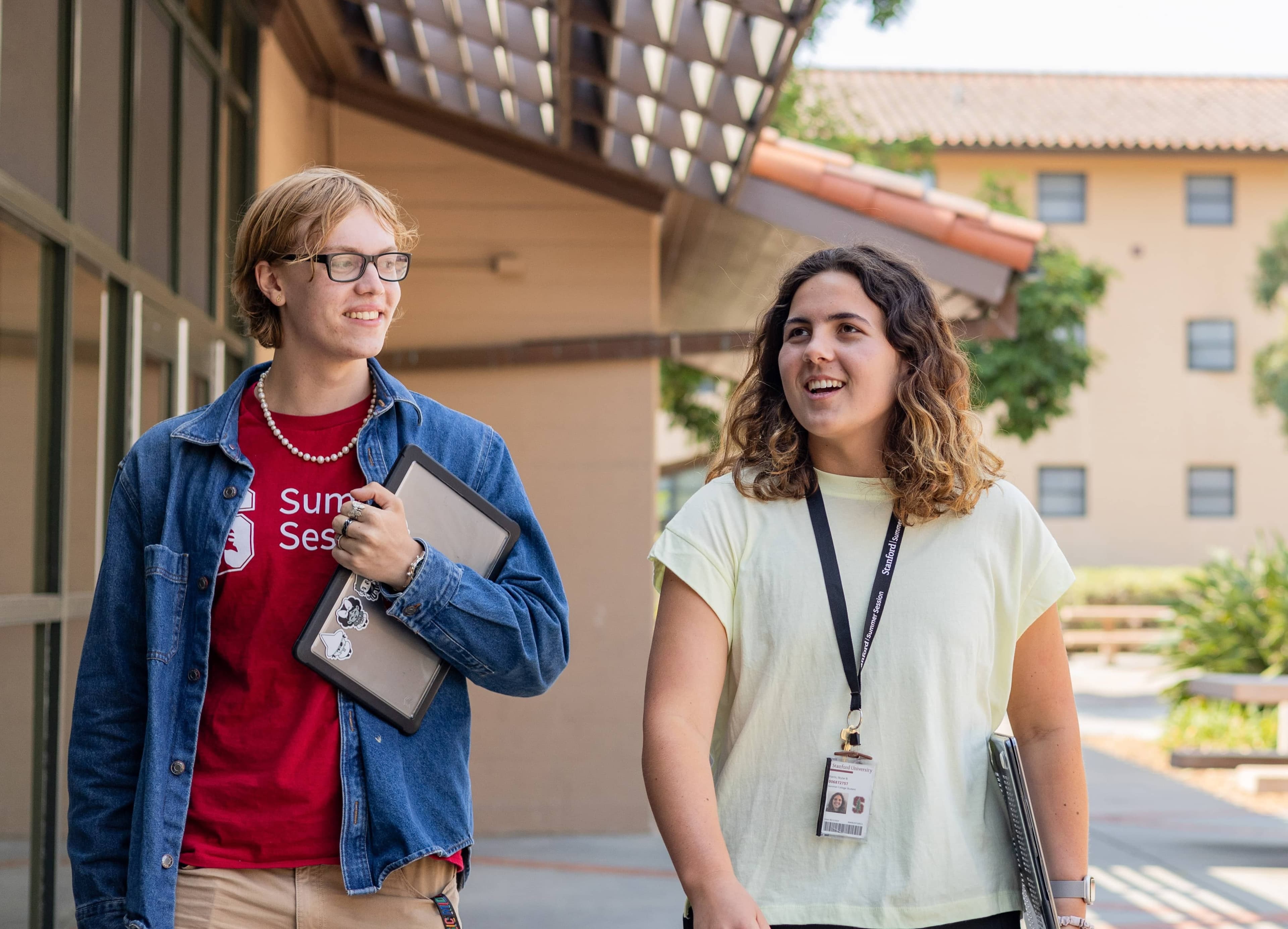
Student life at Stanford Summer School is designed to be dynamic, inclusive and deeply engaging. While academics form the foundation of the program, life outside the classroom is what truly brings the Stanford experience to life.
From the moment students arrive on campus, they become part of a vibrant community filled with curiosity, collaboration and connection. Every day presents new opportunities to meet people, exchange ideas and build friendships that often last well beyond the summer.
Living and learning alongside students from more than 60 countries creates an environment that feels both global and close-knit. Conversations continue long after class ends, over meals in dining halls, during late-night study sessions or while relaxing on Stanford’s expansive green spaces.
Whether students live on campus or commute, they are encouraged to participate fully in the social and cultural fabric of Summer Session. The campus remains active throughout the summer, with events happening almost every day, ensuring there is always something to explore or experience.
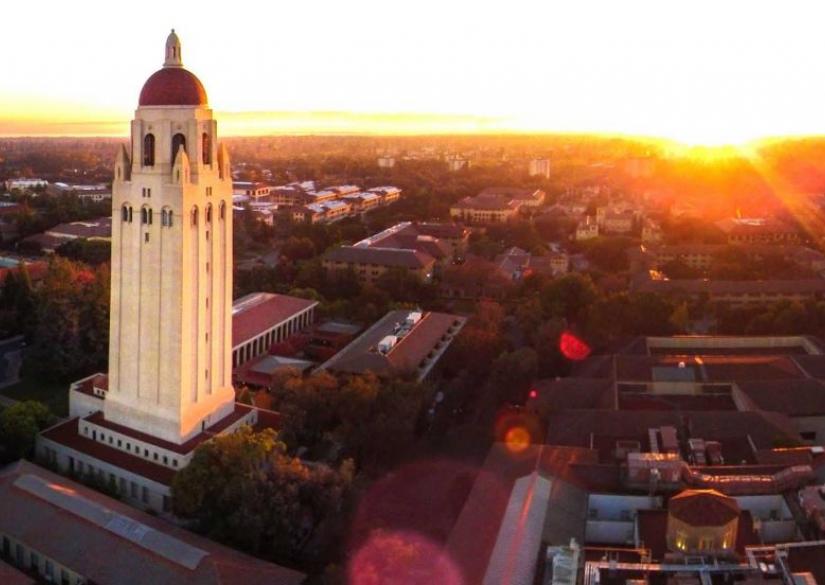
Student life at Stanford is also about balance. Alongside academic focus, students are encouraged to recharge, socialize and enjoy the unique rhythm of summer on “The Farm,” Stanford’s iconic 8,180-acre campus.
Biking between classes, attending dorm-based gatherings or discovering quiet study corners becomes part of daily life.
This balance between intensity and enjoyment helps students remain motivated, energised and deeply engaged throughout the program.
Extracurricular Activities and Cultural Immersion
Extracurricular activities at Stanford Summer School are thoughtfully curated to complement the academic experience and encourage personal growth. These activities are designed to help students connect with the Stanford community, explore their interests and gain exposure to new perspectives.
Signature events such as Welcome Weekend set the tone for the summer, helping students settle in and form early connections.
Stanford Voices sessions provide rare opportunities to interact with Stanford faculty, fellows, researchers and alumni, allowing students to ask questions, hear personal journeys and gain insight into real-world applications of academic work. These conversations often inspire students to think differently about their own academic and career paths.
Cultural immersion is a natural part of life at Stanford Summer School. With students representing diverse nationalities, cultures, and educational backgrounds, every interaction becomes an opportunity for cross-cultural learning.
Group projects, social events and shared living spaces encourage collaboration across cultures, fostering empathy, adaptability and global awareness. Students often find that they learn as much from one another as they do from their courses.
Beyond campus, students are invited to explore the wider Bay Area, one of the most innovative and culturally rich regions in the world.
Organised excursions and informal outings introduce students to Silicon Valley’s entrepreneurial ecosystem, nearby cities, and natural landscapes.
These experiences help students understand how Stanford’s academic culture connects to real-world innovation and global impact.
Activities such as scavenger hunts, service days, and campus-wide celebrations allow students to engage with Stanford’s traditions and values, reinforce their commitment to social responsibility, and enjoy moments of fun, relaxation and community bonding.
Students have access to Stanford’s museums, concert halls, amphitheatre and recreational facilities, offering creative outlets and opportunities for self-expression.
Arts, culture and wellness are also central to the extracurricular experience. Whether attending a live performance, joining a fitness class, or simply enjoying the outdoor spaces, students are encouraged to explore all dimensions of campus life.

Accommodation
Residential students
Residential students stay in classic undergraduate residence halls equipped with lounges, common areas, laundry facilities, and computer clusters. Students typically have roommates and may live on co-ed floors, creating a social and supportive living environment.
Commuter students
For commuter students, off-campus housing in Palo Alto generally ranges from $2,500 to $4,000 per month. Stanford provides guidance and support in identifying suitable off-campus housing options, helping students navigate the local rental market.
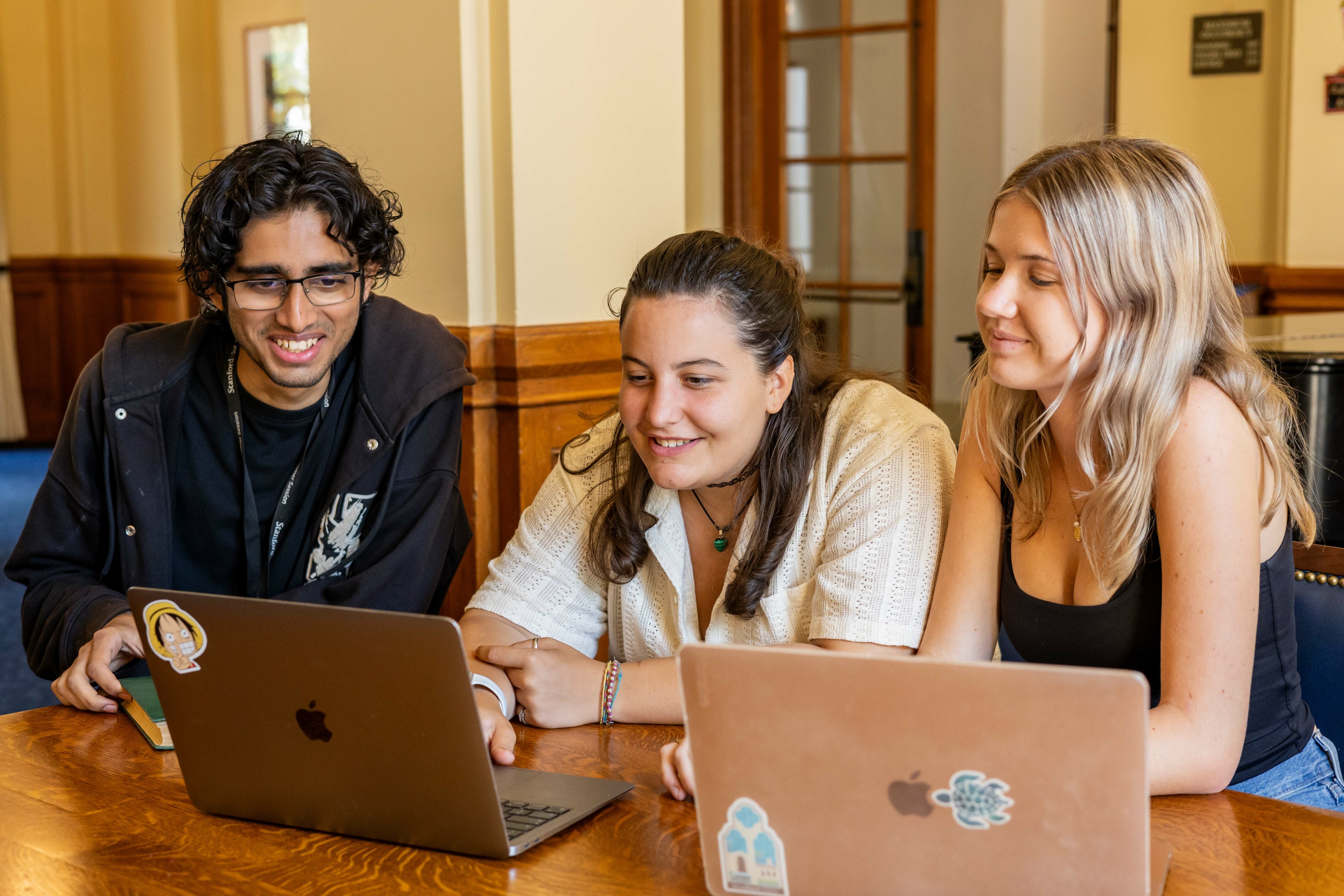
Academic Support and Student Resources
Stanford Summer Session provides comprehensive academic support from pre-summer planning through final exams.
The Summer Academic Resource Center offers academic advising, tutoring, and workshops at no additional cost, ensuring students receive help whenever needed.
Students also have access to Stanford’s extensive campus resources, including more than 20 libraries with vast print and digital collections, over 1,000 licensed databases, and a variety of study spaces.
Athletic facilities include gyms, swimming pools, courts, fields, and even a climbing wall, supporting physical wellness alongside academic growth.
Health and wellness centers, recreation programs, and cultural venues such as museums and performance spaces further enrich the student experience.
With 8,180 acres of campus, outdoor spaces are abundant, encouraging exploration, relaxation, and creativity.
Fees
For students taking a full-time course load and living on campus with a meal plan, costs start at approximately $18,771.
Tuition for commuter students begins at around $5,312, making the program flexible for different budgets and living arrangements.
While the investment can be significant, many students view the opportunity to earn Stanford credit, access world-class resources and build a global network as highly valuable.
Are Stanford’s Summer Programs Worth It?
Determining whether Stanford Summer School is worth it depends on individual goals, finances and academic interests.
The program’s educational prestige, rigorous coursework and access to Stanford’s intellectual ecosystem offer benefits that are difficult to replicate elsewhere.
For students seeking academic challenge, global exposure and personal growth, the experience can be transformative.
While participation alone does not guarantee college admission, excelling in a selective and demanding program can demonstrate initiative, intellectual curiosity and commitment to learning.
Ultimately, Stanford Summer School is best viewed not as a credential, but as an opportunity, one that encourages students to explore, discover and transform their understanding of themselves and the world.
This summer, experience Stanford Summer School and discover how an eight-week quarter can reshape your perspective, confidence, and future direction. Book a Free Consultation with ScholarshipKart today to explore the top Summer Schools in the USA. Get expert support at every step—from course selection and applications to scholarships and visa assistance.
Start your global academic journey with confidence and let us help you secure the right programme, funding options, and a smooth transition to studying in the USA.
